


In brief: In Presidio Heights estates, the most valuable assets are often on the walls. Paintings, antiques and jewelry can move quietly before or after a death. California law lets beneficiaries demand an inventory, recover property held by someone else and seek double damages when property was taken in bad faith.
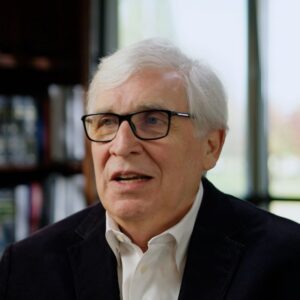
By Michael Hackard, California trust and estate litigation attorney. Last reviewed October 28, 2026.
Real estate leaves a paper trail. A painting, a silver service or a jewelry collection does not. In Presidio Heights, families sometimes learn that pieces they grew up with are gone only when a sibling or caregiver has already consigned or sold them.
The legal tools are strong, but they work best early, while insurance schedules, appraisals, photographs and gallery records can still be found.
From 1902 to 1904, Marcus and Corinne Koshland built a copy of the Petit Trianon at Versailles at 3800 Washington Street, on a corner lot that was a gift from her father. The house became San Francisco Landmark No. 95 in 1977. Presidio Heights has long been a neighborhood of collected things, and of property passed from parent to child.
A trustee or personal representative must identify and protect all property, including personal effects. Beneficiaries can request information under Probate Code section 16060, and older insurance riders, appraisals and photographs often show what existed.
When someone else holds property that belonged to the decedent or the trust, a petition under Probate Code section 850 asks the court to order it returned. Under section 859, a person who wrongfully took property in bad faith, or by undue influence or elder financial abuse, can be liable for twice its value.
Valuation matters. Federal estate tax rules require an expert appraisal when articles of marked artistic or intrinsic value total more than $3,000 (Treasury Regulation section 20.2031-6). An estate return that lists a collection at a nominal figure can be evidence in itself.
Every San Francisco neighborhood shares one probate court. Trust, estate and probate matters are handled at the Civic Center Courthouse, 400 McAllister Street. Regular probate appearance hearings are generally in Department 204; ex parte appearances are in Department 202. A petition about an existing trust is filed in that trust’s case. Many non-evidentiary probate hearings may be attended remotely, while evidentiary hearings and trials are in person unless the court orders otherwise. Parties generally arrange a private court reporter for probate evidentiary hearings and trials. Fee-waiver recipients may request a court-provided verbatim record by submitting a written request at least two weeks before the proceeding.
Hackard Law handles qualifying trust, estate and elder financial abuse cases on a contingency fee. You pay no hourly fees. The fee is a percentage of what is recovered, set out in a written agreement before work begins. The firm advances the costs of the case. Those costs are repaid from the recovery before the fee is calculated. If there is no recovery, you owe no fee and no costs, unless your written agreement provides otherwise.
If the art belonged to the trust or estate, a Probate Code section 850 petition can ask the court to order it returned. Bad-faith taking can bring double damages under section 859.
Insurance schedules, appraisals, photographs, gallery invoices, emails and family recollection all help. A trustee also has a duty to account for personal property.
Often, yes. Federal rules require expert appraisal of valuable artistic property. We look at realistic recoverable value before recommending a case.
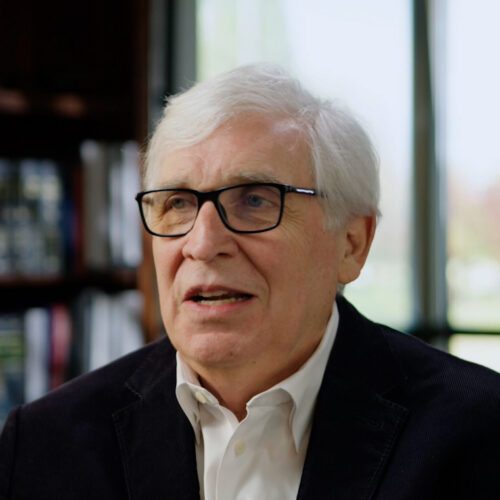
“After thousands of cases, I see the patterns others miss.”
Call the Sage: (916) 313-3030
Hackard Law’s office is in Sacramento County.
Hackard Law represents families throughout California. hackardlaw.com
Please do not send documents until we ask for them.
 (916) 313-3030