


 (916) 313-3030
10 Common Myths About Estate Lawyers That Cost California Families

Why These Myths Matter
I’m Michael Hackard, founder of Hackard Law. Over five decades of practice, I have fought for heirs, beneficiaries, and elder abuse victims across Sacramento, the San Francisco Bay Area, and Los Angeles. I have written four published books on inheritance protection and produced more than 1,000 educational videos that have reached over seven million viewers. In that time, I have watched the same misconceptions about estate lawyers surface again and again – and I have seen how much damage those misconceptions cause.
Families deal with both sadness and new legal responsibilities when a loved one passes away. Executors struggle to comprehend their responsibilities. Recipients question what information they are entitled to. And myths fill the void in that vulnerable window. Some misconceptions prevent families from receiving early assistance. Others mislead executors into believing they can manage probate on their own. Some mislead families into thinking that legal counsel is a luxury rather than a protection. All of that is untrue, and believing it can have serious consequences.
Hackard Law provides contingency fee representation for qualified cases – no upfront costs required. To speak with our team, call (916) 313-3030.
Quick Summary
Ten persistent myths about estate lawyers lead California families to delay legal help, underestimate executor risk, or misunderstand beneficiary rights – all of which can reduce estate value and create lasting legal problems.
- Probate involves real legal obligations regardless of estate size.
- Executors who go it alone face personal liability for mistakes.
- Lawyers prevent disputes – they do not create them.
- Beneficiaries hold enforceable rights during estate administration.
- Legal guidance typically preserves more than it costs.
Myths That Keep Families From Getting Help Early
The first myth that only wealthy families need estate lawyers may be the most damaging. It convinces people with modest estates that professional guidance is unnecessary. In reality, every estate that passes through probate requires filing petitions, notifying creditors, valuing assets, and preparing final tax returns. A misstep in any of those areas can reduce what heirs ultimately receive or expose the executor to personal liability. Estate size does not determine complexity; the legal obligations apply regardless.
This is closely related to the myth that hiring a lawyer is too costly. By comparing the estate’s value to the attorney’s fee, families can sometimes determine that the math is incorrect. The calculation ignores the cost of avoidable errors, like tax penalties, missed creditor deadlines, inaccurate distributions, or disputes that result in legal action. Legal counsel is a safeguard against much larger ones, not an extra expense. Since many estate lawyers charge flat fees for routine services, costs are known up front.
For families navigating probate in California, understanding the most common probate, trust, and estate battles helps set realistic expectations before problems arise.
Case Pattern: A family handling a mid-sized estate without legal help distributed assets to heirs before resolving a creditor claim. The executor faced personal liability for the shortfall. With earlier legal guidance, the proper sequence of steps – creditor resolution before distribution – would have protected everyone involved.
Myths About What Probate Actually Requires
Some families believe the court handles everything. Courts do oversee probate, but that oversight is limited. Clerks provide forms and cannot give legal advice. Judges intervene only when disputes or errors surface. The day-to-day work of gathering assets, communicating with beneficiaries, and meeting deadlines falls entirely on the executor. A lawyer does not replace the executor – the lawyer makes sure the executor can meet those obligations correctly.
Another widespread misconception is that probate always takes years. Certain estates do take that long, especially when the heirs don’t agree, or the documents aren’t clear. However, if the procedure is handled properly, many estates settle in a matter of months to a year. Inaccurate filings, improper notification of creditors, or inadequate information provided to beneficiaries are the most common causes of delays. A lawyer takes care of those weaknesses before they become obstacles.
Hackard Law handles probate litigation across California, including Sacramento County probate matters and estate disputes in Los Angeles.
Myths About Lawyers and the Probate Process
One particular fallacy created by television is that estate attorneys only appear when families are at odds. Most of a lawyer’s work is preventive in practice. Attorneys draft paperwork, oversee asset appraisals, examine creditor claims, and direct the accounting procedure. Conflicts are less likely to occur when a lawyer is involved from the start since expectations are established early on and information is communicated effectively.
Another common misconception is that lawyers make probate more complicated. Probate is already governed by court procedures and legal requirements. An attorney helps executors navigate those requirements, avoid mistakes, and keep the administration moving forward. Without legal guidance, even routine issues can lead to delays or additional expense. The eight stages of trust and estate litigation illustrate just how many decision points exist where guidance matters.
Case Pattern: A family filed documents without a lawyer’s scrutiny because they thought probate was simple. A disagreement between the heirs over a real estate assessment miscalculation delayed distribution by more than a year. The discrepancy would have been discovered before it became a conflict if the lawyer had reviewed the filing from the beginning.
Myths About Executor and Beneficiary Rights
Executors frequently start out confident in their ability to handle the process on their own. They were picked for the position because the deceased trusted them, thus their confidence makes sense. However, probate necessitates accurate communication with each beneficiary, meticulous record-keeping, and rigorous adherence to court deadlines. Serious legal issues might arise from even minor mistakes, such as dispersing assets before creditor claims are settled or failing to provide the necessary notice. Executors are guided through each step by a lawyer, which lowers stress and personal danger.
On the other side, beneficiaries sometimes believe they have no rights during administration. That is not accurate. Beneficiaries hold the right to information, the right to a formal accounting, and in some situations, the right to challenge improper actions by the executor. When those rights are ignored or obscured, legal intervention may be necessary. Hackard Law has helped beneficiaries across California assert their rights in situations where trustees and executors failed to provide required transparency – including through compelling accountings when they are withheld.
For families in the Bay Area, Hackard Law handles estate matters in Alameda County, Oakland, and Santa Clara.
What Estate Lawyers Actually Do for Families
For decades, I have stood with families during some of the most difficult seasons of their lives. The work is not glamorous – it involves documents, deadlines, court filings, and careful communication. But the purpose behind that work is deeply human. When an estate is administered correctly, a parent’s wishes are honored. A family home passes to the people it was meant for. Heirs receive what they are entitled to without years of conflict consuming what remains.
I have witnessed what occurs when myths are not questioned. When mistakes compound, the financial cost increases. Sibling rifts are frequently too deep to be healed by criticism. What confusion and delay attempted to steal is restored by an unwavering dedication to accurate, timely legal work. Estate attorneys support and safeguard family decision-making rather than taking its place. Additionally, they assist in making sure that the procedure takes into account both the deceased person and the law.
Explore Hackard Law’s full practice areas or contact us directly to discuss your family’s situation.
Key Definitions
- Probate: The court-supervised process of validating a will, settling debts, and distributing a decedent’s estate to heirs.
- Executor: The person named in a will to administer the estate, responsible for gathering assets, paying debts, and distributing property.
- Creditor notice: A required legal notification to known and potential creditors that an estate is open and claims may be filed.
- Estate accounting: A formal record of all assets received, debts paid, and distributions made during estate administration.
- Beneficiary rights: Legal entitlements held by heirs or trust beneficiaries, including the right to information and a formal accounting.
- Flat fee: A fixed legal fee for a defined scope of work, common in routine probate administration tasks.
- Personal liability: The risk that an executor may be held personally responsible for losses caused by their errors or omissions.
- Contingency fee: A fee arrangement where the attorney is paid only if the case results in a recovery, with no upfront cost to the client.
- Creditor claim: A formal demand submitted by a creditor during probate seeking payment from the estate.
- Asset valuation: The process of determining the fair market value of estate property, required for tax and distribution purposes.
What to Do Next
- Look for an estate attorney early – before filing any probate petition or distributing any assets.
- Get copies of the will, trust documents, and any financial account statements as soon as possible.
- Try to avoid making distributions to heirs until creditor claims have been fully resolved.
- Look for an attorney who offers flat fees or contingency arrangements so costs are predictable.
- Ask the attorney to explain your duties as executor in plain language before you begin.
- Try to avoid relying on court clerks for legal advice – they are prohibited from providing it.
- Look for signs that beneficiaries are not receiving required notices or accountings, and document any concerns.
- Get a clear timeline from your attorney so you understand what to expect at each stage.
- Call Hackard Law at (916) 313-3030 to discuss your situation with an experienced California estate litigation team.
- Visit our contact page to request a consultation and learn how we can help protect your family’s inheritance.
CALL THE SAGE | When Experience Matters, Families Listen
🏛️ We practice California trust & estate & elder financial abuse litigation
⚖️ We represent heirs, beneficiaries, and elder abuse victims
🎥 1,000+ educational videos | 7 million+ views | 4 published books
🎯 “After thousands of cases, I see the pattern others miss.”
CONTINGENCY REPRESENTATION – No Win, No Fee
Throughout California: Sacramento | Los Angeles | Bay Area
📞 CALL THE SAGE: (916) 313-3030
Subscribe for weekly insights on:
- Elder financial abuse warning signs and prevention
- Trust and estate litigation strategies
- Inheritance protection for California families
- Family protection strategies
When your inheritance is under attack, Call The Sage.
Hackard Law | 10640 Mather Blvd, Mather CA 95655
Attorney Advertisement | Michael Hackard, State Bar #71067
RELATED VIDEOS
Estate Planning Myths That Could Cost Your Family Everything
Common estate planning misconceptions that leave families financially vulnerable and legally exposed.
Do You Need an Estate Planning Lawyer? Here’s How to Know
Practical guidance on recognizing when hiring an estate planning attorney makes sense.
7 Signs You Need an Estate Planning Lawyer — Before It’s Too Late
Seven warning signs that your family situation calls for professional estate legal help.
The Real Cost of Probate What Families Need to Understand
A clear breakdown of what probate actually costs California families in time and money.
The True Cost of Estate Planning What Every Family Should Know
An honest look at estate planning fees and the value they provide families.
Top 3 Estate Debt Rules Every Beneficiary Should Know
Key rules governing how debts are handled and what beneficiaries are entitled to receive.
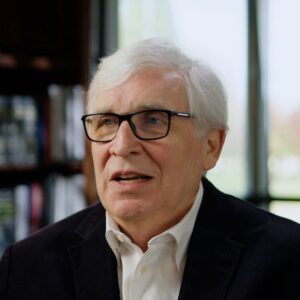 Michael Hackard is the founder of Hackard Law, a California trust and estate litigation firm with more than five decades of experience protecting the inheritance rights of families across Sacramento, the San Francisco Bay Area, and Los Angeles. He is the author of six published books on inheritance protection and has produced more than 1,000 educational videos with over seven million views.