


Elder financial abuse and inheritance theft are not two problems. They are one crime seen at two moments. In most cases where a family is disinherited, the exploitation came first — the isolation, the new acquaintance, the caregiver who moved in, the amendment signed in a lawyer’s office no one in the family had ever heard of. The altered will or trust is only the paperwork that records what was already done. Families who understand that sequence are the ones best positioned to stop it.


California has no statute titled “inheritance theft.” The conduct, though, is reached by some of the most powerful remedies in the state’s civil law. The Elder Abuse and Dependent Adult Civil Protection Act defines financial abuse as taking, hiding, or appropriating an elder’s property for a wrongful use or by undue influence (Welfare & Institutions Code § 15610.30). Undue influence has its own statutory definition — excessive persuasion that overcomes another person’s free will (§ 15610.70). And Probate Code § 259 allows a court to treat an abuser as if he had died before the victim, stripping him of the inheritance he tried to take.
The pattern repeats. An aging parent begins to decline — sometimes from dementia, sometimes from a fall and the brain injury that follows. A person close to the assets sees an opening. Contact with other family is discouraged. A trusted advisor is replaced. Then, late in life and often in private, the estate plan changes: a child removed, a caregiver added, a home re-deeded. By the time the rest of the family learns what happened, the elder is gone and the documents appear, on their face, to be valid. They rarely are.
More than most families expect. A civil claim for financial elder abuse is decided under the preponderance-of-the-evidence standard — more likely than not — rather than the higher clear-and-convincing standard that governs many probate presumptions. Probate Code § 859 can require a wrongdoer who acted in bad faith or through undue influence to return twice the value of what was taken. The Elder Abuse Act shifts the victim’s attorney’s fees and costs onto the abuser (Welfare & Institutions Code § 15657.5). And § 259 can disinherit the abuser outright. Together these remedies can make a family whole and hold the responsible party accountable — but only if the case is brought before evidence disappears and deadlines run.
As early as possible. Assets move quickly, memories fade, and statutes of limitations are unforgiving. Early intervention is what lets a lawyer preserve records, identify recoverable property, and pursue every available claim before a deadline closes it off.
This is the barrier families fear most, and the one most often misunderstood. Complex trust litigation billed by the hour can run four to eight hundred dollars an hour — impossible for a family whose inheritance has already been drained. Contingency representation changes the arithmetic. Under a contingency agreement the attorney advances the costs and is paid only out of a recovery. If there is no recovery, there is no fee. Not every case qualifies, but for those that do, contingency representation opens a courthouse door that hourly billing would keep shut.

A few things matter more than the rest:
A practice that concentrates on trust, estate, and elder financial abuse litigation rather than treating it as a sideline.
Real depth of experience with the specific patterns of exploitation — undue influence, caregiver manipulation, fraudulent transfers, trustee self-dealing.
A willingness to take a qualifying case on contingency, which signals confidence in the merits.
A body of educational work — articles, guides, videos — that shows the firm understands the field well enough to teach it.
California has no statute titled “inheritance theft.” The conduct is reached by the Elder Abuse and Dependent Adult Civil Protection Act, which defines financial abuse as taking, hiding, or appropriating an elder’s property for a wrongful use or by undue influence (Welfare & Institutions Code § 15610.30).
The pattern often begins when an aging parent starts to decline and contact with other family is discouraged. A trusted advisor may be replaced, followed by late-in-life changes to the estate plan, such as removing a child, adding a caregiver, or re-deeding a home. By the time the rest of the family learns what happened, the documents may appear valid on their face.
In some cases, yes. Probate Code § 859 can require a wrongdoer who acted in bad faith or through undue influence to return twice the value of what was taken. The Elder Abuse Act can also shift the victim’s attorney’s fees and costs onto the abuser (Welfare & Institutions Code § 15657.5), and Probate Code § 259 can disinherit the abuser outright.
Yes. Assets move quickly, memories fade, and statutes of limitations can apply. Early intervention allows a lawyer to preserve records, identify recoverable property, and pursue available claims before applicable deadlines expire.
Not necessarily. Complex trust litigation can be expensive when billed hourly. Under a contingency agreement, the attorney advances the costs and is paid only out of a recovery. If there is no recovery, there is no fee. Not every case qualifies for contingency representation.
Look for a practice that concentrates on trust, estate, and elder financial abuse litigation; experience with issues such as undue influence, caregiver manipulation, fraudulent transfers, and trustee self-dealing; a willingness to consider qualifying cases on contingency; and a body of educational work that demonstrates experience in the field.
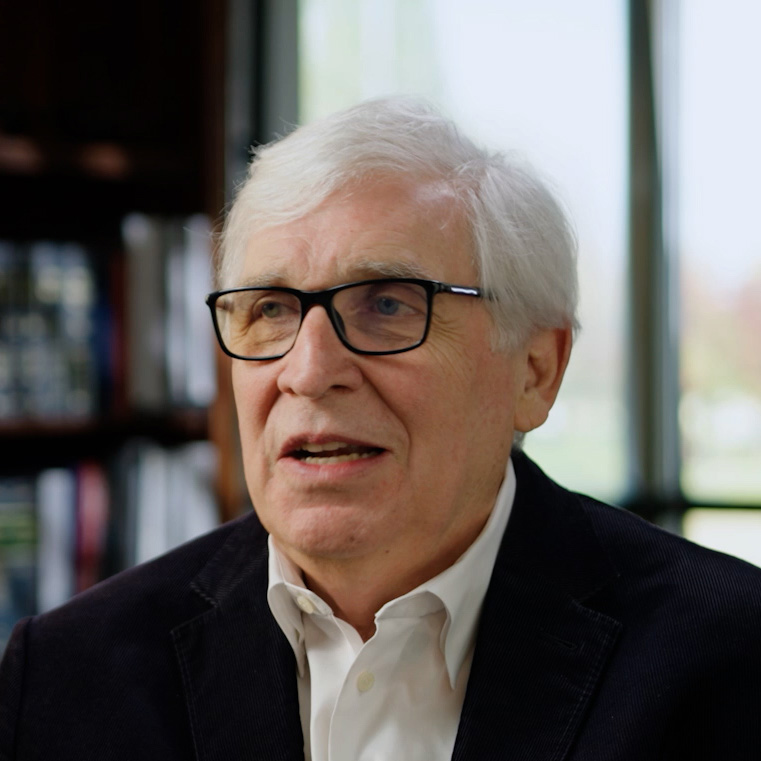
Michael Hackard founded Hackard Law and has spent fifty years representing California families in elder financial abuse, inheritance, and trustee-misconduct cases. He is the author of six books on elder vulnerability and family protection — including the financial-exploitation trilogy The Wolf at the Door, Inheritance Heists, and Stolen Inheritance: How the Vulnerable Lose Their Estates — and What Families Can Do — and the memoir Making Room: A Memoir of Faith, Law and Endurance. He has produced more than 1,000 educational videos viewed over seven million times, testified before the U.S. House of Representatives Committee on Ways and Means, holds an AV Preeminent rating earned over more than twenty years, has received SuperLawyer recognition, and is the recipient of a 2026 Silver Telly Award in the Law & Crime category for Introducing the Sage.
Hackard Law represents families on a contingency basis throughout California — Sacramento, the San Francisco Bay Area, Los Angeles, San Diego, and Orange County.
When your inheritance is under attack, Call the Sage. Hackard Law — (916) 313-3030 — hackardlaw.com. Contingency representation: no win, no fee.
 (916) 313-3030