


 (916) 313-3030
11 Signs You Need an Estate Planning Lawyer in California
Why Estate Planning Cannot Wait
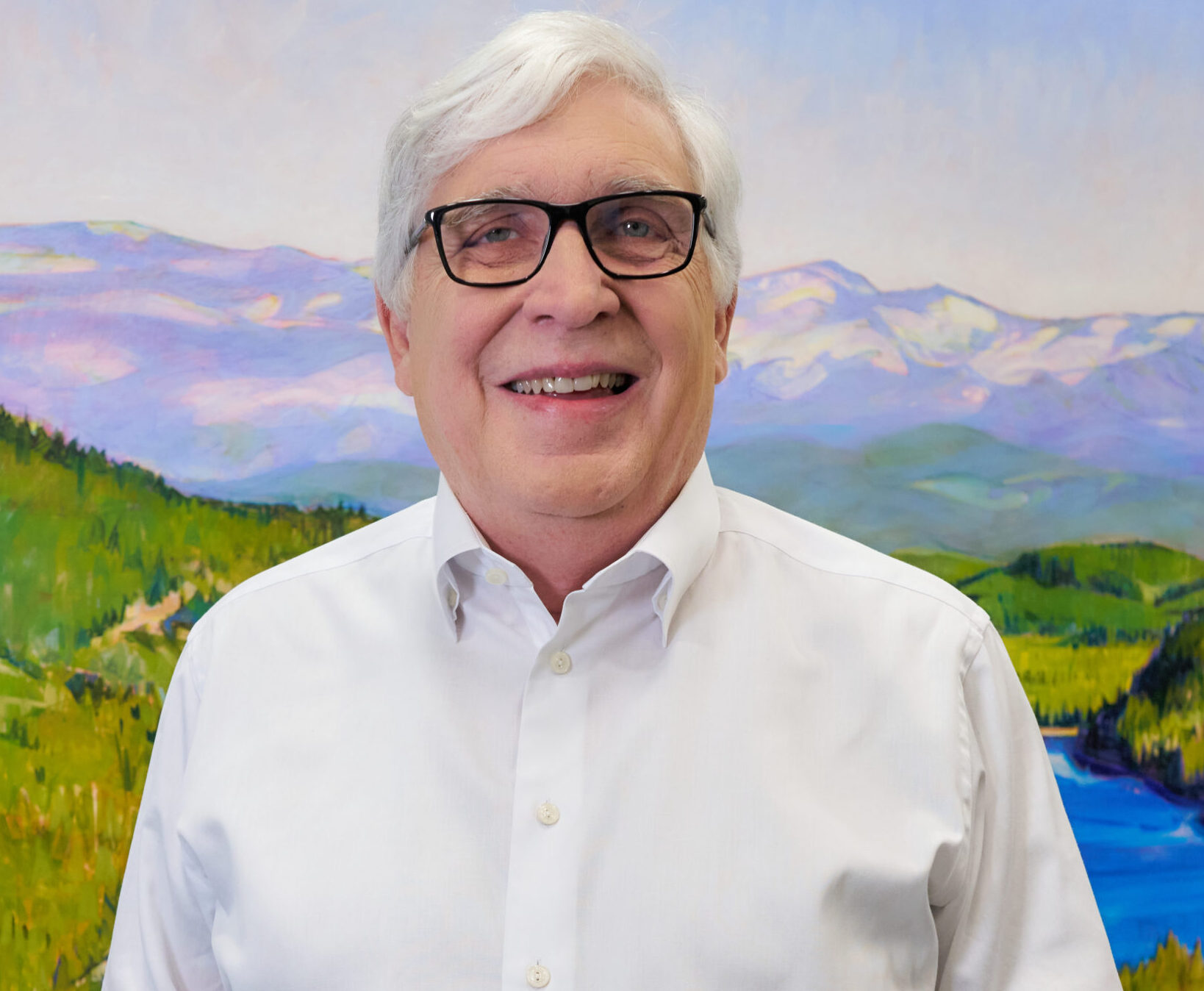
I’m Michael Hackard, founder of Hackard Law. Over five decades of practicing trust and estate law, I have stood with families at some of the most difficult moments of their lives – moments that could have been far less painful with a plan in place. I have written four books on inheritance protection, and through more than 1,000 educational videos with over seven million views, I have tried to bring clarity to families across California who face these problems. Hackard Law serves clients throughout Sacramento, the San Francisco Bay Area, and Los Angeles, and the stories I hear from these communities have a common theme: planning that was delayed, documents that were never updated, or wishes that were never written down.
Estate planning isn’t about expecting the worst. It is about accepting that tomorrow is never guaranteed and taking steps today that protect the people you love. If you have been putting this off, the signs below may tell you that now is the right time to act.
Hackard Law provides contingency fee representation for qualified trust and estate litigation cases – no upfront costs required. To discuss your situation, call us at (916) 313-3030.
Quick Summary
Many Californians delay estate planning until a crisis forces the issue. Recognizing the warning signs quickly can spare your family from probate disputes, court intervention, and lasting conflict.
- You have no will, trust, or health care directive in place
- A major life event has made your existing documents outdated
- You own a business, blended family, or property in multiple states
- A child with special needs depends on government benefits
- Your family would not know what to do if something happened today
Sign 1: You Have No Estate Plan at All
Without a will, trust, powers of attorney, or health care directives, California law decides what happens to your estate – and that outcome may look nothing like your wishes. If you become incapacitated, your loved ones may need court approval just to manage your finances or make medical decisions on your behalf. That process is slow, public, and expensive.
An estate planning attorney helps you make the first move toward clarity. A properly drafted plan gives your family a roadmap instead of a courtroom battle. Poor drafting – or no drafting at all – is one of the most common reasons estate disputes end up in litigation.
Sign 2: A Major Life Change Has Altered Your Circumstances
Marriage, divorce, the birth of a child, the death of a named beneficiary, buying a home, or inheriting property – each of these events changes the structure of your estate. Outdated beneficiary designations on life insurance policies or retirement accounts can redirect assets in ways you never intended, regardless of what your will says.
A lawyer helps you align your plan with your life as it stands today. This is not a single-use task. Estate planning requires periodic review, especially after significant personal or financial changes. Open and honest estate planning communication within your family is also part of building a plan that holds.
Case Pattern: A widow revised her will after remarrying but did not change the beneficiary designation on a large retirement account. When she died, the account went to her first husband’s estate by default. Her children were involved in a prolonged disagreement that could have been averted with a simple corrected form.
Sign 3: You Want to Avoid Probate
Probate in California can be lengthy, costly, and entirely public. A well-designed living trust keeps your estate private and allows for a smooth transition of assets to your heirs. But drafting the trust document is only the beginning – your assets must be properly titled and coordinated with the trust, or the trust may accomplish very little.
This is the place professional guidance matters. A trust that is never funded is a trust that does not work. Families who discover this after a loved one’s death often find themselves managing the most common probate and trust battles that could have been prevented.
Sign 4: You Have a Blended Family, a Business, or Special Circumstances
Blended families entail careful planning. You may want to provide for a surviving spouse while making sure that children from a prior marriage receive their intended inheritance. Without careful coordination, assets can shift unintentionally and create tension that outlasts the grief.
Succession planning establishes who runs the company, who owns it, and how the changeover takes place. Without it, families have to deal with disruptions, conflicts, or forced sales at the worst possible moment. To maintain continuity and safeguard what you created, an attorney assists in coordinating your estate plan with business agreements.
A typical inheritance may put a family’s eligibility for government assistance at risk if they have a kid with special needs. With a special needs trust, you may protect that child’s future without cutting off essential assistance. Care must be taken when creating and maintaining these trusts.
Case Pattern: Two brothers inherited a family business. One brother’s estate included a trust that outlined management, ownership, and transition in clear terms. The other had no plan. When the unanticipated occurred, one estate moved forward without interruption. The other faced probate disputes and significant family stress. The difference was not wealth or intent – it was preparation.
Sign 5: Your Plan Is Outdated, Incomplete, or Unclear
A plan created ten or fifteen years ago may not reflect today’s laws, relationships, or responsibilities. If your documents reference old addresses, former beneficiaries, or outdated tax codes, they need to be revisited. California law changes, family circumstances change, and the tools available for estate planning continue to evolve – including considerations around digital assets and online accounts that many older plans never addressed.
If your loved ones would not immediately know who makes medical decisions, where your documents are stored, or how your finances should be managed if something happened today, your plan is not complete. Estate planning provides that certainty before life demands it.
For California beneficiaries who find themselves dealing with a trustee who is slow to act or withholding distributions, understanding what beneficiaries can do is an important part of protecting what a loved one intended.
Key Definitions
- Revocable living trust: A legal arrangement that holds your assets during your lifetime and transfers them to beneficiaries at death, without going through probate.
- Irrevocable trust: A trust that generally cannot be changed after it is created, often used for asset protection or tax planning.
- Power of attorney: A legal document authorizing someone to make financial decisions on your behalf if you are unable to do so.
- Health care directive: A document that expresses your medical wishes and designates someone to make health care decisions if you are incapacitated.
- Probate: The court-supervised process of validating a will and distributing a deceased person’s estate.
- Beneficiary designation: A named individual or entity on a financial account or insurance policy who receives the asset upon the owner’s death, outside of probate.
- Special needs trust: A trust designed to benefit a person with disabilities without disqualifying them from government assistance programs.
- Spendthrift provision: A clause in a trust that restricts a beneficiary’s ability to transfer their interest and protects it from creditors.
- Generation-skipping trust: A trust that transfers assets to grandchildren or later generations, often with tax planning advantages.
- Succession plan: A formal arrangement that determines how a business will be managed and transferred when the current owner retires, becomes incapacitated, or dies.
What to Do Next
- Look for any gaps in your current plan – missing documents, unfunded trusts, or outdated beneficiary designations.
- Get copies of your existing will, trust, powers of attorney, and health care directives and review them for accuracy.
- Try to avoid assuming that a plan created years ago still reflects your wishes and your family’s current situation.
- Look for a California estate planning attorney who can review your documents and identify what needs to be updated.
- Obtain copies of the beneficiary designation papers for any financial accounts, life insurance policies, and retirement funds.
- Look into whether a living trust makes sense for your situation if avoiding probate is a priority.
- Try to avoid delaying this conversation if you have a blended family, a business, or a child with special needs – these situations require more careful coordination.
- Explore the contingency fee options available if your family is already dealing with a trust or estate dispute.
- Call Hackard Law at (916) 313-3030 to speak with our team about your situation.
- Visit our contact page to schedule a consultation and learn how we can help protect your family’s legacy.
CALL THE SAGE | When Experience Matters, Families Listen
🏛️ We practice California trust & estate & elder financial abuse litigation
⚖️ We represent heirs, beneficiaries, and elder abuse victims
🎥 1,000+ educational videos | 7 million+ views | 4 published books
🎯 “After thousands of cases, I see the pattern others miss.”
CONTINGENCY REPRESENTATION – No Win, No Fee
Throughout California: Sacramento | Los Angeles | Bay Area
📞 CALL THE SAGE: (916) 313-3030
Subscribe for weekly insights on:
- Elder financial abuse warning signs and prevention
- Trust and estate litigation strategies
- Inheritance protection for California families
- Family protection strategies
When your inheritance is under attack, Call The Sage.
Hackard Law | 10640 Mather Blvd, Mather CA 95655
Attorney Advertisement | Michael Hackard, State Bar #71067
RELATED VIDEOS
How to Choose the Right Power of Attorney Lawyer
Explains what to look for when selecting a power of attorney attorney.
Community vs. Separate Property in California Trusts: What Families Need to Know
Breaks down how California law treats community and separate property inside trusts.
Why Every Family Business Needs a Succession Plan
Covers why business owners must plan ahead to protect their company and heirs.
Five Wealth Transfer Ideas for Baby Boomers
Outlines practical strategies Baby Boomers can use to pass wealth to the next generation.
Shattered Trust: Challenging Power of Attorney Abuse
Explores what happens when someone misuses a power of attorney and how to fight back.
Safeguarding the Family Legacy: Sandra’s Story | Hackard Law
Follows one family’s real experience protecting an inheritance from estate disputes.
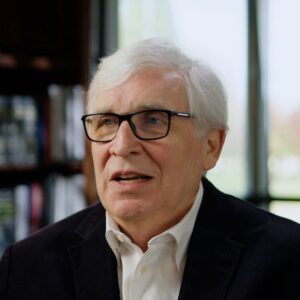 Michael Hackard is the founder of Hackard Law, a California trust and estate litigation firm with more than five decades of experience protecting the inheritance rights of families across Sacramento, the San Francisco Bay Area, and Los Angeles. He is the author of six published books on inheritance protection and has produced more than 1,000 educational videos with over seven million views.