


 (916) 313-3030
When Professionals Enable Estate Theft: Holding Attorneys, Advisors, and Witnesses Accountable in California
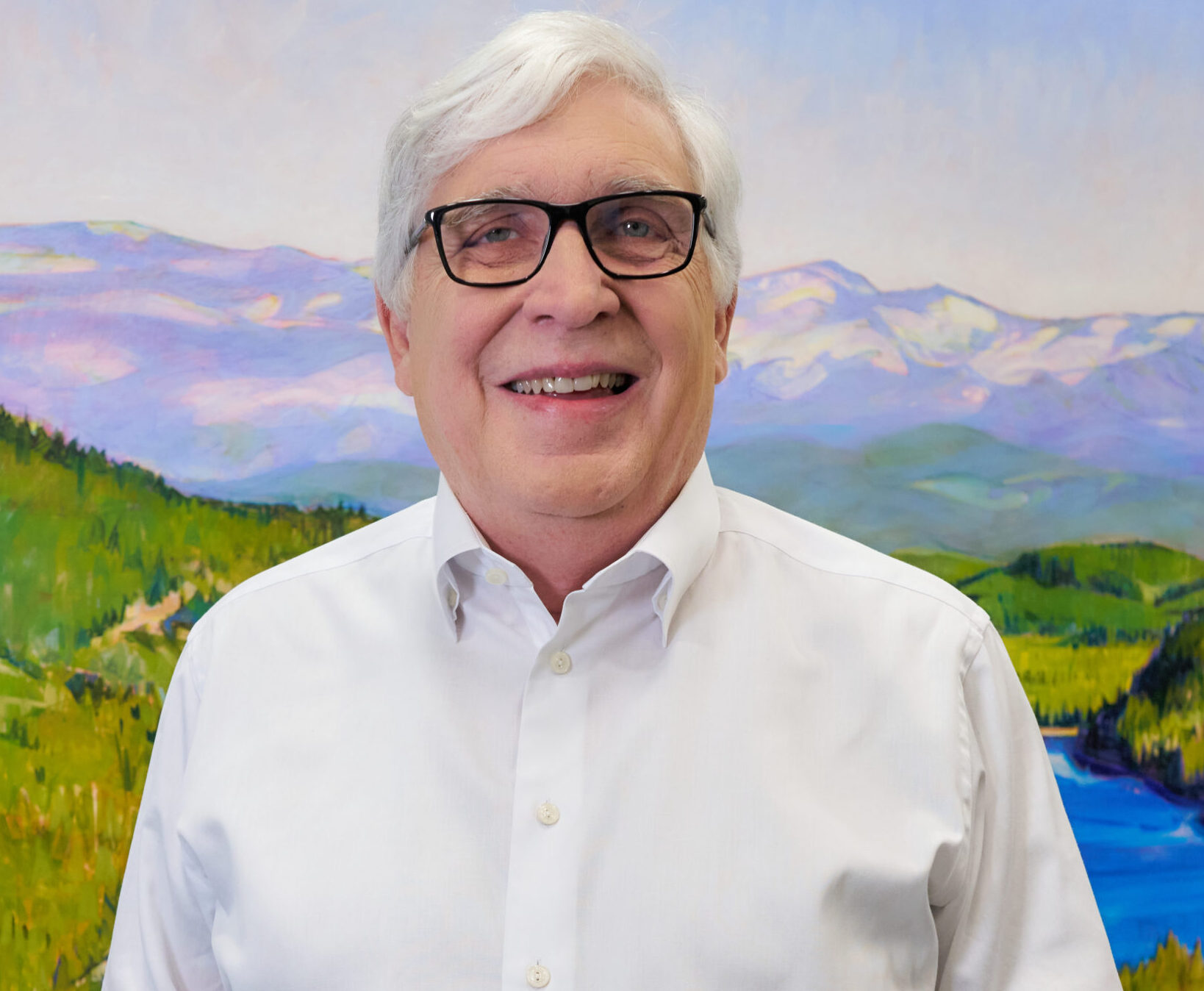
I am Michael Hackard, founder of Hackard Law, and I have spent five decades litigating trust and estate disputes across California – from Sacramento to the San Francisco Bay Area and Los Angeles. I have written four published books on inheritance protection and produced more than 1,000 educational videos that have reached over seven million viewers. In that time, I have seen a pattern that families almost never anticipate when they first call me: the person who stole from their loved one rarely acted alone. Behind nearly every wrongful estate transfer stands a group of professionals whose participation made the taking possible – the attorney who drafted the document, the financial advisor who moved the money, the accountant who witnessed the signing. These are not bystanders. They are the infrastructure of the scheme, and they are often where the most meaningful recovery comes from.
Hackard Law provides contingency fee representation for qualified cases – no upfront costs to families pursuing these claims. Call us at (916) 313-3030 to discuss your situation.
Quick Summary
California law reaches beyond the direct person who acted wrongfully and allows heirs, beneficiaries, and elder abuse victims to pursue every professional whose participation enabled a wrongful estate transfer. These claims carry serious financial consequences for defendants, including doubled damages and mandatory attorney’s fees.
- California Welfare and Institutions Code section 15657.7 permits claims against professionals who assisted in wrongful estate transfers.
- Recoverable damages can include double damages and attorney’s fees on a finding of bad faith.
- The drafting attorney becomes both a defendant and a percipient witness – and is subject to disqualification from defending the document they created.
- Financial advisors who are registered investment advisors owe fiduciary duties and can be liable when they process transfers they knew, or should have known, were improper.
- Professional defendants often carry insurance and firm assets, making them a critical source of recovery when the estate itself has been depleted.
Richard’s Story: A Case That Shows How Enablers Work
Richard was eighty-nine years old and in hospice. His stepdaughter Denise had been his primary caregiver for two years – controlling his schedule, managing his medications, deciding who could visit and when. Twelve days before Richard died, an attorney arrived at the house with a restated trust. The document redirected a three-to-five-million-dollar estate entirely to Denise. Richard’s biological children – the people he had raised – were eliminated.
The attorney did not come alone. Richard’s neighbor Gerald, an accountant who had known Richard for years, was there to witness the signing. Gerald had watched the cognitive decline unfold. He understood what the restated trust would do to the family. And he said nothing.
Richard’s biological children are not limited to pursuing Denise. The attorney who drafted the hospice and the accountant neighbor who stood there and witnessed are defendants alongside her. Their participation created the transaction. Their professional obligations made their silence a choice.
Case Pattern: A caregiver arranges a last-minute trust restatement while a vulnerable elder is in hospice. A professional witness with knowledge of the elder’s decline participates in the signing without raising concerns. When the family challenges the transfer, the professional’s files and deposition testimony become central evidence – and the professional faces liability alongside the caregiver.
California Law and the Reach of Section 15657.7
Under California Welfare and Institutions Code section 15657.7, every professional whose participation enabled a wrongful estate transfer can be named as a defendant. The statute reaches the drafting attorney, the financial advisor who moved the accounts, the accountant who witnessed the signing, and the care custodian who was present. These claims carry mandatory attorney’s fees on recovery and doubled damages on a finding of bad faith.
This matters for a practical reason that families often miss. When exploitation occurs, the estate itself may already be empty – drained before the family had any ability to intervene. The professionals involved, however, carry malpractice insurance. Their firms carry assets. Pursuing professional defendants is not just about accountability. It is often the only path to a recovery that means something. You can read more about how estate theft unfolds in California trust disputes and why the enablers are rarely treated as peripheral figures in well-litigated cases.
The Drafting Attorney: Defendant and Witness
The drafting attorney occupies a unique and uncomfortable position in contested trust litigation. The moment the trust is challenged, that attorney becomes a percipient witness – someone who was present and observed what happened. Attorney-client privilege protects communications. It does not protect the attorney’s own observations of whether the client understood what they were signing.
The file comes out in deposition. The questions are consistent because the patterns in the files are consistent. How long was the meeting? Who scheduled it? Who was in the parking lot? Who walked in with the client? Did the client open the conversation, or did the person sitting next to him? What questions did the client ask? What did the attorney notice about how he answered? Were notes made?
The file rarely contains a confession. It contains the shape of the meeting. That shape usually tells the story. The deposition confirms it. For families navigating these disputes, understanding the most common probate and trust battles helps frame what the litigation process will look like.
A second consequence for the drafting attorney carries significant strategic weight. He is a material witness to the very signing he is being asked to defend. He cannot both testify and advocate. That conflict makes him subject to a disqualification motion – which removes the person most invested in defending the document from the case. Filed early in the litigation, that motion is one of the strongest pieces of leverage a family has.
Case Pattern: An attorney drafts a major trust amendment during a brief home visit with a client whose capacity was visibly compromised. When the family contests the document, the attorney is named as a defendant and deposed as a witness. A disqualification motion filed at the outset removes the attorney from defending the amendment – shifting the defense to lawyers who were not present and have no firsthand knowledge of the signing.
The Financial Advisor: A Fiduciary Who Cannot Look Away
In California, registered investment advisors are fiduciaries under both state and federal law. They owe the client a duty of care, a duty of loyalty, and a duty to act in the client’s best interest. California’s elder financial exploitation statute reaches conduct that assists in the wrongful taking of an elder’s property.
An advisor who processes transfers they knew – or reasonably should have known – were being made at the direction of someone who was not the true account holder is not outside that statute. The advisor is inside it. The question I ask in the first call is always the same: what did the advisor see, and what did the advisor do?
Advisors named as defendants often argue they were simply following instructions. That argument fails when the instructions came from a caregiver, when the client showed visible signs of cognitive decline, and when the transfers were inconsistent with a lifetime of financial behavior. Fiduciary duty is not satisfied by following orders. It requires independent judgment – and when that judgment is abandoned, liability follows. Families dealing with these patterns can find additional context at our Sacramento elder financial abuse practice.
Why Enablers Are Often the Strongest Path to Recovery
For decades, I have stood with families who arrive at my office believing the person who manipulated their loved one is the only target. That is rarely true, and it is rarely the most effective litigation posture. The caregiver who isolated Richard, the attorney who drafted in hospice, the accountant who witnessed in silence – each of them made the transfer possible. Each of them made a choice.
Discovery, forensic analysis, and the pursuit of accountability – these are not just legal strategies, but safeguards for families threatened by undue influence and fraud. The financial toll grows the longer these transfers go unchallenged. The fracture within families often runs too deep for any judgment to mend. But a steadfast commitment to truth restores what dishonesty tried to steal.
Hackard Law litigates these cases across California, pursuing every professional whose participation created the conditions for exploitation. If your family is facing a situation like Richard’s, the time to act is now. You can learn more about contingency fee representation in trust and estate litigation and what that means for your case.
Key Definitions
- Perceptive witness: A witness who testifies based on their own direct observations, not an experienced attorney’s opinion – relevant to drafting attorneys who observed the signing.
- California Welfare and Institutions Code section 15657.7: The statute that extends elder financial abuse liability to professionals who participate in or assist with wrongful estate transfers.
- Doubled damages: A remedy available under California elder abuse law when a defendant acted in bad faith, awarding twice the amount of financial harm proven.
- Mandatory attorney’s fees: A statutory remedy requiring the losing party to pay the prevailing party’s legal fees, available in successful elder financial abuse claims.
- Fiduciary duty: A legal obligation requiring a professional to act in the best interest of the client – applicable to registered investment advisors and certain other professionals.
- Disqualification motion: A legal motion to remove an attorney from a case when that attorney is also a material witness to the events in dispute.
- Percipient witness deposition: A deposition taken from someone who directly observed the events at issue, such as the attorney present at a trust signing.
- Care custodian: Under California law, a person who provides health or custodial care to a dependent adult – relevant to caregiver liability in elder exploitation cases.
- Wrongful estate transfer: A transfer of estate assets accomplished through undue influence, fraud, or exploitation of a vulnerable elder.
- Professional liability insurance: Coverage carried by attorneys, accountants, and financial advisors that can provide a source of recovery when professional misconduct is established.
What to Do Next
- Look for any professionals who were present at or involved in the signing of the disputed document – attorney, accountant, notary, financial advisor.
- Get copies of trust documents, amendments, and any financial account records showing transfers made around the time of the signing.
- Try to identify the timeline of the elder’s cognitive decline and who had access to them during that period.
- Look for communications between the caregiver and the drafting attorney, financial advisor, or other professionals.
- Try to avoid destroying or deleting any emails, texts, or documents – preservation of evidence is critical from the first day.
- Look for financial account statements showing unusual transfers, account closures, or beneficiary changes made during the period of suspected exploitation.
- Consider whether a disqualification motion against the drafting attorney is appropriate early in the litigation.
- Get a clear picture of what professional insurance coverage may be available from each defendant.
- Call Hackard Law at (916) 313-3030 to discuss your case and learn whether your family qualifies for contingency fee representation.
- Visit our contact page to reach us online and schedule a consultation.
CALL THE SAGE | When Experience Matters, Families Listen
🏛️ We practice California trust & estate & elder financial abuse litigation
⚖️ We represent heirs, beneficiaries, and elder abuse victims
🎥 1,000+ educational videos | 7 million+ views | 4 published books
🎯 “After thousands of cases, I see the pattern others miss.”
CONTINGENCY REPRESENTATION – No Win, No Fee
Throughout California: Sacramento | Los Angeles | Bay Area
📞 CALL THE SAGE: (916) 313-3030
Subscribe for weekly insights on:
- Elder financial abuse warning signs and prevention
- Trust and estate litigation strategies
- Inheritance protection for California families
- Family protection strategies
When your inheritance is under attack, Call The Sage.
Hackard Law | 10640 Mather Blvd, Mather CA 95655
Attorney Advertisement | Michael Hackard, State Bar #71067
RELATED VIDEOS
Say What? | Estate and Trust Drafting Attorney Mishaps
Explores mistakes and misconduct by attorneys who draft estate and trust documents.
The 3 Biggest Risks to Family Wealth | CA Estate & Trust Litigation
Identifies the most serious threats that can drain or redirect family inheritance in California.
Trust & Estate Settlements | A Wrongdoer Will Pay for His Delay
Shows how bad actors in estate disputes face financial consequences for dragging out litigation.
Non-English Speakers | Targets of Estate & Trust Scams
Examines how vulnerable individuals are exploited and manipulated in estate and trust schemes.
How to Win an Estate Litigation Fight | Sacramento
Outlines the strategies and mindset needed to succeed in contested estate litigation cases.
Our Job is to Protect Your Family | Estate & Trust Litigation Attorneys
Describes how estate litigation attorneys fight to recover assets and defend family inheritance rights.
 Michael Hackard is the founder of Hackard Law, a California trust and estate litigation firm with more than five decades of experience protecting the inheritance rights of families across Sacramento, the San Francisco Bay Area, and Los Angeles. He is the author of six published books on inheritance protection and has produced more than 1,000 educational videos with over seven million views.