


 (916) 313-3030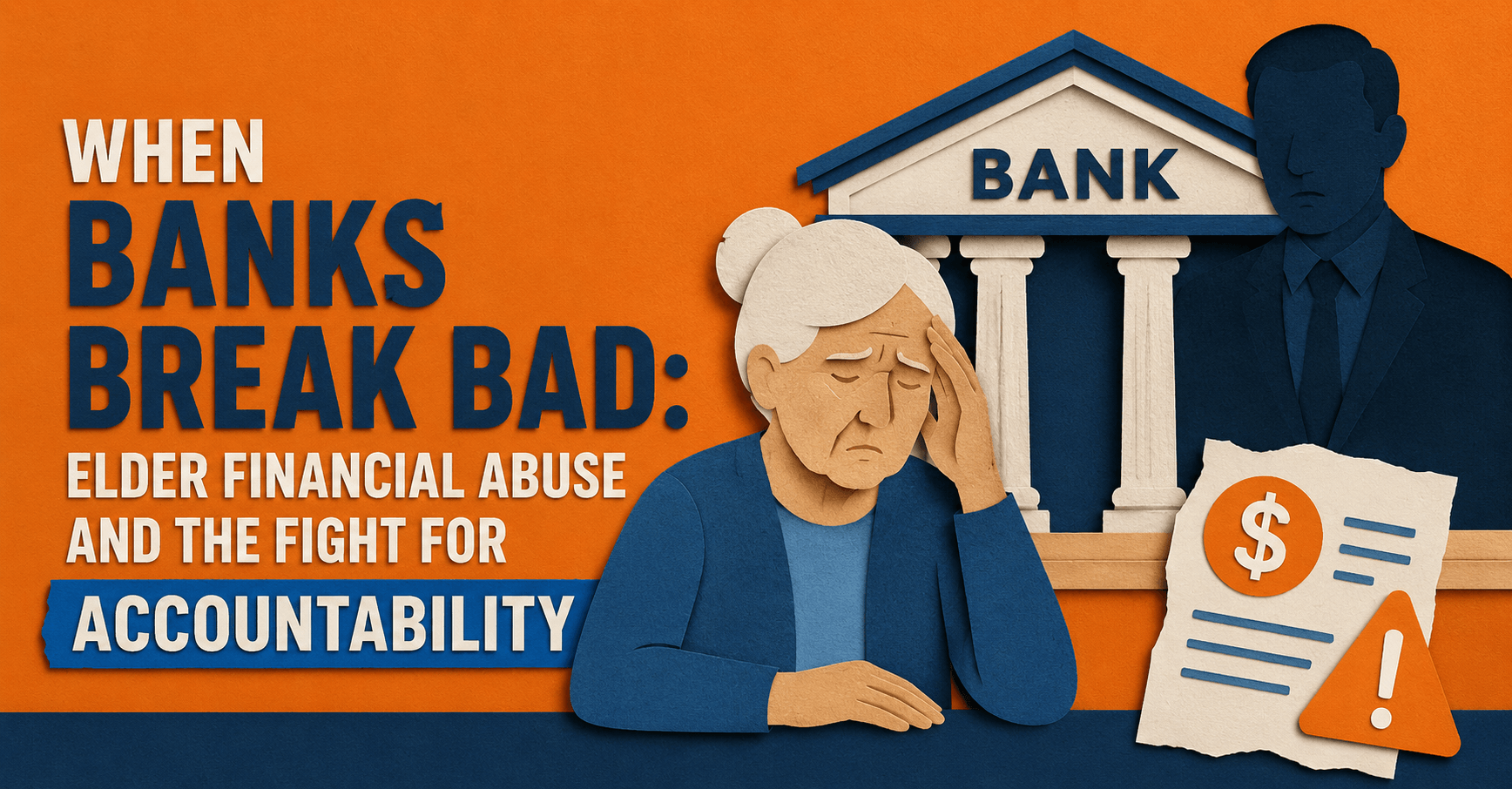
When Banks Break Bad: Elder Financial Abuse and the Fight for Accountability
Introduction
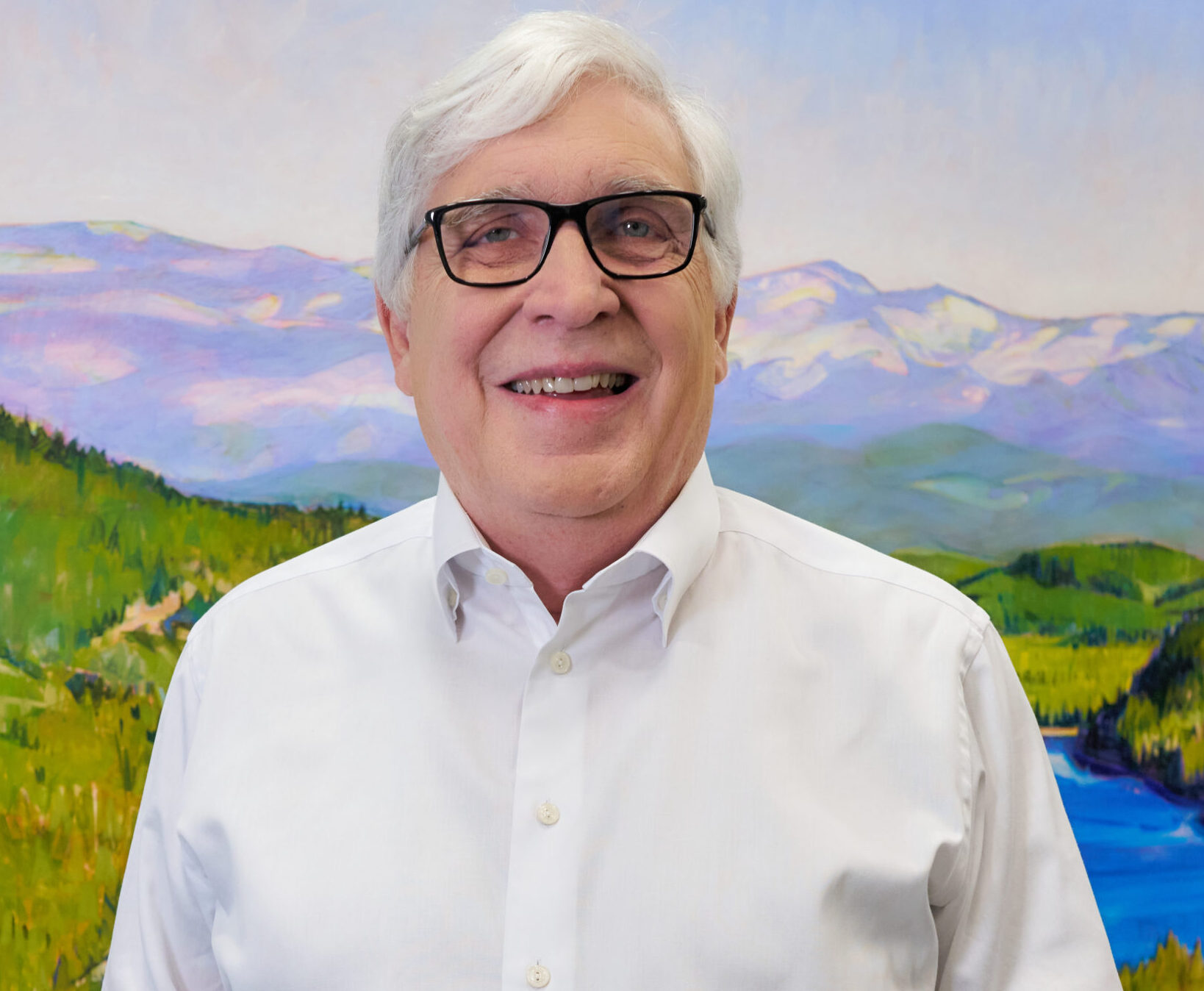
I am Michael Hackard, founder of Hackard Law. Over five decades of practice, I have fought for heirs, beneficiaries, and elder abuse victims whose financial security was stolen by people they trusted – sometimes by the very institutions meant to safeguard their money. I have written four books on inheritance protection and produced more than 1,000 educational videos that have reached over seven million viewers. My firm represents clients throughout California, including Los Angeles, the San Francisco Bay Area, and Sacramento.
The phrase “breaking bad” entered the cultural lexicon through a television drama, but the idiom itself – to go bad, to turn toward wrongdoing – describes something that happens every day in American banking. When banks and their employees break bad, older adults are most likely to suffer. Seniors with accumulated savings, diminished capacity, or simply a lifetime of trust in financial institutions become prime targets for financial predators operating from behind a teller window or a branch manager’s desk.
Hackard Law provides contingency fee representation for qualified elder financial abuse cases – no upfront costs to you. To speak with our team, call (916) 313-3030.
Quick Summary
Banks and individual bank employees have been caught stealing from elderly clients across California and the country, and the financial toll on victims can be devastating.
- Bank misconduct ranges from unauthorized account creation to direct theft from senior clients
- Individual employees have stolen hundreds of thousands to millions of dollars from vulnerable elders
- Both criminal prosecution and civil litigation are available remedies
- California law provides strong protections for elder financial abuse victims
- Hackard Law represents elders and their families in civil elder financial abuse cases throughout California
How Banks Break Bad: Real Patterns of Institutional Misconduct
When it was discovered that thousands of employees had opened millions of unauthorized bank and credit card accounts without the customers’ knowledge or consent, Wells Fargo became a national symbol of institutional decay. Due to behavior connected to this scheme, about 5,300 lower-level employees were fired. The scandal exposed a concerning fact: when a culture of dishonesty develops at the top, it permeates all organizational levels.
But Wells Fargo is not an isolated case. An Oakland bank manager stole more than two million dollars from clients, many of them elderly. He pleaded to five counts of elder theft and was sentenced to twelve years in California state prison. A Washington, D.C. bank teller stole nearly $200,000 from a homeless street vendor, using the money to buy a home and take vacations. In Southern California, a group of eight individuals was indicted for accessing Wells Fargo customer account information, creating fake IDs, and draining accounts across multiple states.
These are not abstract corporate failures. They are crimes committed against real people – people who trusted a financial institution with a lifetime of savings.
Case Pattern: Unauthorized Account Scheme
Over the course of several months, a retired teacher in her seventies noticed mysterious fees on her bank statements. An investigation showed that a branch employee had opened several accounts in her name without permission, earning fees without the client’s knowledge. Following civil litigation, the family was awarded additional damages under California’s laws against elder financial abuse in addition to the money that had been misappropriated.
Who Enforces the Rules – and Where the Gaps Are
When banks go bad as institutions, a range of governmental bodies can step in: state and federal prosecutors, the Federal Reserve, FINRA, the SEC, the Office of the Comptroller of the Currency, and the Consumer Financial Protection Bureau. These agencies provide an important layer of oversight, but they operate at a systemic level. Their remedies are often regulatory – fines, consent orders, policy changes.
For an individual elder who lost savings to a dishonest banker, regulatory action rarely puts money back in their pocket. That is where civil litigation becomes essential. When a bank employee’s conduct crosses into civil wrongdoing – fraud, breach of fiduciary duty, elder financial abuse – private attorneys can pursue recovery in California trial courts on behalf of the victim.
The gap between institutional accountability and individual recovery is real. Governmental oversight can punish a bank. Only civil litigation can restore what was taken from a specific person. For more on California’s civil remedies, including the possibility of double damages and attorney fee recovery, see our resource on civil remedies for elder financial abuse.
Why Elders Are Targeted
Seniors are disproportionately targeted in bank-related financial crimes for reasons that are both practical and predatory. Many older adults have accumulated significant savings. They may be less familiar with digital account monitoring. Cognitive decline can make it harder to detect or report suspicious activity. And a lifetime of trusting institutions – banks, advisors, caregivers – can make it genuinely difficult to imagine that someone in a position of authority would steal from them.
The complete guide to elder financial exploitation outlines how these patterns develop and what warning signs families should watch for. Early recognition matters. The longer a scheme continues, the harder recovery becomes – and the financial toll grows with every passing month.
Case Pattern: Branch Manager Theft Over Time
For years, an elderly widower with substantial savings had trusted the same branch manager. The man’s adult children contacted an attorney after observing irregular withdrawals. Over the course of eighteen months, the manager had been methodically transferring small amounts in the hopes that the pattern would go unnoticed. A recovery from civil litigation included damages in addition to the principal that was stolen.
California Law and Civil Remedies for Victims
California has some of the strongest elder financial abuse statutes in the country. The Elder Abuse and Dependent Adult Civil Protection Act provides a framework for civil claims that goes beyond ordinary fraud. Successful plaintiffs may recover the stolen assets, attorney fees, and in some cases enhanced damages. The law recognizes that elders deserve heightened protection precisely because they are more vulnerable to exploitation.
Hackard Law litigates elder financial abuse cases throughout California, including Los Angeles estate litigation matters and cases in Glendale, Alameda County, Sacramento, and the Bay Area. Whether the wrongdoing occurred at a major national bank or through a single employee’s scheme, the civil remedies available under California law are meaningful – and worth pursuing.
For families in Southern California dealing with financial abuse connected to estate or trust matters, our attorneys also handle estate fraud cases in Los Angeles where bank misconduct intersects with inheritance disputes.
I have stood with families in these fights for decades. Discovery, forensic account analysis, and the pursuit of justice are not just legal strategies – they are safeguards for families threatened by the very institutions that were supposed to protect them. A steadfast commitment to truth restores what dishonesty tried to steal. The fracture that financial betrayal causes often runs too deep for any single judgment to fully mend, but accountability matters, and recovery is possible.
Key Definitions
- Elder financial abuse: The wrongful taking, concealment, or appropriation of an elder’s money or property by any person, including bank employees and institutions.
- Unauthorized account: A bank account or credit card opened in a customer’s name without their knowledge or consent.
- Civil elder abuse claim: A lawsuit brought under California’s Elder Abuse and Dependent Adult Civil Protection Act seeking financial recovery for a victim.
- Enhanced damages: Additional monetary awards available in elder abuse cases beyond the actual amount stolen, sometimes including double damages.
- Fiduciary duty: A legal obligation requiring a person in a position of trust – such as a bank employee managing a client’s account – to act in that person’s best interest.
- Consumer Financial Protection Bureau (CFPB): A federal agency that oversees financial institutions and investigates consumer complaints, including elder financial abuse.
- Criminal prosecution: Government-initiated charges against individuals who commit financial crimes; results in fines or imprisonment but does not directly compensate victims.
- Civil litigation: A private lawsuit brought by or on behalf of a victim to recover stolen funds and seek additional remedies under California law.
- Contingency fee representation: A fee arrangement in which the attorney is paid only if the case is won or settled, with no upfront cost to the client.
- Undue influence: Pressure or manipulation that overcomes a person’s free will, often used alongside financial abuse to control an elder’s financial decisions.
What to Do Next
- Look for unexplained withdrawals, new accounts, or unfamiliar fees on a loved one’s bank statements.
- Get copies of bank records going back at least two to three years if you suspect ongoing misconduct.
- Try to avoid confronting a suspected bank employee directly before speaking with an attorney – this can complicate recovery.
- Look for patterns, not just single incidents; systematic small thefts are often harder to detect but easier to prove once documented.
- Contact your state’s Adult Protective Services if you believe an elder is in immediate financial danger.
- Learn about early legal intervention in elder financial abuse – timing matters significantly in these cases.
- Try to preserve all account statements, correspondence, and records of any contact with bank employees.
- Look into whether the conduct may also involve estate or trust assets, which can expand the scope of recovery.
- Call Hackard Law at (916) 313-3030 to discuss your situation with our team.
- Visit our contact page to reach us online and schedule a consultation.
CALL THE SAGE | When Experience Matters, Families Listen
🏛️ We practice California trust & estate & elder financial abuse litigation
⚖️ We represent heirs, beneficiaries, and elder abuse victims
🎥 1,000+ educational videos | 7 million+ views | 4 published books
🎯 “After thousands of cases, I see the pattern others miss.”
CONTINGENCY REPRESENTATION – No Win, No Fee
Throughout California: Sacramento | Los Angeles | Bay Area
📞 CALL THE SAGE: (916) 313-3030
Subscribe for weekly insights on:
- Elder financial abuse warning signs and prevention
- Trust and estate litigation strategies
- Inheritance protection for California families
- Family protection strategies
When your inheritance is under attack, Call The Sage.
Hackard Law | 10640 Mather Blvd, Mather CA 95655
Attorney Advertisement | Michael Hackard, State Bar #71067
RELATED VIDEOS
All Hat, No Cattle | Elder Financial Abuse Enforcement Issues
Examines the gap between elder financial abuse laws and real enforcement outcomes.
Real-Life Drama | CA Elder Financial Abuse Lawsuits
Walks through actual California elder financial abuse cases and how they unfold in court.
Detecting Elder Financial Abuse | CA Trust Litigation Attorneys
Explains warning signs of elder financial abuse and what California law allows victims to do.
Tips to Fight Elder Financial Abuse | Keep It Juicy!
Offers practical strategies for seniors and families to push back against financial predators.
Elder Financial Abuse | The Battle Starts Now
Outlines how victims and families can take immediate action against elder financial abuse.
Fired Up | What Drives California Elder Financial Abuse Litigation
Explores the motivations and legal tools behind pursuing elder financial abuse cases in California.
 Michael Hackard is the founder of Hackard Law, a California trust and estate litigation firm with more than five decades of experience protecting the inheritance rights of families across Sacramento, the San Francisco Bay Area, and Los Angeles. He is the author of six published books on inheritance protection and has produced more than 1,000 educational videos with over seven million views.