


 (916) 313-3030
Abused Beneficiary Rights in California: What You Can Do When a Trust or Will Is Misused

Who Is an Abused Beneficiary?
I am Michael Hackard, founder of Hackard Law. Over five decades of practice, I have stood beside heirs, beneficiaries, and elder abuse victims who discovered, often too late, that someone had manipulated a trust or will to cut them out or drain what was meant for them. I have written four published books on inheritance protection and produced more than 1,000 educational videos that have reached over seven million viewers. My firm serves clients across California, from Sacramento and the San Francisco Bay Area to Los Angeles, fighting to restore what dishonesty tried to steal.
If you are a beneficiary who suspects something is wrong – a sudden change to a will that makes no sense, a trustee who refuses to account for funds, or assets that seem to have quietly disappeared – you are not imagining it. These patterns are real, and they are actionable.
Hackard Law provides contingency fee representation for qualified cases, meaning there are no upfront costs to you. Call us today at (916) 313-3030 to discuss your situation.
Quick Summary
Beneficiaries in California have enforceable legal rights when a trust or will is misused. Courts take trustee misconduct and suspicious estate changes seriously, and the law provides meaningful remedies for those who act promptly.
- Sudden or unexplained changes to a will or trust are a common warning sign of undue influence or fraud.
- Trustees who mishandle funds or withhold accountings can be held legally accountable.
- California law allows courts to remove trustees, void improper transfers, and award damages.
- Beneficiaries can pursue litigation on a contingency fee basis, removing the financial barrier to justice.
- Acting quickly matters – delay can limit your options under California’s statute of limitations.
Warning Signs That You May Be an Abused Beneficiary
Not every estate dispute is obvious at the start. Many heirs and beneficiaries only realize something is wrong when they receive far less than expected – or nothing at all. The warning signs are often subtle at first.
A will that was rewritten in the final months of a loved one’s life, particularly when a new person entered the picture, deserves close scrutiny. Sudden disinheritance of long-standing beneficiaries, gifts of unusual size to caregivers or new companions, and trust amendments signed during periods of cognitive decline are all patterns that California courts examine carefully. You can read more about the most common probate, trust, and estate battles to understand how frequently these situations arise.
Another significant category is trustee misconduct. A trustee is not carrying out their legal obligations if they refuse to provide an accounting or distribute trust assets to themselves. Or they mix personal funds with trust assets, or just remain silent. Beneficiaries in California are entitled to demand transparency, and courts have the authority to uphold that demand.
Case Pattern: Unexplained Will Change Before Death
A family learns that, only a few weeks prior to death, their parent’s will was altered. Three adult children were to be removed from the will, and everything was to be left to a new acquaintance who had been helping out informally. A successful will contest was made possible by the timing and evidence of the parents’ deteriorating health. The original beneficiaries received their inheritance back.
Your Legal Rights as a California Beneficiary
California law gives beneficiaries real power to challenge abuse. The Probate Code imposes strict fiduciary duties on trustees: loyalty, impartiality, and prudent management. When a trustee violates those duties, beneficiaries can petition the court for an accounting, seek the trustee’s removal, and pursue damages for losses caused by the breach.
For situations involving undue influence or lack of capacity, courts can invalidate trust amendments or entire wills that were the product of manipulation rather than genuine intent. The burden of proof shifts when a presumption of undue influence applies – for example, when a care custodian receives a donative transfer from a dependent adult. Understanding what California beneficiaries can do when a trustee delays distributions without cause is a good starting point for anyone whose distributions have been withheld.
When elder financial abuse is involved, California law provides additional remedies, including the recovery of attorney fees and, in some cases, double damages. These enhanced remedies exist precisely because the legislature recognized how vulnerable seniors are to financial exploitation by those closest to them.
Case Pattern: Trustee Self-Dealing Discovered Through Accounting Demand
A beneficiary noticed that trust distributions had stopped without explanation and that the trustee – a sibling – was unresponsive. After petitioning the court to compel an accounting, records revealed that the trustee had been making unauthorized transfers to personal accounts over several years. The court removed the trustee and ordered full restitution.
The Litigation Process: What to Expect
Trust and estate litigation in California follows a structured path, though the timeline and complexity vary depending on the facts. Understanding the eight stages of trust and estate litigation helps beneficiaries know what lies ahead and why each phase matters.
The process typically begins with gathering documents: the trust instrument, any amendments, financial records, and correspondence. From there, attorneys evaluate the strength of the claims, file petitions in the appropriate probate court, and engage in discovery. Depositions, forensic accounting, and experienced attorney analysis often play a central role in contested matters.
Settlement is possible at many points along the way, and Hackard Law always evaluates whether negotiation or mediation serves the client’s best interests. But when the other side refuses to be reasonable, litigation is the answer. Discovery, forensic analysis, and the pursuit of justice are not just legal strategies – they are safeguards for families threatened by undue influence and fraud.
Contingency Fees and Access to Justice
Fear of legal expenses is one of the main reasons beneficiaries do not pursue valid claims. A common misconception is that trust litigation is exclusive to the wealthy. At Hackard Law, that isn’t the case. For qualified cases, the firm provides contingency fee representation, which means that clients do not have to pay legal fees unless they are successful.
This model levels the playing field. It allows heirs and beneficiaries to stand up against well-funded trustees or manipulative individuals without risking their own financial stability. You can learn more about how this works in our contingency fee guide for California trust and estate litigation.
I have supported families who felt helpless against those in charge of the estate for decades. Over time, the financial cost of losing an inheritance increases, and the rift in family ties is frequently too great for any verdict to heal. This work is important because an unwavering dedication to the truth restores what dishonesty attempted to steal.
Key Definitions
- Beneficiary: A person named in a trust or will to receive assets from an estate.
- Trustee: The individual or institution responsible for managing and distributing trust assets according to the trust’s terms.
- Fiduciary duty: The legal obligation of a trustee to act in the best interests of the beneficiaries, with loyalty and care.
- Undue influence: Pressure or manipulation that overrides a person’s free will when making estate planning decisions.
- Testamentary capacity: The mental ability required to make or change a valid will or trust.
- Trust accounting: A formal record of all trust income, expenses, and distributions that trustees must provide to beneficiaries.
- Will contest: A legal challenge to the validity of a will, typically based on lack of capacity, undue influence, or fraud.
- Donative transfer: A gift of property, including those made through a trust or will.
- Statute of limitations: The deadline by which a legal claim must be filed; missing it can bar recovery entirely.
- Elder financial abuse: The wrongful taking, concealment, or appropriation of an elder’s property or assets, often by someone in a position of trust.
What to Do Next
- Look for any recent changes to the trust or will, especially those made during a period of illness or when a new person entered your loved one’s life.
- Get copies of the trust document and any amendments as soon as possible – beneficiaries generally have the right to receive them.
- Try to avoid confronting the trustee or suspected abuser directly before speaking with an attorney, as this can complicate your case.
- Write down everything you remember – dates, conversations, changes in behavior, and names of people who were present.
- Look into what five things every California trust beneficiary should know before taking any formal steps.
- Try to gather financial records, bank statements, or property documents if you have access to them.
- Consider whether your situation involves a will contest, trustee misconduct, or elder financial abuse – each has different legal paths and timelines.
- Review the Sacramento will and trust contest and Santa Clara will and trust contest pages if you are in those regions and need jurisdiction-specific information.
- Call Hackard Law at (916) 313-3030 to speak with our team about your situation at no upfront cost.
- Visit our contact page to request a consultation and take the first step toward protecting your inheritance.
CALL THE SAGE | When Experience Matters, Families Listen
🏛️ We practice California trust & estate & elder financial abuse litigation
⚖️ We represent heirs, beneficiaries, and elder abuse victims
🎥 1,000+ educational videos | 7 million+ views | 4 published books
🎯 “After thousands of cases, I see the pattern others miss.”
CONTINGENCY REPRESENTATION – No Win, No Fee
Throughout California: Sacramento | Los Angeles | Bay Area
📞 CALL THE SAGE: (916) 313-3030
Subscribe for weekly insights on:
• Elder financial abuse warning signs and prevention
• Trust and estate litigation strategies
• Inheritance protection for California families
• Family protection strategies
When your inheritance is under attack, Call The Sage.
Hackard Law | 10640 Mather Blvd, Mather CA 95655
Attorney Advertisement | Michael Hackard, State Bar #71067
RELATED VIDEOS
Anatomy of Trust Litigation | Protecting Beneficiaries
Breaks down how trust litigation works and what protections beneficiaries have.
Are You a Trust Beneficiary? Know Your Rights
Explains the key legal rights California trust beneficiaries can enforce.
Million-Dollar Questions | Abused Trust and Estate Beneficiaries
Addresses the critical questions abused beneficiaries face in high-stakes disputes.
California Trust & Estate Litigation | Delay Is Not Your Friend
Warns beneficiaries why waiting too long can seriously harm their legal case.
Trust Beneficiary Rights | Fiduciary Responsibility
Covers what trustees owe beneficiaries and how fiduciary duties are enforced.
Who Takes the Lead in Abused Trust Beneficiary Disputes?
Discusses who steps up to represent beneficiaries when a trust has been misused.
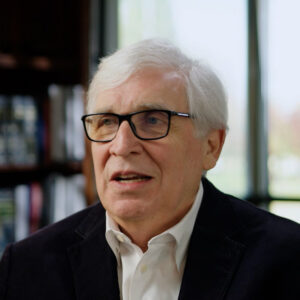 Michael Hackard is the founder of Hackard Law, a California trust and estate litigation firm with more than five decades of experience protecting the inheritance rights of families across Sacramento, the San Francisco Bay Area, and Los Angeles. He is the author of four published books on inheritance protection and has produced more than 1,000 educational videos with over seven million views.