


 (916) 313-3030
Alameda County Elder Financial Abuse and Estate Litigation: Protecting Family Homes

When the Family Home Is at Stake
I am Michael Hackard, founder of Hackard Law. Over my five decades of practice, I have fought for heirs, beneficiaries, and elder abuse victims whose inheritances were taken through fraud, manipulation, and undue influence. I have authored four books on inheritance protection and produced more than 1,000 educational videos that have reached over seven million viewers. My firm serves clients throughout Sacramento, the San Francisco Bay Area, and Los Angeles, and Alameda County is one of the regions where we are most actively engaged.
Alameda County is home to more than 260,000 adults over the age of 65. Alameda County Adult Protective Services receives approximately 400 reports of elder abuse every month. Elder financial abuse ranks among the most common categories reported – and it is frequently the hardest to detect. By the time a family realizes what happened, the elder has often already passed away, and the damage has been done to the estate.
Hackard Law provides contingency fee representation in qualified estate, trust, and elder financial abuse cases – no upfront costs required. If you believe a family member’s estate has been compromised, call us at (916) 313-3030.
Quick Summary
Elder financial abuse in Alameda County frequently goes undetected until after death, at which point estate and trust litigation becomes the primary path to recovery. The family home – with an average market value near $900,000 in the county – is often the central asset in dispute.
- Alameda County APS receives roughly 400 elder abuse reports per month.
- Elder financial abuse is the second most common category reported, after self-neglect
- Family homes are the most frequent subject of estate and trust disputes.
- Undue influence, caregiver manipulation, and fraudulent transfers are common patterns.
- Hackard Law litigates these cases on a contingency fee basis throughout the Bay Area.
Why the Family Home Becomes a Battleground
The average home in Alameda County is valued at nearly $900,000. That number alone explains why real property estate and trust disputes are so hotly debated. Whether through a fraudulent deed, a manipulated trust amendment, or a below-market sale, when an elder’s home passes outside the intended line of inheritance, the financial toll increases rapidly, and the family division is frequently too deep for any ruling to heal.
Hackard Law’s experience in Alameda County estate litigation confirms that a significant share of all estate and trust disputes center on the family home. The home carries both monetary and emotional weight. It is the place where families were raised, where memories were made – and where, too often, financial predators see their greatest opportunity.
Common Patterns of Elder Financial Abuse in Estate Cases
Elder financial abuse takes many forms, but certain patterns appear again and again in Alameda County litigation. Understanding these patterns helps families recognize warning signs before it is too late – and helps courts recognize wrongdoing when cases are litigated.
One pattern involves caregivers who develop close relationships with elderly homeowners suffering from dementia. Over time, the caregiver gains the elder’s trust and eventually convinces them to deed the property over – sometimes for nothing, sometimes for a fraction of its value. By the time the family learns what happened, the transfer may already be recorded.
Another pattern involves a child living in the family home who uses proximity and pressure to have a parent amend their trust. Siblings are cut out. The trust is rewritten so that one person inherits everything. The remaining heirs are left with nothing and no explanation.
A third scenario involves neighbors or acquaintances persuading an elder with Alzheimer’s to sell the family home for a fraction of its market value. The circumstances—the cost, the time, and the elder’s mental state—tell a different story, even though these transactions are dressed up to appear legitimate.
For a closer look at how undue influence operates in California estate law, the resource on undue influence in California estate law provides important background. Families who suspect a caregiver crossed the line from support into control may also find the discussion of when caregiving becomes financial control directly relevant.
Case Pattern: Caregiver Deed Transfer
A woman in her late eighties with advancing dementia lived alone in her Oakland home. A caregiver who had worked for her for less than a year arranged for the elder to sign a deed transferring the home into the caregiver’s name. The elder’s adult children discovered the transfer only after their mother passed away. Litigation focused on the elder’s lack of capacity and the caregiver’s position of dominance – a combination that courts treat with serious scrutiny.
Why Elder Financial Abuse Often Goes Undetected
One of the most difficult aspects of elder financial abuse is that it frequently remains hidden until after the elder has died. The elder may be isolated from family. They may be embarrassed or unaware of what occurred. The person who committed the abuse may be the same person controlling the elder’s communications and daily life.
This delay has real legal consequences. Evidence can disappear. Witnesses’ memories fade. Documents get destroyed. Early legal intervention in elder financial abuse cases can make a significant difference in what is recoverable – both legally and financially.
California law does provide meaningful remedies for elder financial abuse, including the possibility of double damages and attorney fee recovery in cases that meet the statutory standard. Families dealing with these situations should understand what civil remedies for elder financial abuse may be available to them.
Case Pattern: Below-Market Sale to a Neighbor
An elderly man in his mid-seventies, who was diagnosed with early-stage Alzheimer’s, sold his East Bay home to a neighbor for about one-quarter of its appraised value. After building a friendship with the elder for several months, the neighbor arranged the transaction without involving any family members. Following the elder’s passing, his children challenged the sale on the grounds of undue influence and incapacity. The lawsuit focused on the elder’s documented cognitive decline and the low price.
How Hackard Law Approaches These Cases
Hackard Law litigates estate, trust, and elder financial abuse cases throughout the Bay Area, including Oakland estate litigation and matters throughout Alameda County. Michael Hackard and his team bring decades of focused litigation experience to these disputes, with a particular emphasis on cases involving real property, undue influence, and caregiver manipulation.
For heirs, beneficiaries, and elder abuse victims who lack the funds to pursue litigation on their own, contingency fee arrangements can bridge the gap. Under a contingency fee structure, legal fees are tied to the outcome – clients do not pay attorney fees unless there is a recovery. For a full explanation of how this works in trust and estate matters, the contingency fee guide for California estate litigation is a useful starting point.
Contingency fee agreements must be in writing and adhere to California’s ethical and legal requirements. In general, fee percentages apply to all awards, verdicts, judgments, and negotiated settlements. Not all cases are eligible, and past results do not ensure future results.
I have supported families who had nowhere else to go for decades. In addition to being legal tactics, discovery, forensic analysis, and the pursuit of justice serve as protections for families threatened by fraud and undue influence. What dishonesty attempted to steal is restored by an unwavering dedication to the truth.
Key Definitions
- Elder financial abuse: The wrongful taking, concealment, or appropriation of an elder’s money, property, or assets by a person in a position of trust or through fraud or undue influence.
- Undue influence: Excessive persuasion that overcomes a person’s free will and causes them to act against their own interests, often relevant when an elder’s estate documents are changed under pressure.
- Contingency fee: A fee arrangement in which the attorney is paid a percentage of any recovery, with no upfront payment required by the client.
- Deed transfer: A legal instrument that conveys ownership of real property from one person to another; fraudulent deed transfers are a common vehicle for elder financial abuse.
- Trust amendment: A formal change to the terms of a living trust; amendments made under undue influence or when the settlor lacked capacity may be challenged in court.
- Capacity: The legal standard for a person’s ability to understand and make decisions about their property and affairs; cognitive decline can affect capacity.
- Probate court: The court that oversees the administration of estates and resolves disputes over wills, trusts, and related matters; in Alameda County, this is the Alameda County Superior Court.
- Below-market transfer: A sale or gift of property for significantly less than its fair market value, which can be evidence of financial exploitation.
- Adult Protective Services (APS): A government agency that receives and investigates reports of elder abuse, neglect, and exploitation.
What to Do Next
- Look for signs of isolation – if an elder has been cut off from family or friends, that pattern often precedes financial abuse.
- Get copies of any recent trust amendments, deeds, or financial account changes as early as possible.
- Try to avoid confronting the suspected abuser directly before speaking with an attorney, as this can alert them to destroy evidence.
- Look for documentation of the elder’s cognitive condition – medical records, physician notes, and care logs can be critical in litigation.
- Get copies of any recorded deeds through the Alameda County Recorder’s Office to check for recent transfers.
- Try to avoid delays – California has statutes of limitations that can affect your ability to bring claims, and evidence can disappear over time.
- Learn more about what heirs, beneficiaries, and elder abuse victims need to know before pursuing a claim.
- Explore the elder financial exploitation resource for a broader overview of how these cases develop.
- Call Hackard Law at (916) 313-3030 to discuss whether your case qualifies for contingency fee representation.
- Reach out through the contact page to request a consultation with Michael Hackard.
CALL THE SAGE | When Experience Matters, Families Listen
🏛️ We practice California trust & estate & elder financial abuse litigation
⚖️ We represent heirs, beneficiaries, and elder abuse victims
🎥 1,000+ educational videos | 7 million+ views | 4 published books
🎯 “After thousands of cases, I see the pattern others miss.”
CONTINGENCY REPRESENTATION – No Win, No Fee
Throughout California: Sacramento | Los Angeles | Bay Area
📞 CALL THE SAGE: (916) 313-3030
Subscribe for weekly insights on:
- Elder financial abuse warning signs and prevention
- Trust and estate litigation strategies
- Inheritance protection for California families
- Family protection strategies
When your inheritance is under attack, Call The Sage.
Hackard Law | 10640 Mather Blvd, Mather CA 95655
Attorney Advertisement | Michael Hackard, State Bar #71067
RELATED VIDEOS
Elder Financial Abuse | Alameda, Contra Costa & San Francisco
Explores elder financial abuse issues specific to Alameda, Contra Costa, and San Francisco counties.
Estate Theft & Fraud | Alameda County
Examines how estate theft and fraud play out in Alameda County cases.
Establishing Undue Influence & Elder Financial Abuse | CA Trust Litigation
Explains how attorneys prove undue influence and financial abuse in California trust disputes.
Disinherited House Beneficiaries | Bay Area Trust Litigation
Covers the legal options available to Bay Area heirs wrongfully cut out of a home inheritance.
Elder Financial Abuse | Warning Signs | CA Trust Litigation
Walks through the key warning signs that an elder may be experiencing financial abuse.
The Cost of Elder Financial Abuse | California Estate & Trust Litigation
Details the financial and personal toll elder financial abuse takes on victims and their families.
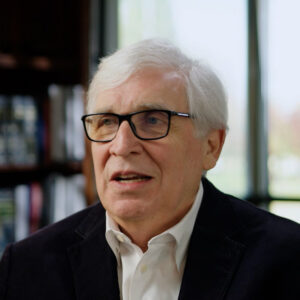 Michael Hackard is the founder of Hackard Law, a California trust and estate litigation firm with more than five decades of experience protecting the inheritance rights of families across Sacramento, the San Francisco Bay Area, and Los Angeles. He is the author of four published books on inheritance protection and has produced more than 1,000 educational videos with over seven million views.