


 (916) 313-3030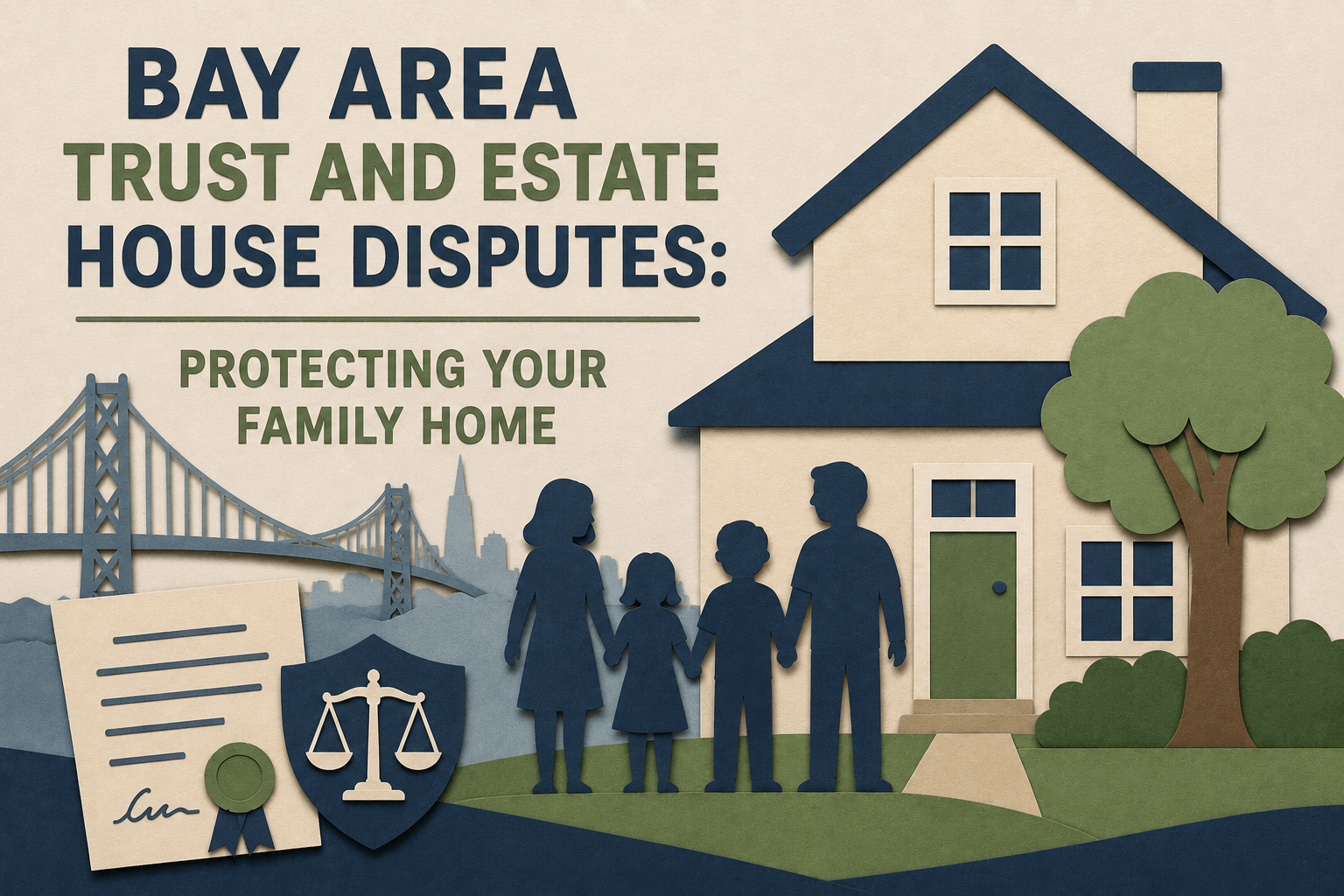
Bay Area Trust and Estate House Disputes: Protecting Your Family Home

I am Michael Hackard, founder of Hackard Law, and over five decades of practice, I have fought for heirs, beneficiaries, and elder abuse victims across California – from Sacramento and the San Francisco Bay Area to Los Angeles. I have authored four books on inheritance protection and produced more than 1,000 educational videos that have reached over seven million viewers. What I have learned through all of those years is that the family home is rarely just a financial asset. It is memory, sacrifice, and legacy held in a deed. Nowhere is that more true than in the Bay Area, where single-family home values have climbed to levels that make residential property the dominant asset in almost every trust and estate dispute I encounter.
The Bay Area is an economic force unlike any other region in the country. Its growth rate over the past three years has run nearly double that of the United States as a whole. When a family home sits inside a disputed trust or estate in Santa Clara, Oakland, or San Francisco, the financial stakes can be staggering – and so can the human cost.
Hackard Law provides contingency fee representation for qualified trust and estate cases, meaning no upfront costs to pursue your claim. To discuss your situation, call us at (916) 313-3030.
Quick Summary
Trust and estate house issues in the Bay Area sometimes revolve around who is legally entitled to a family property, how that title was transferred, and whether the transfer was tainted by fraud, undue influence, or caregiver manipulation.
- Family homes are frequently the largest single asset in a Bay Area trust or estate
- Legal title and equitable title are distinct concepts that determine who controls and who benefits from property
- Undue influence, deathbed transfers, and power of attorney abuse are common triggers for litigation
- Trustees who fail to transfer homes to rightful beneficiaries or fail to charge fair rent can be held accountable
- Heirs and beneficiaries have legal remedies to challenge fraudulent transfers and reclaim what is rightfully theirs
Legal Title vs. Equitable Title: The Foundation of Every House Dispute
Every Bay Area trust and estate house dispute begins with the same question: who owns the property, and in what capacity? Legal title is the documented name of the property owner in public records, typically evidenced by a deed. When a home is placed into a trust, the trustee holds legal title – but that authority is not unlimited.
The trustee is bound by the terms of the trust and may only transfer or manage the property as those terms allow.
Equitable title is a different matter entirely. It refers to the right to enjoy and benefit from the property. In a trust, equitable title belongs to the beneficiaries. The trustee holds the home for their benefit, not for personal gain. When trustees blur that line – using trust property as if it were their own, refusing to transfer it to rightful heirs, or allowing a favored occupant to live rent-free – they breach their fiduciary duty.
Understanding this distinction is essential before any litigation strategy is built. You can learn more about how real estate battles unfold in trust litigation and the legal tools available to beneficiaries who have been shut out.
How Bay Area Family Homes Become Disputed
The path from a family home to a courtroom fight is rarely straightforward. It usually involves a vulnerable elder, a person in a position of trust, and a transfer that happened quietly – often just before death.
Hackard Law has handled Bay Area cases involving each of the following patterns: elders amending trusts due to undue influence; caregivers engineering deathbed transfers; addicted or dependent adult children cutting siblings off from contact with a dying parent; outright fraud in the execution of a deed or trust amendment; trustees refusing to transfer homes to the beneficiaries named in the trust; trustees allowing occupants to live in trust-owned property without paying fair market rent; and attorneys who failed to meet independently with a vulnerable elder before drafting or amending an estate plan.
Case Pattern: A Bay Area Trust Amended Under Caregiver Pressure
Shortly before she passed away, an elderly homeowner with deteriorating cognitive health made important changes to her trust, transferring her family home to her live-in caregiver. In the last months of her life, her adult children had been progressively cut off from her. Following her passing, the family contested the change on the grounds of incapacity and undue influence. The house was returned to the original beneficiaries once the matter was settled.
These are not isolated incidents. They reflect a pattern that plays out across the Bay Area wherever high home values, aging owners, and opportunistic individuals intersect. Families dealing with similar situations can review common probate, trust, and estate battles to understand where their dispute may fit.
Undue Influence and Fraudulent Transfers in Bay Area Estate Cases
Elderly people are especially susceptible to deception under California law. When someone in a position of authority over an elder replaces the elder’s free will with their own desires, this is known as undue influence. This frequently manifests in estate and trust matters as a beneficiary change that favors the influencer at the expense of the legitimate heirs, a deed transfer, or a trust amendment.
Fraudulent transfers go a step further. These involve the deliberate movement of property – including real estate – to defeat the claims of beneficiaries or creditors. When a family home is transferred out of a trust through fraud, California law provides remedies to reverse that transfer and restore the asset to its proper place.
Michael Hackard has built Hackard Law’s Bay Area practice around identifying these transfers early and pursuing them aggressively. The Santa Clara estate litigation practice covers the full range of these disputes across the Bay Area, including will and trust contests handled through the Santa Clara will and trust contest practice.
Case Pattern: Deed Transfer to a Joint Tenant
After months of daily help from the neighbor, an elder added the neighbor as a co-tenant on his home’s deed. Only after their father passed away and the neighbor asserted complete ownership through survivorship did his children learn of the transfer. The family filed a lawsuit alleging elder financial abuse and improper influence. The house was returned to the estate after the court ruled in the family’s favor.
Trustee Failures That Put Family Homes at Risk
Not every Bay Area house dispute involves an outside manipulator. Some of the most damaging situations arise from trustees who simply fail to do their jobs – or who actively favor one beneficiary over others.
A trustee who refuses to transfer a family home to the named beneficiaries after the trust becomes irrevocable is breaching a core fiduciary duty. Equally problematic is the trustee who allows a sibling or other occupant to live in a trust-owned home without paying rent, effectively depleting the trust’s value at the expense of other beneficiaries. Hackard Law litigates both types of failures across the Bay Area, including in Alameda County and the broader East Bay region.
For families navigating trustee misconduct, understanding how to choose the right probate lawyer can be a critical first step. Contingency fee options for Bay Area trust disputes are also available, as outlined in our contingency fee representation guide.
Why Focus on Bay Area House Disputes Matters
I’ve spent years honing Hackard Law’s expertise on trust and estate house conflicts in the Bay Area, which has improved our capacity to recognize the trends that result in litigation and the tactics that end it. In addition to being legal tactics, discovery, forensic analysis, and the pursuit of justice serve as protections for families under threat from fraud and undue influence.
The financial toll grows with every month a disputed home sits in limbo. The fracture between siblings and family members often runs too deep for any judgment to mend. A steadfast commitment to truth restores what dishonesty tried to steal. For decades, I have stood with families across the Bay Area who were told the home was gone, the deed was signed, the trust was final – and I have helped them fight back. If that is where you find yourself, I want to hear your story.
Key Definitions
- Legal title: The documented ownership of property recorded in public records, typically shown on a deed in the grantee’s name.
- Equitable title: The right to benefit from and enjoy property, held by trust beneficiaries even though the trustee holds legal title.
- Trustee: The person or entity holding legal title to trust property and managing it according to the trust’s terms for the benefit of beneficiaries.
- Undue influence: Pressure or manipulation that substitutes another person’s will for the elder’s own free will in making estate planning decisions.
- Fraudulent transfer: The movement of property, including real estate, to defeat the legitimate claims of heirs, beneficiaries, and elder abuse victims.
- Deathbed transfer: A transfer of property or trust amendment made shortly before the grantor’s death, often scrutinized for capacity and undue influence.
- Power of attorney abuse: Misuse of a legal authority granted to an agent to manage an elder’s finances or property, often resulting in unauthorized transfers.
- Fiduciary duty: The legal obligation of a trustee to act in the best interests of the trust beneficiaries, not in their own interest.
- Joint tenancy: A form of co-ownership where the surviving owner automatically inherits the deceased owner’s share, sometimes used to circumvent estate plans.
- Caregiver exploitation: Financial manipulation of a vulnerable elder by a person providing care, often resulting in improper transfers of property or changes to estate documents.
What to Do Next
- Look for any recent changes to a trust, deed, or power of attorney that occurred while your loved one was ill or dependent on a caregiver.
- Get copies of the recorded deed for the family home to confirm who currently holds legal title.
- Try to avoid destroying or discarding any documents, emails, or text messages related to the property or estate plan.
- Look for evidence of isolation – instances where a caregiver or other person limited your access to your family member near the end of their life.
- Get copies of the trust document, including any amendments, and compare them to earlier versions if available.
- Look for signs that the elder lacked capacity when a transfer or amendment was made – medical records can be critical.
- Try to avoid confronting the trustee or opposing party directly before speaking with an attorney, as this can complicate your legal position.
- Reach out to Hackard Law to discuss your situation – the Michael Hackard bio page provides background on our approach to these cases.
- Call Hackard Law at (916) 313-3030 to speak with our team about your Bay Area trust or estate house dispute.
- Visit our contact page to request a consultation online.
CALL THE SAGE | When Experience Matters, Families Listen
🏛️ We practice California trust & estate & elder financial abuse litigation
⚖️ We represent heirs, beneficiaries, and elder abuse victims
🎥 1,000+ educational videos | 7 million+ views | 4 published books
🎯 “After thousands of cases, I see the pattern others miss.”
CONTINGENCY REPRESENTATION – No Win, No Fee
Throughout California: Sacramento | Los Angeles | Bay Area
📞 CALL THE SAGE: (916) 313-3030
Subscribe for weekly insights on:
- Elder financial abuse warning signs and prevention
- Trust and estate litigation strategies
- Inheritance protection for California families
- Family protection strategies
When your inheritance is under attack, Call The Sage.
Hackard Law | 10640 Mather Blvd, Mather CA 95655
Attorney Advertisement | Michael Hackard, State Bar #71067
RELATED VIDEOS
A House Divided | Bay Area Beneficiary Trust Disputes
Explores how Bay Area beneficiaries navigate trust disputes centered on family homes.
How Bay Area Trust Beneficiary House Disputes are Million-Dollar Mashups
Breaks down why Bay Area home values turn trust disputes into high-stakes legal battles.
Key Tips to Fight Wrongful House Transfers | CA Estate & Trust Litigation
Practical guidance for challenging fraudulent or improper transfers of a family home.
What Happened to Mom & Dad’s House? | CA Estate & Trust Litigation
Examines how family homes disappear from estates through manipulation and improper transfers.
Real Estate Battles in Trust Litigation: Partition, Eviction & Sale Disputes | Michael Hackard
Covers the legal fights over selling, partitioning, or evicting occupants from trust property.
If a Trustee Won’t Sell House to Distribute CA Trust Proceeds | A Bird’s-Eye View
Explains what beneficiaries can do when a trustee refuses to sell the trust home.
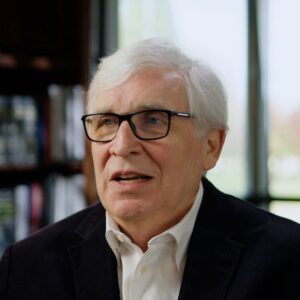 Michael Hackard is the founder of Hackard Law, a California trust and estate litigation firm with more than five decades of experience protecting the inheritance rights of families across Sacramento, the San Francisco Bay Area, and Los Angeles. He is the author of six published books on inheritance protection and has produced more than 1,000 educational videos with over seven million views.