


 (916) 313-3030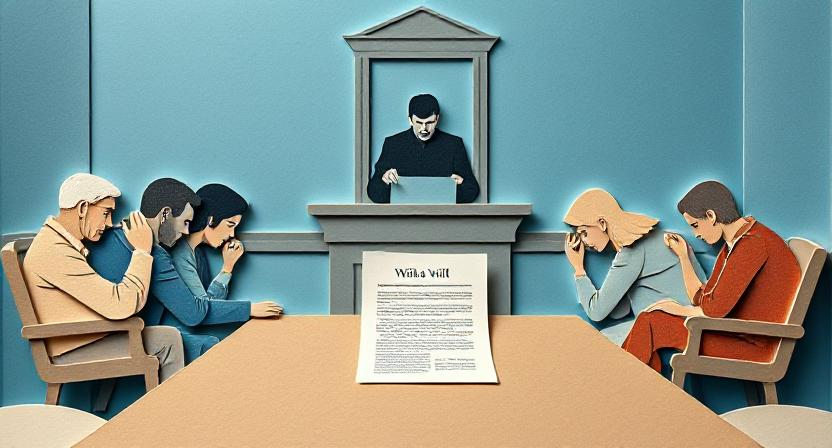
Conflicts Over Inheritance: Why Family Disputes Run Deep

What happens when grief collides with years—sometimes decades—of unspoken family conflict? The passing of a loved one can unite families in shared remembrance, but it can also reignite old wounds, turning what should be a straightforward legal process into emotionally charged conflicts over inheritance. While the immediate dispute may focus on asset distribution or the validity of a will, the underlying tensions typically run deeper, shaped by sibling rivalries, historical resentments, and perceived unfairness that have simmered over time.
If you or someone you know is entering this world of inheritance disputes, it’s essential to understand that estate litigation isn’t merely about reading a will or dividing property. It’s often about healing (or further fracturing) longstanding family bonds. Below, we’ll break down why estate litigation stirs so many emotions, illustrate common conflict scenarios, and provide actionable advice for approaching this process with both legal savvy and emotional clarity.
Why Estate Litigation Is So Emotionally Charged
The Past Resurfaces
Family relationships aren’t formed in a vacuum; they’re forged over years of shared experiences—birthdays, holidays, quarrels, reconciliations, or the lack thereof. When a parent or close relative dies, these layered histories don’t dissolve. If anything, they intensify. Inheritance disputes become the new battlefield on which old fights continue. Let us explore a few common examples together, such as:
-
Examples:
- Strained sibling relationships: Two sisters who rarely spoke might suddenly find themselves co-executors, forced to make decisions together about the family home.
- Childhood favoritism: A son who felt overshadowed by an overachieving sibling might be triggered if that sibling inherits a larger share.
- Feelings of neglect: If one child provided most of the caregiving during a parent’s illness, they may believe they deserve more.
In many respects, estate litigation is rarely just about a conflict that arose at the reading of a will—it’s a reflection of unresolved family dynamics that have a fresh outlet in the estate process.
Perceived Fairness vs. Legal Fairness
When it comes to distributing assets, the law aims to follow the decedent’s documented intentions—be that through a will, trust, or statutory guidelines if no valid plan exists. But “legal fairness” can diverge significantly from how family members interpret moral or emotional fairness.
- Emotional Fairness: A child who provided daily care for a parent may feel entitled to a larger share, or a child who sacrificed career opportunities might argue that they should be compensated for their time and effort.
- Legal Fairness: The will (assuming it’s valid) might simply divide everything equally among siblings, ignoring personal contexts. Or a trust might outline specific instructions that have little to do with emotional history.
This gap between “what the law says” and “what feels just” stokes the flames of estate litigation. People aren’t merely contesting documents; they’re contesting a perceived endorsement of family relationships they believe are out of balance.
Unexpected Estate Surprises Lead to Betrayal
Few events can spark suspicion and resentment more than discovering last-minute changes to a will or trust. Suppose a caretaker, distant relative, or new romantic partner appears in the final months of a loved one’s life, only to be named the primary beneficiary. Family members often wonder:
- Was the person pressured or coerced into signing new documents?
- Did they fully understand the changes made, especially if they had cognitive decline?
- Why didn’t they tell anyone about it beforehand?
In some cases, a loved one might have had every reason to change their estate plan. But the abruptness and secrecy often signal potential misconduct. If that suspicion is strong enough, conflicts over inheritance become almost inevitable—pitting family members and the alleged influencer in a legal (and emotional) struggle.
Estate planning isn’t just about dividing assets—it’s about preventing chaos before it begins. In this insightful video, Michael Hackard shares practical tips for disaster prevention, helping families avoid costly legal battles and emotional strain.
When Estates Turn into Emotional Battlefields
Hidden Grievances Come to Light
Estate litigation can quickly transform a calm family gathering into a tense standoff where old grudges, unspoken jealousy, and perceived slights spill out. Imagine siblings forced to negotiate how to split the proceeds from a family business. If one sibling felt overshadowed, or if another sibling thinks they carried the brunt of caregiving duties, these unexpressed grievances explode when tangible assets are on the line.
Case in Point:
Take two brothers, Alex and James. Alex lived near their ailing mother, handling medical appointments and daily support, while James pursued a high-flying career abroad. When the mother passes away, her will divides the estate equally. Alex is furious—he believes he sacrificed his personal life for their mother and deserves more. James insists their mother’s intention was to treat them equally. What starts as one of many conflicts over inheritance quickly morphs from a question of legal distribution to a personal conflict about recognition, sacrifice, and fairness.
Extended Family Dramas
While sibling disputes are most common, estate litigation can also rope in half-siblings, step-parents, cousins, or others who believe they have a legitimate stake in the inheritance. This broader web amplifies tension: more personalities mean more alliances, more potential for suspicion, and more complicated emotional undercurrents.
Step-Parent Challenges:
Blended families present unique complexities. A surviving stepmother or stepfather might have certain legal rights or be left with limited assets. Adult children might perceive them as an “outsider” who took advantage of their parent. The stepparent may argue that they were the primary caretaker, deserving a larger share. These dynamics often spark conflicts over inheritance, as both sides come to the table with emotional justifications that law alone cannot fully reconcile.
But conflicts over inheritance today aren’t limited to traditional family tensions or physical assets. In the digital age, families are also navigating disputes over cryptocurrency, NFTs, and online financial holdings. The unfamiliarity of these assets—and the potential for manipulation—can deepen existing mistrust or spark entirely new conflicts.
For a closer look at how estate litigation is evolving to address digital fraud and crypto-based disputes, explore this feature from Hackard Law:
Cryptocurrency Inheritance Heists – Michael Hackard Featured on Ted Danson’s Advancements
How Can You Navigate Estate Litigation With Clarity?
If your family is on the brink of a dispute—or already embroiled in one—how do you move forward without succumbing to the emotional whirlpool? Here are some practical and emotional strategies:
Seek Legal Counsel Early
Emotions aside, estate litigation is a specialized field. Consulting an experienced estate litigation attorney prevents impulsive moves based purely on anger or grief. A lawyer can:
- Clarify your legal standing (Do you have grounds to contest the will? Are you entitled to certain assets?).
- Outline timelines and procedures for mediation or court challenges.
- Provide an objective viewpoint, ensuring you don’t jeopardize your position through rash actions or statements.
Gather Documentation
Estate disputes are resolved on the strength of evidence. Old wills, prior trust documents, medical records (particularly relevant for mental capacity issues), emails indicating a person’s intentions—these can all be decisive. In conflicts over inheritance, if you suspect undue influence, compile any communications that hint at manipulative tactics, such as isolation or sudden changes in your loved one’s living arrangements.
Consider Mediation First
Not every estate conflict must end in a courtroom. Mediation offers a private, often quicker resolution path. A neutral mediator helps each party express their concerns—be they purely financial or deeply emotional. While some see mediation as a compromise, it can drastically reduce legal costs and preserve relationships that might otherwise be irreparably damaged.
-
How it Helps:
- Encourages open dialogue: Everyone gets a chance to voice their perspective.
- Less adversarial: Fosters a collaborative mindset rather than a win-lose scenario.
- Retains confidentiality: Court filings are public; mediation can remain private.
Prepare for Emotional Challenges
Engaging in estate litigation can be stressful and prolonged. Feelings of grief over the deceased blend with anger toward relatives or suspicion about caretakers. This emotional cocktail can erode mental well-being if left unchecked.
-
Practical Tip:
- Seek out a mental health professional—therapist, counselor, or even a support group—for those grappling with the strain of estate disputes. Family therapy sessions might help siblings or close relatives communicate more effectively, preventing misunderstandings from fueling the legal conflict.
Recognize That Closure Takes Time
Even when the court case ends—through a settlement or judgment—emotions don’t neatly vanish. Be prepared for the possibility that estate litigation can permanently alter family dynamics, for better or worse. Strive to keep lines of communication open with relatives you care about, aiming for respectful interaction, even if full reconciliation seems unlikely.
What Happens if There Was No Will?
While it is easy to understand the conflicts that could arise between family members over the deceased’s will, what if there is no will? When someone dies without a will in California, their estate passes through a legal process called “intestate succession.”
The court appoints an administrator and distributes all assets strictly to closest living relatives. The state dictates who gets what, often resulting in prolonged probate and heightened family disputes. Under California Probate Code § 6400 through 6414, assets are categorized and distributed based on this specific hierarchy:
- Surviving Spouse or Registered Domestic Partner: They receive all community property and a major share of separate property.
- Children: If there is a spouse, the children receive a portion of separate property. If there is no spouse, children split the entire estate equally.
- Grandchildren: If a child is deceased, that person’s share passes to their children, the deceased’s grandchildren, through the legal concept of “right of representation.”
- Parents and Siblings: If there is no spouse and no children, the estate goes to the parents. If parents are not living, it is distributed to siblings.
- Other Relatives: If none of the above are alive, the estate moves to grandparents, aunts, uncles, or cousins.
- The State of California: If no legal heirs can be located, the estate defaults to the state.
Without a legally binding will, the absence of clear instructions often triggers intense family friction. Family members may argue over who should be appointed as the estate’s personal representative or have conflicts about “community” and “separate” property.
Distinguishing between what belongs solely to the deceased and what was acquired during the marriage can be fiercely contested. In fact, under California intestate law, unmarried partners and stepchildren have no automatic legal right to inherit unless formally adopted.
Real-Life Illustrations: Echoes of Family Conflict
A Shocking Will Revision
Mary passes away unexpectedly. Her adult children discover an updated will leaving most assets to a new romantic partner. The children suspect undue influence. They never saw a close bond forming—why would their mother drastically alter her estate? In the legal battle, evidence emerges that Mary was lonely and under heavy emotional pressure to rewrite her will. The litigation delves into not just the new partner’s motivations, but Mary’s mental capacity and emotional state at the time.
Sibling Caregiver vs. Sibling Breadwinner
Jane spent a decade living at home, caring for her father with dementia, while her brother, Tom, lived abroad, building a successful career. The father’s will left everything evenly split. On reading it, Jane feels betrayed; she invested her time, effectively giving up her personal life. She decides to contest the will, claiming her father verbally promised her the family home. Tom, equally insistent that the will is fair, stands his ground. These conflicts over inheritance bring long-buried tensions to the surface. The case ends up in mediation, where an arrangement is reached: Jane gets the home, while Tom inherits additional financial assets. While the arrangement solves the inheritance puzzle, the emotional scars from years of unspoken resentment remain.
Estate Planning Essentials That Limit Family Disputes Over Inheritance
To prevent family disputes over inheritance, prioritize absolute clarity and transparency. Utilize explicit documentation like a Revocable Living Trust, coordinate all your Beneficiary Designations, and communicate your intentions openly while you are still alive to avoid unexpected surprises. Follow these essential strategies to help bypass common emotional, legal, and financial landmines:
Document Assets and Establish Clear Trusts
Start by setting up a Revocable Living Trust. Unlike a will which becomes a public matter through the Probate process, a trust keeps asset distribution private and allows you to dictate precisely how and when heirs receive their share.
Avoid vague terms like “divide equally” to significantly curtail bickering. Create a tangible personal property memorandum listing specific sentimental items, jewelry, or art and who gets them and add a “No-Contest Clause.” Also known as an in terrorem clause, this states that if a beneficiary challenges your will or trust and loses, they forfeit their entire inheritance. This highly effective deterrent discourages frivolous, emotion-driven litigation
Appoint Impartial Administrators
Naming one sibling over another to manage the estate could unintentionally fuel perceived favoritism or sibling rivalry. Consider appointing an impartial third party, such as a professional fiduciary, bank trust department, or a trusted family friend, to execute the plan. Remember to detail exactly how much the executor or trustee would be paid for their time and labor, preventing arguments over “excessive” estate management fees.
Coordinate Non-Probate Assets
Assets like 401(k)s, IRAs, and life insurance policies transfer directly to the named beneficiaries, completely bypassing your will or trust. Regularly review these designations to ensure they align perfectly with your overall estate strategy to prevent accidental disinheritance.
Proactive and Transparent Communication
Because the “why” matters greatly in conflicts over inheritance, it is critical to hold a family meeting to explain the reasoning behind your decisions, especially if the distribution is unequal or involves a family business. When beneficiaries understand why a decision was made, they are less likely to assume they were cheated.
Plan for Unique Family Dynamics
Preparing a plan for unique family dynamics, like second marriages or blended families, is also essential. Consider a Qualified Terminable Interest Property (QTIP) Trust to provide for your surviving spouse during their lifetime, while ensuring the remaining assets eventually pass to your own children.
For dependents with disabilities, set up a Special Needs Trust to protect their inheritance without jeopardizing their government benefits, or for beneficiaries with substance abuse issues, utilize discretionary trusts so a trustee can control fund disbursement.
Final Thoughts on Estate Litigation and Family Conflict
Estate litigation is rarely just about money. While assets are the visible stakes, the real conflicts often stem from old wounds, perceived favoritism, or the desire for recognition. When an estate is contested, it can feel more like a battle over love and legacy than over legal documents.
Key Takeaways:
-
Acknowledge Emotions: These disputes are often fueled by family history. Recognizing the emotional undercurrents can help approach the situation with empathy.
-
Don’t Delay Legal Help: An estate litigation attorney brings clarity, separating emotion from fact while guiding your case.
-
Keep Records: A solid paper trail strengthens your position, whether you’re challenging or defending an estate.
-
Consider Mediation: When possible, mediation offers a less combative and more cost-effective alternative to court.
-
Support Matters: These cases are emotionally draining. Therapy or a strong support network can help maintain your well-being.
Bring Us Your Family Disputes Over Inheritance for Resolution
If you or a loved one is facing conflicts over inheritance, don’t navigate it alone. With the right legal support, you can move toward resolution while protecting both your assets and your peace of mind. Hackard Law’s team is here to help.
In estate litigation, the law is just one side of the equation—the family behind the case is the other. We are your high-stakes estate and trust disputes attorneys. So, when you do not know where to turn for help, schedule your free consultation to learn more risk-free. If we do not win your case, we do not make you pay.