


 (916) 313-3030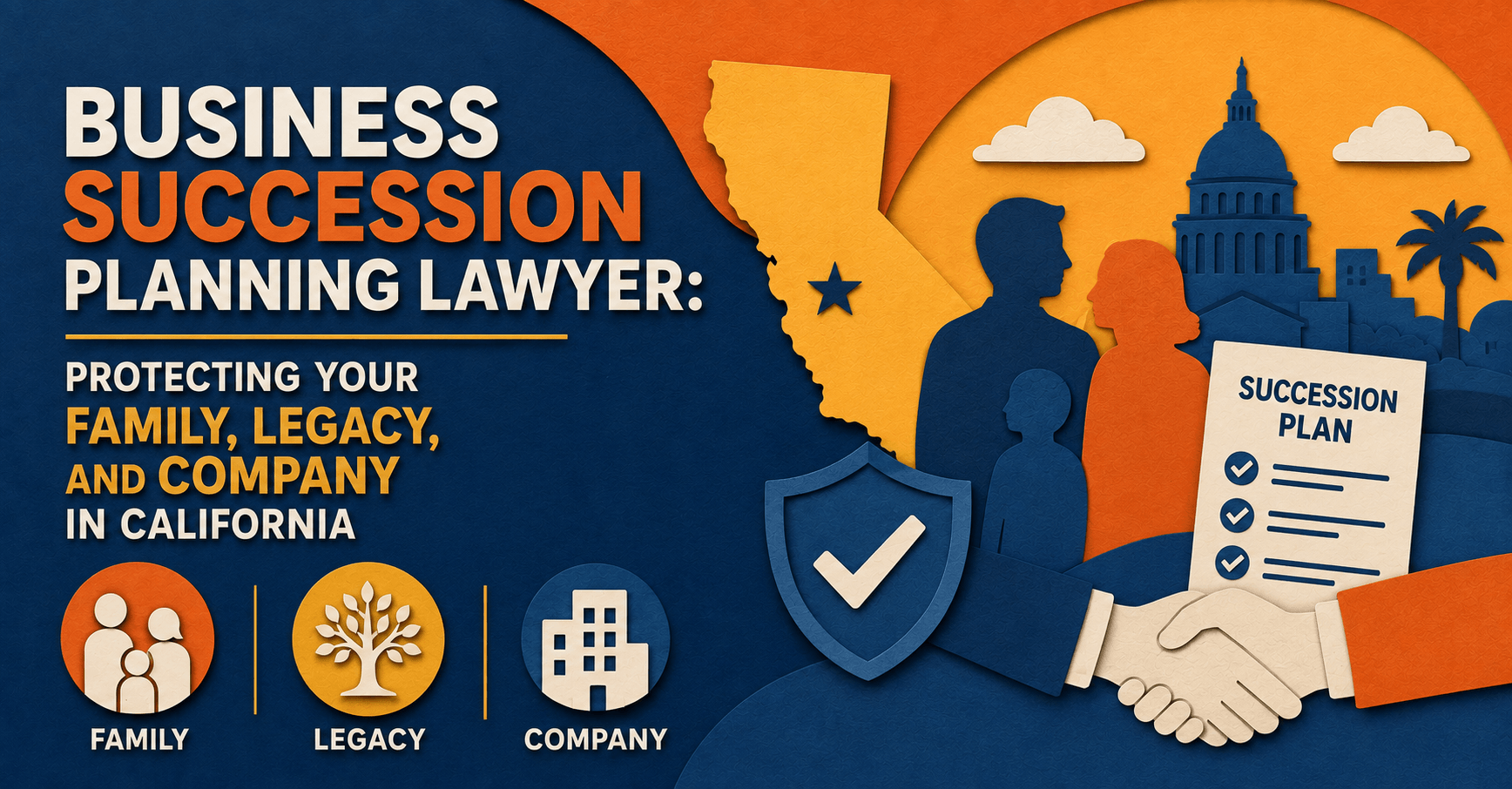
Business Succession Planning Lawyer: Protecting Your Family, Legacy, and Company in California

Why Succession Planning Is a Family Decision, Not Just a Legal One
I’m Michael Hackard, founder of Hackard Law. Over five decades of practice, I have fought for heirs, beneficiaries, and elder abuse victims across California – from Sacramento and the San Francisco Bay Area to Los Angeles. I have authored four published books on inheritance protection and produced more than 1,000 educational videos that have reached over seven million viewers. Through all of that work, one truth has remained constant: the decisions business owners make about succession shape not just their companies, but the families who depend on them.
Business owners pour years – sometimes entire lifetimes – into building something that lasts. But when it comes to what happens next, many find themselves uncertain. Not because they haven’t thought about the future, but because the stakes reach far beyond balance sheets. They involve family, legacy, and the people you care about most. A business succession planning lawyer helps bring clarity to those stakes before conflict forces the issue.
Hackard Law offers contingency fee representation for qualified cases – meaning no upfront costs to get started. To discuss your situation, call us at (916) 313-3030.
Quick Summary
Business succession planning is one of the most consequential decisions a California business owner can make, and the right legal guidance protects both the company and the family behind it.
- A succession lawyer defines ownership, voting rights, and transfer conditions to prevent disputes.
- Fairness among heirs – especially when only one child works in the business – requires thoughtful legal structure, not just equal division.
- Without a plan, a business may be frozen in probate, threatening employees, clients, and contracts.
- Planning for divorce, illness, or disagreement among heirs prevents crises before they start.
- Early planning means clarity and intention, not urgency and conflict.
Defining Ownership Before It Becomes a Dispute
Who owns what is one of the first, surprisingly straightforward issues a succession lawyer answers. Who owns the shares? Who is eligible to vote? Under what circumstances is it possible for a family member to sell their interest? Even close families may have difficulties upon the death or departure of a business owner if there are no legally binding responses.
I have seen operations stall and ownership become bitterly contested when these questions were left open. A well-drafted succession plan creates structures that leave no room for competing interpretations. That clarity is not just a legal safeguard – it is a gift to the people who will carry the business forward.
Poor drafting is one of the most common reasons families end up in court. When documents fail to anticipate real-world scenarios, litigation often follows. Understanding how poor drafting by an estate planning lawyer leads to courtroom battles is part of why getting the structure right from the beginning matters so much.
Case Pattern: Ownership Left Undefined
A business owner from California died without a buy-sell agreement or a trust that held the company’s interest. Each of the three adult children gave a different explanation of what they were entitled to. While the family contested control, the company was essentially put on hold for months. All of those issues could have been managed before they escalated into a catastrophe if a succession plan had been created years earlier.
Fairness Among Heirs When One Child Runs the Business
Equal division is rarely the result of fair succession planning. Treating two children equally on paper when one has worked for the company for twenty years, and the other has developed a different career can damage the business and cause animosity on all fronts.
Thoughtful succession strategy separates ownership from management, uses trusts to hold interests, and balances inheritances through life insurance or non-business assets. The goal is an outcome that feels fair to every family member – not one that simply looks equal on a spreadsheet.
Open communication about these decisions is often as important as the legal documents themselves. Families that discuss succession openly tend to navigate transitions with far less conflict. Estate planning communication is a dimension of succession planning that lawyers too often overlook, and it is one that Hackard Law takes seriously.
Keeping the Business Out of Probate
When a business is held in an individual’s name, and that person passes away, the company may be frozen during probate. That means delays, uncertainty, and real harm to employees, clients, and existing contracts. The business does not pause while the legal process unfolds – but the owner’s ability to direct it does.
A succession attorney creates systems that stop this from happening. Corporate succession plans, trusts, and multi-member LLCs keep the company running smoothly and out of legal trouble. Although the premise of these tools is straightforward, they require careful drafting and a thorough understanding of how California probate law relates to business ownership.
For families already navigating a probate dispute involving a business interest, understanding the full scope of Sacramento County probate litigation can clarify what options remain available.
Case Pattern: Business Frozen in Probate
In California, a family-run contracting business abruptly lost its major owner. The business entered probate right away because it was solely held in his name. Before any distribution could take place, important contracts expired, a veteran employe departed for a rival company, and the family had to spend fourteen months settling ownership. Operations would have continued from the beginning if the business interest had been held by a trust.
Planning for What Families Don’t Want to Discuss
Succession planning requires honest conversations about scenarios no one wants to imagine. What if an heir divorces and a former spouse gains an interest in the company? What if the designated successor becomes seriously ill? What if family members simply disagree about the company’s future direction?
A succession lawyer helps families plan for each of these realities with tools that protect ownership and preserve stability. Buy-sell agreements, spendthrift provisions in trusts, and clear decision-making frameworks give families a roadmap when circumstances change – and circumstances always change.
Beneficiaries who later find themselves in a dispute over distributions or management decisions have legal options. Understanding what California beneficiaries can do when a trustee delays distributions without cause is one piece of a larger picture that good succession planning is designed to prevent from ever becoming relevant.
Preparing the Next Generation and Protecting Non-Family Stakeholders
Succession planning is not only about legal documents – it is about preparing the people who will carry the business forward. Many business owners want to pass on not just a company, but a sense of purpose and stewardship. That may mean creating a leadership development plan, setting performance benchmarks for successors, or incorporating professional managers during the transition period.
Longtime employees, trusted advisors, and key partners are often the backbone of a business’s continued success. A solid succession plan acknowledges these individuals, establishes continuity, and protects the relationships that sustain the company. When communication is handled well, transitions inspire confidence rather than uncertainty.
For families with complex digital assets or online business components, securing digital inheritance is an increasingly important part of a complete succession strategy.
The Emotional Side of Letting Go
For decades, I have stood with families facing some of the most difficult transitions of their lives. Letting go of a business – even gradually – can feel like redefining part of your identity. A good succession lawyer understands this and works at a pace that respects both your comfort and your long-term goals.
Planning early means planning with clarity, not urgency. It gives you the ability to shape your legacy with intention rather than leaving those decisions to a court or to family members in conflict. The financial toll of inadequate planning grows over time, and the fracture it causes in family relationships often runs too deep for any judgment to mend.
I have worked with families who left succession to chance and faced years of uncertainty and litigation. I have worked with others who planned ahead, communicated openly, and built transitions that honored both the business and the relationships within it. A steadfast commitment to truth and preparation restores what uncertainty tries to steal. That difference – between chaos and clarity – is exactly what succession planning is designed to create.
Key Definitions
- Buy-sell agreement: A legally binding contract that governs what happens to a business owner’s interest upon death, disability, or departure.
- Spendthrift provision: A trust clause that prevents a beneficiary’s creditors – including a divorcing spouse – from reaching trust assets.
- Multi-member LLC: A limited liability company with more than one owner, which can include succession and continuity provisions in its operating agreement.
- Probate: The court-supervised process of administering a deceased person’s estate, which can freeze business assets during its pendency.
- Corporate succession clause: A provision in a company’s governing documents that designates how ownership or management transfers upon a triggering event.
- Trustee: The individual or institution responsible for managing trust assets according to the trust’s terms.
- Leadership development plan: A structured approach to preparing a designated successor to assume operational responsibility for a business.
- Non-business assets: Assets such as life insurance, investment accounts, or real property used to balance inheritances among heirs who do not receive business interests.
- Stewardship: The responsible management and protection of a business or estate on behalf of current and future beneficiaries.
What to Do Next
- Look for signs that your business has no written succession plan – if ownership would pass through probate, that is a gap worth addressing now.
- Get copies of any existing buy-sell agreements, operating agreements, or trust documents that reference your business interest.
- Try to avoid waiting for a health event or family conflict to force the conversation – early planning produces far better outcomes.
- Look for a California attorney who handles both business succession and trust and estate litigation, so the plan anticipates conflict rather than ignoring it.
- Try to identify which family members would be affected by a transition and consider how to open that conversation with legal guidance present.
- Get a clear picture of how your business is currently titled and whether that structure creates probate exposure.
- Look for guidance on how to choose the right probate lawyer if a dispute has already begun.
- Call Hackard Law at (916) 313-3030 to discuss your succession planning needs with an attorney who understands both the legal and family dimensions of these decisions.
- Visit our contact page to schedule a consultation and take the first step toward protecting your business and your family.
CALL THE SAGE | When Experience Matters, Families Listen
🏛️ We practice California trust & estate & elder financial abuse litigation
⚖️ We represent heirs, beneficiaries, and elder abuse victims
🎥 1,000+ educational videos | 7 million+ views | 4 published books
🎯 “After thousands of cases, I see the pattern others miss.”
CONTINGENCY REPRESENTATION – No Win, No Fee
Throughout California: Sacramento | Los Angeles | Bay Area
📞 CALL THE SAGE: (916) 313-3030
Subscribe for weekly insights on:
- Elder financial abuse warning signs and prevention
- Trust and estate litigation strategies
- Inheritance protection for California families
- Family protection strategies
When your inheritance is under attack, Call The Sage.
Hackard Law | 10640 Mather Blvd, Mather CA 95655
Attorney Advertisement | Michael Hackard, State Bar #71067
RELATED VIDEOS
Business Succession Myths That Could Destroy Your Family Legacy
Common misconceptions about business succession that can put your family’s future at risk.
What a Business Succession Lawyer Really Costs and Why It’s Worth It
A plain breakdown of legal fees for succession planning and the value they provide.
Safeguarding the Family Legacy: Sandra’s Story | Hackard Law
A real client story about protecting a family’s legacy through proper legal planning.
Successor Trustee Disputes: When Siblings Battle for Control of the Family Trust
How sibling conflicts over trust control can escalate into costly legal battles.
Community vs. Separate Property in California Trusts: What Families Need to Know
Explains how California property rules affect family trusts and inheritance planning.
Trustee Duties and Accountability in Multi-Generational Trust Planning | Hackard Law
What trustees are legally required to do when managing assets across generations.
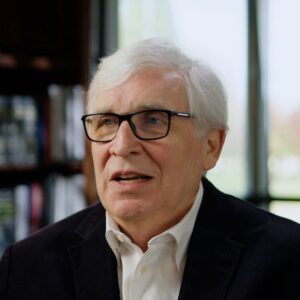 Michael Hackard is the founder of Hackard Law, a California trust and estate litigation firm with more than five decades of experience protecting the inheritance rights of families across Sacramento, the San Francisco Bay Area, and Los Angeles. He is the author of six published books on inheritance protection and has produced more than 1,000 educational videos with over seven million views.