(916) 313-3030
California Beneficiary Rights: How Contingency Fee Representation Levels the Playing Field

Who I Am and Why This Matters
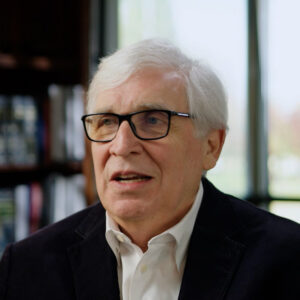
I’m Michael Hackard, founder of Hackard Law. Over my five decades of practicing law in California, I have devoted much of my career to one cause: protecting the rights of estate and trust beneficiaries who are being shut out, misled, or outright cheated. I have written four published books on inheritance protection and produced more than 1,000 educational videos that have reached over 7 million viewers. That body of work reflects one simple conviction: people deserve to know their rights, and they deserve a fighting chance to enforce them.
Hackard Law serves beneficiaries throughout California, including Sacramento, the San Francisco Bay Area, and Los Angeles. Whether you are dealing with a trustee who refuses to account for funds, a will that was quietly changed under suspicious circumstances, or a sibling who has taken control of an estate and cut you out, my firm litigates to secure and protect what is rightfully yours.
Hackard Law offers contingency-fee representation for qualified cases, meaning you pay no upfront legal fees to pursue your claim. To find out whether your situation qualifies, call us today at (916) 313-3030.
Quick Summary
California trust and estate beneficiaries have enforceable legal rights, and contingency fee agreements allow them to exercise those rights without having to pay hourly attorney fees out of pocket.
- Beneficiaries can challenge trustee misconduct, undue influence, improper distributions, and delayed accountings.
- Contingency fee agreements must be in writing and must describe how costs and expenses are handled.
- Hackard Law litigates beneficiary disputes throughout California on a contingency fee basis for qualified cases.
- Early legal intervention often produces better outcomes than waiting.
- Apprehending your rights is the first step toward protecting your inheritance.
What It Means to Be a Beneficiary in California
Being named as a beneficiary of a trust or estate may seem simple. In practice, it can be anything but. Trustees hold significant power over assets, distributions, and information. When that power is exercised carelessly – or deliberately abused – beneficiaries often find themselves in the dark, receiving little or nothing of what a loved one intended for them.
California law grants beneficiaries meaningful protections. Trustees owe fiduciary duties to the people they serve. They must act in the beneficiaries’ best interests, keep accurate records, provide accountings, and make distributions in accordance with the trust terms. When trustees fail those duties, beneficiaries have the right to take legal action. You can learn more about what California beneficiaries can do when a trustee delays distributions without cause on the Hackard Law website.
The challenge is that pursuing a trustee who controls the assets – and often controls the lawyers being paid from those assets – can feel impossible without strong legal representation on your side.
The Contingency Fee Difference
This dynamic is altered by contingency fee representation. You don’t have to pay your lawyer’s fees under a contingency agreement unless your case is successful. In trust and estate disputes, where defendants are frequently well-funded and able to prolong litigation, that structure is crucial.
For a deeper look at how contingency arrangements work in California trust and estate cases, the contingency fee guide for estate and trust litigation explains what to look for and what questions to ask before signing any agreement.
Contingency agreements are legally required to be in writing. The written agreement must clearly describe the fee percentage, how litigation costs and expenses are handled, and what happens if the case settles versus goes to trial. Reading that agreement carefully – and asking questions before signing – is essential.
Case Pattern:A trust beneficiary in Northern California contacted Hackard Law after learning that the trustee had made distributions to other family members, even though the trustee repeatedly told her the estate was still being administered. Years of unreported transactions were discovered through an examination of trust records. A complete accounting and a negotiated recovery for the beneficiary were the results of litigation.
Common Situations That Lead to Beneficiary Disputes
Not every trust or estate dispute looks the same, but certain patterns appear with regularity across California. Trustees who use trust funds for personal expenses. Beneficiaries who are told they have no right to information. Wills or trust amendments that appear out of nowhere after a vulnerable person’s health has declined. Unequal distributions that contradict what the decedent clearly intended.
For beneficiaries who suspect they are receiving less than they are owed, understanding when unequal trust shares become grounds for litigation is an important starting point. The law does not require equal distributions, but it does require that distributions follow the actual terms of the trust – and that those terms were not the product of fraud or manipulation.
Elder financial abuse adds another layer of complexity. When a senior’s estate plan was changed late in life, often under the influence of a new caregiver, a romantic partner, or an opportunistic family member, beneficiaries may have grounds to challenge those changes. Guarding against elder financial abuse in California trust litigation outlines how the law addresses these situations.
Case Pattern: A few months prior to her father’s passing, an adult child learned that her father’s trust had been changed, completely eliminating her and designating a neighbor as the only beneficiary. The father may not have had the mental capacity to comprehend what he was signing and had been cut off from family, according to evidence gathered during the legal proceedings. The family was able to recover as the case was resolved.
How Hackard Law Approaches Beneficiary Litigation
Michael Hackard identifies the core issue in every beneficiary dispute before committing to a litigation strategy. That means reviewing trust documents, examining accountings, assessing the strength of the trustee’s position, and evaluating the evidence supporting the beneficiary’s claim. The 8 stages of trust and estate litigation provide a useful framework for understanding how these cases move from initial investigation through resolution.
Hackard Law files lawsuits in California courts. Beneficiary disputes in Sacramento, Northern California, the Bay Area, and Louisiana are handled by the firm. Although each case is unique, the commitment remains the same: seek the truth, defend the client’s rights, and fight for the decedent’s true intentions.
For beneficiaries who are not sure whether they have a viable claim, reviewing five essential things California trust beneficiaries must know is a strong first step before making any decisions.
Key Definitions
- Beneficiary: A person named in a trust or will to receive assets or distributions from an estate.
- Trustee: The individual or institution who is responsible for managing trust assets and administering the trust according to its terms.
- Fiduciary duty: The legal obligation a trustee owes to beneficiaries, requiring loyalty, care, and honest dealing.
- Contingency fee: A legal fee arrangement in which the attorney is paid a certain percentage of the recovery only if the case is successful.
- Trust accounting: A formal record of all trust income, expenses, and distributions that a trustee is required to provide to beneficiaries.
- Undue influence: Pressure or manipulation that overrides a person’s free will in making estate planning decisions.
- Capacity: The mental ability required to understand and execute a legal document, such as a trust amendment or a will.
- Trust contest: A legal action challenging the validity of a trust or one of its provisions.
- Distribution: The transfer of assets from a trust or estate to a beneficiary, as directed by the governing document.
- Litigation: The process of settling a legal dispute through the court system.
What to Do Next
- Look for a copy of the trust document or will – beneficiaries in California generally have the right to receive a copy.
- Get copies of any trust accountings or financial statements you have received, even if they seem incomplete.
- Write down a timeline of events, including any changes to the estate plan, the decedent’s health history, and any communications with the trustee.
- Try to avoid signing any releases or settlement agreements before speaking with an attorney.
- Look for signs of trustee misconduct, including missing assets, unexplained delays, or refusals to communicate.
- Consider whether elder financial abuse or undue influence may have affected the estate plan.
- Reach out to Hackard Law’s contact page to request a consultation and describe your situation.
- Call Hackard Law at (916) 313-3030 to speak with someone about your rights as a California beneficiary.
CALL THE SAGE | When Experience Matters, Families Listen
🏛️ We practice California trust & estate & elder financial abuse litigation
⚖️ We represent heirs, beneficiaries, and elder abuse victims
🎥 1,000+ educational videos | 7 million+ views | 4 published books
🎯 “After thousands of cases, I see the pattern others miss.”
CONTINGENCY REPRESENTATION – No Win, No Fee
Throughout California: Sacramento | Los Angeles | Bay Area
📞 CALL THE SAGE: (916) 313-3030
Subscribe for weekly insights on:
- Elder financial abuse warning signs and prevention
- Trust and estate litigation strategies
- Inheritance protection for California families
- Family protection strategies
When your inheritance is under attack, Call The Sage.
Hackard Law | 10640 Mather Blvd, Mather CA 95655
Attorney Advertisement | Michael Hackard, State Bar #71067
RELATED VIDEOS
Are You a Trust Beneficiary? Know Your Rights
Explains the fundamental legal rights California trust beneficiaries hold under state law.
San Francisco Bay Area Trust Litigation Making Contingency Cases Economically Viable
Explores how contingency fee arrangements make trust litigation accessible for Bay Area beneficiaries.
Trust Beneficiary Rights | Fiduciary Responsibility
Covers what trustees owe beneficiaries and what happens when fiduciary duties are breached.
Were You Unfairly Cut Out of a Trust? | Know Your Rights as a Disadvantaged Beneficiary
Addresses legal options for beneficiaries who have been wrongfully excluded from a trust.
What Makes Hackard Law’s Bay Area Practice Successful | Contingency Trust Litigation Attorney
Describes the contingency-based approach Hackard Law uses in high-stakes trust disputes.
Removing a Trustee in California | Beneficiary Rights
Walks through the process of removing a trustee who has abused their position in California.