I’m Michael Hackard, founder of Hackard Law. Over nearly five decades of practice, I have fought for people whose lives were upended through no fault of their own – whether through inheritance theft, elder financial abuse, or serious personal injury. I have written four published books on protecting families from exploitation, and our firm has produced more than 1,000 educational videos with over seven million views. We serve clients across California, from Sacramento to the San Francisco Bay Area and Los Angeles.
There is an old principle that most of us learned as children: if you break it, you bought it. It is simple, direct, and fair. That same principle sits at the heart of California personal injury law. When a careless driver shatters someone’s health, their career, their peace of mind – that driver, and their insurer, must make the injured person whole. Not at a discount. At the full value of what was taken.
Hackard Law provides contingency fee representation for qualified personal injury cases – no upfront costs to you. To speak with our team, call (916) 313-3030.
Quick Summary
California law authorizes car crash victims to receive compensation for both financial and non-economic losses caused by a careless driver.
Injured victims can recover medical costs, future care needs, and lost income.
Non-economic damages – pain, suffering, emotional distress – are determined by a jury using its own judgment.
Insurance multiplier formulas are not the standard; juries look at what was actually taken from the injured person.
Verdicts in serious California car crash cases regularly reach seven or even eight figures.
You only get one opportunity to present your case to a jury – preparation and advocacy matter enormously.
The Human Cost Behind Every Collision
No condominium, no gas pump, no piece of property is worth more than a human being. When a driver crashes into a building and sets it on fire, the liability is obvious. The same logic applies when a driver runs a red light at 45 miles per hour and T-bones another vehicle. The destruction is just harder to photograph.
What courts and juries must weigh is the full human toll: the health that was stolen, and the time lost to surgeries and recovery. Then there is the career that never happened, and the emotional weight that follows an injured person every single day. California law recognizes all of it as compensable harm.
For those people who have suffered traumatic brain injuries in a crash, the damage can be invisible to outsiders but devastating to the person living with it. Understanding what TBI settlements look like in California can help families gauge what fair compensation actually means in these cases.
Economic Damages: The Measurable Losses
Some car accidents result in tangible and documented damage. These economic damages form the financial foundation of any personal injury claim and typically include:
Ambulance and helicopter rescue costs
Emergency hospitalization and surgery
Ongoing medical treatment, physical therapy, and chiropractic care
Trauma rehabilitation and mental health treatment
Future medical needs and their projected costs
Lost wages and diminished earning capacity
These figures are supported by bills, records, and the testimony of an experienced attorney. They are the starting point, not the ceiling.
Case Pattern: When a car at an intersection is hit by a driver running a red light, the other driver undergoes two back surgeries. The documented core of the claim consists of the injured person’s economic damages. These include hospitalization, surgery, rehabilitation, and anticipated future care. Non-economic damages, which represent years of chronic pain and restricted mobility, are layered on top.
Non-Economic Damages: What a Jury Decides
Pain and suffering, mental anguish, emotional distress, loss of enjoyment of life – these are not line items on a hospital bill. They are the lived reality of what a serious crash takes away. California law places these determinations in the hands of juries, and rightly so.
Some insurance industry voices advocate for a simple formula: multiply economic damages by 3 to 5. That strategy is incorrect. It is not intended to represent the true suffering of a real person, but rather to cap payouts.
A jury is not constrained by any formula when they hear testimony about a victim’s everyday suffering, their incapacity to pursue the career for which they were trained, and the anxiety that now permeates every aspect of their life.
The jury’s job is to look at what was taken – and to put a number on it that is fair and reasonable, given everything that person has lost and will lose. That is why serious California car crash verdicts often reach into seven or eight figures. Those numbers reflect real people, real losses, and real accountability.
Imagine posting a job listing that read something like this: Position available – high-impact collision victim. Duties include suffering traumatic brain injury and spinal cord damage, undergoing multiple surgeries, managing intense anxiety and depression, and abandoning the career you planned before a negligent driver took your health from you. Benefits include a lifetime of chronic pain and impaired movement.
No one would apply for that job. Yet thousands of Californians are thrust into it every year by drivers who were careless, distracted, or reckless. The law exists precisely to hold those drivers accountable – not to offer a discount on the harm they caused, but to require full payment.
For those who have suffered a TBI (traumatic brain injury) and are uncertain about the extent of their damage, it is worth knowing that many brain injury survivors do not initially realize they are injured – a phenomenon that can delay treatment and complicate claims if not addressed early.
Case Pattern: After being T-boned at an intersection, the victim has spinal injuries that need surgery in addition to a traumatic brain injury. Years later, they still have back pain and cognitive issues that keep them from going back to their former job. The jury, hearing the full picture of what this person’s life became after the crash, delivers a verdict that reflects not just the medical bills but the career, the independence, and the future that were taken.
You Only Get One Chance
I have seen what happens when injured people go to court underprepared or underrepresented. The stakes could not be higher. Under California law, an injured party gets one opportunity to present their case – one trial, one jury, one chance to ask for compensation for everything that has already been lost and everything that will be lost going forward.
That is why the quality of advocacy matters so much. Discovery, medical documentation, experienced attorney testimony, and the ability to tell a client’s story compellingly to a jury – these are not just legal strategies, but the tools that restore what a negligent driver tried to permanently take away. A steadfast commitment to truth restores what carelessness tried to steal.
For decades, I have stood with families and individuals who needed someone to fight for them. In personal injury cases, that fight is about making sure a careless driver pays the full price – not the discounted, insurance-formula price, but the real price measured in a human life changed forever.
Key Definitions
Economic damages: Quantifiable financial losses from a crash, including medical bills, lost wages, and future care costs.
Non-economic damages: Compensation for pain, suffering, emotional distress, and loss of enjoyment of life, determined by a jury.
Traumatic brain injury (TBI): A brain injury caused by a blow or jolt to the head, often resulting in cognitive, emotional, and physical impairments that may not be immediately visible.
Spinal cord injury: Damage to the spinal cord that can cause partial or complete loss of movement, sensation, or function.
Future medical costs: Projected expenses for ongoing care, surgeries, therapy, or equipment needed as a result of crash injuries.
Pain and suffering: A category of non-economic damages reflecting the physical and emotional toll of an injury on the victim’s daily life.
Negligence: A legal standard requiring proof that the at-fault driver failed to exercise reasonable care, causing the plaintiff’s injuries.
Contingency fee: A fee arrangement in which the attorney is paid only if the client recovers compensation – no upfront costs to the client.
Jury verdict: The formal decision of a jury on the amount of damages owed to an injured plaintiff after hearing all evidence.
Loss of earning capacity: Compensation for the reduction in a victim’s ability to earn income in the future due to their injuries.
What to Do Next
Get immediate medical attention after any crash, even if you feel fine – some injuries, including brain injuries, are not immediately apparent.
Locate and keep all records, including police reports, medical records, scene photos, and witness contact details.
Get copies of all bills and records related to your treatment as early as possible.
Try to avoid giving recorded statements to insurance adjusters before speaking with an attorney.
Look for patterns in your symptoms – cognitive changes, mood shifts, or persistent pain should be reported to your doctor and your attorney.
Keep a personal journal documenting your pain levels, emotional state, and daily limitations after the crash.
Try to avoid settling quickly with an insurance company before the full extent of your injuries is known.
A conversation about representing victims who suffer life-altering catastrophic injuries.
Frequently Asked Questions
California juries use their own judgment to determine a fair and reasonable amount for pain and suffering – there is no fixed formula. They consider the severity of the injury, the impact on the victim’s daily life, and how long the suffering is expected to continue. Insurance multiplier formulas are not the legal standard.
Traumatic brain injuries, spinal cord injuries requiring surgery, and injuries causing permanent disability tend to produce the largest verdicts. These cases involve extensive future medical costs and profound non-economic losses that juries take seriously when they hear the full human story.
Yes. For qualified personal injury cases, Hackard Law represents clients on a contingency fee basis, meaning there are no upfront legal fees. The firm is paid only if compensation is recovered on your behalf.
Insurance companies often move fast to offer settlements before the full extent of injuries is known. Accepting an early offer can permanently close your right to seek additional compensation, even if your condition worsens. Speaking with an attorney before settling protects your right to full recovery.
Get evaluated by a medical professional as soon as possible, even if your symptoms seem mild. Brain injuries can be subtle at first and worsen over time. Document every symptom and share them with both your doctor and your attorney so the full scope of your injury is part of your claim.
About the Author
Michael Hackard is the founder of Hackard Law, a California trust and estate litigation firm with more than five decades of experience protecting the inheritance rights of families across Sacramento, the San Francisco Bay Area, and Los Angeles. He is the author of four published books on inheritance protection and has produced more than 1,000 educational videos with over seven million views.


 (916) 313-3030

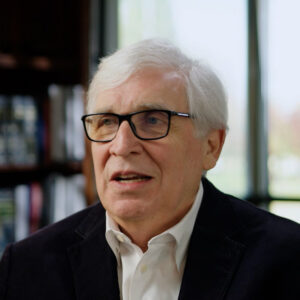 Michael Hackard is the founder of Hackard Law, a California trust and estate litigation firm with more than five decades of experience protecting the inheritance rights of families across Sacramento, the San Francisco Bay Area, and Los Angeles. He is the author of four published books on inheritance protection and has produced more than 1,000 educational videos with over seven million views.