


 (916) 313-3030
California Durable Power of Attorney Abuse: What Families Need to Know
When Trusted Help Becomes Financial Harm
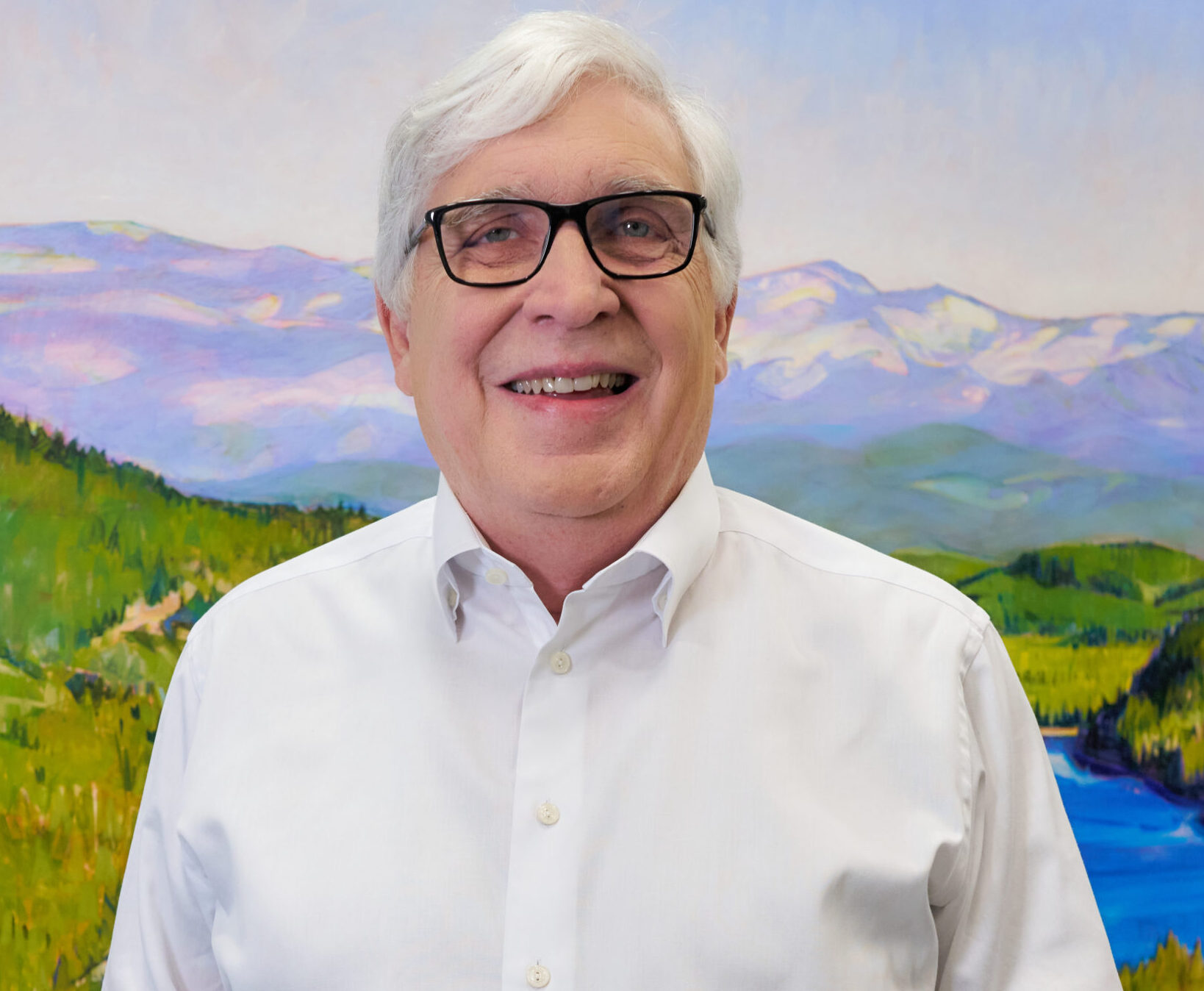
I am Michael Hackard, founder of Hackard Law. Over five decades of practicing law in California, I have fought for heirs, beneficiaries, and elder abuse victims whose trust was exploited by the very people closest to them. I have written four books on inheritance protection and produced more than 1,000 educational videos that have reached over seven million viewers. That body of work keeps coming back to one theme: the people most likely to harm a vulnerable elder are often the people they love most.
Hackard Law serves clients throughout Sacramento, the San Francisco Bay Area, and Los Angeles – reaching families across most of California’s major urban centers. If you are watching a parent’s finances shrink while a caregiver or family member holds their power of attorney, this post is for you.
Hackard Law offers contingency fee representation for qualified elder financial abuse and estate litigation cases – no upfront costs required. To speak with our team, call (916) 313-3030.
Quick Summary
A California durable power of attorney grants sweeping authority over another person’s finances, and that authority is frequently abused. When a POA holder steals, hides, or misuses an elder’s assets, civil litigation can recover what was taken.
- A durable power of attorney allows one person to act on another’s behalf in financial and legal matters
- POA holders are fiduciaries bound by duties of loyalty, care, and asset separation
- Common abuses include unauthorized transfers, ATM theft, and self-dealing real estate transactions
- California law provides civil remedies, including double damages in elder abuse cases
- Early legal action improves the odds of recovering stolen assets before they disappear
What a Durable Power of Attorney Actually Is
A durable power of attorney is a document signed by a principal – the person granting authority – to authorize another person, the agent or POA holder, to act on their behalf in financial and legal matters. The word “durable” means the authority survives the principal’s incapacity, which is precisely why it is so useful for aging adults and precisely why it attracts abuse.
The power can be revoked at any time, but only while the maker remains legally competent. Once cognitive decline sets in, that window closes. A POA holder dealing with an incapacitated elder faces almost no day-to-day oversight unless someone is watching closely – and often, no one is.
Understanding when a power of attorney becomes a weapon is the first step toward protecting a vulnerable family member.
How POA Abuse Begins
Most cases follow a recognizable pattern. A parent – sometimes as young as 65, sometimes well into their nineties – reaches a point where managing bills, medical appointments, and daily financial tasks feels overwhelming. A child living in the home, a hired caregiver, or another trusted person steps in to help. That help is usually genuine. Most caregiving relationships are built on love.
However, Hackard Law also manages the exceptions. Good intentions are the starting point for the assistance, which gradually evolves. The POA holder commences the use of the elder’s ATM card for personal purposes. They transfer a bank account into joint ownership. They transferred ownership of the property to their own name. Months or years of financial harm have already transpired by the time a concerned sibling or distant family member becomes aware.
The elder, for their part, is often completely unaware of what is happening – or they have been told that cooperating is the price of avoiding a nursing home.
Case Pattern: Adult child as financial manager
Hackard Law is contacted by a family who have observed that their mother’s savings account, which was previously valued at several hundred thousand dollars, has been nearly depleted over the course of three years. The mother’s live-in child held the durable power of attorney. Bank records document consistent cash withdrawals, luxury purchases, and a car purchased in the child’s name. The litigation focused on pursuing civil elder abuse remedies and tracking the funds.
The Most Common Forms of POA Fraud
Hackard Law responds to roughly 1,000 new prospective client inquiries each year, and POA abuse appears across a wide range of asset types. The conduct Hackard Law encounters falls into several recurring patterns.
Bank account transfers are among the most prevalent. The POA holder transfers the elder’s accounts into their own name or into joint accounts that they control, and subsequently drains them. Retirement funds, brokerage holdings, and securities accounts are similarly susceptible.
Real estate is another frequent target. A POA holder with broad authority can deed a home out of the elder’s name – sometimes into their own, sometimes into a shell entity. These transfers are often recorded quietly and only discovered after the elder dies, when heirs review the title.
Day-to-day theft is subtler but pervasive. Records in contested cases routinely show ATM withdrawals at casinos, credit card charges for vacations, home renovations on the agent’s own property, and tuition payments for the agent’s children – all drawn from the elder’s accounts. For more on the civil remedies available, including double damages and attorney fee recovery, see California’s elder financial abuse statutes.
Case Pattern: Caregiver with broad financial access
After years of helping an elderly widower, a hired caregiver is named as the person in charge. Over the course of 18 months, she transfers money from his brokerage account to pay for her own travel and home improvements. The widower’s children don’t find out about the pattern until they look at his old bank statements. The Elder Abuse and Dependent Adult Civil Protection Act of California was used by Hackard Law to file claims.
The Fiduciary Duties a POA Holder Must Follow
A California power of attorney is not a license to spend another person’s money. The POA holder is a fiduciary, and that status carries serious legal obligations.
The duty of loyalty requires the agent to act in the principal’s interest, not their own. The duty of care and skill requires competent management of the elder’s financial affairs. The duty to keep property separate means the agent cannot commingle the elder’s funds with their own. Violating these duties is not just a civil wrong – in many cases, it is theft.
Families dealing with a trustee or agent who refuses to account for their actions can find useful context at Hackard Law’s guide to compelling trustee accountability. The same principles apply to POA holders who go silent when asked to explain financial decisions.
When Recovery Is Difficult – And Why Speed Matters
I have spent decades watching what happens when families wait too long. A POA holder who has stolen assets rarely holds onto them. The money gets spent on travel, gambling, home renovations, or gifts to third parties. Real estate gets transferred again. By the time litigation begins, the trail has grown cold and the assets are gone.
Remedies are available under California law. Elder financial abuse claims may result in attorney fee awards and double damages if the abuse is established. Unwinding fraudulent transfers is occasionally feasible. However, the financial burden increases with each month of delay, and the family’s fracture is frequently too profound for any judgment to repair.
Discovery, forensic accounting, and the pursuit of justice are not merely legal strategies; they are also safeguards for families at risk of exploitation by those in positions of trust. Dishonesty’s attempt to steal is countered by a steadfast dedication to the truth. However, I have also observed that outcome in cases that appeared hopeless at the outset, as well as what transpires when families act too late. Contact us in advance.
For Sacramento families facing these situations, our Sacramento estate lawyers and Sacramento probate litigation team are ready to help.
Key Definitions
- Durable power of attorney: A legal document authorizing one person to handle financial and legal matters for another, remaining effective even if the principal becomes incapacitated.
- Principal: The person who signs the power of attorney and grants authority to the agent.
- Agent (POA holder): The person authorized to act on behalf of the principal; a fiduciary under California law.
- Fiduciary duty: A legal obligation to act in another person’s best interest, including duties of loyalty, care, and asset separation.
- Elder financial abuse: The wrongful taking, concealment, or misuse of an elder’s property or funds, defined under California Welfare and Institutions Code section 15610.30.
- Double damages: A civil remedy available in California elder abuse cases where the court may award twice the actual damages proven.
- Fraudulent transfer: A transfer of property made to hinder, delay, or defraud creditors or rightful heirs, which may be reversed under California law.
- Commingling: The improper mixing of an elder’s funds with the agent’s personal funds, a violation of fiduciary duty.
- Revocation: The act of canceling a power of attorney, which is only valid while the principal retains legal competence.
- Writ of execution: A court order directing enforcement of a judgment, including seizure of assets – which may be limited if assets have been dissipated.
What to Do Next
- Look for unusual bank withdrawals, new joint account holders, or recent real estate transfers involving your loved one.
- Get copies of bank and brokerage statements going back at least two to three years.
- Try to obtain a copy of the power of attorney document itself – note who drafted it and when it was signed.
- Look for signs that the elder was isolated from other family members around the time the POA was created or used.
- Try to avoid confronting the suspected POA holder directly before speaking with an attorney – doing so can trigger asset movement.
- Document any statements the elder has made about their finances or their relationship with the agent.
- Look into whether any real estate transfers were recorded – county assessor records are publicly available.
- Review Hackard Law’s resource on guarding against elder financial abuse for additional warning signs.
- Learn more about contingency fee representation so you understand your options before the first call.
- Call Hackard Law at (916) 313-3030 to discuss your situation with our team. You can also reach us through our contact page.
CALL THE SAGE | When Experience Matters, Families Listen
🏛️ We practice California trust & estate & elder financial abuse litigation
⚖️ We represent heirs, beneficiaries, and elder abuse victims
🎥 1,000+ educational videos | 7 million+ views | 4 published books
🎯 “After thousands of cases, I see the pattern others miss.”
CONTINGENCY REPRESENTATION – No Win, No Fee
Throughout California: Sacramento | Los Angeles | Bay Area
📞 CALL THE SAGE: (916) 313-3030
Subscribe for weekly insights on:
- Elder financial abuse warning signs and prevention
- Trust and estate litigation strategies
- Inheritance protection for California families
- Family protection strategies
When your inheritance is under attack, Call The Sage.
Hackard Law | 10640 Mather Blvd, Mather CA 95655
Attorney Advertisement | Michael Hackard, State Bar #71067
RELATED VIDEOS
POA Vultures | Power of Attorney Abuse
Explores how power of attorney is exploited to steal from vulnerable elders.
Common Signs of Elder Financial Abuse | Estate & Trust Lawsuits
Walks through the warning signs that a family member is being financially exploited.
How to Protect Families from Elder Financial Abuse | CA Trust Litigation
Outlines practical steps California families can take to protect elders from financial harm.
Establishing Undue Influence & Elder Financial Abuse | CA Trust Litigation
Explains how attorneys prove undue influence and financial abuse in California court.
How Does a Lawyer Enforce Elder Financial Abuse Law? | CA Trust Litigation
Describes the legal tools attorneys use to pursue elder financial abuse claims in California.
Elder Financial Abuse Law | Game-Changer in CA Trust Litigation
Covers key California laws that give abuse victims powerful remedies including enhanced damages.
 Michael Hackard is the founder of Hackard Law, a California trust and estate litigation firm with more than five decades of experience protecting the inheritance rights of families across Sacramento, the San Francisco Bay Area, and Los Angeles. He is the author of six published books and has produced more than 1,000 educational videos with over seven million views.