


 (916) 313-3030
How California Trust and Elder Financial Abuse Cases Actually Resolve
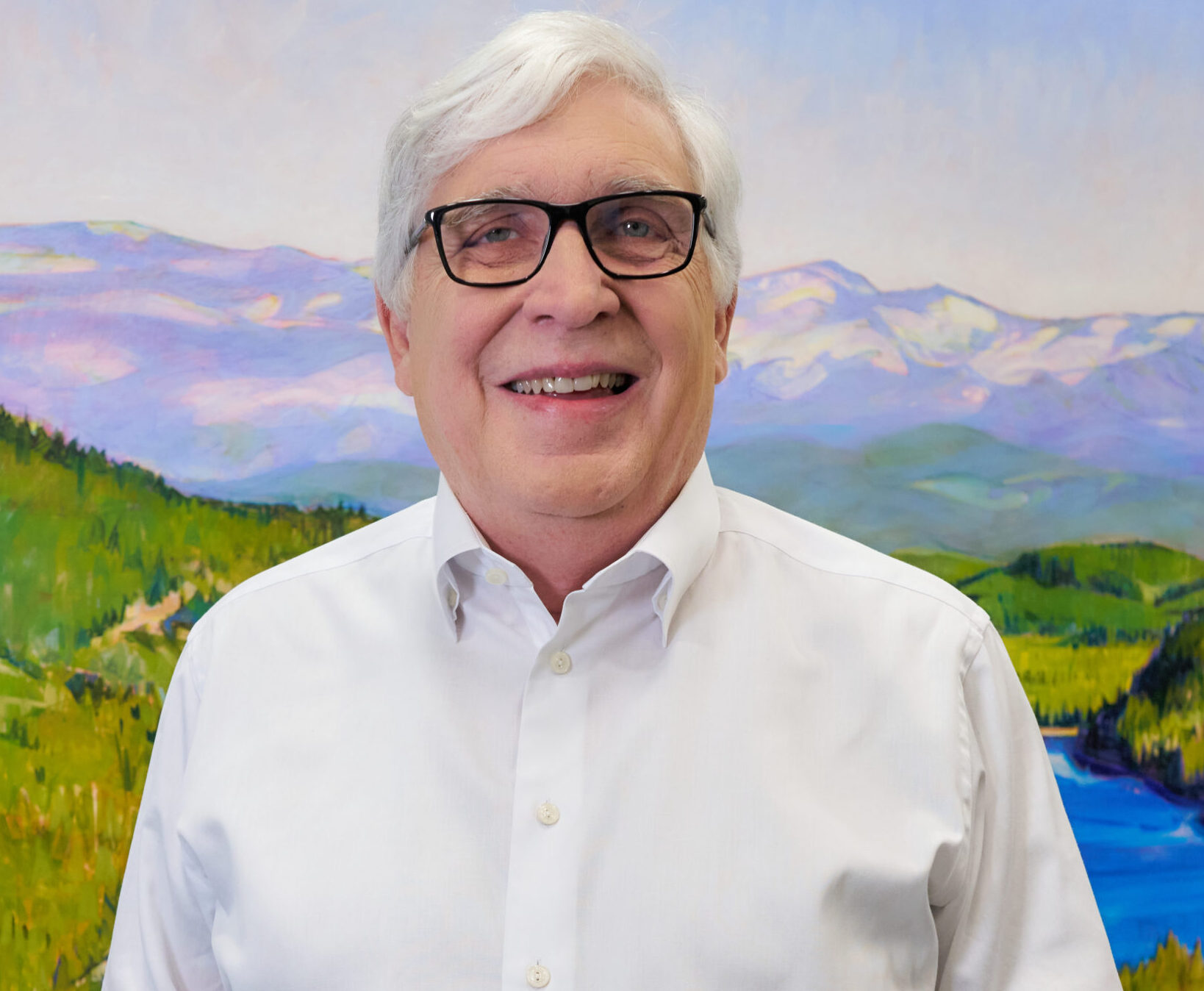
I am Michael Hackard, founder of Hackard Law, and I want to give you an honest picture of how these cases end – not the version designed to sound reassuring, but the version that prepares you for what the process actually is. Over five decades of California trust and estate litigation, I have fought for heirs, beneficiaries, and elder abuse victims across Sacramento, the San Francisco Bay Area, and Los Angeles. I have written four books on inheritance protection and produced more than 1,000 educational videos that have reached over seven million viewers. I have seen how these cases begin, how they build, and – most importantly – how they resolve.
Most California trust contests and elder financial exploitation cases settle before trial, at mediation, typically twelve to thirty months after filing. Recovery is almost never the full amount claimed. It is a negotiated number that reflects what the record supports. That is the honest picture. Everything else in this post explains why.
Hackard Law provides contingency fee representation – no upfront costs for qualified cases. To speak with our team, call (916) 313-3030.
Quick Summary
California trust and elder financial abuse cases almost always settle before trial, but the strength of that settlement depends entirely on how well the record was built before mediation.
- Most cases resolve at mediation twelve to thirty months after filing
- Recovery is a negotiated number, rarely the full amount claimed
- California Probate Code section 859 awards double damages when bad faith is proven
- California Welfare and Institutions Code section 15657.7 adds mandatory attorney’s fees
- A record built early, preserved carefully, and assembled into a clear timeline drives the best outcomes
Why These Cases Settle Before Trial
These are record cases. The transfers are documented. The dates are in the medical chart. The communications are in the file. Once the relevant records are assembled and exchanged, both sides can read the same story. When the story is clear, the case tends to settle – not because it is weak, but because the evidence speaks for itself.
Settlement happens most often at mediation, after documents have been exchanged and the first depositions taken. By that point, the evidentiary foundation is established on both sides. A skilled mediator helps each side see the risk in its own position. The result is almost never a full recovery. It is a negotiated number that reflects what the record supports and what a trier of fact might find.
Understanding the 8 stages of trust and estate litigation helps families recognize where they are in the process and what comes next.
Three Real Patterns From Mediation
Let me describe three patterns that illustrate how these matters actually resolve.
The first involved a family whose parent’s trust had been amended twice in the last eighteen months of life – each amendment moving assets further from the family and toward a caregiver. The medical records established cognitive decline. The caregiver’s communications with the drafting attorney established coordination. The case settled at mediation after the attorney’s file was produced and showed that the caregiver had scheduled the second amendment, paid for it, and that the attorney had noted in his own file that the client “seemed distracted.” The settlement was sixty cents on the dollar. The family’s attorney recommended they accept it. The alternative was a trial where a jury would hear an attorney explain what “seemed distracted” meant to him – a risk the family could not control.
Case Pattern: Caregiver-Directed Trust Amendments
When a caregiver arranges and funds amendments to a vulnerable person’s trust, the attorney’s own file often becomes the most powerful evidence. When those notes reflect the client’s diminished state, mediation frequently produces a meaningful recovery – even if not a complete one.
The second involved an institutional trustee – a bank – that had administered a trust for eleven years without funding the sub-trust it owed to the children of the first marriage. Eleven years of commingled accounts, distributions taken from the wrong share, income treated as principal. The accounting took fourteen months to reconstruct. The mediation lasted two days. The bank resolved the matter, and the family recovered the bulk of what the sub-trust should have contained, plus attorney’s fees under the elder exploitation statute.
Case Pattern: Institutional Trustee Accounting Failures
When a corporate trustee mismanages a sub-trust over many years, the reconstruction of accounts is painstaking – but the paper trail is also complete. Once the numbers are laid out, institutional defendants have strong incentives to resolve rather than defend a decade of errors in open court.
The third matter did not settle at mediation. It went to trial. The verdict was in the family’s favor, and the court found bad faith on the part of the trustee – which triggered the doubled-damages provision under California Probate Code section 859. The verdict was appealed. The appeal took twenty-two months. The family received what the court awarded, plus post-judgment interest. They also spent twenty-two months waiting.
For families dealing with elder financial exploitation, the guide to guarding against elder financial abuse in California trust litigation provides important context on how these cases are built and pursued.
What California Law Provides When Bad Faith Is Proven
California gives courts meaningful tools when misconduct is clear. Probate Code section 859 awards twice the value of property taken, concealed, or disposed of in bad faith. Welfare and Institutions Code section 15657.7 adds mandatory attorney’s fees on top of any recovery in elder financial exploitation cases. These provisions matter because they shift the calculus at mediation – a defendant facing doubled damages and fee exposure has strong reasons to resolve.
Not every case reaches that threshold. Bad faith must be established, not assumed. But when the record supports it, these statutes give heirs, beneficiaries, and elder abuse victims leverage that goes beyond the raw dollar amount at stake.
For families weighing the cost of litigation, understanding how contingency fee representation works is an important first step.
What Builds a Strong Settlement or a Strong Trial
What makes a case settle well is the same thing that makes it try well: a record built early, preserved carefully, and assembled into a coherent timeline before the other side has had time to explain it away. Discovery, forensic analysis, and the pursuit of justice are not just legal strategies – they are safeguards for families threatened by undue influence and fraud.
Hackard Law litigates these matters across California. The firm handles cases in Sacramento, the Bay Area, and Southern California, including estate litigation in Glendale and throughout Los Angeles County. For Bay Area families, Hackard Law handles Santa Clara estate litigation and trust and will contests in Santa Clara County. Mediation resources are available through the firm for families in Sacramento and Alameda County.
On the largest matters, Hackard Law brings in seasoned co-counsel trial lawyers at no additional cost to the family. The fee is a percentage of what is recovered. No recovery means no fee.
Key Definitions
- California Probate Code section 859: A statute that awards twice the value of property taken, concealed, or disposed of in bad faith by a trustee or other fiduciary.
- California Welfare and Institutions Code section 15657.7: A provision that adds mandatory attorney’s fees to any recovery in elder financial exploitation cases.
- Mediation: A structured settlement process, typically conducted after document exchange and initial depositions, where a neutral mediator helps both sides evaluate risk and negotiate resolution.
- Contingency fee: A fee arrangement where the attorney is paid a percentage of the recovery only if the case succeeds – no upfront cost to the client.
- Sub-trust: A separate trust account created within a larger trust, often for children of a prior marriage, that must be funded and administered independently.
- Cognitive decline documentation: Medical records, physician notes, and neuropsychological evaluations used to establish a person’s mental capacity at the time a legal document was signed.
- Bad faith: A legal finding that a fiduciary acted with dishonest purpose or reckless disregard for the rights of heirs, beneficiaries, and elder abuse victims.
- Record building: The process of gathering, preserving, and organizing documents – financial records, medical charts, communications – into a timeline that tells a coherent story for mediation or trial.
- Post-judgment interest: Interest that accrues on a court judgment from the date it is entered until it is paid, which can add significantly to a recovery during a lengthy appeal.
- Evidentiary foundation: The body of documented evidence assembled before mediation that establishes the facts both sides must confront when evaluating settlement.
What to Do Next
- Look for any documents showing changes to a trust or will made during the last months of a loved one’s life.
- Get copies of medical records from the period when estate planning documents were signed.
- Try to avoid disposing of any communications – emails, texts, letters – between the person who changed the documents and anyone who may have benefited.
- Look for financial account statements that show unusual transfers, withdrawals, or changes in beneficiary designations.
- Try to avoid waiting too long – California has strict statutes of limitations for trust contests and elder financial abuse claims.
- Look for an attorney who handles these cases on contingency and has experience building records cases, not just filing them.
- Get a clear-eyed assessment of what the record currently supports before evaluating any settlement offer.
- Try to avoid signing any releases or agreements with a trustee or estate administrator without independent legal review.
- Call Hackard Law at (916) 313-3030 to discuss your situation with our team.
- Visit our contact page to request a consultation or learn more about how we handle these cases.
CALL THE SAGE | When Experience Matters, Families Listen
🏛️ We practice California trust & estate & elder financial abuse litigation
⚖️ We represent heirs, beneficiaries, and elder abuse victims
🎥 1,000+ educational videos | 7 million+ views | 4 published books
🎯 “After thousands of cases, I see the pattern others miss.”
CONTINGENCY REPRESENTATION – No Win, No Fee
Throughout California: Sacramento | Los Angeles | Bay Area
📞 CALL THE SAGE: (916) 313-3030
Subscribe for weekly insights on:
- Elder financial abuse warning signs and prevention
- Trust and estate litigation strategies
- Inheritance protection for California families
- Family protection strategies
When your inheritance is under attack, Call The Sage.
Hackard Law | 10640 Mather Blvd, Mather CA 95655
Attorney Advertisement | Michael Hackard, State Bar #71067
RELATED VIDEOS
5 Key Tips on Trust Mediation & Settlement | CA Estate & Trust Litigation Attorney
Practical guidance on navigating mediation and reaching settlements in California trust disputes.
CA Estate and Trust Mediation | The Deal No-Deal Balance
Explores how parties weigh the decision to settle or continue fighting in mediation.
Early Mediation in Trust Litigation | Efficient and Effective?
Examines whether resolving trust disputes early in litigation saves time and money.
When Mediation Fails: Preparing for Trust Litigation in California
Covers what happens when mediation breaks down and a trust case heads toward trial.
The Day Before an Estate or Trust Mediation | Strong Emotions
Addresses the emotional intensity families experience on the eve of trust mediation.
Mediation in Estate and Trust Disputes | Hackard Law at Work
Shows how Hackard Law approaches the mediation process in estate and trust cases.
 Michael Hackard is the founder of Hackard Law, a California trust and estate litigation firm with more than five decades of experience protecting the inheritance rights of families across Sacramento, the San Francisco Bay Area, and Los Angeles. He is the author of six published books on inheritance protection and has produced more than 1,000 educational videos with over seven million views.