


 (916) 313-3030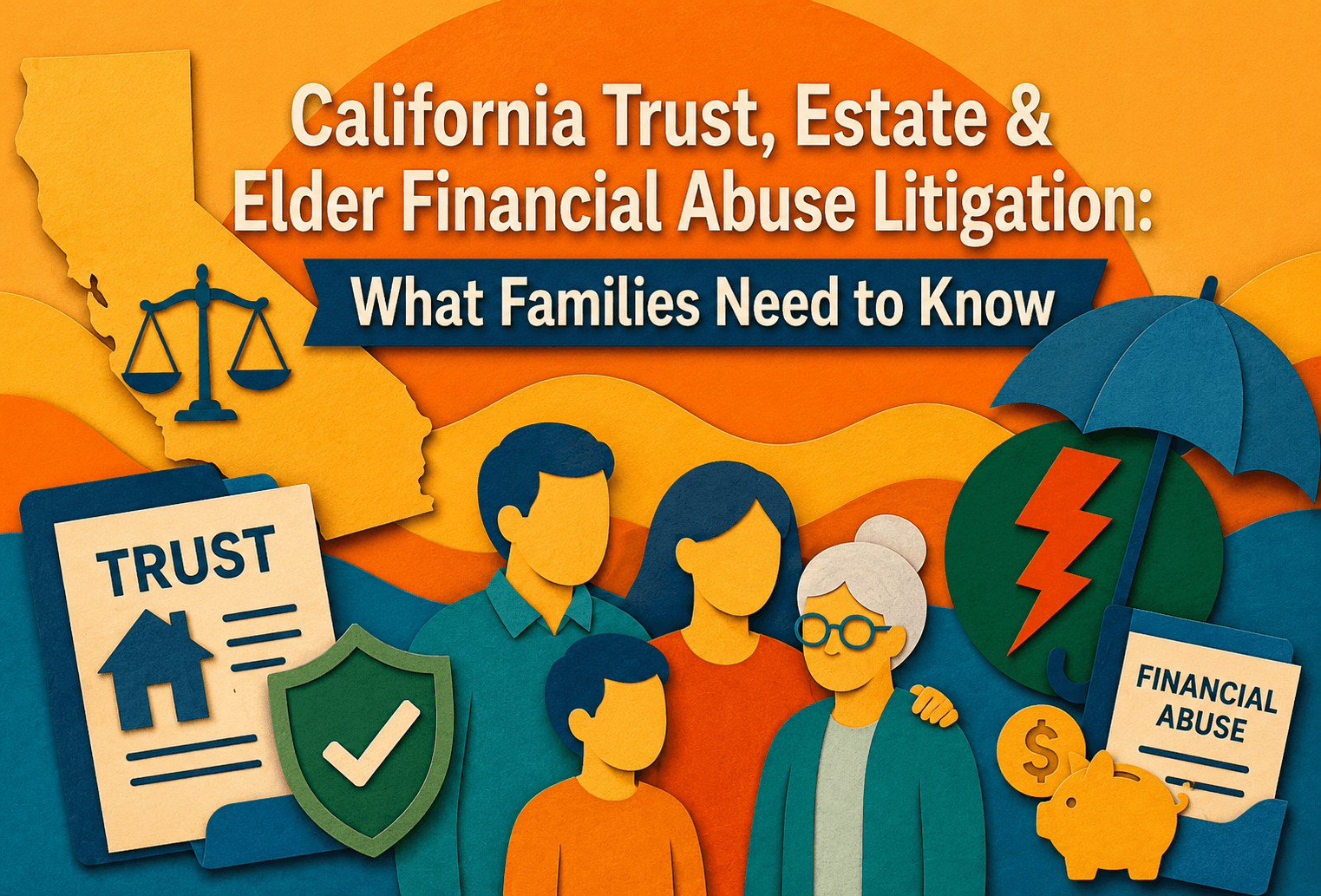
California Trust, Estate & Elder Financial Abuse Litigation: What Families Need to Know

When Family Silence Meets Legal Reality
I am Michael Hackard, founder of Hackard Law, and over my five decades of practice, I have watched the same painful pattern unfold in families across California. News of a trust dispute or elder financial abuse rarely arrives loudly. It comes in whispers – muffled by disbelief, family shame, and the raw grief of losing someone. Families instinctively hope that dignity and the desire for unity will quiet the disharmony. Often, it does not.
I have represented clients from Sacramento and Northern California to the San Francisco Bay Area and Los Angeles, and across all those communities the human story is the same: a loved one’s estate is contested, an elder has been financially exploited, or a trustee is not acting in good faith. Through four published books on inheritance protection and more than 1,000 educational videos with over seven million views, I have tried to give families the knowledge they need before a crisis becomes a catastrophe.
Hackard Law provides contingency fee representation for qualified trust, estate, and elder financial abuse cases – no upfront costs required. If you believe your family has a claim, call us today at (916) 313-3030.
Quick Summary
California trust, estate, and elder financial abuse disputes are rising rapidly, driven by demographic growth and an aging population. Families often delay action out of grief or loyalty, which can cost them critical legal rights.
- Trust and estate litigation plays out in California Superior Court probate and civil divisions.
- Elder financial abuse is one of the fastest-growing areas of California law.
- The cost of litigation is a real barrier – contingency fee arrangements help qualified families access the courts.
- Hackard Law serves clients in Sacramento, the Bay Area, and Los Angeles.
- Early legal intervention often makes the difference between recovery and permanent loss.
California’s Changing Demographics and the Rise of Estate Disputes
The scale of California’s demographic shift is staggering. When I began practicing law, California had roughly 22 million residents. Today that number exceeds 40 million. Los Angeles County alone grew from 7.2 million people to more than 10.2 million. And the elderly population – those age 60 and above – is projected to grow more than twice as fast as the general population.
That growth matters enormously in the context of trust and estate law. Older Californians hold a disproportionate share of the state’s wealth, and as that wealth transfers across generations, disputes follow. The combination of demographic pressure and evolving California statutes has made elder financial abuse and trust litigation a rapidly expanding area of the law. Families who once assumed these battles happened to other people are finding themselves in the middle of them.
For anyone navigating these waters, understanding the most common probate, trust, and estate battles is a useful first step toward knowing what you may be facing.
Why Families Hesitate – and Why That Hesitation Is Costly
The sounds of family battles are initially muted. Grief does that. So does loyalty. Heirs, beneficiaries, and elder abuse victims frequently tell me they waited months – sometimes years – before calling an attorney, hoping the situation would resolve itself or that confronting a family member would make things worse.
That hesitation has real legal consequences. California imposes strict deadlines on trust contests, elder abuse claims, and probate petitions. Evidence disappears. Assets are transferred. By the time a family decides to act, the legal landscape has often shifted against them. Early legal intervention in elder financial abuse cases is not just advisable – it is often the difference between a recoverable situation and a permanent loss.
Case Pattern: A family member in a Sacramento-area case noticed that a parent’s trust had been amended multiple times in the final months of the parent’s life, each amendment reducing the shares of longtime beneficiaries. The family delayed action for nearly a year out of reluctance to confront the sibling who had taken over caregiving duties. By the time they contacted counsel, critical witnesses had moved, and financial records had become harder to obtain. The lesson: when something feels wrong, seek legal consultation.
Access to the Courts: The Contingency Fee Solution
Even when families recognize they have a legitimate claim, the cost of litigation can feel like an insurmountable wall. California Superior Court proceedings – whether in the probate division or civil division – require preparation, discovery, experienced attorney testimony, and sustained legal effort. For heirs, beneficiaries, and elder abuse victims who have already seen assets depleted or diverted, paying hourly attorney fees can be impossible.
Contingency fee arrangements change that calculus. Under a contingency fee agreement, the attorney’s compensation is tied to the outcome of the case. If there is no recovery, there is no fee. California law governs these arrangements carefully, and not every case qualifies – but for those that do, contingency representation opens the courthouse door to families who would otherwise be shut out.
Hackard Law has long worked with clients on this basis. You can learn more about how contingency fee representation works in trust disputes and whether your situation may qualify. A Sacramento estate lawyer at our firm can walk you through that assessment at no cost.
Case Pattern: In a case reflecting a pattern common across Northern California, an adult child discovered that a caregiver had been named as the primary beneficiary of an elderly parent’s trust just weeks before the parent’s death. The child had no funds to hire an attorney on an hourly basis. Through a contingency fee arrangement, the matter moved forward, and the trust amendment was ultimately challenged on grounds of undue influence. The financial toll grows when action is delayed – but the right fee structure can make action possible.
Elder Financial Abuse: A Growing Legal Crisis
Of all the matters Hackard Law handles, elder financial abuse cases carry a particular weight. California’s Elder Abuse and Dependent Adult Civil Protection Act provides powerful remedies – including double damages and attorney fee recovery – for victims of financial exploitation. These remedies exist because the Legislature recognized that elders are uniquely vulnerable and that ordinary civil remedies are often insufficient.
The patterns of abuse are varied: a caregiver who isolates an elder and engineers changes to estate documents, a family member who uses a power of attorney as a tool of control, or a new acquaintance who befriends a cognitively declining senior and redirects assets. Each scenario has its own legal shape, but all share a common thread – someone in a position of trust exploited that trust for financial gain.
Families dealing with suspected exploitation should understand California’s civil remedies for elder financial abuse, including double damages and asset recovery. The Sacramento elder financial abuse lawyer team at Hackard Law has litigated these cases in courts across Northern California and beyond. Our guide on guarding against elder financial abuse in California trust litigation covers the warning signs families should watch for.
Many of these cases are rooted in undue influence. California law offers grounds to contest the resulting documents when someone in a position of authority over an elder uses that position to override the elder’s true wishes. Any family considering a challenge must understand undue influence under California estate law.
Key Definitions
- Contingency fee: A fee arrangement in which the attorney is paid only if the case results in a recovery, with no upfront costs to the client.
- Trust litigation: Legal proceedings challenging the validity, administration, or terms of a trust, typically in the California Superior Court.
- Elder financial abuse: The wrongful taking, concealment, or appropriation of an elder’s property or assets, often by someone in a position of trust.
- Undue influence: Pressure or manipulation that overpowers an elder’s free will and causes them to make estate planning decisions they would not otherwise have made.
- Probate division: The focused department of the California Superior Court that handles trust, estate, conservatorship, and guardianship matters.
- Civil division: The department of the California Superior Court that handles elder financial abuse and related claims brought as civil lawsuits.
- Double damages: A statutory remedy under California’s Elder Abuse Act allowing courts to award twice the amount of financial harm in proven abuse cases.
- Trustee: The individual or institution responsible for managing trust assets according to the trust’s terms and California fiduciary law.
- Beneficiary: A person entitled to receive assets or income from a trust or estate.
- Statute of limitations: The legal deadline by which a claim must be filed; missing this deadline typically bars the claim permanently.
What to Do Next
- Look for early warning signs, such as unexplained changes to estate documents, an elder’s isolation, or a new person suddenly taking control of finances.
- Obtain copies of any amendments, powers of attorney, or trust documents that you are entitled to.
- While your memory is still clear, make a timeline of the events; dates, conversations, and observations are important in court.
- Try to avoid confronting the suspected party directly before speaking with an attorney, as this can complicate the legal process.
- Look into whether California’s elder abuse statutes apply to your situation, since they carry stronger remedies than standard civil claims.
- Understand that contingency fee representation may be available, meaning you may be able to pursue your claim without paying hourly fees.
- Review what elder financial exploitation looks like legally so you can describe your situation clearly to counsel.
- Try to preserve all financial records, account statements, and communications you have access to.
- Look at the Sacramento contested will and trust lawyer page to understand what a formal contest involves.
- Call Hackard Law at (916) 313-3030 to discuss your matter with experienced California trust and estate litigation counsel, or visit our contact page to reach us online.
CALL THE SAGE | When Experience Matters, Families Listen
🏛️ We practice California trust & estate & elder financial abuse litigation
⚖️ We represent heirs, beneficiaries, and elder abuse victims
🎥 1,000+ educational videos | 7 million+ views | 4 published books
🎯 “After thousands of cases, I see the pattern others miss.”
CONTINGENCY REPRESENTATION – No Win, No Fee
Throughout California: Sacramento | Los Angeles | Bay Area
📞 CALL THE SAGE: (916) 313-3030
Subscribe for weekly insights on:
- Elder financial abuse warning signs and prevention
- Trust and estate litigation strategies
- Inheritance protection for California families
- Family protection strategies
When your inheritance is under attack, Call The Sage.
Hackard Law | 10640 Mather Blvd, Mather CA 95655
Attorney Advertisement | Michael Hackard, State Bar #71067
RELATED VIDEOS
Elder Financial Abuse | California Estate & Trust Litigation
An overview of elder financial abuse and how California estate litigation addresses it.
How to Protect Families from Elder Financial Abuse | CA Trust Litigation
Practical steps California families can take to prevent and respond to elder financial abuse.
The Cost of Elder Financial Abuse | California Estate & Trust Litigation
Explores the financial and emotional toll elder financial abuse takes on California families.
Estate, Trust & Elder Financial Abuse Lawsuits | Civil Prosecution
Explains how civil litigation is used to pursue estate, trust, and elder abuse claims.
When to Hire a Trust & Estate Litigator After Abuse or Disinheritance | ASAP
Discusses why acting quickly to retain a litigator matters after suspected abuse or disinheritance.
Elder Financial Abuse | Warning Signs | CA Trust Litigation
Identifies the key warning signs that an elder may be experiencing financial exploitation.
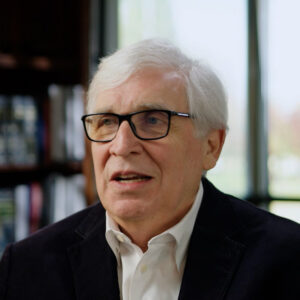 Michael Hackard is the founder of Hackard Law, a California trust and estate litigation firm with more than five decades of experience protecting the inheritance rights of families across Sacramento, the San Francisco Bay Area, and Los Angeles. He is the author of four published books on inheritance protection and has produced more than 1,000 educational videos with over seven million views.