


 (916) 313-3030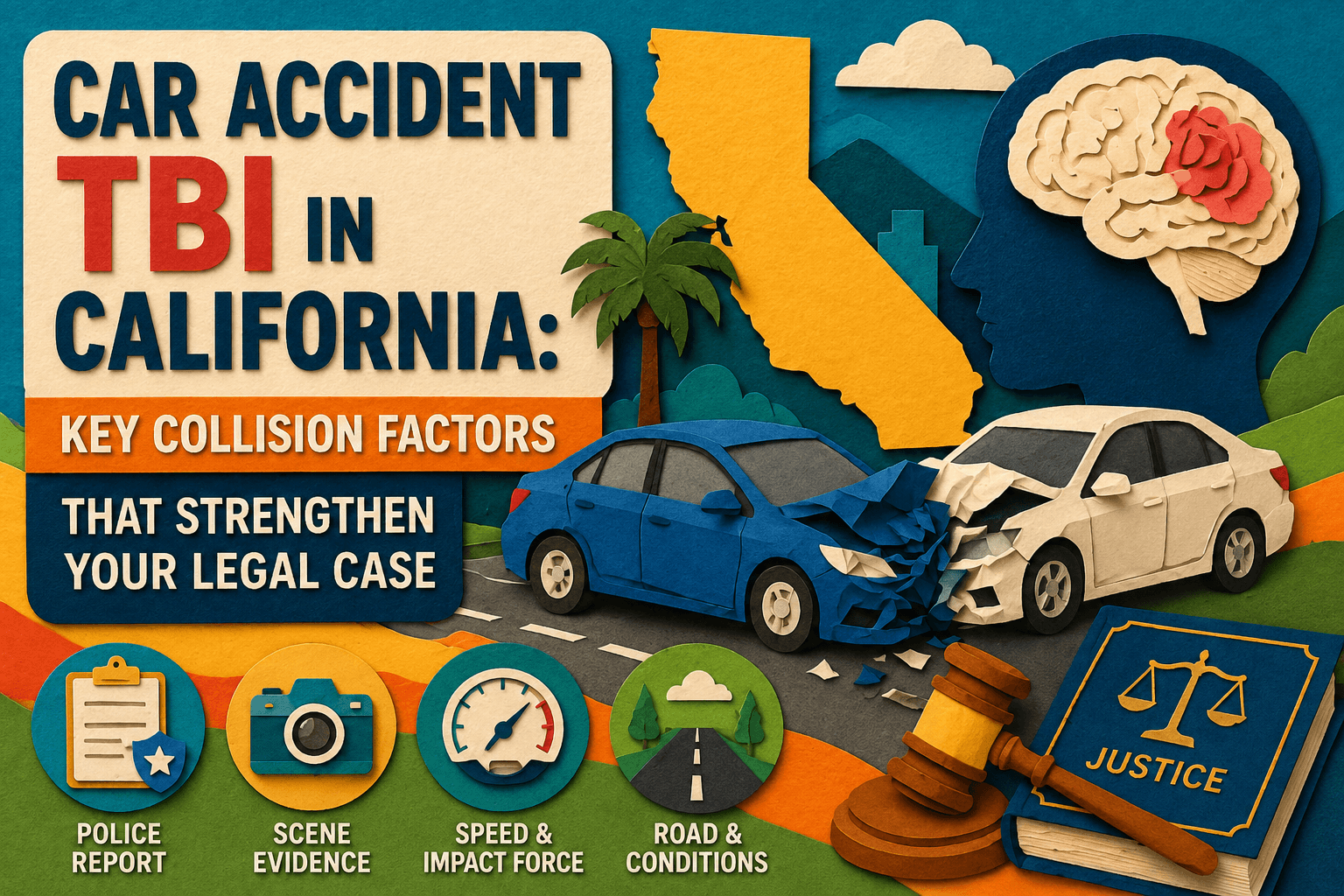
Car Accident TBI in California: Key Collision Factors That Strengthen Your Legal Case
When a Car Accident Becomes a Brain Injury Case
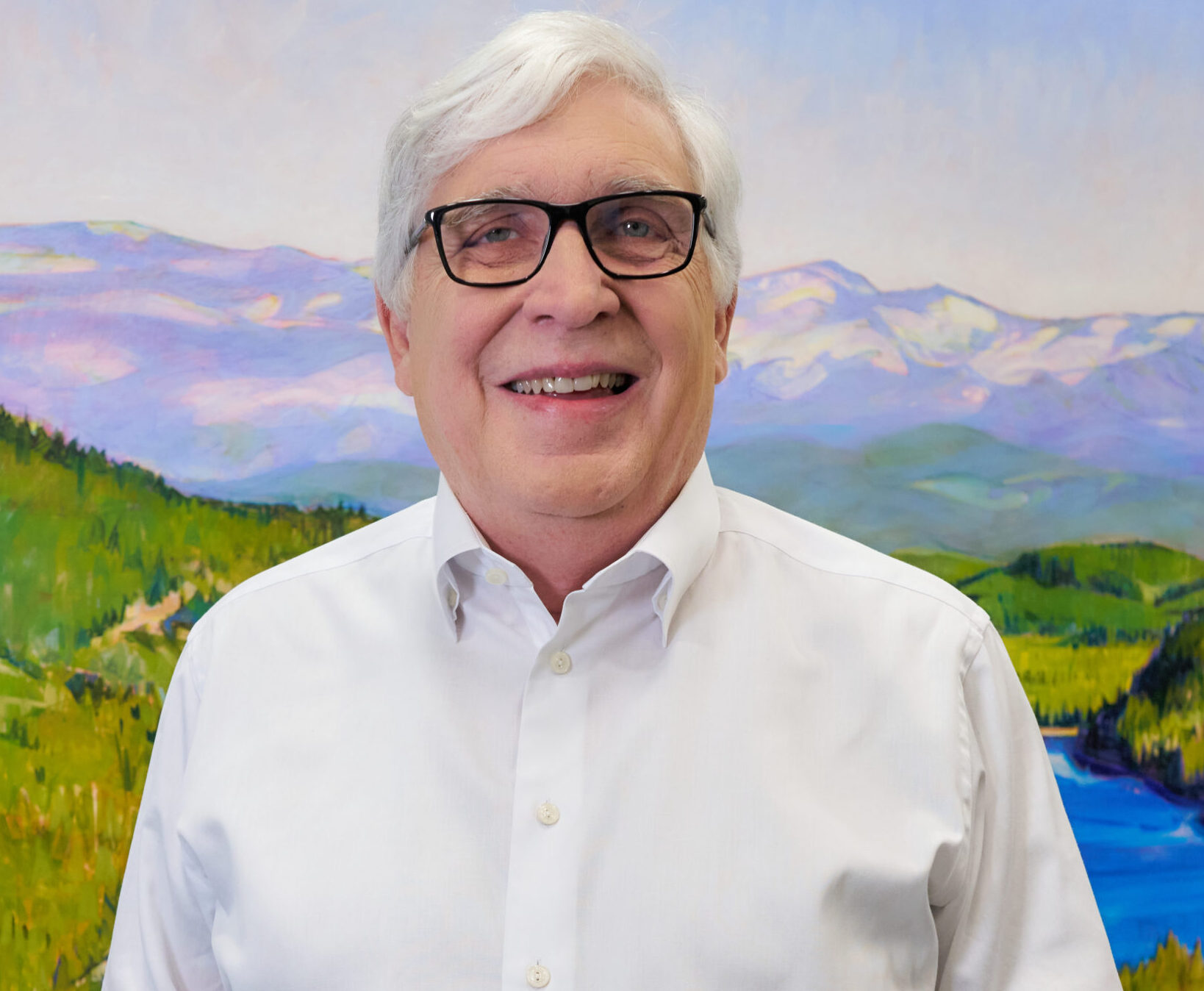
I’m Michael Hackard, founder of Hackard Law. Over my five decades of practice, I have fought for injury victims and families across California – from Sacramento to the San Francisco Bay Area and Los Angeles. I have written four published books on protecting the rights of those who have been wronged, and our firm has produced more than 1,000 educational videos that have reached over seven million viewers. Traumatic brain injury cases are among the most serious matters our firm handles, and they demand the kind of focused, experienced advocacy that comes from decades in the courtroom.
A traumatic brain injury can change everything in an instant. The physical pain, the cognitive fog, the emotional toll on families – these are not abstract concepts to me. I have sat across from people who walked away from a crash thinking they were fine, only to discover weeks later that something was deeply wrong. Understanding what happened in the collision is the first step toward building a case that reflects the true severity of what you suffered.
Hackard Law provides contingency fee representation for qualified TBI cases – no upfront costs, no fees unless we recover for you. To speak with our team today, call (916) 313-3030.
Quick Summary
California car accident victims who suffer traumatic brain injuries need to understand which collision factors signal a high-force impact and how those factors support a legal claim for compensation.
- Airbag deployment, extensive vehicle damage, and high-speed impacts are strong indicators of collision severity.
- T-bone crashes and multiple impacts compound injury risk, especially for head trauma.
- Head strikes inside the vehicle – against the steering wheel, window, or headrest – raise immediate TBI concerns.
- Hackard Law handles TBI cases on contingency, meaning qualified clients pay nothing upfront.
- Early legal intervention matters – evidence degrades and deadlines apply.
Why Collision Factors Matter in a TBI Claim
In a traumatic brain injury case, the physical evidence from the crash scene and the damaged vehicles often tells the story before any medical record does. Insurance companies and defense attorneys will scrutinize every detail of the collision to minimize what happened. That is why documenting and understanding the key collision factors is not just useful – it is essential.
California courts and juries look at the totality of the crash when evaluating injury claims. The more clearly you can connect the force of the collision to the injuries you suffered, the stronger your case becomes. Hackard Law works with accident reconstruction professionals and medical consultants to build that connection with precision.
For a deeper look at what TBI settlements look like in California, our team has written a detailed resource outlining the average TBI settlement.
Six Collision Indicators That Signal a Serious Impact
Not every car accident produces visible injuries. TBI is particularly deceptive – symptoms can be delayed, subtle, or misattributed to stress or fatigue. That is why the physical evidence of the crash itself becomes so important in establishing what the body was subjected to.
Extensive property damage is one of the clearest indicators. When a vehicle’s body panels, frame, or major mechanical components are significantly deformed, it reflects the enormous energy transferred during impact. That energy does not stop at the car’s exterior – it travels through the vehicle and into the occupants.
Airbag deployment is another critical factor. Airbags are engineered to deploy only when sensors detect a collision of sufficient force. If the airbags fired, the crash exceeded a defined threshold of severity. That fact alone carries weight in a legal proceeding.
T-bone collisions – side-impact crashes where another vehicle strikes directly into the door panel – are among the most dangerous. The side of a vehicle offers far less structural protection than the front or rear. Occupants in these crashes are exposed to lateral forces that the body is not designed to absorb safely, and head movement in a T-bone impact can be violent and abrupt.
Case Pattern: A driver was struck on the driver’s side door at an intersection. The airbags deployed, the door frame was crushed inward, and the driver reported feeling disoriented at the scene. In cases with this profile – side impact, airbag deployment, and immediate cognitive symptoms – the collision evidence has supported significant TBI claims.
High-speed impacts dramatically increase the force of injury. Physics is unforgiving: the energy of a collision increases with the square of the vehicle’s speed. A crash at 60 miles per hour does not merely double the harm of a 30-mile-per-hour crash – it quadruples the force involved. When the other driver was speeding, that fact becomes a central element of both liability and damages.
Multiple impacts compound the risk further. When a vehicle is struck and then collides with a second object – a guardrail, a median, or another vehicle – the occupant absorbs successive waves of force. Each impact adds to the cumulative trauma the brain has sustained.
Finally, head strikes inside the vehicle are among the most direct indicators of potential TBI. Contact with the steering wheel, the side window, the headrest, or any interior surface can cause the brain to move within the skull. Even without loss of consciousness, a head strike warrants immediate medical evaluation and legal attention.
The Hidden Nature of Traumatic Brain Injury
One of the most difficult aspects of TBI litigation is that the injury is often invisible at first. Emergency room scans may not capture what is happening at the cellular level. Victims sometimes feel pressure – from insurers, from employers, even from family – to minimize their symptoms and move on.
I have seen this pattern repeatedly over the years: someone dismisses their headaches, their difficulty concentrating, their irritability, as normal stress after an accident. By the time the full picture becomes clear, valuable time has been lost. This is why I always urge accident victims to take their symptoms seriously from the beginning.
Our firm has written about why some brain injury survivors do not realize they are injured – a phenomenon with real legal consequences. If you are in that situation, you are not alone, and you are not imagining it.
Case Pattern: A passenger in a rear-end collision reported no immediate symptoms but noticed increasing difficulty with memory and concentration over the following weeks. No head strike was observed, but the vehicle sustained significant rear-end damage and the airbags deployed. In cases with delayed symptom onset and strong collision evidence, medical documentation gathered promptly has proven decisive in establishing the connection between the crash and the injury.
If you are wondering whether you have grounds for a legal claim, our page on suing for brain damage addresses that question directly.
How Hackard Law Approaches TBI Cases
Hackard Law litigates TBI cases with the same intensity we bring to every matter – thorough investigation, careful documentation, and a refusal to accept lowball offers from insurers who count on victims not knowing their rights. Michael Hackard and the team understand that behind every case file is a person whose life has been disrupted in ways that may not be fully visible to anyone else.
For California accident victims, our Sacramento TBI lawyer page explains how our team approaches these cases from intake through resolution. We also serve clients throughout the state, including the Bay Area and Southern California.
Discovery, medical analysis, and the pursuit of fair compensation – these are not just legal strategies, but safeguards for families whose lives have been upended by someone else’s negligence. A steadfast commitment to truth restores what a preventable crash tried to steal.
Key Definitions
- Traumatic brain injury (TBI): A disruption in normal brain function caused by a bump, blow, or jolt to the head, or a penetrating head injury.
- Airbag deployment threshold: The minimum collision force required to trigger airbag sensors; deployment signals a legally significant impact.
- T-bone collision: A side-impact crash in which one vehicle strikes the side of another at or near a perpendicular angle.
- Coup-contrecoup injury: Brain trauma that occurs both at the site of impact and on the opposite side of the brain as it rebounds within the skull.
- Anosognosia: A condition in which a brain injury survivor lacks awareness of their own impairment, common in TBI cases.
- Property damage evidence: Physical damage to a vehicle used to establish the force and nature of a collision in litigation.
- Contingency fee representation: A legal fee arrangement in which the attorney is paid only if the client recovers compensation; no upfront costs.
- Statute of limitations: The legal deadline for filing a personal injury claim in California, generally two years from the date of injury.
- Multiple impact: A crash sequence in which a vehicle sustains more than one collision event, compounding occupant injury risk.
- Head strike: Direct contact between an occupant’s head and any interior vehicle surface during a collision.
What to Do Next
- Get a medical evaluation immediately after any car accident, even if you feel fine – TBI symptoms can be delayed.
- Get copies of the police report, photos of vehicle damage, and any witness information as soon as possible.
- Look for any airbag deployment, dashboard damage, or cracked windows that document the collision’s force.
- Try to avoid giving recorded statements to the other driver’s insurance company before speaking with an attorney.
- Write down your symptoms daily – headaches, memory issues, sleep disruption, mood changes – so there is a contemporaneous record.
- Look for medical providers who have experience evaluating traumatic brain injuries, not just general practitioners.
- Try to avoid settling quickly; TBI effects can take weeks or months to fully manifest.
- Visit our contact page to reach Hackard Law for a free consultation.
- Call Hackard Law at (916) 313-3030 to speak with our team about your California car accident TBI case.
CALL THE SAGE | When Experience Matters, Families Listen
🏛️ We practice California trust & estate & elder financial abuse litigation
⚖️ We represent heirs, beneficiaries, and elder abuse victims
🎥 1,000+ educational videos | 7 million+ views | 4 published books
🎯 “After thousands of cases, I see the pattern others miss.”
CONTINGENCY REPRESENTATION – No Win, No Fee
Throughout California: Sacramento | Los Angeles | Bay Area
📞 CALL THE SAGE: (916) 313-3030
Subscribe for weekly insights on:
- Elder financial abuse warning signs and prevention
- Trust and estate litigation strategies
- Inheritance protection for California families
- Family protection strategies
When your inheritance is under attack, Call The Sage.
Hackard Law | 10640 Mather Blvd, Mather CA 95655
Attorney Advertisement | Michael Hackard, State Bar #71067
RELATED VIDEOS
Unlocking the Science Behind Traumatic Brain Injury (TBI) in Car Accidents
Explores the biomechanics of how car crashes cause traumatic brain injuries.
Understanding Traumatic Brain Injury: Common Types Resulting from Car Accidents
Breaks down the different types of TBIs that commonly result from vehicle collisions.
What Elements are Needed to Prove Negligence in Traumatic Brain Injury (TBI) | Hackard Law TBI FAQ
Explains what you must establish to build a successful TBI negligence claim.
Traumatic Brain Injury (TBI): Recovering Damages
Covers the types of compensation available to TBI victims pursuing a legal claim.
California Car Crashes | Elements of Compensation
Outlines what damages California car accident victims may be entitled to recover.
Settling mTBI Claims: How Soon is Too Soon?
Discusses the risks of settling a mild traumatic brain injury claim too early.
 Michael Hackard is the founder of Hackard Law, a California trust and estate litigation firm with more than five decades of experience protecting the inheritance rights of families across Sacramento, the San Francisco Bay Area, and Los Angeles. He is the author of four published books on inheritance protection and has produced more than 1,000 educational videos with over seven million views.