


 (916) 313-3030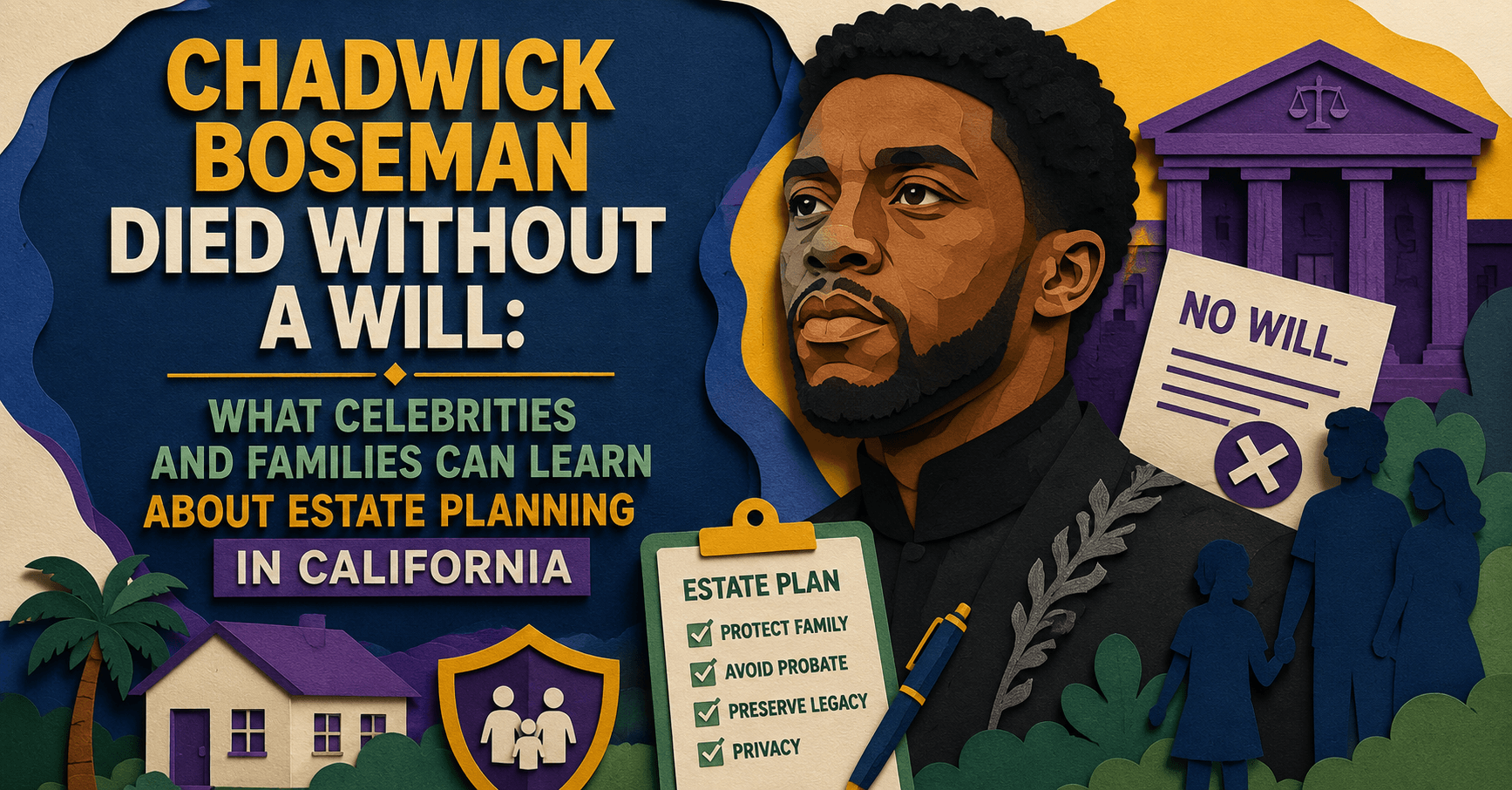
Chadwick Boseman Died Without a Will: What Celebrities and Families Can Learn About Estate Planning in California
Why Chadwick Boseman’s Estate Matters to Every California Family
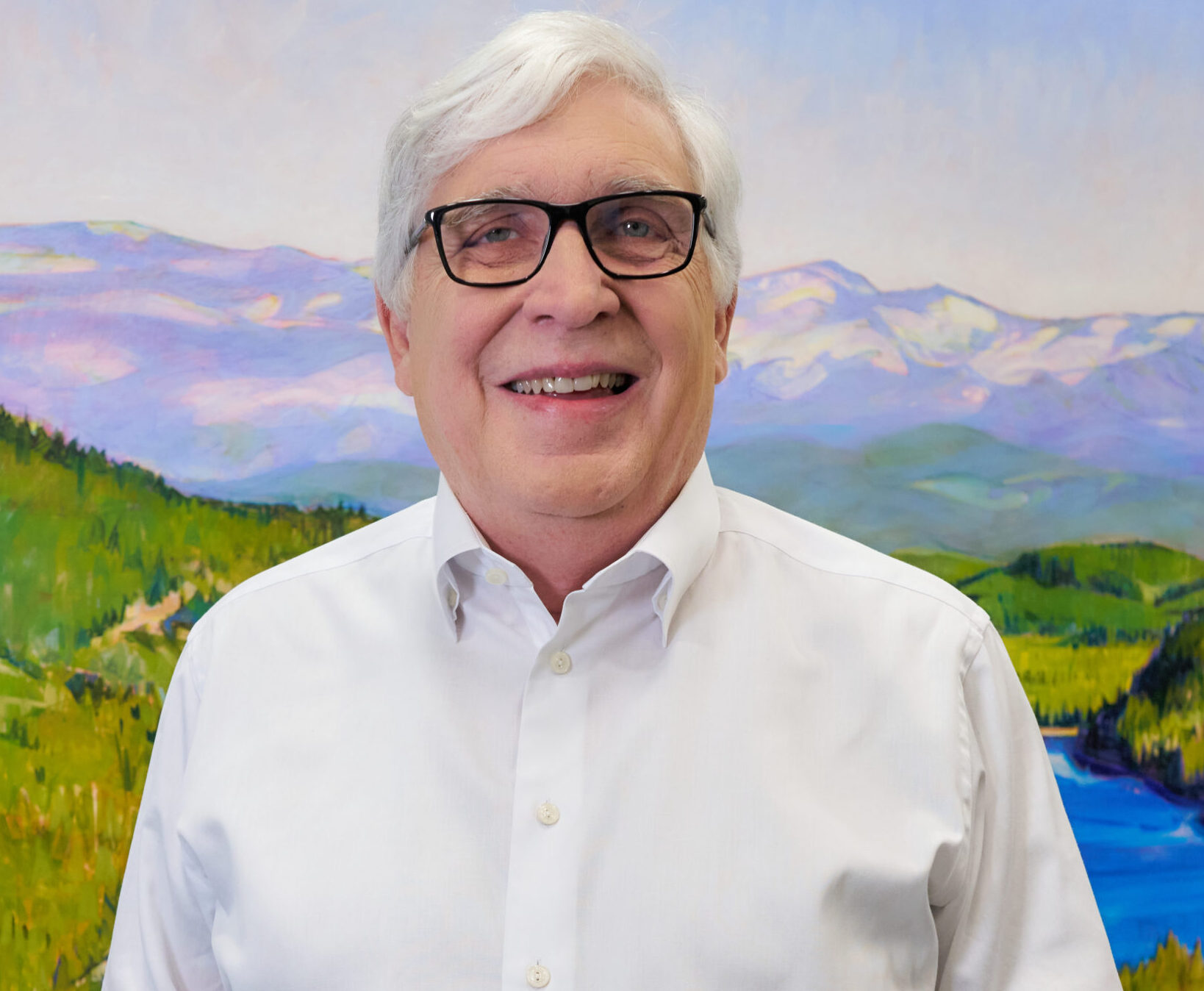
I am Michael Hackard, founder of Hackard Law. Over my five decades of practice, I have fought for families caught in some of California’s most contested trust and estate disputes. I have written four published books on inheritance protection and produced more than 1,000 educational videos that have reached over seven million viewers. My practice serves families across Sacramento, the San Francisco Bay Area, and Los Angeles – families who deserve both justice and privacy when a loved one dies.
The world mourned the passing of a talented actor when Chadwick Boseman died in 2020. As an estate attorney, one fact stood out immediately: he died without a will. His wife was forced to file public court documents to administer his estate, exposing their family’s financial affairs to the full glare of public scrutiny. Boseman’s story is a powerful reminder that no matter how successful a person becomes, without a proper estate plan, the legal system – not the family – takes control.
Hackard Law provides contingency fee representation for qualified trust and estate litigation matters, meaning there are no upfront costs for eligible clients. To discuss your situation, call us at (916) 313-3030.
Quick Summary
Chadwick Boseman’s death without a will forced his estate into public probate, illustrating the serious privacy and financial risks that come with inadequate estate planning. California families – whether celebrities or not – can use trusts and careful planning to avoid these outcomes.
- Dying without a will in California triggers intestate succession and public probate proceedings.
- Revocable and irrevocable trusts offer privacy, asset protection, and more efficient wealth transfer.
- Copyright and royalty rights survive death and must be addressed in an estate plan.
- Public probate exposes a family’s finances to court records anyone can view.
- Early planning with qualified legal counsel prevents costly, painful disputes.
What Happens When You Die Without a Will in California
When a person dies without a will – a condition the law calls dying intestate – California’s intestate succession laws determine who inherits. The probate court supervises the process, and the filings become part of the public record. For a private family, that is disruptive. For a celebrity’s family, it can become a media event.
Boseman’s wife had to petition the court for authority to manage his estate. Every document filed – asset values, debts, distributions – became accessible to anyone who wanted to look. This is not a hypothetical inconvenience. It is a real and avoidable harm that proper planning eliminates.
For California families navigating these situations, understanding the most common probate, trust, and estate battles is a useful starting point. Disputes over intestate estates are among the most frequent sources of family conflict in probate court.
How Trusts Protect Privacy and Preserve Wealth
One of the most effective means of probating away from the public eye is the revocable living trust. Since trust assets pass to the beneficiary immediately, without court intervention, the family’s financial details remain a secret. The grantor of the trust retains complete control until death and can alter or revoke the trust at any time.
Irrevocable trusts serve a different purpose. Once established, they generally cannot be changed, but they offer stronger asset protection and can provide significant tax advantages. For high-net-worth individuals – including entertainers with royalty streams and intellectual property – irrevocable trusts can shield assets from creditors and reduce estate tax exposure.
Case Pattern: Protecting a Creative Legacy
The family sought out Hackard Law due to the passing of a musician who left behind a simple will. This led to the need for a long and costly process of probate where almost all the rights pertaining to royalties were distributed to heirs. In about two years, it cost the family quite a lot of money, and the entire process was open to everyone to see.
Copyright and Royalty Rights: The Hidden Estate Asset
For celebrities, sportspeople, and artists, the concept of intellectual property never dies even after one’s demise. According to federal law, the copyright for any work lasts for 70 years beyond the life of the author. Income from royalties from movies, music, books, and images may continue for many decades after one’s death.
These assets must be specifically addressed in an estate plan. A poorly drafted will or the complete absence of one leaves these rights vulnerable to disputes among heirs, beneficiaries, and elder abuse victims who may have competing claims. Licensing agreements, royalty streams, and image rights need careful legal structuring – not just a general bequest.
Families dealing with estate complications in Southern California can find guidance through Hackard Law’s Los Angeles estate litigation practice. For Northern California families, Sacramento contested will and trust representation is available as well.
Case Pattern: Royalty Rights Left Unaddressed
A family contacted Hackard Law after discovering that a deceased relative’s music royalties – worth hundreds of thousands of dollars – were being claimed by a business partner based on an informal agreement made years before death. Because no trust or clear testamentary direction existed, the dispute required litigation to resolve. The outcome protected the family’s share, but the process was long and expensive.
The Real Cost of Public Probate
Not only is probate a long process, but it is also open to the public, costly, and emotionally draining. California’s fees for probate are dictated by law and are based on a percentage of the gross value of the estate, rather than its net value. For example, even though a property might be valued at $1.5 million but still owes $900,000 in mortgage, it will incur fees.
For families who have lost a loved one, the probate process compounds grief with bureaucracy. The fracture that sometimes runs through families during this period can run too deep for any judgment to mend. Planning ahead is not just a financial decision – it is an act of care for the people left behind.
Families unsure how to find the right legal help can review guidance on how to choose the right probate lawyer for their situation.
Key Definitions
- Intestate succession: The legal process that determines how a deceased person’s assets are distributed when they die without a valid will.
- Revocable living trust: A trust created during a person’s lifetime that can be changed or revoked, and that passes assets to beneficiaries outside of probate.
- Irrevocable trust: A trust that generally cannot be modified after creation, offering stronger asset protection and potential tax benefits.
- Probate: The court-supervised process of validating a will and administering a deceased person’s estate.
- Copyright: The legal right to control reproduction and distribution of an original creative work, which survives the creator’s death.
- Royalty rights: Payments owed to the owner of intellectual property for the use of that property, which can continue generating income after death.
- Intestate heirs: Relatives entitled to inherit under California law when a person dies without a will.
- Estate administration: The process of collecting, managing, and distributing a deceased person’s assets, whether through probate or a trust.
- Contingency fee representation: A fee arrangement where the attorney is paid only if the client recovers money, with no upfront cost to the client.
- Likeness rights: Legal protections over the commercial use of a person’s name, image, or identity, which may survive death under California law.
What to Do Next
- Look for a qualified California estate planning attorney who understands both trust formation and litigation.
- Get copies of any existing wills, trust documents, or beneficiary designations for all accounts and policies.
- Try to avoid leaving intellectual property, royalty rights, or business interests out of your estate plan.
- Look into whether a revocable living trust fits your privacy and asset transfer goals.
- Get copies of all real property deeds to confirm how title is held and whether a trust transfer is needed.
- Try to avoid delaying estate planning conversations – the right time is always before a crisis.
- Look for legal counsel who can address both the planning and litigation sides of estate law in California.
- If a loved one has died without a will, try to avoid taking any action with estate assets before consulting an attorney.
- Call Hackard Law at (916) 313-3030 to speak with our team about your situation.
- You may also contact us via the contact form on our website to book an appointment.
CALL THE SAGE | When Experience Matters, Families Listen
🏛️ We practice California trust & estate & elder financial abuse litigation
⚖️ We represent heirs, beneficiaries, and elder abuse victims
🎥 1,000+ educational videos | 7 million+ views | 4 published books
🎯 “After thousands of cases, I see the pattern others miss.”
CONTINGENCY REPRESENTATION – No Win, No Fee
Throughout California: Sacramento | Los Angeles | Bay Area
📞 CALL THE SAGE: (916) 313-3030
Subscribe for weekly insights on:
- Elder financial abuse warning signs and prevention
- Trust and estate litigation strategies
- Inheritance protection for California families
- Family protection strategies
When your inheritance is under attack, Call The Sage.
Hackard Law | 10640 Mather Blvd, Mather CA 95655
Attorney Advertisement | Michael Hackard, State Bar #71067
RELATED VIDEOS
Estate Disasters | Dying without a Will
What really happens to your family and assets when you die intestate.
Estate Planning Myths That Could Cost Your Family Everything
Common misconceptions about estate planning that leave families exposed and unprotected.
Why Living Trusts Still End Up in Court | Avoid These Common Estate Planning Gaps
Even a living trust can fail your family if key planning gaps go unaddressed.
Robin Williams | Blended-Family Estate Tragedy
How Robin Williams’ estate plan unraveled into a painful family legal battle.
Ray Charles’ $100 Million Estate | Litigation Gridlock
Ray Charles’ massive estate became mired in years of costly litigation after his death.
Estate Planning Pitfalls: Avoid Costly Mistakes
A practical look at the planning errors that trigger expensive disputes for families.
 Michael Hackard is the founder of Hackard Law, a California trust and estate litigation firm with more than five decades of experience protecting the inheritance rights of families across Sacramento, the San Francisco Bay Area, and Los Angeles. He is the author of six published books and has produced more than 1,000 educational videos with over seven million views.