


 (916) 313-3030
Contesting a Will in California: Standing, Grounds, and What Winning Really Means

Who Can Challenge a Will – and Why It Matters
I am Michael Hackard, founder of Hackard Law. Over five decades of practice, I have fought for heirs, beneficiaries, and elder abuse victims whose inheritances were taken through fraud, undue influence, and manipulated estate documents. I have published four books on inheritance protection and produced more than 1,000 educational videos that have reached over seven million viewers. My firm serves clients across Sacramento, the San Francisco Bay Area, and Los Angeles – and I have seen firsthand how a flawed will can unravel a family’s future.
Will contests are among the most consequential proceedings in California probate law. Before any challenge can move forward, there is a threshold question that courts examine first: does the person bringing the challenge have the legal right to do so? That right is called standing, and without it, even the strongest case goes nowhere. Understanding standing – and what a successful contest actually delivers – is essential before any family commits to this path.
Hackard Law provides contingency fee representation for qualified will contest and estate litigation cases, meaning there are no upfront costs to families who move forward with us. To discuss your situation, call us at (916) 313-3030.
Quick Summary
California will contests require legal standing, must be filed within strict deadlines, and a successful challenge does not guarantee the challenger receives anything from the estate.
- Standing is defined under California Probate Code section 48 and requires a property right affected by the will
- Grounds for contest include lack of capacity, undue influence, fraud, forgery, duress, and improper execution
- A will contest must generally be filed within 120 days of the will’s admission to probate
- If no prior valid will exists, the estate passes under California’s intestacy statutes
- A victory that leaves the challenger with nothing is a real and avoidable outcome – sometimes called a Pyrrhic victory
Standing to Contest: Who Qualifies as an Interested Person
California Probate Code section 48 defines an interested person as an heir, devisee, child, spouse, creditor, beneficiary, or any other person holding a property right or claim against the estate that may be affected by the proceeding. This is not a casual standard. Courts look at whether the outcome of the will contest would directly affect the challenger’s financial interest.
As trust and estate litigator Denise Chambliss has noted, it is black letter law that beneficiaries of an earlier will – whose interests are impaired or defeated by a later will offered for probate – have standing under section 48 to contest that later will. If you were named in a prior version of the will and the new version cuts you out or reduces your share, you likely have standing. If you have no prior interest and no legal claim to the estate, the court will not hear your challenge.
For families in the Bay Area navigating these questions, Oakland estate litigation and Santa Clara estate litigation involve the same standing analysis that applies statewide.
The Grounds for Contesting a Will in California
California acknowledges a number of recognized grounds for contesting the validity of a will. These reflect a common legal heritage and are similar to the grounds accepted in common law jurisdictions such as England, Australia, Canada, and New Zealand.
The recognized grounds include improper execution (the will was not signed or witnessed correctly), lack of testamentary capacity (the testator did not understand what they were signing or the nature of their estate), undue influence (someone overcame the testator’s free will), fraud (the testator was deceived into signing), forgery, duress, mistake, and revocation. California’s community property rules add another layer: a spouse’s right to dispose of assets by will is limited to their 50% share of community property. A surviving spouse is entitled to their half by law, regardless of what the will says.
Case Pattern: A family member discovers that an elderly parent’s final will was signed just weeks before death, after a new caregiver had assumed complete control over the parent’s daily life and finances. The prior will had divided the estate equally among three children. The new will left everything to the caregiver. Challenging the later will on grounds of undue influence and lack of capacity, the family was able to restore the prior equal distribution – but only because the earlier will was valid and clearly documented.
For a broader look at how these disputes unfold, the top 10 most common probate, trust, and estate battles offers useful context.
The 120-Day Deadline and Why Speed Matters
A challenge to a will already admitted to probate is untimely if filed more than 120 days after admission. Once that window closes, California law conclusively establishes the will’s validity. There is no extension, no exception for families who were unaware of the filing, and no second chance.
This deadline greatly accelerates the decision-making process. Families have limited time to gather information, speak with legal counsel, and decide whether to move forward while also grieving. While acting swiftly does not imply being careless, it does mean that waiting is not an option. It is not too early to speak with a California estate litigation lawyer soon after a loved one passes away. It is frequently your only option for protecting your rights.
Hackard Law handles will contest matters across the Bay Area, including through our Santa Clara will and trust contest practice. Families in Northern California can also review our contingency fee representation guide to understand how these cases are funded.
The Pyrrhic Victory Problem
This is the concept that surprises families most. Winning a will contest does not mean the challenger receives a windfall. It means the estate is distributed according to the most recent prior valid will. If the challenger is not named in that earlier will, they receive nothing – despite prevailing in court.
If there is no earlier valid will at all, the estate passes under California’s intestacy statutes. Those statutes distribute assets based on family relationships: different rules apply depending on whether the decedent had a surviving spouse, children, or neither. The outcome under intestacy may or may not favor the person who brought the contest.
Case Pattern: An adult child successfully challenged a will that had been procured through fraud, only to discover that the prior will – the one restored by the court’s ruling – left the entire estate to a sibling. The contest was won. The challenger received nothing. The lesson: before filing, every family needs to understand exactly what distribution a successful contest will produce.
The financial toll of a will contest grows quickly when the strategy has not been fully mapped in advance. The fracture it causes within families often runs too deep for any judgment to mend. A steadfast commitment to truth restores what dishonesty tried to steal – but only when the legal path has been carefully chosen.
For decades, I have stood with families who were cheated out of what their loved ones intended for them. Discovery, forensic analysis, and the pursuit of justice are not just legal strategies – they are safeguards for heirs, beneficiaries, and elder abuse victims threatened by manipulation and fraud. But the strategy must account for what comes after the win, not just the win itself.
Key Definitions
- Standing: The legal right to bring a court challenge, requiring a property interest affected by the proceeding.
- Interested person: Defined under California Probate Code section 48 to include heirs, devisees, spouses, creditors, and beneficiaries whose interests may be affected.
- Testamentary capacity: The mental ability to understand the nature of a will, the extent of one’s property, and the identity of natural heirs at the time of signing.
- Undue influence: Pressure that overcomes the testator’s free will and substitutes another person’s wishes for the testator’s own.
- Intestacy: The condition of dying without a valid will, triggering California’s statutory distribution rules.
- Pyrrhic victory: A legal win that produces no practical benefit for the prevailing party – winning the contest but receiving nothing from the estate.
- Community property: Assets acquired during marriage that are owned equally by both spouses under California law, limiting each spouse’s testamentary power to their 50% share.
- Admission to probate: The court’s formal acceptance of a will as valid, which starts the 120-day contest deadline.
- Revocation: The legal cancellation of a prior will, which may occur through a later will, physical destruction, or other acts recognized under California law.
- Forgery: The creation or alteration of a will without the testator’s knowledge or consent, a recognized ground for contest.
What to Do Next
- Look for any prior versions of the will and compare them to the version currently offered for probate.
- Get copies of the death certificate and any probate filings as soon as possible to track the 120-day deadline.
- Look for documentation of the testator’s mental and physical condition in the weeks and months before signing.
- Try to avoid discussing the contest openly with potential witnesses before speaking with an attorney.
- Look for financial records, medical records, and correspondence that might show undue influence or fraud.
- Get a clear picture of who was present when the will was signed and who benefited most from its terms.
- Try to avoid assuming that winning the contest will automatically produce the result you expect – review what the prior will says first.
- Look into California’s intestacy rules if no prior will exists, so you understand the default distribution before proceeding.
- Call Hackard Law at (916) 313-3030 to discuss your situation with an attorney who handles will contests across the Bay Area and statewide.
- Visit our contact page to reach us online and schedule a consultation.
CALL THE SAGE | When Experience Matters, Families Listen
🏛️ We practice California trust & estate & elder financial abuse litigation
⚖️ We represent heirs, beneficiaries, and elder abuse victims
🎥 1,000+ educational videos | 7 million+ views | 4 published books
🎯 “After thousands of cases, I see the pattern others miss.”
CONTINGENCY REPRESENTATION – No Win, No Fee
Throughout California: Sacramento | Los Angeles | Bay Area
📞 CALL THE SAGE: (916) 313-3030
Subscribe for weekly insights on:
- Elder financial abuse warning signs and prevention
- Trust and estate litigation strategies
- Inheritance protection for California families
- Family protection strategies
When your inheritance is under attack, Call The Sage.
Hackard Law | 10640 Mather Blvd, Mather CA 95655
Attorney Advertisement | Michael Hackard, State Bar #71067
RELATED VIDEOS
Standing in California Trust & Estate Cases | The Officious Intermeddler
Explains who legally qualifies to bring a trust or estate challenge in California.
Do I Have Standing for a Trust Contest? | Trust Litigation Attorney
Walks through how courts determine whether you can contest a trust.
Do Mistakes Invalidate a Will? | Hackard Law Estate Litigation FAQ
Examines which types of errors can render a will legally invalid.
Estate Litigation: Go or No Go?
Helps families weigh whether pursuing estate litigation is worth the effort and cost.
Three Major Estate & Probate Litigation Mistakes
Covers the most common and costly errors people make in probate litigation.
Top 10 Types of Estate Battles | CA Probate & Trust Litigation
Surveys the most frequent disputes that arise in California probate and trust cases.
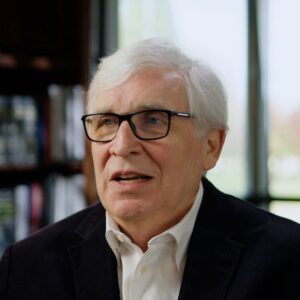 Michael Hackard is the founder of Hackard Law, a California trust and estate litigation firm with more than five decades of experience protecting the inheritance rights of families across Sacramento, the San Francisco Bay Area, and Los Angeles. He is the author of six published books on inheritance protection and has produced more than 1,000 educational videos with over seven million views.