


 (916) 313-3030
Cut Out of a California Inheritance? Here’s What You Can Do

What It Means to Be Disinherited
I am Michael Hackard, founder of Hackard Law. Over five decades of practice, I have fought alongside heirs, beneficiaries, and elder abuse victims who were blindsided to discover they had been cut out of a will or trust they had every reason to expect. These situations are rarely simple. A document may look valid on its surface while concealing manipulation, fraud, or a loved one’s failing mental state. I have written four books on inheritance protection and produced more than 1,000 educational videos that have reached over seven million viewers – because this knowledge belongs in the hands of families, not just lawyers. Hackard Law serves clients across California, from Sacramento and the San Francisco Bay Area to Los Angeles and the communities in between. If you have been disinherited and you are not sure why, or you suspect something went wrong, this post is for you.
Hackard Law provides contingency fee representation for qualified inheritance and estate disputes – meaning no upfront costs to you. To speak with our team, call (916) 313-3030 today.
Quick Summary
Being cut out of a California inheritance does not always mean the outcome is final. You may have legal grounds to challenge the will or trust, but time is critical.
- California law allows challenges based on undue influence, lack of testamentary capacity, or fraud
- Strict deadlines apply – waiting too long can permanently bar your claim
- Evidence gathering, legal review, and prompt action are the foundation of any successful challenge
- Settlement is possible in many cases without going to full trial
- Contingency fee representation makes legal help accessible even when you have no funds to pay upfront
Understanding Why Disinheritance Happens – and When It Is Legally Suspect
Not every disinheritance is the result of wrongdoing. A parent may have made a deliberate, informed choice to leave assets differently than expected. But in a troubling number of cases, a will or trust was changed under circumstances that the law does not accept as legitimate.
Undue influence is one of the most common grounds for challenging an estate document. It occurs when someone in a position of trust – a caregiver, a new companion, a financially dependent child – uses that position to override the true wishes of the person making the estate plan. The changes often happen quietly, near the end of life, when the elder is isolated from family and dependent on the very person who stands to benefit.
Another acknowledged reason is the absence of testamentary capacity. According to California law, a person creating a will or trust must be aware of the act’s nature, the extent of their property, and their natural heirs. Documents signed during that time may be legally vulnerable if cognitive decline, dementia, or medication impairs that understanding.
Fraud covers situations where someone was deceived – told they were signing one document when they were actually signing another, or manipulated through deliberate misrepresentation. You can read more about undue influence in California estate law and how courts evaluate these claims.
Case Pattern: One adult child was the only person who could provide daily care for a widowed parent whose health was deteriorating. The estate plan was changed in a matter of months to completely exclude the other children. The excluded children learned that the changes had occurred during a period of documented cognitive decline after the parent passed away. Courts take the pattern of isolation, dependency, and last-minute document changes seriously.
The Steps You Need to Take After Being Disinherited
If you have been cut out of an inheritance, the most important thing you can do is act quickly. California imposes strict deadlines on will and trust contests, and missing them can end your case before it begins.
The first step is to have a lawyer review the actual will or trust document. You need to understand what it says, when it was signed, and whether any amendments were made close to the end of the person’s life. The timing of changes is often one of the most telling facts in a dispute.
The next step is to determine if you have the legal right to contest. In California, standing usually means that if the contested document were to be set aside, you would have inherited under a previous will, trust, or the laws of intestate succession. Even a compelling factual case cannot move forward without standing.
Once standing is confirmed, your attorney will evaluate the grounds for challenge. This is where the facts matter most – medical records, witness accounts, financial transactions, and the circumstances surrounding the signing of the document all become relevant. Hackard Law’s approach to these cases draws on decades of litigation experience and a deep understanding of how courts weigh credibility in contested estate matters. For a broader look at how these disputes unfold, the trust traps and inheritance heist patterns Hackard Law encounters in practice are worth understanding before you proceed.
Case Pattern: A family member discovered that a trust amendment, signed just weeks before their relative’s death, redirected a substantial estate to a neighbor who had recently become the elder’s sole caretaker. The original trust had been in place for over twenty years. The sudden, late-stage change – combined with evidence that the elder had been discouraged from contacting family – formed the core of a successful challenge.
What Undue Influence Really Looks Like in California Courts
California has one of the most developed legal frameworks for identifying and proving undue influence in estate cases. Courts do not require proof of overt coercion. Instead, they look at a pattern of behavior – the relationship between the influencer and the elder, the degree of dependence, whether the elder was isolated from others, and whether the resulting document is consistent with a lifetime of expressed wishes.
The Wolf at the Door framing I have used in public discussions captures what these cases often feel like to families – a quiet, patient manipulation that is only visible in retrospect. By the time the elder has passed and the document is revealed, the influencer has often positioned themselves perfectly.
Elder financial exploitation frequently runs alongside undue influence. A person who manipulates an estate plan may also be draining bank accounts, redirecting investment assets, or pressuring the elder to make gifts. Understanding elder financial exploitation as a connected pattern – not just a separate problem – is essential to building a complete legal strategy.
For cases involving life insurance beneficiary designations that were changed under suspicious circumstances, the same legal principles can apply. California courts have addressed fraud and undue influence in life insurance beneficiary changes, and those claims can run parallel to a trust or will contest.
Settlement, Mediation, and the Path Forward
Not every inheritance dispute ends in a courtroom battle. Many cases resolve through negotiation or mediation – and for families who want to preserve some relationship while still recovering what was wrongfully taken, that path can make sense.
Settlement discussions typically begin after both sides have assessed the strength of the evidence. A well-documented claim of undue influence or lack of capacity creates real pressure on the party holding the challenged document. When the evidence is strong, the other side often has reason to negotiate rather than face a full trial.
For cases involving trustee conduct – delays, refusals to provide accountings, or distributions that benefit one party over others – there are additional legal tools available. California beneficiaries have rights that extend beyond simply contesting a document, including the right to compel a trustee to act. Understanding what California beneficiaries can do when a trustee delays distributions is an important part of the full picture.
For decades, I have stood with families at the most difficult moments of their lives – after a loss, after a betrayal, after discovering that someone they trusted had taken advantage of a vulnerable elder. Discovery, forensic analysis, and the pursuit of justice are not just legal strategies, but safeguards for families threatened by manipulation and fraud. The financial toll grows with every month of delay. The fracture in family relationships often runs too deep for any judgment to mend. But a steadfast commitment to truth restores what dishonesty tried to steal – and that is why this work matters.
Key Definitions
- Testamentary capacity: The legal standard requiring a person to understand what they own, who their heirs are, and what they are doing when they sign a will or trust.
- Undue influence: Pressure or manipulation by someone in a position of trust that overrides the free will of the person making estate decisions.
- Standing: The legal right to bring a contest, typically requiring that you would have inherited under a prior document or by law if the challenged document is set aside.
- Contest deadline: The statutory time limit for filing a challenge to a will or trust – missing it generally bars the claim permanently.
- Intestate succession: The default rules California uses to distribute an estate when there is no valid will or trust.
- Fraud in estate planning: A deliberate misrepresentation that causes a person to sign a document they did not intend or understand.
- Probate court: The California court that oversees will contests, trust disputes, and estate administration.
- Amendment: A change made to an existing trust document – late amendments made under suspicious circumstances are a common target in litigation.
- Contingency fee: A fee arrangement where the attorney is paid from any recovery, with no upfront cost to the client.
- Mediation: A structured negotiation process, often used to resolve estate disputes without a full trial.
What to Do Next
- Look for any prior versions of the will or trust – changes made close to death are often the most legally significant.
- Get copies of the current will or trust document as soon as possible.
- Try to avoid destroying, discarding, or transferring any property tied to the estate until you have spoken with a lawyer.
- Look for medical records that document the elder’s mental condition around the time the document was signed.
- Identify witnesses who had contact with the elder in the final months – their observations may be critical.
- Try to avoid confronting the person who received the inheritance directly before speaking with an attorney.
- Review any life insurance policies for beneficiary designations that may have been changed – these can be contested separately.
- Look into whether the estate plan was changed after a new person entered the elder’s life.
- Read about contingency fee representation so you understand your options if cost is a concern.
- Call Hackard Law at (916) 313-3030 to discuss your situation with our team. You can also reach us through our contact page.
CALL THE SAGE | When Experience Matters, Families Listen
🏛️ We practice California trust & estate & elder financial abuse litigation
⚖️ We represent heirs, beneficiaries, and elder abuse victims
🎥 1,000+ educational videos | 7 million+ views | 4 published books
🎯 “After thousands of cases, I see the pattern others miss.”
CONTINGENCY REPRESENTATION – No Win, No Fee
Throughout California: Sacramento | Los Angeles | Bay Area
📞 CALL THE SAGE: (916) 313-3030
Subscribe for weekly insights on:
- Elder financial abuse warning signs and prevention
- Trust and estate litigation strategies
- Inheritance protection for California families
- Family protection strategies
When your inheritance is under attack, Call The Sage.
Hackard Law | 10640 Mather Blvd, Mather CA 95655
Attorney Advertisement | Michael Hackard, State Bar #71067
RELATED VIDEOS
Capacity & Undue Influence | CA Estate Litigation
Explains how mental capacity and undue influence affect California estate disputes.
Countering Undue Influence | CA Estate Litigation
Walks through strategies for fighting back against undue influence in estate cases.
Inheritance Heists Ch. 9: Caregiver Undue Influence Against Seniors
Examines how caregivers exploit vulnerable seniors to manipulate wills and trusts.
How Long Do You Have to Contest a Will? | CA Estate Litigation
Covers the deadlines California law sets for challenging a will in court.
5 Key Tips on Trust Mediation & Settlement | CA Estate & Trust Litigation Attorney
Shares practical advice on resolving trust and estate disputes through mediation.
Deathbed Transfers & Undue Influence | CA Trust Attorney
Looks at last-minute asset transfers and the undue influence concerns they raise.
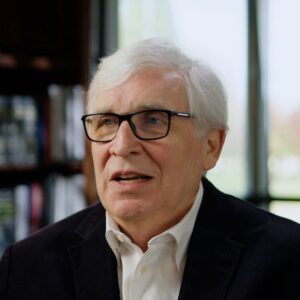 Michael Hackard is the founder of Hackard Law, a California trust and estate litigation firm with more than five decades of experience protecting the inheritance rights of families across Sacramento, the San Francisco Bay Area, and Los Angeles. He is the author of six published books on inheritance protection and has produced more than 1,000 educational videos with over seven million views.