D-Day and the Greatest Generation: Reflecting on Sacrifice, Legacy, and What We Owe Those Who Came Before
Quick Summary
June 6, 1944 — D-Day — was the largest amphibious military operation in history, launching the liberation of Western Europe from Nazi occupation.
The Greatest Generation’s sacrifices shaped the nation that baby boomers and subsequent generations inherited.
As the last surviving members of that generation pass away, preserving their legacy becomes both a personal and legal responsibility.
At Hackard Law, we see the intersection of legacy and law every day — protecting the inheritance rights of heirs, beneficiaries, and elder abuse victims is how we honor the values the Greatest Generation fought for.
June 6, 1944
On a gray Tuesday morning, more than 156,000 Allied soldiers crossed the English Channel and descended on the beaches of Normandy. They came from the United States, the United Kingdom, Canada, and a dozen other nations. They faced fortified German defenses, machine gun emplacements, minefields, and the chaos of amphibious warfare.
By the end of that single day, more than 4,400 Allied soldiers were dead. Thousands more were wounded or missing. The beaches — Utah, Omaha, Gold, Juno, Sword — became names seared into the memory of the 20th century.
D-Day was not the end of the war. It was, as many recognized even at the time, the beginning of the end. Nearly another year of brutal combat in Europe lay ahead before Germany’s surrender on May 8, 1945. But June 6th was the fulcrum — the day the tide turned irrevocably against the Nazi regime.
A Nation United in Purpose
What distinguished the America of 1944 was something that feels distant today: a near-total unity of national purpose. Over 11 million Americans were in uniform. Virtually every family had a direct connection to the war effort — a son, brother, father, or neighbor serving overseas. Those on the home front followed the news through radio broadcasts and newspaper headlines with an intensity that is difficult to imagine in an age of information saturation.
The generation that fought World War II — later named “the Greatest Generation” by journalist Tom Brokaw — did not seek that title. They were ordinary people who responded to extraordinary circumstances with sacrifice, endurance, and a shared commitment to something larger than themselves.
For baby boomers growing up in the 1950s and 1960s, D-Day was not a personal memory but a family one. It was the story told — or more often, not told — by fathers and grandfathers who had been there. Many veterans of Normandy and the broader European theater spoke rarely about their experiences. The silence itself communicated something: that what they had endured was beyond casual description.
How We Remember
Over the years, American celebrations of D-Day have changed. When the 20th anniversary was celebrated in the 1960s, the majority of American adults had personally experienced the war. The memorials bore the burden of individual experience.
By 1984, when President Ronald Reagan delivered his 40th anniversary address at Pointe du Hoc in Normandy, the audience had shifted. Many listeners were baby boomers who knew the war through their parents’ stories rather than their own experience. Reagan’s speech — addressing the aging Rangers who had scaled the cliffs on June 6, 1944 — was both a tribute and an acknowledgment that living memory was beginning to fade.
Steven Spielberg’s Saving Private Ryan in 1998 and HBO’s Band of Brothers in 2001 brought the visceral reality of the Normandy campaign to new generations. These works of art became, for many Americans, their primary connection to what D-Day actually looked and felt like. They served an essential function: translating lived experience into cultural memory before the last witnesses were gone.
The Greatest Generation Is Vanishing
The reality of demographics is striking. Out of the over 16 million World War II veterans, the National WWII Museum estimates that fewer than 100,000 are still alive in the United States. They are dying at a rate of several hundred every day. There won’t be any Americans alive in a few years who flew bombing missions over Germany, stormed the beaches, or anxiously awaited word of their loved ones at home.
This loss is not merely statistical. Each veteran who dies takes with them firsthand knowledge that no book, film, or museum can fully replicate. The texture of memory — what the air smelled like on a Normandy beach, the sound of a particular commanding officer’s voice, the feeling of receiving a letter from home — disappears forever.
For families across California and the nation, the passing of the Greatest Generation also triggers practical legal consequences. Estates must be administered. Trusts must be managed and eventually distributed. The wealth, property, and legacies that these men and women built over lifetimes must be transferred to the next generation — and, too often, that process becomes contentious.
Legacy and the Law
At Hackard Law, we work at the intersection of legacy and law every day. When a member of the Greatest Generation — or any generation — passes away, the estate they leave behind represents decades of work, sacrifice, and planning. How that estate is administered, and whether the decedent’s wishes are honored, matters enormously to the families involved.
We have seen cases where a veteran’s carefully drafted trust was undermined by a bad actor — a trustee who delayed distributions, a caregiver who exerted undue influence over an aging veteran, or a family member who manipulated estate documents for personal gain. These cases are deeply personal for everyone involved, and they represent a failure to honor the wishes of someone who spent a lifetime building something for their family.
California Probate Code provides robust protections for heirs and beneficiaries, but those protections are only meaningful if someone is willing to enforce them. That is what trust and estate litigation exists to do: ensure that the legal system fulfills its obligation to carry out a decedent’s genuine intentions.
Elder Abuse and the Aging Veteran Population
Aging veterans are among the most vulnerable groups in California’s expanding financial elder abuse crisis. Financial elder abuse is defined by California Welfare and Institutions Code Section 15610.30 as when an individual or organization takes, conceals, appropriates, obtains, or keeps an elder’s property for improper use or with the intent to deceive.
Veterans who survived the most harrowing experiences of the 20th century sometimes spend their final years at the mercy of those who would exploit their trust and diminish their estates. California law provides powerful remedies, including enhanced damages under Probate Code Section 859 (double damages for bad faith taking of estate property) and the disinheritance provisions of Probate Code Section 259 (barring those who commit elder abuse from inheriting).
Hackard Law has represented families of elder abuse victims in cases involving caregiver manipulation, unauthorized financial transactions, and systematic depletion of assets that veterans spent a lifetime accumulating. Protecting these individuals and their families is not just legal work — it is an act of respect for the legacy they built.
What We Owe
The divisions of contemporary American life are real and deeply felt. Regardless of one’s political perspective, the contrast between the national unity of 1944 and the fractures of the present is difficult to ignore. Whether that contrast is cause for mourning or simply an observation about the natural course of a democratic society is a question each person must answer for themselves.
What seems beyond dispute is that the men and women who served on D-Day and throughout World War II earned something from the generations that followed: the responsibility to remember what they did, to preserve the stories they told, and to honor the values they fought for — even when, and especially when, those values are tested.
Honoring the Greatest Generation in the context of estate and trust law means ensuring their final wishes are faithfully carried out. It entails holding fiduciaries responsible when they neglect their responsibilities. It also means defending beneficiaries, heirs, and victims of elder abuse when the legal system is their last resort.
Preserving Family Legacy Through Proper Estate Administration
For families navigating the aftermath of a loved one’s passing, understanding the stages of trust and estate litigation can provide clarity during a difficult time. Proper estate administration ensures that a lifetime of work is distributed according to the decedent’s wishes, not according to the preferences of those responsible for mismanaging the process.
If you suspect that a loved one’s estate is being mismanaged, or that a family member was subjected to undue influence or financial abuse in their final years, the most common probate and estate disputes often involve exactly these scenarios. You are not alone, and California law provides meaningful remedies.
Key Definitions
Fiduciary Duty: The legal obligation of a trustee, executor, or other appointed person to act in the best interests of the beneficiaries, with loyalty, prudence, and transparency.
Undue Influence: Excessive persuasion that overcomes a person’s free will, resulting in a legal document (such as a will or trust amendment) that does not reflect the person’s genuine wishes (Probate Code Section 86).
Financial Elder Abuse: The wrongful taking, secreting, appropriating, or retention of an elder’s property, as defined by Welfare and Institutions Code Section 15610.30.
Probate Code Section 259: A California statute that bars a person who has committed elder abuse, neglect, or fraud from receiving any benefit from the victim’s estate.
What to Do Next
Spend some time learning how you fit into your family’s estate. Be aware of your rights and expectations if you are a beneficiary, trustee, or executor.
Carefully go over your family’s estate plan. Clear intent should be reflected in wills, trusts, and related documents. Something should be examined more closely if it seems unclear or inconsistent.
Maintain vital documents and correspondence. Written correspondence, financial records, and previous estate plans may become crucial if questions arise later.
Be alert to signs of undue influence or financial elder abuse, particularly when aging family members are involved. These situations often develop quietly and worsen over time.
If you suspect mismanagement of a trust or estate, do not ignore it. California law provides strong protections, but they must be actively enforced.
Seek experienced legal guidance early. Addressing concerns at the outset can prevent unnecessary conflict and help ensure that your loved one’s wishes are honored.
Act promptly. Trust and estate matters are time-sensitive, and delays can limit your ability to protect your interests.
If your family has concerns about estate mismanagement, undue influence, or elder abuse, call Hackard Law at (916) 313-3030 to protect your loved one’s legacy and hold the right parties accountable.
CALL THE SAGE | When Experience Matters, Families Listen
THE EXPERTISE:
📚 50 years California trust, estate & elder financial abuse litigation
⚖️ We represent heirs, beneficiaries, and elder abuse victims
Directly references a blog resource with hundreds of answers — a perfect complement to a welcome blog post inviting readers to explore valuable content and insights.
Offers practical preparation advice — directly mirroring the blog’s promise of ‘Tips & Tricks: Practical advice you can use today’ for readers facing estate or trust disputes.
Frequently Asked Questions
When any person passes away, their estate must be administered according to their will or trust. For aging veterans, this process can be complicated by issues like diminished capacity in later years, potential undue influence by caregivers, or disputes among heirs. California Probate Code provides specific protections for these situations.
California has some of the strongest elder abuse laws in the nation. Welfare and Institutions Code Section 15610.30 defines financial elder abuse, and Probate Code Section 859 provides for enhanced damages (up to double the value of property wrongfully taken). Probate Code Section 259 can disinherit anyone who participated in elder abuse.
Yes. Hackard Law represents heirs, beneficiaries, and elder abuse victims in cases involving estate mismanagement, trustee misconduct, undue influence, and financial elder abuse. We work on acontingency fee basis for qualifying cases.
Document your concerns, preserve any relevant communications or financial records, and consult with an attorney who handles trust and estate litigation. Time is often critical in these cases — California has specific statutes of limitation that affect when claims must be filed.Contact Hackard Law for a consultation.
Under California Probate Code Section 16060, a trustee has a duty to keep beneficiaries reasonably informed about the trust and its administration. If a trustee is uncommunicative, delays distributions without explanation, or refuses to provide accountings, these may be signs of a breach of fiduciary duty. Learn more aboutwhat California beneficiaries can do to protect their rights.
Michael Hackard is the founder of Hackard Law, a California trust and estate litigation firm with more than five decades of experience protecting the inheritance rights of families across Sacramento, the San Francisco Bay Area, and Los Angeles. He is the author of four published books on inheritance protection and has produced more than 1,000 educational videos with over seven million views.


 (916) 313-3030
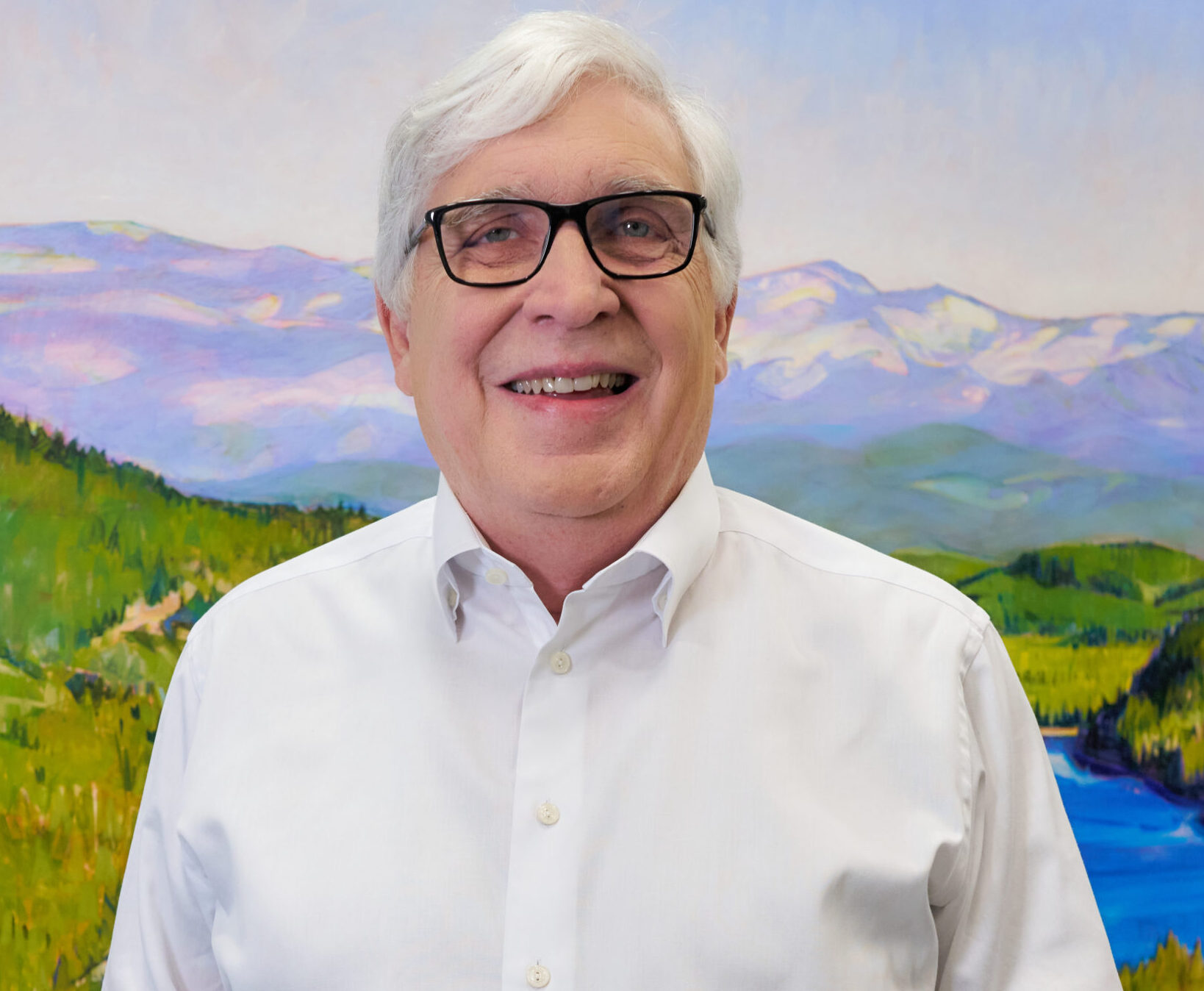
 Michael Hackard is the founder of Hackard Law, a California trust and estate litigation firm with more than five decades of experience protecting the inheritance rights of families across Sacramento, the San Francisco Bay Area, and Los Angeles. He is the author of four published books on inheritance protection and has produced more than 1,000 educational videos with over seven million views.