


 (916) 313-3030
Deathbed Transfers and Undue Influence in California Estate Law

When a Final Gift Becomes a Legal Battle
I am Michael Hackard, founder of Hackard Law. Over five decades of practice, I have fought for heirs, beneficiaries, and elder abuse victims whose inheritances were taken from them through manipulation, isolation, and fraud. I have written four books on inheritance protection, and our firm has produced more than 1,000 educational videos that have reached over seven million viewers. Deathbed transfers are among the most emotionally charged and legally complex disputes I encounter in this work.
Hackard Law serves clients across California, including the San Francisco Bay Area, Sacramento, and Los Angeles. Whether the dispute arises in Alameda County, Santa Clara County, or Contra Costa County, the patterns are often the same: a vulnerable person near death, an opportunistic influencer, and a family left to pick up the pieces.
If you believe a loved one’s estate was altered under undue influence, Hackard Law provides contingency fee representation – no upfront costs for qualified cases. Call us today at (916) 313-3030.
Quick Summary
Deathbed transfers are particularly susceptible to manipulation, according to California law. Families now have strong legal tools to contest transfers made under duress thanks to the 2014 strengthening of the Elder Abuse and Dependent Adult Civil Protection Act.
- Undue influence is defined under California Probate Code section 15610.70 as excessive persuasion that overcomes a person’s free will.
- Four legal elements determine whether undue influence occurred: victim vulnerability, influencer authority, tactics used, and fairness of the result.
- Deathbed transfers that diverge sharply from a person’s prior estate plan are a major red flag.
- Blended families with strained relationships are frequently at the center of these disputes.
- Hackard Law litigates these cases across the Bay Area and throughout California on a contingency fee basis.
What California Law Says About Undue Influence
California has built one of the strongest legal frameworks in the country for addressing undue influence in estate transfers. The 2014 amendments to the Elder Abuse and Dependent Adult Civil Protection Act brought scientific understanding of coercive control directly into the statute. California Probate Code section 15610.70 defines undue influence as excessive persuasion that causes another person to act or refrain from acting by overcoming that person’s free will and results in inequity.
The statute identifies four elements courts must analyze. First, the vulnerability of the victim. Second, the apparent authority of the influencer. Third, the actions and tactics the influencer used. Fourth, the equity of the result – meaning whether the outcome was fair given the circumstances. Each element carries weight, and together they give courts a structured way to evaluate what happened in the final days or hours of a person’s life.
For families in the Bay Area navigating these questions, understanding undue influence in California estate law is often the first step toward building a viable legal claim.
Vulnerability at the End of Life
Few situations make one more vulnerable than passing away. A person who is close to death may be emotionally cut off from family members who could otherwise act as a check on outside influence, be heavily medicated, alternate between consciousness and unconsciousness, and be physically dependent on caregivers. Courts in California acknowledge this fact.
Vulnerability under the statute includes incapacity, illness, disability, age, impaired cognitive function, emotional distress, isolation, and dependency. Importantly, a person does not need to be on medication to be vulnerable. The emotional weight of dying – the fear, the grief, the desire to make things right – can itself create openings for manipulation.
An early question in any undue influence case is whether the influencer knew or should have known of the victim’s vulnerability. This is not a high bar. Someone who is present at the bedside, managing medications, controlling visitors, or handling communications almost certainly had that knowledge.
Case Pattern: A family member who had been estranged for years reappeared during the final weeks of an elder’s illness. That person gradually took control of the elder’s daily environment – limiting visits from other relatives and accompanying the elder to a last-minute attorney appointment. The resulting estate amendment cut out the elder’s other children entirely. Litigation focused on the influencer’s knowledge of the elder’s deteriorating condition and the suspicious timing of the change.
Authority, Tactics, and the Tools of Manipulation
All influencers derive their power from some form of apparent authority. That authority may come from being a family member, a caregiver, a healthcare professional, a legal professional, or a spiritual advisor. Courts look at what role the influencer occupied in the victim’s life and whether that role gave them disproportionate access or control.
There are identifiable patterns in the strategies employed by those who take advantage of deathbed vulnerability. Common strategies include limiting the victim’s access to information, sleep, medication, and social interaction. These include coercion, intimidation, and the strategic use of affection. Isolating the elder from anyone who might question the changes being made is the aim.
These changes are typically cloaked in secrecy and executed in haste. A trust amendment drafted and signed in a single afternoon, with no prior discussion and no independent attorney review, raises immediate questions. Hackard Law’s litigation in Oakland estate disputes and across the Bay Area frequently involves exactly this kind of rushed, secretive transaction.
Case Pattern: Three days before she passed away, an elderly woman in her late eighties who lived with an adult grandchild signed a new trust amendment. Decades of equal distribution among her children were reversed by the amendment, which transferred the majority of her estate to that grandchild. She had been taking large doses of sedatives during the time the amendment was signed, according to medical records. Whether or not her signature represented her free will was at the heart of the dispute.
Blended Families and the Fault Lines of Inheritance
Undue influence cases do not arise in a vacuum. They tend to emerge where family relationships are already strained – and few family structures carry more pre-existing tension than blended families. Disputes between stepmothers and biological children, or between a surviving spouse and children from a prior marriage, appear with striking regularity in deathbed transfer litigation.
The presence of a later spouse or stepparent does not itself signal wrongdoing. People are free to leave their estates to whomever they choose. The question is not freedom – it is whether that freedom was exercised by the person themselves or manufactured by someone else. When decades of consistent estate planning are reversed in the final days of life, courts take notice.
Families dealing with these dynamics in Santa Clara County and across the Bay Area can find guidance through Santa Clara estate litigation resources and by consulting with an attorney who understands how these disputes unfold in California probate courts. The trust traps that enable inheritance manipulation are well-documented and legally actionable.
The Equity of the Result
California courts do not simply ask whether a transfer occurred – they ask whether the result was equitable. This inquiry looks at the economic effects on the victim, whether the transfer diverged from the victim’s prior intent or long-standing course of dealing, and whether the change makes sense given the length and nature of the relationship between the victim and the influencer.
A last-minute transfer to someone the elder barely knew, or a dramatic reversal of a plan that had been in place for thirty years, does not pass this test easily. Courts are not naive about what these patterns suggest.
For decades, I have stood with families who watched a loved one’s carefully built legacy get redirected in the final hours of that person’s life. The financial toll grows with every year of litigation, and the fracture in family relationships often runs too deep for any judgment to mend. Discovery, forensic analysis, and the pursuit of justice are not just legal strategies – they are safeguards for families threatened by manipulation at their most vulnerable moment. A steadfast commitment to truth restores what dishonesty tried to steal.
If your family is facing this situation in the Bay Area, guarding against elder financial abuse starts with understanding your rights and acting before evidence disappears.
Key Definitions
- Undue influence: Excessive persuasion under California Probate Code section 15610.70 that overcomes a person’s free will and produces an inequitable result.
- Deathbed transfer: A gift, trust amendment, deed, or other transfer of property made by a person in the final days or hours of life.
- Apparent authority: The role or status that gives an influencer credibility and access to the victim, such as caregiver, family member, or advisor.
- Vulnerability: A condition that reduces a person’s ability to resist persuasion, including illness, medication, isolation, cognitive decline, or emotional distress.
- Equity of the result: A court’s assessment of whether the outcome of a transfer was fair, given the victim’s prior intent and the nature of the relationship.
- Elder Abuse and Dependent Adult Civil Protection Act: California’s primary statute protecting elders from financial exploitation, including transfers obtained through undue influence.
- Isolation tactics: Methods used by an influencer to limit the victim’s contact with family, friends, or advisors who might question or interrupt the manipulation.
- Divergence from prior intent: A significant departure from an elder’s established estate plan, often used as evidence that a transfer was not the product of free will.
- Contingency fee representation: A fee arrangement in which the attorney’s payment comes from a recovery, with no upfront cost to the client.
What to Do Next
- Look for sudden changes to a loved one’s trust, will, or property titles made in the final weeks or days of life.
- Get copies of any estate planning documents that existed before the disputed transfer, including prior wills and trust amendments.
- Try to avoid delaying – evidence such as medical records, medication logs, and witness recollections fades quickly after death.
- Look for patterns of isolation: did someone limit the elder’s contact with other family members or advisors near the end of life?
- Get copies of medical records from the period when the transfer was signed, including nursing notes and medication administration records.
- Try to avoid confronting the suspected influencer directly before speaking with an attorney, as this can complicate litigation.
- Look for financial account changes, beneficiary designation updates, or real property transfers that occurred in the same timeframe.
- Reach out to other family members or friends who had contact with the elder during the final months and document what they observed.
- Learn more about your rights as a beneficiary by reviewing what California trust beneficiaries need to know.
- Call Hackard Law at (916) 313-3030 to discuss your situation with an attorney who handles these cases across the Bay Area and California. You can also reach us through our contact page.
CALL THE SAGE | When Experience Matters, Families Listen
🏛️ We practice California trust & estate & elder financial abuse litigation
⚖️ We represent heirs, beneficiaries, and elder abuse victims
🎥 1,000+ educational videos | 7 million+ views | 4 published books
🎯 “After thousands of cases, I see the pattern others miss.”
CONTINGENCY REPRESENTATION – No Win, No Fee
Throughout California: Sacramento | Los Angeles | Bay Area
📞 CALL THE SAGE: (916) 313-3030
Subscribe for weekly insights on:
- Elder financial abuse warning signs and prevention
- Trust and estate litigation strategies
- Inheritance protection for California families
- Family protection strategies
When your inheritance is under attack, Call The Sage.
Hackard Law | 10640 Mather Blvd, Mather CA 95655
Attorney Advertisement | Michael Hackard, State Bar #71067
RELATED VIDEOS
Undue Influence | The Danger of Deathbed Transfers
Explores how deathbed transfers become targets for manipulation and legal challenge.
Inheritance Heists Ch. 6: Undue Influence in Estate and Trust Disputes
Breaks down how undue influence plays out in real estate and trust disputes.
Changes in California Estate Litigation: Elder Financial Abuse & Undue Influence
Covers how California law has evolved to address elder financial abuse and undue influence.
Establishing Undue Influence & Elder Financial Abuse | CA Trust Litigation
Explains what families must prove to establish undue influence in California trust litigation.
Summing Up Undue Influence | Elements
Walks through the key legal elements courts use to evaluate undue influence claims.
Estate Plan Sabotage: How to Stop Undue Influence Before It’s Too Late
Discusses warning signs of estate plan manipulation and steps families can take early.
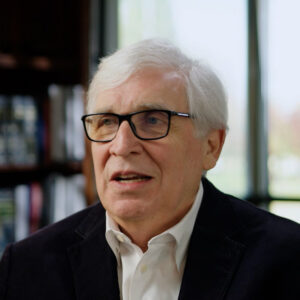 Michael Hackard is the founder of Hackard Law, a California trust and estate litigation firm with more than five decades of experience protecting the inheritance rights of families across Sacramento, the San Francisco Bay Area, and Los Angeles. He is the author of six published books on inheritance protection and has produced more than 1,000 educational videos with over seven million views.