


 (916) 313-3030
When the Butler Did It: The Doris Duke Elder Financial Abuse Case
Introduction: A Billionaire Heiress and a Cautionary Tale
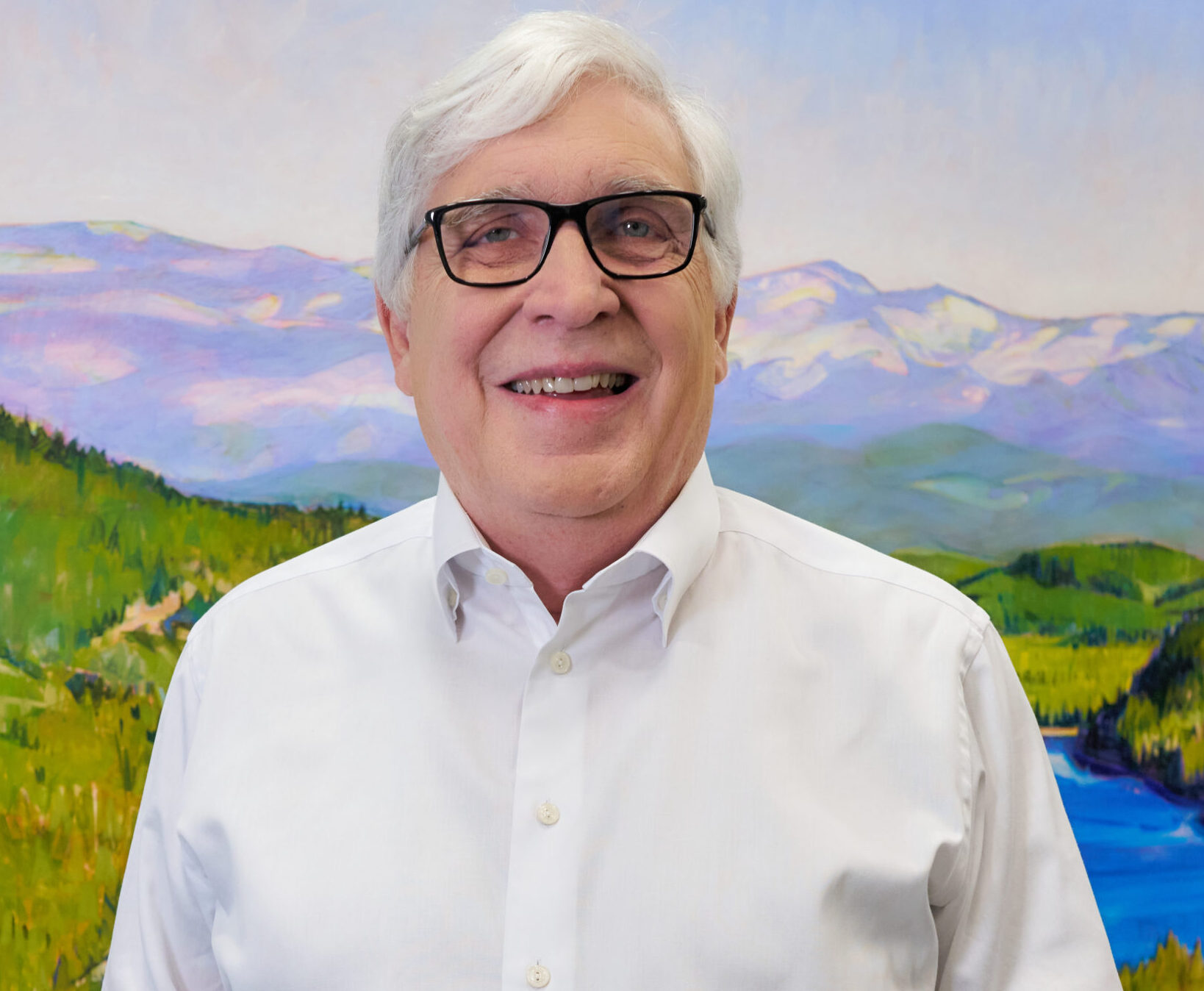
I am Michael Hackard, founder of Hackard Law. Over five decades of practice, I have fought alongside heirs, beneficiaries, and elder abuse victims whose inheritances were stolen through manipulation, isolation, and fraud. I have authored four books on inheritance protection and produced more than 1,000 educational videos that have reached over seven million viewers. My firm serves clients across Sacramento, the San Francisco Bay Area, and Los Angeles – including the communities of Glendale, Beverly Hills, and throughout LA County.
The story of Doris Duke is one of the most dramatic elder financial abuse cases in American history. It unfolded not in a courtroom drama but in the real homes of one of the wealthiest women in the world. And it illustrates, with painful clarity, how isolation, dependency, and proximity to power can be weaponized against even the most privileged among us. If it happened to Doris Duke, it can happen to anyone.
Hackard Law provides contingency fee representation – no upfront costs for qualified cases. If your family has been affected by elder financial abuse or undue influence, call us at (916) 313-3030.
Quick Summary
The Doris Duke case remains one of the most instructive examples of how elder financial abuse unfolds through trust, isolation, and the quiet seizure of control over a vulnerable person’s life and estate.
- Doris Duke, heiress to a tobacco fortune worth over $1 billion, died in 1993 under disputed circumstances
- Her butler, Bernard Lafferty, used his position of trust to become executor of her estate and head of her charitable foundation
- Litigation involving 40 lawyers and $10 million in legal fees ultimately forced Lafferty to step down
- The Doris Duke Charitable Foundation survived the legal battle and today holds nearly $2 billion in assets
- The case is a textbook example of undue influence, caregiver exploitation, and estate fraud
Who Was Doris Duke?
Doris Duke was the only child of James Buchanan Duke, the tobacco magnate whose 1924 gift of $40 million to Trinity College transformed it into Duke University. When her father died, twelve-year-old Doris inherited nearly $100 million – a staggering sum at the time. Despite a lifestyle that included homes in five states, a Beverly Hills estate, a Park Avenue residence, and a full staff of 200, her fortune continued to grow. By her seventies, Doris Duke’s net worth exceeded $1 billion.
She was not reckless with her wealth. She established the Doris Duke Charitable Foundation to support environmental causes and combat cruelty to children and animals. But she was also divorced, without close family, and – as she aged – increasingly vulnerable to those who positioned themselves as indispensable.
How the Abuse Began: Isolation and Ingratiation
As with many cases of elder financial abuse, the story did not begin with an obvious villain. Duke befriended a young woman named Chandi, who claimed to be the reincarnation of Duke’s prematurely born baby girl. Chandi and her boyfriend – who served as Duke’s bodyguard – gradually embedded themselves in her life and were lavishly rewarded. Duke gave Chandi a $1 million home in Hawaii, among other gifts.
It was Chandi who introduced Duke to Bernard Lafferty, who would serve as her butler for six years. Over time, Lafferty became her closest confidante. In 1990, when Duke was 78 and mysteriously ill at her Hawaii home, Lafferty persuaded her that Chandi and her boyfriend were conspiring against her. The two relocated to Beverly Hills, where Duke became clinically depressed and handed Lafferty control over her daily life and affairs.
This pattern – manufactured crisis, isolation from existing relationships, consolidation of control – is one that Hackard Law recognizes in elder financial exploitation cases throughout California. The mechanism is almost always the same: remove trusted advisors, manufacture dependency, then act.
Case Pattern: Caregiver Isolation
An elderly widow in her late seventies, living alone after her husband’s death, began relying on a live-in caregiver for daily needs. Over eighteen months, the caregiver systematically discouraged contact with the woman’s adult children, intercepted phone calls, and accompanied her to every medical and legal appointment. By the time the family recognized what was happening, the woman had signed documents transferring significant assets. Legal intervention focused on capacity, undue influence, and the caregiver’s breach of fiduciary duty.
The Takeover: Executor, Foundation Chair, and $10 Million
Just six months before Duke died, she installed Lafferty as the executor of her will and placed him in charge of the Doris Duke Charitable Foundation. The combined value of these roles exceeded $10 million. For months before her death, Duke was in and out of hospitals, heavily medicated, and isolated from virtually everyone except Lafferty. She reportedly began choking at one point, and Lafferty refused to call an ambulance. She died on October 28, 1993, at the age of 81.
The former executor of Duke’s estate – her own physician – immediately contested the validity of the new will, alleging that Lafferty had used undue influence to install himself in a position of extraordinary financial power. Understanding undue influence in California estate law is critical in cases like this one, where a dependent relationship is exploited to redirect an estate.
Case Pattern: Last-Minute Will Changes
A family discovered after their father’s death that he had signed a new will just weeks before dying, removing his three adult children and naming a recent acquaintance as sole beneficiary and executor. Medical records showed significant cognitive decline in the months preceding the signing. The litigation centered on testamentary capacity and whether the new will reflected the decedent’s genuine intent or the acquaintance’s manipulation.
The Litigation and Its Outcome
The legal battle over Duke’s estate lasted more than three years, involved 40 lawyers, and consumed $10 million in legal fees. The case drew national attention and became a defining moment in public awareness of elder financial abuse. Ultimately, Lafferty accepted a financial settlement, stepped down as executor, and renounced his seat on the Doris Duke Charitable Foundation board. No criminal charges were filed.
Lafferty’s story did not end well. He lived at Duke’s Bel Air estate until November 1996, when he died from alcohol and drug abuse. The foundation he had tried to control survived and grew. Today the Doris Duke Charitable Foundation holds nearly $2 billion in assets and supports causes around the world.
For families in Los Angeles facing similar dynamics, Los Angeles estate litigation requires attorneys who understand both the legal complexity and the human cost of these battles. Discovery, forensic analysis, and the pursuit of justice are not just legal strategies – they are safeguards for families threatened by the kind of manipulation that consumed Doris Duke’s final years.
I have stood with families through cases that mirror the Duke story more closely than anyone would like to admit. The financial toll grows with every month of delay. And the fracture that exploitation causes within a family often runs too deep for any judgment to mend. A steadfast commitment to truth restores what dishonesty tried to steal – but only when families act before it is too late. Early legal intervention, as described in our resource on elder financial abuse in estate transfers, is often the difference between recovery and permanent loss.
Key Definitions
- Undue influence: Pressure or manipulation that overcomes a person’s free will and causes them to make estate decisions they would not otherwise make.
- Testamentary capacity: The legal standard a person must meet to validly execute a will – understanding the nature of the act, the extent of their property, and who their natural heirs are.
- Executor: The person named in a will to administer an estate, pay debts, and distribute assets to beneficiaries.
- Fiduciary duty: A legal obligation to act in another person’s best interest, imposed on executors, trustees, and others in positions of trust.
- Elder financial abuse: The illegal or improper use of an elder’s funds, property, or assets, often by someone in a position of trust or authority.
- Isolation tactic: A pattern of behavior in which an abuser limits an elder’s contact with family, friends, or advisors to increase dependency and reduce outside scrutiny.
- Will contest: A legal challenge to the validity of a will, typically based on lack of capacity, undue influence, fraud, or improper execution.
- Caregiver exploitation: Financial abuse committed by someone providing personal care to an elder, who uses that access to gain control over the elder’s assets. Learn more about when caregiving becomes financial control.
- Civil remedies: Legal tools available to heirs, beneficiaries, and elder abuse victims in California, including double damages and attorney fee recovery in elder abuse cases.
What to Do Next
- Look for warning signs of isolation – a parent or elder who has stopped returning calls or whose new companion controls all access.
- Get copies of any recently amended wills, trusts, or powers of attorney as soon as possible.
- Look into the financial history of anyone recently named as executor, trustee, or foundation director.
- Try to avoid confronting a suspected abuser directly before speaking with an attorney – doing so can alert them to destroy evidence.
- Document all observable changes in the elder’s behavior, health, and living situation with dates and details.
- Try to obtain medical records that may reflect cognitive decline or periods of incapacity near the time documents were signed.
- Look for patterns described in our guide to guarding against elder financial abuse in California trust litigation.
- Get a legal review of any estate documents signed during a period of caregiver dependency or hospitalization.
- Call Hackard Law at (916) 313-3030 to discuss your situation with an attorney who handles elder financial abuse and estate litigation throughout Los Angeles and Southern California.
- Visit our contact page to request a confidential consultation.
CALL THE SAGE | When Experience Matters, Families Listen
🏛️ We practice California trust & estate & elder financial abuse litigation
⚖️ We represent heirs, beneficiaries, and elder abuse victims
🎥 1,000+ educational videos | 7 million+ views | 6 published books
🎯 “After thousands of cases, I see the pattern others miss.”
CONTINGENCY REPRESENTATION – No Win, No Fee
Throughout California: Sacramento | Los Angeles | Bay Area
📞 CALL THE SAGE: (916) 313-3030
Subscribe for weekly insights on:
- Elder financial abuse warning signs and prevention
- Trust and estate litigation strategies
- Inheritance protection for California families
- Family protection strategies
When your inheritance is under attack, Call The Sage.
Hackard Law | 10640 Mather Blvd, Mather CA 95655
Attorney Advertisement | Michael Hackard, State Bar #71067
RELATED VIDEOS
Liliane Bettencourt | Heiress & Elder Financial Abuse Victim
A billionaire heiress falls victim to financial exploitation through isolation and manipulation.
Zsa Zsa Gabor | Elder Financial Abuse or Family Feud?
A celebrity’s final years raise questions about exploitation and control over her estate.
Elder Financial Abuse | Warning Signs | CA Trust Litigation
Learn the key warning signs that an elder may be financially exploited.
Stopping Estate Fraud | Los Angeles Trust Litigation Attorneys
How attorneys pursue legal action to recover assets lost to estate fraud.
Harper Lee’s Last Book | Elder Financial Abuse?
Questions arise about whether a famous author was manipulated late in life.
Elder Financial Abuse in California | Vulnerabilities
Explores the personal and situational factors that leave elders open to financial abuse.
 Michael Hackard is the founder of Hackard Law, a California trust and estate litigation firm with more than five decades of experience protecting the inheritance rights of families across Sacramento, the San Francisco Bay Area, and Los Angeles. He is the author of six published books and has produced more than 1,000 educational videos with over seven million views.