


 (916) 313-3030
Doubling Down on Estate and Trust Litigation: How Hackard Law Evaluates Contingency Fee Cases

Why Contingency Fee Representation Changes Everything
I’m Michael Hackard, founder of Hackard Law. Over nearly five decades of practice, I have fought for heirs, beneficiaries, and elder abuse victims across California – from Sacramento and the San Francisco Bay Area to Los Angeles. I have published four books on inheritance protection and produced more than 1,000 educational videos that have reached over seven million viewers. What drives that work is a simple conviction: families who have been wronged deserve a real chance at justice, regardless of whether they can afford to pay an attorney by the hour.
Contingency fee representation is how we make that possible. When Hackard Law accepts a case on contingency, we do not get paid unless we recover for our client. That alignment of interests – our fee tied directly to your outcome – is the foundation of how we litigate California estate and trust cases.
Hackard Law provides contingency fee representation with no upfront costs for qualified cases. To find out whether your case qualifies, call us at (916) 313-3030.
Quick Summary
Hackard Law litigates California estate and trust disputes on a contingency fee basis, meaning clients pay nothing unless there is a recovery. Not every case is accepted – the firm applies a disciplined evaluation process before committing to representation.
- Contingency fee agreements must be in writing and explain cost responsibilities.
- Fees are negotiable between attorney and client.
- Cases are evaluated on facts, parties, assets, and legal viability.
- Time bars, standing problems, and thin facts can make a case unworkable.
- Even difficult cases may be viable – experience broadens perspective.
The Blackjack Analogy: Reading the Opening Cards
In blackjack, doubling down means committing more after seeing your initial cards. You have real information, and you act on it decisively. That is exactly how Hackard Law approaches contingency fee cases in estate and trust litigation.
Before accepting any case, I review the opening facts: who the parties are, what assets are involved, what conduct led to the dispute, and what the law says about the available claims. This is not a quick glance – it is a careful read of the hand we have been dealt. Our contingency fee guide for California estate and trust litigation walks through this evaluation in detail.
Some hands are simply bad. Time bars that have expired, parties without legal standing to bring a claim, or cases where the facts are too thin to support a viable theory – these are the equivalent of a weak opening hand in blackjack. Accepting them would not serve the client or the firm.
Case Pattern: A surviving sibling contacts Hackard Law convinced that an estate was mishandled. After reviewing the facts, the firm identifies that the statute of limitations has run on the primary claim. Rather than taking the case on contingency and building false hope, the firm explains the barrier honestly – giving the family clarity they did not have before.
What Makes a Case Worth Accepting
The cases Hackard Law accepts on contingency share several characteristics. There is a clear legal theory – undue influence, breach of fiduciary duty, elder financial abuse, fraud, or a combination. The assets at stake are meaningful. The facts, while sometimes complicated, point toward conduct that the law recognizes as actionable. And the client has standing to bring the claim.
Understanding what California beneficiaries can do when a trustee delays distributions without cause is one example of the kind of issue that frequently surfaces in the cases we evaluate. Trustee misconduct, asset concealment, and improper transfers are recurring themes across the state – from Sacramento County probate courts to Los Angeles estate litigation and the courts of the Bay Area.
Difficulty alone does not disqualify a case. Some of the most important cases are hard. Experience teaches that a case that looks complicated on the surface may have a clear path to recovery once the facts are fully developed. The question is always whether the facts and law, taken together, give the client a genuine chance.
Case Pattern: An adult child reaches out after discovering that a parent’s trust was amended multiple times in the final months of the parent’s life, each amendment redirecting assets to a new caregiver. The facts are complex, the paper trail is scattered, and the opposing party is well-funded. Hackard Law evaluates the case, identifies viable claims for undue influence and financial elder abuse, and accepts on contingency – committing to the full investment of time and resources the case demands.
How Contingency Fees Work in Practice
A contingency fee arrangement means the attorney’s compensation comes from the recovery, not from the client’s pocket before or during the case. If there is no recovery, the attorney does not get paid. California law requires that contingency fee agreements be in writing. The agreement must clearly explain who is responsible for costs – filing fees, deposition costs, forensic accounting, and other litigation expenses – and how those costs are handled if the case does not result in a recovery.
Fees are negotiable. There is no single percentage that applies to every case. The structure depends on the complexity of the case, the likely duration of litigation, and the risks involved. Clients should read their contingency fee agreement carefully and ask questions before signing. More background on how these arrangements are structured is available through our discussion of contingency fee representation and bridging the access gap.
Not every attorney takes contingency cases in estate and trust litigation. It requires a firm willing to absorb the financial risk of litigation – sometimes for years – in exchange for a share of the outcome. Hackard Law has built its practice around that model because it is the right way to serve families who cannot otherwise access high-quality litigation.
Capacity, Judgment, and the Honest Limits of Representation
Even when a case is viable, Hackard Law cannot accept every matter that comes through the door. Time and capacity are real constraints. Taking on more cases than the firm can properly litigate would harm every client. That means some qualified cases must be declined – not because they lack merit, but because the firm is already committed to the cases it has accepted.
This is one reason the evaluation process matters so much. The eight stages of trust and estate litigation require sustained attention at every step – from initial investigation through discovery, trial preparation, and resolution. A firm that overextends itself cannot deliver that attention. Hackard Law applies its best judgment continuously, both to the cases it accepts and to the capacity available to litigate them well.
For families in Santa Clara and the Bay Area, Alameda County, Sacramento County, and throughout California, that judgment is what separates a firm that takes cases from a firm that litigates them.
Key Definitions
- Contingency fee: A fee arrangement where the attorney is paid only if the case results in a recovery, typically as a percentage of that recovery.
- Standing: The legal right of a party to bring a particular claim in court; without standing, a case cannot proceed regardless of its merits.
- Statute of limitations: The deadline by which a legal claim must be filed; claims brought after this deadline are generally barred.
- Breach of fiduciary duty: A trustee or other fiduciary’s failure to act in the best interests of the beneficiaries they are obligated to serve.
- Undue influence: Pressure or manipulation that overrides a person’s free will in making estate planning decisions, often targeting vulnerable elders.
- Elder financial abuse: The illegal or improper use of an elder’s funds, property, or assets, which in California can give rise to civil claims including double damages.
- Discovery: The formal process in litigation through which parties exchange evidence, take depositions, and gather information to support their claims.
- Time bar: A legal obstacle arising from the expiration of the statute of limitations, which can prevent an otherwise valid claim from being brought.
- Recovery: The money or property obtained for a client through settlement or judgment in a litigated case.
What to Do Next
- Look for any documents related to the trust or estate, including amendments, accountings, and correspondence with the trustee.
- Get copies of the trust instrument and any recent changes made to it, especially those made when the grantor was elderly or ill.
- Write down a timeline of events – when changes were made, who was present, and what the circumstances were.
- Try to avoid destroying or discarding any documents, even ones that seem unimportant.
- Look for signs of financial transactions that seem inconsistent with the decedent’s wishes or prior estate plan.
- Talk to other family members or witnesses who may have observed relevant events, and note what they remember.
- Try to avoid waiting too long – statutes of limitations in California estate and trust disputes can be short, and delay can cost you your claim.
- Review our books on inheritance protection for a deeper understanding of how these cases work.
- Call Hackard Law at (916) 313-3030 to discuss whether your case may qualify for contingency fee representation.
- Reach out through our contact page to schedule a consultation with our team.
CALL THE SAGE | When Experience Matters, Families Listen
🏛️ We practice California trust & estate & elder financial abuse litigation
⚖️ We represent heirs, beneficiaries, and elder abuse victims
🎥 1,000+ educational videos | 7 million+ views | 4 published books
🎯 “After thousands of cases, I see the pattern others miss.”
CONTINGENCY REPRESENTATION – No Win, No Fee
Throughout California: Sacramento | Los Angeles | Bay Area
📞 CALL THE SAGE: (916) 313-3030
Subscribe for weekly insights on:
- Elder financial abuse warning signs and prevention
- Trust and estate litigation strategies
- Inheritance protection for California families
- Family protection strategies
When your inheritance is under attack, Call The Sage.
Hackard Law | 10640 Mather Blvd, Mather CA 95655
Attorney Advertisement | Michael Hackard, State Bar #71067
RELATED VIDEOS
Contingency Fee Agreements in CA Estate, Trust & Probate Litigation
Explains how contingency fee agreements work in California estate and trust cases.
Can I Hire A Contingency Fee Lawyer in Probate and Trust Litigation?
Answers whether heirs and beneficiaries can retain a contingency fee attorney for probate disputes.
California Trust Litigation Contingency Fees | The Pros and Cons
Walks through the advantages and drawbacks of contingency fee arrangements in trust litigation.
Contingency Fees | Access To Probate, Trust & Estate Litigation
Discusses how contingency fees open the courthouse doors for families who cannot pay hourly rates.
Estate & Trust Litigation Contingency Fees | Getting Leverage
Explores how a contingency fee arrangement gives clients strategic leverage in estate disputes.
Forward Progress in Estate and Trust Litigation | Contingency Fees
Covers how contingency fee cases are moved forward efficiently through the litigation process.
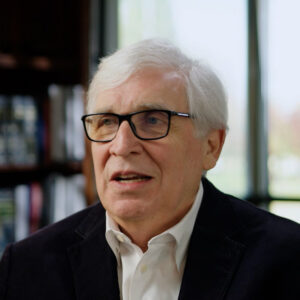 Michael Hackard is the founder of Hackard Law, a California trust and estate litigation firm with more than five decades of experience protecting the inheritance rights of families across Sacramento, the San Francisco Bay Area, and Los Angeles. He is the author of four published books on inheritance protection and has produced more than 1,000 educational videos with over seven million views.