


 (916) 313-3030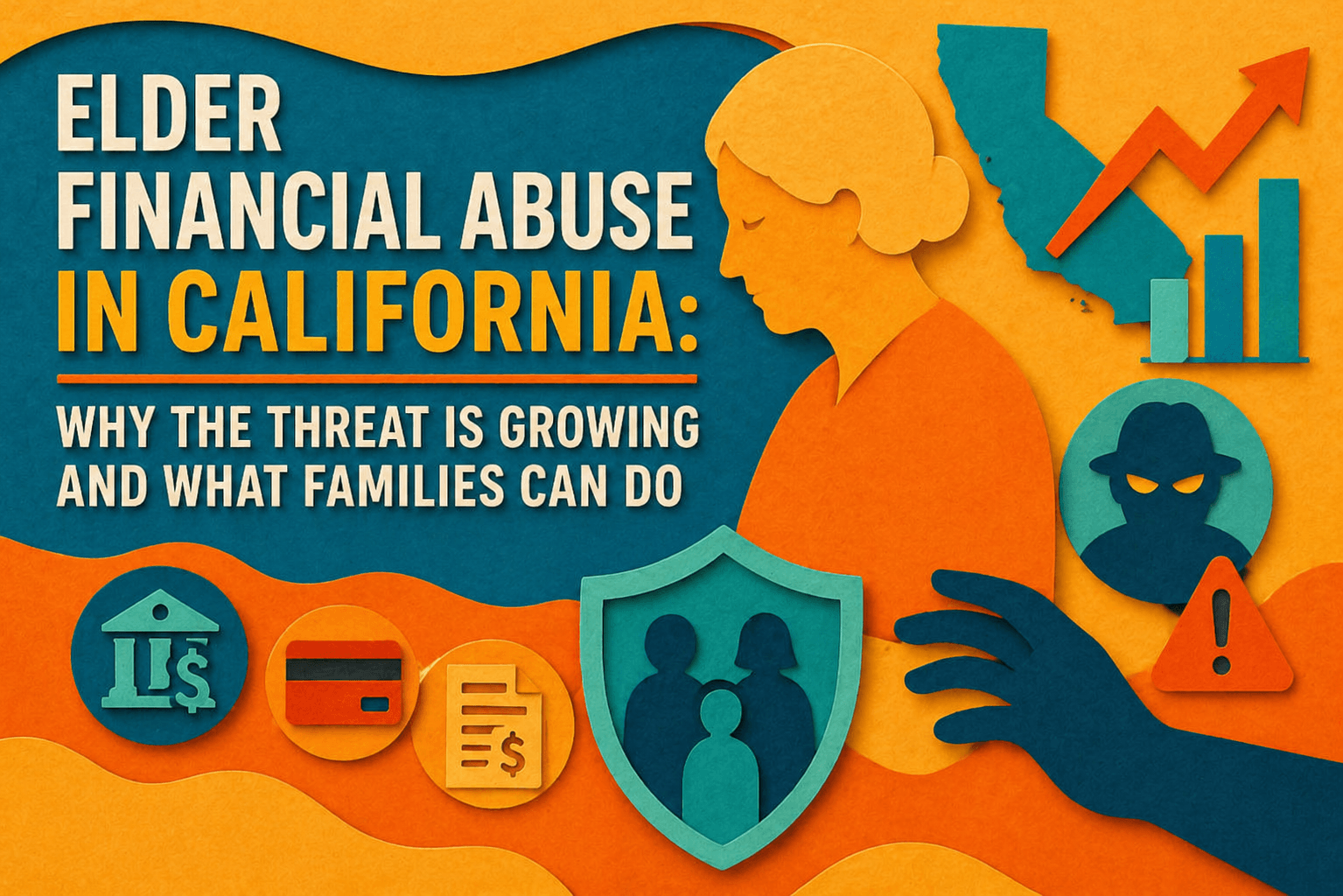
Elder Financial Abuse in California: Why the Threat Is Growing and What Families Can Do

A Growing Crisis for California Families
I am Michael Hackard, founder of Hackard Law. Over my five decades of practice, I have fought alongside heirs, beneficiaries, and elder abuse victims whose loved ones were targeted, manipulated, and robbed – often by people they trusted. I have written four books on inheritance protection and produced more than 1,000 educational videos that have reached over seven million viewers, because I believe families deserve to understand the threats they face before it is too late.
Elder financial abuse is not a fringe problem. It is a rapidly expanding crisis touching families across Sacramento, the San Francisco Bay Area, and Los Angeles. The data is alarming, the tactics are evolving, and the financial stakes have never been higher. If your family is dealing with suspected elder financial exploitation, you need to understand what the law offers – and act quickly.
Hackard Law provides contingency fee representation for qualified elder financial abuse and estate litigation cases, meaning no upfront costs to you. To tell us your story, call (916) 313-3030 today.
Quick Summary
Elder financial abuse in California is rising sharply, driven by demographic shifts, massive wealth transfers, and increasingly sophisticated predatory tactics.
- Treasury Department data recorded over 24,000 suspected elder financial abuse cases in a single year – more than double the figure from five years earlier.
- Baby boomers hold 61% of U.S. bank accounts and 70% of bank deposits, making seniors the primary targets for financial predators.
- San Francisco reported an 18% spike in elder abuse cases, with financial exploitation as the leading driver.
- California’s Elder Abuse and Dependent Adult Civil Protection Act gives victims and families civil court remedies, including double damages and attorney fee recovery.
- Early legal intervention is critical – delays allow assets to disappear and evidence to erode.
The Numbers Behind the Crisis
Five years ago, California’s Elder Abuse and Dependent Adult Civil Protection Act became law, giving heirs, beneficiaries, and elder abuse victims a meaningful path to fight back in civil court. That was a necessary step forward. But the threat it was designed to address has only grown larger since.
The U.S. Treasury Department reported a record-breaking 24,454 suspected cases of elder financial exploitation in a single reporting period – more than twice the number from five years prior. These are only the cases that were detected and reported. The true scope is almost certainly larger.
In the San Francisco Bay Area, the picture is equally stark. San Francisco’s Family Violence Council documented an 18% increase in elder abuse cases, with financial exploitation identified as the primary driver. Whether that reflects better reporting, greater awareness, or an actual surge in predatory activity – or all three – the signal is unmistakable.
Why Seniors Are the Primary Targets
The answer is straightforward: predators follow the money. Americans over age 50 hold 61% of all bank accounts and control 70% of all bank deposits, according to the American Bankers Association. As baby boomers age and plan their estates, the United States is on the verge of the largest intergenerational wealth transfer in history – an estimated $30 trillion changing hands over the coming decades.
Every day, 10,000 Americans turn 65. That demographic wave creates an enormous pool of potential targets: individuals who may be experiencing cognitive decline, social isolation, health challenges, or simply the trust that comes with a lifetime of building relationships. Predators – whether strangers, acquaintances, or family members – exploit all of these vulnerabilities.
For families in the Bay Area and across California, understanding elder financial exploitation is the first line of defense.
How Predators Operate Today
The tactics have grown more sophisticated. Con artists are no longer limited to in-person schemes. Social media has become a hunting ground, with sweetheart scams targeting lonely seniors and grandparent scams manipulating grandparents into wiring money to strangers posing as family members in distress. Fraudulent robocalls impersonating the IRS continue to drain accounts from victims who fear legal consequences if they do not comply.
But some of the most damaging exploitation happens closer to home. Caregivers, family members, financial advisors, and others in positions of trust can redirect assets, manipulate estate documents, or pressure an elder into changing a will or trust. These insider threats are often the hardest to detect and the most financially devastating.
Case Pattern: A senior in the Bay Area develops memory difficulties and begins relying on an adult child for daily needs. Over two years, that child transfers significant funds from the elder’s accounts, changes beneficiary designations, and isolates the elder from other family members. When the elder passes, siblings discover the accounts are nearly empty. Litigation focused on financial records, communication logs, and medical history helped establish the pattern of control – and the court ordered disgorgement of improperly transferred assets.
For families who recognize this pattern, early legal intervention in elder financial abuse cases can make the difference between recovering assets and losing them permanently.
What California Law Provides
California’s Elder Abuse and Dependent Adult Civil Protection Act was a landmark development. It created civil remedies that go beyond what ordinary fraud litigation offers. When financial abuse is proven, courts can award double damages and require the abuser to pay attorney fees – a powerful deterrent and a meaningful tool for recovery.
For heirs, beneficiaries, and elder abuse victims pursuing claims, these remedies matter a lot. They shift the financial calculus away from predators who might otherwise calculate that the cost of litigation outweighs any recovery. To understand the full scope of what civil law offers, it is worth reviewing the civil remedies for elder financial abuse available under California law.
Michael Hackard and the team at Hackard Law litigate these cases in courts across California, including in the Bay Area – from Oakland and Alameda County to Santa Clara and San Jose. Oakland estate litigation and Santa Clara estate litigation are active areas of practice for the firm.
Case Pattern: An elderly widow in the East Bay signs a new trust amendment after a neighbor takes over her finances. Instead of her adult children, the neighbor receives the estate as a result of the amendment. On the grounds of incapacity and undue influence, the children contest the amendment. The case was strengthened by medical records and witness accounts of the neighbor’s increasing control over the widow’s day-to-day activities. The amendment was struck down by the court.
For families in Northern California navigating similar disputes, this resource on guarding against elder financial abuse through trust litigation is worth reading.
The Human Cost Behind the Statistics
For decades, I have worked with families in some of the hardest moments they face. Times when a parent’s life savings have vanished, a trust has been changed under suspicious circumstances, or a caregiver has been quietly taking funds over the years.
The financial damage only increases the longer the action is delayed. And in many cases, the strain placed on family relationships goes far beyond what any legal outcome can repair.
In addition to being legal tactics, discovery, forensic financial analysis, and the pursuit of accountability serve as protections for families under threat from manipulation and greed. What dishonesty attempted to steal is restored by an unwavering dedication to the truth. I’ve witnessed it occur. I’ve contributed to its success. Additionally, I am aware that families who take early action have the best chance of obtaining justice.
If you are concerned about what may have happened to a loved one’s estate, the California inheritance theft guide is a practical starting point.
Key Definitions
- Elder financial abuse: The illegal or improper use of an elder’s funds, property, or assets by another person, whether through fraud, undue influence, theft, or misuse of authority.
- Elder Abuse and Dependent Adult Civil Protection Act: California’s statute providing civil court remedies for elder financial abuse, including double damages and attorney fee awards.
- Undue influence: Pressure or manipulation that overpowers a person’s free will, often used to change wills, trusts, or beneficiary designations.
- Sweetheart scam: A fraud in which a predator builds a romantic or close personal relationship with a senior in order to gain financial access.
- Grandparent scam: A scheme in which a fraudster impersonates a grandchild or authority figure to convince a senior to send money urgently.
- Beneficiary designation: A legal instruction directing who receives assets such as life insurance or retirement accounts upon death, which can be manipulated through fraud or undue influence.
- Contingency fee representation: A fee arrangement in which the attorney is paid only if the case is successful, with no upfront costs to the client.
- Double damages: A civil remedy under California elder abuse law that allows courts to award twice the actual damages when financial abuse is proven.
- Cognitive decline: A reduction in mental capacity that can make seniors more vulnerable to manipulation and financial exploitation.
- Asset recovery: The legal process of reclaiming funds or property that were wrongfully taken through fraud, theft, or abuse.
What to Do Next
- Look for sudden changes in an elder’s financial accounts, estate documents, or named beneficiaries.
- Get copies of recent bank statements, trust amendments, and any new powers of attorney.
- Document signs of isolation – who controls access to your loved one, and when did that begin?
- Try to avoid confronting the suspected abuser directly before speaking with an attorney, as this can cause assets to be moved or evidence destroyed.
- Look for medical records that reflect your loved one’s mental capacity around the time any documents were signed.
- Reach out to other family members and close friends who may have noticed behavioral changes or financial irregularities.
- Review the Wolf at the Door resource on undue influence and elder financial abuse to understand how these schemes typically unfold.
- Call Hackard Law at (916) 313-3030 to share your story and learn whether your case qualifies for contingency fee representation.
- Visit our contact page to reach us online and schedule a consultation.
CALL THE SAGE | When Experience Matters, Families Listen
🏛️ We practice California trust & estate & elder financial abuse litigation
⚖️ We represent heirs, beneficiaries, and elder abuse victims
🎥 1,000+ educational videos | 7 million+ views | 4 published books
🎯 “After thousands of cases, I see the pattern others miss.”
CONTINGENCY REPRESENTATION – No Win, No Fee
Throughout California: Sacramento | Los Angeles | Bay Area
📞 CALL THE SAGE: (916) 313-3030
Subscribe for weekly insights on:
- Elder financial abuse warning signs and prevention
- Trust and estate litigation strategies
- Inheritance protection for California families
- Family protection strategies
When your inheritance is under attack, Call The Sage.
Hackard Law | 10640 Mather Blvd, Mather CA 95655
Attorney Advertisement | Michael Hackard, State Bar #71067
RELATED VIDEOS
Elder Financial Abuse in California | A Growing Threat to Seniors
Explores why California seniors face rising financial exploitation and what families can do.
How Families Stop Elder Financial Abuse | Communication & Trust
Practical steps families can take to prevent and respond to elder financial exploitation.
How to Protect Families from Elder Financial Abuse | CA Trust Litigation
Walks through California trust litigation options available to families fighting financial abuse.
The Wolf at the Door: Ep. 7 | Elder Financial Abuse Lawsuits
Covers how elder financial abuse lawsuits work and what victims can expect in court.
The Wolf at the Door: Ep. 17 | Contingency Fees in Elder Financial Abuse Lawsuits
Explains how contingency fee arrangements make elder abuse litigation accessible without upfront costs.
Elder Financial Abuse | CA Penal Code §368(e)
Breaks down the California criminal statute that targets financial exploitation of elders.
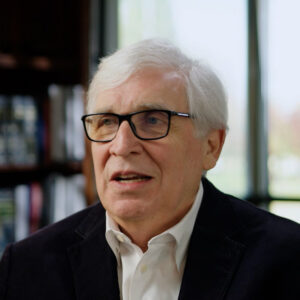 Michael Hackard is the founder of Hackard Law, a California trust and estate litigation firm with more than five decades of experience protecting the inheritance rights of families across Sacramento, the San Francisco Bay Area, and Los Angeles. He is the author of four published books on inheritance protection and has produced more than 1,000 educational videos with over seven million views.