


 (916) 313-3030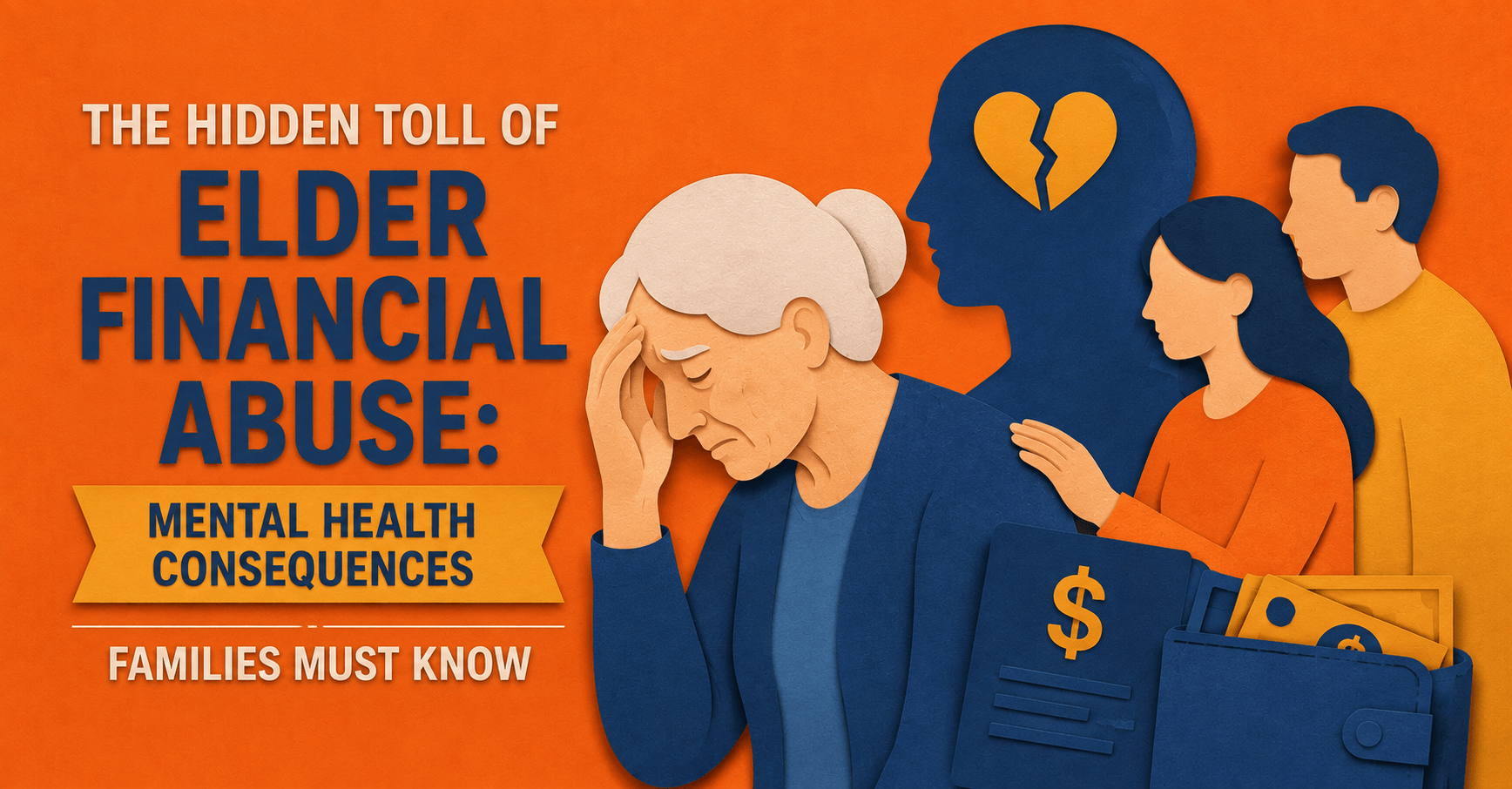
The Hidden Toll of Elder Financial Abuse: Mental Health Consequences Families Must Know

Why Elder Financial Exploitation Is Never Just About Money
I am Michael Hackard, founder of Hackard Law. Over five decades of practice, I have fought for heirs, beneficiaries, and elder abuse victims across California – from Sacramento and the San Francisco Bay Area to Los Angeles. I have written four books on inheritance protection and produced more than 1,000 educational videos that have reached over seven million viewers. In that time, I have seen firsthand how elder financial exploitation strips seniors of far more than their savings. It robs them of peace of mind, security, and in too many cases, their will to carry on.
This blog addresses something that rarely gets enough attention: the devastating mental health consequences that follow financial exploitation of a senior. The financial loss is visible. The psychological wound often is not visible, and it can cut just as deep.
Hackard Law provides contingency fee representation for qualified elder financial abuse cases, meaning there are no upfront costs to you. To speak with our team, call (916) 313-3030.
Quick Summary
Elder financial exploitation causes serious psychological harm that compounds the financial damage. Families who recognize the warning signs early and act quickly give their loved ones the best chance at recovery – legally and emotionally.
- Financial exploitation of seniors frequently triggers depression, anxiety, and post-traumatic stress symptoms.
- Forensic neuropsychology has documented the non-economic harms of elder financial abuse in courtroom settings.
- Early legal intervention can stop ongoing abuse and pursue recovery of stolen assets.
- California law provides civil remedies, including double damages, for victims of elder financial exploitation.
- Hackard Law litigates these cases on a contingency fee basis throughout California.
The Psychological Damage Forensic Science Has Documented
Forensic neuropsychologist Dr. Stacy Wood has devoted decades to studying and advocating for seniors who have suffered financial exploitation. She has evaluated hundreds of cases and provided testimony in dozens of trials. Her research identifies a consistent pattern of non-economic harm that follows financial abuse: depression, anxiety, intrusive thoughts, rumination, nightmares, disrupted sleep, and an increased risk of suicide.
I was honored when Dr. Wood cited my work in a recent article on these non-economic impacts. Her findings confirm what I have observed in practice – the psychological injury is real, measurable, and in some cases more lasting than the financial loss itself. Courts are increasingly willing to hear this evidence, and it matters when calculating the full scope of damages a victim has suffered.
Hackard Law has worked alongside Dr. Wood in cases involving elder financial abuse. Her testimony has helped courts understand that a stolen inheritance or drained bank account is not just a number – it is a trauma that reshapes a senior’s remaining years.
Why Seniors Are Particularly Vulnerable
Financial exploitation is not an isolated incident. Elderly people who are lonely, experiencing cognitive decline, or who require daily care from a caregiver are more vulnerable. Perpetrators exploit trust and access, often as family members, caregivers, or financial advisors. They gradually transfer funds, alter estate records, or coerce elderly people into making choices they would never make on their own.
The psychological harm follows a predictable arc. The senior may not understand what happened right away. When they do, realizing someone they trusted has stolen from them compounds the injury. Shame, confusion, and grief settle in. For many seniors, the financial loss also means a loss of independence – the ability to live where they choose, receive the care they need, or leave something meaningful to the people they love.
Recognizing the warning signs early is critical. Unexplained withdrawals, sudden changes to estate documents, a new person with outsized influence, or a senior who seems fearful or withdrawn around a particular individual – these are patterns that warrant attention. Our resource on elder financial exploitation outlines what families should watch for.
Case Pattern: Over the course of several months, a family discovered that their elderly mother had started sending money to a caregiver. The sums were substantial by the time they reached out to legal counsel. Her doctor diagnosed the mother’s withdrawal and anxiety symptoms as psychological distress. In addition to documenting the emotional harm as part of the damages claim, litigation sought to recover the transferred assets.
California Law Offers Real Remedies
California’s Elder Abuse and Dependent Adult Civil Protection Act gives victims and their families meaningful legal tools. Civil claims can result in the recovery of stolen assets, attorney fees, and – in cases involving recklessness or oppression – double damages. These remedies exist precisely because the legislature recognized that financial exploitation of seniors causes harm that goes beyond a simple breach of contract.
Hackard Law litigates these claims across California. Our approach includes forensic analysis of financial records, coordination with medical and neuropsychological professionals, and aggressive pursuit of every available civil remedy. A detailed overview of these remedies is available at our page on civil remedies for elder financial abuse, including double damages and asset recovery.
Timing matters. Early legal intervention in elder financial abuse cases can stop ongoing transfers, preserve assets, and prevent further harm. Waiting often allows the financial toll to grow and makes recovery more difficult.
Case Pattern: In a case involving an elderly man whose son had redirected trust distributions into a personal account, litigation began within weeks of the family’s discovery. Early action allowed the court to freeze certain accounts before additional transfers occurred. The father’s documented anxiety and sleep disruption were presented as part of the non-economic damages.
The Role of Trust and Estate Litigation in Elder Abuse Cases
Many elder financial abuse cases intersect with trust and estate disputes. A senior’s estate plan may be altered under duress. A trustee may divert assets meant for the senior’s care. A power of attorney may be misused to redirect funds or change beneficiary designations. These are not abstract legal violations – they are betrayals that leave seniors without the resources they planned to rely on.
Hackard Law’s litigation practice spans these intersecting areas. Whether the abuse occurs through a trust amendment, a deed transfer, or a series of bank withdrawals, the legal response requires careful coordination of evidence, financial records, and in many cases, medical documentation of the senior’s condition at the time decisions were made. Our guide on guarding against elder financial abuse in California trust litigation walks through how these cases are built.
Families in the San Francisco Bay Area and Northern California can also find region-specific resources through our service areas page.
Key Definitions
- Elder financial exploitation: The illegal or improper use of a senior’s funds, property, or assets by another person, often someone in a position of trust.
- Non-economic damages: Compensation for harm that cannot be easily quantified, such as emotional distress, anxiety, depression, and loss of enjoyment of life.
- Undue influence: Pressure or manipulation that overrides a senior’s free will, often used to change estate documents or transfer assets.
- Forensic neuropsychology: A field of psychology that applies brain-behavior science to legal proceedings, including assessment of cognitive capacity and psychological harm.
- Double damages: A civil remedy available under California elder abuse law that allows courts to award twice the actual damages in cases of recklessness or oppression.
- Civil Protection Act: California’s Elder Abuse and Dependent Adult Civil Protection Act, which provides enhanced remedies for financial exploitation of seniors.
- Contingency fee representation: A fee arrangement in which the attorney is paid only if the case is successful, with no upfront cost to the client.
- Cognitive decline: A reduction in mental function – including memory, judgment, and reasoning – that can make seniors more susceptible to manipulation.
- Asset recovery: The legal process of tracing and reclaiming funds or property that were wrongfully taken from a senior.
- Probate court: The court that oversees estate administration, including disputes over trusts, wills, and elder financial abuse claims.
What to Do Next
- Look for signs of unexplained financial changes in a senior’s accounts, estate documents, or living arrangements.
- Get copies of recent bank statements, trust amendments, deeds, and any powers of attorney that have been signed.
- Try to avoid confronting a suspected abuser directly before speaking with an attorney – doing so can cause evidence to disappear.
- Document behavioral changes in your elderly loved one, including anxiety, withdrawal, confusion, or fear around particular individuals.
- Look into California’s civil remedies for elder financial abuse, including the possibility of double damages and attorney fee recovery.
- Try to avoid delays – early action preserves assets and strengthens the legal case.
- Review the contingency fee representation guide to understand how qualified cases are handled with no upfront costs.
- Call Hackard Law at (916) 313-3030 to discuss your situation with our team.
- Visit our contact page to request a consultation and tell us what you have observed.
CALL THE SAGE | When Experience Matters, Families Listen
🏛️ We practice California trust & estate & elder financial abuse litigation
⚖️ We represent heirs, beneficiaries, and elder abuse victims
🎥 1,000+ educational videos | 7 million+ views | 4 published books
🎯 “After thousands of cases, I see the pattern others miss.”
CONTINGENCY REPRESENTATION – No Win, No Fee
Throughout California: Sacramento | Los Angeles | Bay Area
📞 CALL THE SAGE: (916) 313-3030
Subscribe for weekly insights on:
- Elder financial abuse warning signs and prevention
- Trust and estate litigation strategies
- Inheritance protection for California families
- Family protection strategies
When your inheritance is under attack, Call The Sage.
Hackard Law | 10640 Mather Blvd, Mather CA 95655
Attorney Advertisement | Michael Hackard, State Bar #71067
RELATED VIDEOS
Elder Financial Abuse | Awarding Damages
Explains how courts calculate and award damages in elder financial abuse cases.
The Wolf at the Door: Ep. 4 | Signs of Elder Financial Abuse
Walks through the warning signs that a senior may be experiencing financial exploitation.
How Families Stop Elder Financial Abuse | Communication & Trust
Shows how open family communication and trust can help prevent elder financial abuse.
Elder Financial Abuse | West Sacramento Rotary Club
Michael Hackard speaks to a community audience about recognizing and fighting elder financial abuse.
Facing Down Elder Financial Abuse | Our Mission is Protection
Outlines Hackard Law’s commitment to protecting seniors from financial exploitation.
Elder Financial Abuse in California | Vulnerabilities
Examines why certain seniors are especially vulnerable to financial exploitation in California.
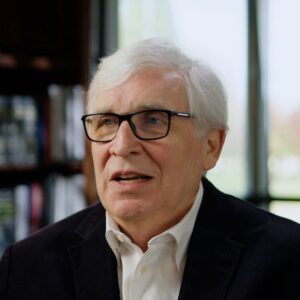 Michael Hackard is the founder of Hackard Law, a California trust and estate litigation firm with more than five decades of experience protecting the inheritance rights of families across Sacramento, the San Francisco Bay Area, and Los Angeles. He is the author of six published books on inheritance protection and has produced more than 1,000 educational videos with over seven million views.