I am Michael Hackard, founder of Hackard Law. Over five decades of practice, I have fought for heirs, beneficiaries, and elder abuse victims across California – from Sacramento and the San Francisco Bay Area to Los Angeles. I have written four published books on inheritance protection, and our firm has produced more than 1,000 educational videos that have reached over seven million viewers. One of those books, The Wolf at the Door: Undue Influence and Elder Financial Abuse, was written specifically to tell the stories of how abuse happens, how it can be prevented, and how families can protect themselves.
Language is powerful. It can ignite wars, heal wounds, hide harm, and redeem wrongs. In the context of elder financial abuse, the words we choose – and the stories we tell – can literally save lives. That is why I keep talking about this issue, and why I wrote that book.
Women 65 and older outnumber men of the same age. Nearly half of women 75 and older live alone. Those two facts alone explain why older women have become a primary target class for financial exploitation. We all have a stake in changing that reality.
Hackard Law provides contingency fee representation for qualified elder financial abuse and estate litigation cases – no upfront costs to you. If you believe a loved one has been exploited, call us at (916) 313-3030.
Quick Summary
Older women in California are more vulnerable to financial exploitation due to demographic isolation, longevity, and the trust they place in those closest to them. These cases are litigated throughout the state by Hackard Law on a contingency fee basis.
In California, women over 65 outnumber men of the same age.
Vulnerability is increased by the fact that nearly half of women 75 and older live alone.
Family members, caregivers, or dependable neighbors are frequently the perpetrators.
Strong civil remedies, such as the right to double damages, are available under California law.
Early legal intervention is critical for recovering stolen assets.
The Demographics of Vulnerability
The numbers are not abstract. Women outlive men. They are more likely to be widowed, more likely to live alone, and more likely to depend on a narrowing circle of people for daily support. That circle – family members, neighbors, caregivers, financial advisors – is also where exploitation most often originates.
Legislators, law enforcement, media outlets, and academic institutions are all increasingly sounding the alarm. But awareness does not stop abuse on its own. Legal action, civil accountability, and families who are prepared to confront hard realities about people they trusted are all necessary.
Understanding undue influence in California estate lawis a starting point. Judges can declare financial transfers, wills, trusts, and deeds void under the legal concept known as “undue influence.” When a vulnerable person is forced to sign documents that do not accurately reflect their intentions, this can occur.
Who Commits Elder Financial Abuse
The abuser is rarely a stranger. In the cases Hackard Law litigates, the person doing the harm is most often someone the elder trusted – a son or daughter, a romantic partner, a hired caregiver, or a long-time neighbor who gradually assumed control over finances, mail, and medical decisions.
Case Pattern: Isolation and Control
A live-in caregiver had slowly cut off an elderly widow in her late 80s from her adult children. The caregiver was added as a primary beneficiary to a revised trust, received substantial cash gifts, and had their name added to bank accounts over the course of two years. The transfers amounted to hundreds of thousands of dollars once the family obtained access to the financial records. The family was able to seek attorney fees and double damages through civil litigation under California’s elder abuse statutes.
California has some of the strongest laws in the nation regarding elder financial abuse. The Welfare and Institutions Code provides civil remedies in addition to the recovery of stolen property. Claimants may be entitled to double damages and attorney fee recovery. This makes litigation possible even when the costs of prosecution would otherwise be prohibitive.
The catch is timing. Early legal intervention in elder financial abuse casesdramatically improves outcomes. Before they spend what they have taken, abusers can be held accountable, transfers can be contested, and assets can be frozen. It is nearly always more difficult to recover when you wait and hope that things will work themselves out.
Case Pattern: The Rushed Estate Amendment
A woman in her mid-eighties has recently been diagnosed with early-stage dementia. Only a few weeks after receiving her diagnosis, she signed a new trust amendment. The amendment excluded the other three children entirely and transferred the majority of her estate to one child. The amendment was contested by the family on the grounds of undue influence and incapacity. She could not have understood what she was signing, according to forensic analysis of medical records and witness testimony. The amendment was overturned.
For a broader view of how these cases unfold, the California inheritance theft guideexplains the legal landscape in simple, understandable terms.
The Role of Family, Community, and Professionals
Family members, neighbors, adult protective services workers, and financial professionals can all play a role in identifying and stopping exploitation before it becomes irreversible. The warning signs are often present long before anyone acts on them: sudden changes to estate documents, a new person controlling access to the elder, unexplained withdrawals, or a senior who seems fearful or confused in the presence of a specific individual.
I’ve spent decades standing with families who regret not calling sooner. Financial exploitation frequently causes anarchy that is too deep for any judgment to heal, whether it is between siblings, parents and children, or an elderly person and the community she trusted. What dishonesty attempted to steal is restored by a strong dedication to the truth. However, the years of damage cannot be undone.
That is why I wrote The Wolf at the Door. The executive director of the California Elder Justice Coalition called it storytelling at its best – engaging and empowering. If you would like a copy, write to us at hackard.law.com and include your physical address.
You can also read more about elder financial exploitationand the patterns Hackard Law has identified across California cases.
Key Definitions
Elder financial abuse: The wrongful taking, concealment, or appropriation of an elder’s money, property, or assets by any person, often through fraud, undue influence, or breach of a fiduciary duty.
Undue influence: Excessive persuasion that overcomes a person’s free will and causes them to act in a way that benefits the influencer, recognized under California Welfare and Institutions Code § 15610.70.
Cognitive vulnerability: A diminished ability to understand, evaluate, or resist manipulation, often resulting from dementia, stroke, or other age-related conditions.
Fiduciary: A person legally obligated to act in the best interest of another, such as a trustee, agent under a power of attorney, or conservator.
Double damages: A civil remedy under California law that allows courts to award twice the amount of financial loss in proven elder abuse cases.
Isolation: A tactic used by abusers to limit an elder’s contact with family, friends, and advisors, making exploitation easier to conceal.
Capacity: The legal standard for a person’s ability to understand the nature and consequences of a legal document at the time of signing.
Adult Protective Services (APS): A California agency that investigates reports of elder abuse and can coordinate with law enforcement and civil attorneys.
Civil litigation: A lawsuit brought in civil court to recover damages or set aside fraudulent transfers, separate from any criminal prosecution.
What to Do Next
Look for any abrupt changes to banking arrangements or estate documents.
Also, pay attention to changes in the elder’s living situation that do not align with the elder’s previously stated wishes.
Get copies of recent trust amendments, deeds, or powers of attorney if you believe they were signed under duress.
Try to avoid confronting a suspected abuser directly before speaking with an attorney – doing so can prompt asset transfers or destruction of evidence.
Document what you observe: dates, names, statements, and any financial transactions you become aware of.
Explains how California juries decide damages and recovery in elder financial abuse cases.
Frequently Asked Questions
Women 65 and older outnumber men of the same age, and nearly half of women 75 and older live alone. That demographic reality – combined with the trust older women often place in caregivers and family members – creates conditions that abusers actively seek out and exploit.
Yes. California’s elder abuse statutes allow courts to award double the amount of financial loss in proven cases, along with attorney fees and costs. This makes civil litigation a meaningful option even when the stolen amounts might not otherwise justify the expense of a lawsuit.
Undue influence occurs when someone uses excessive pressure to override an elder’s free will, causing them to sign a will, trust, or deed that benefits the influencer. California courts can set aside those documents when evidence shows the elder lacked the freedom to decide for themselves.
As quickly as possible. Assets can be transferred, accounts drained, and evidence destroyed in a short period of time. Early legal intervention – including court orders to freeze assets – is far more effective than waiting to see whether the situation resolves on its own.
Hackard Law handles qualified elder financial abuse and estate litigation cases on a contingency fee basis, meaning there are no upfront costs to the family. Fees are only collected if the case results in a recovery.
About the Author
Michael Hackard is the founder of Hackard Law, a California trust and estate litigation firm with more than five decades of experience protecting the inheritance rights of families across Sacramento, the San Francisco Bay Area, and Los Angeles. He is the author of four published books on inheritance protection and has produced more than 1,000 educational videos with over seven million views.


 (916) 313-3030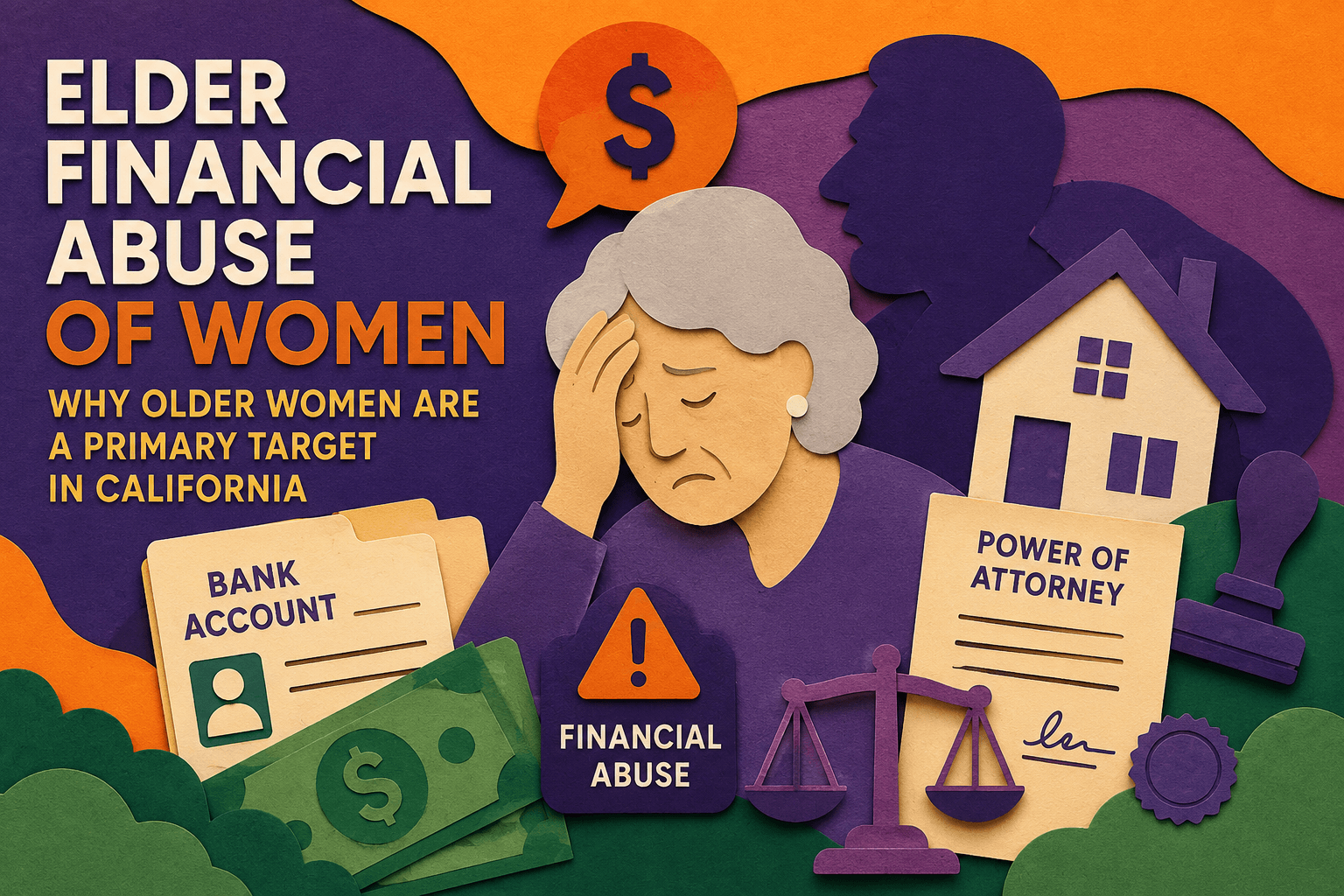
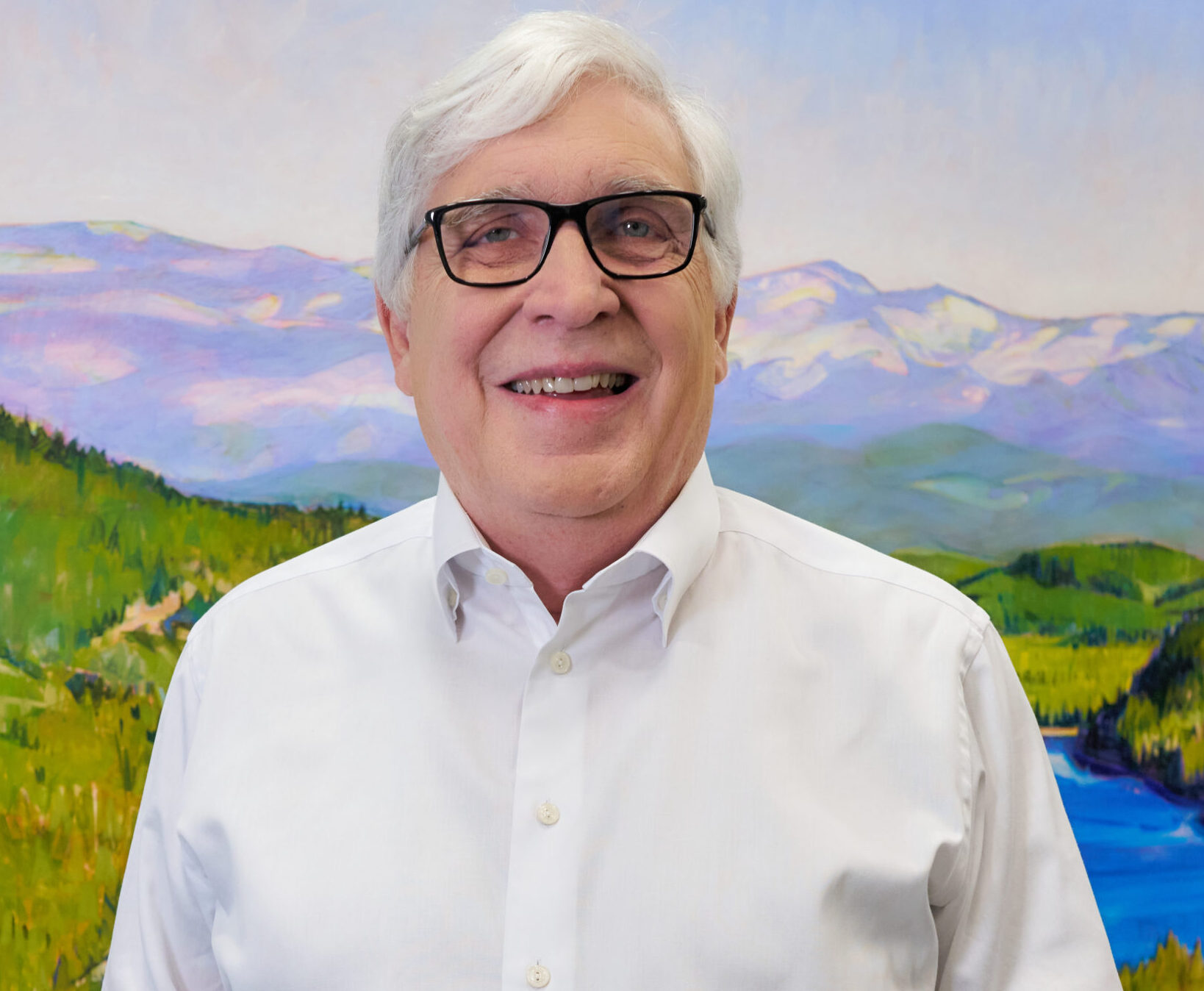
 Michael Hackard is the founder of Hackard Law, a California trust and estate litigation firm with more than five decades of experience protecting the inheritance rights of families across Sacramento, the San Francisco Bay Area, and Los Angeles. He is the author of four published books on inheritance protection and has produced more than 1,000 educational videos with over seven million views.