


 (916) 313-3030
Elder Financial Abuse: What the Wells Fargo Survey Reveals About Who’s Really at Risk
Who Is Really at Risk for Elder Financial Abuse?
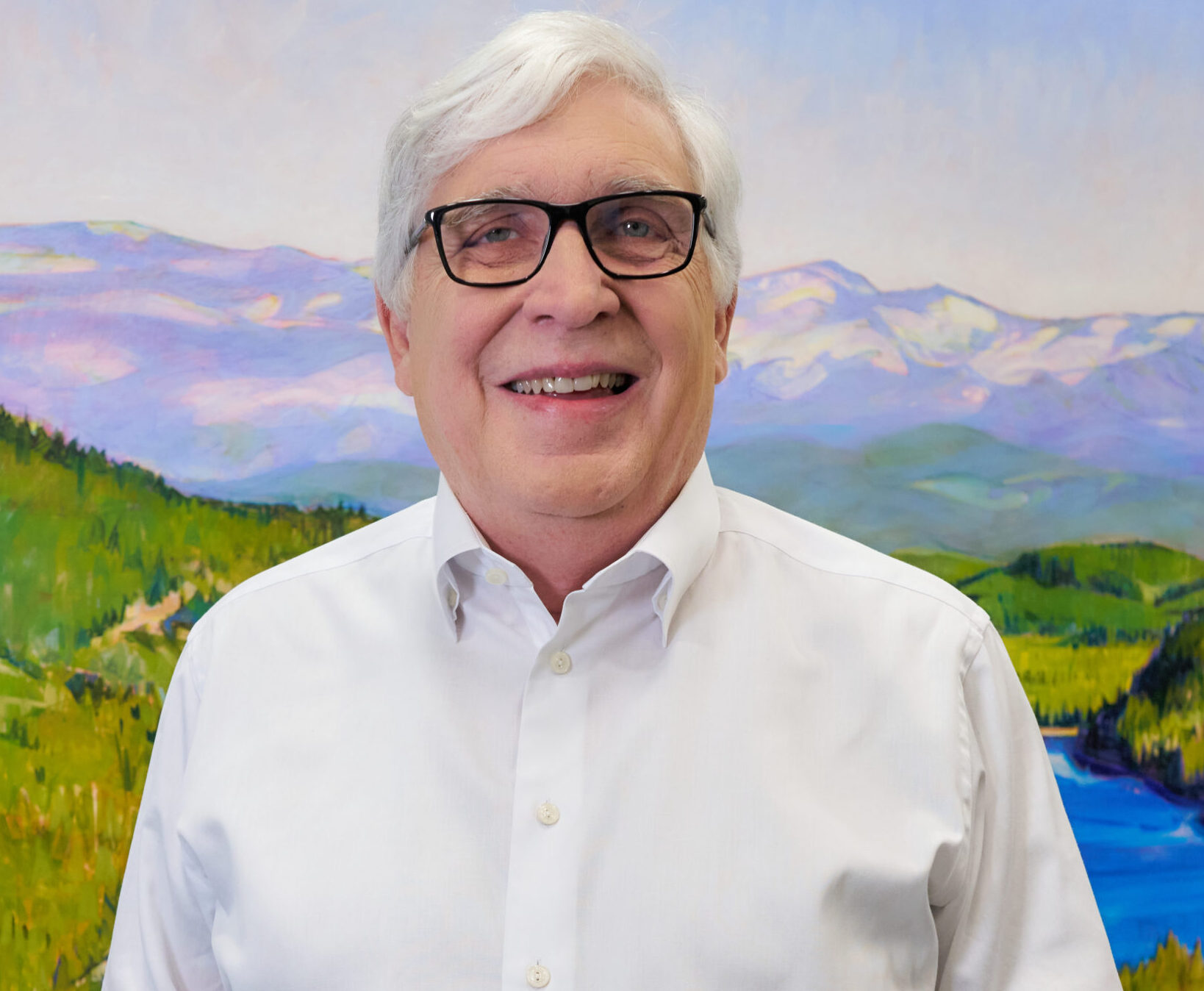
I am Michael Hackard, founder of Hackard Law, and over five decades of practice I have fought for heirs, beneficiaries, and elder abuse victims across California. I have written four published books on inheritance protection and produced more than 1,000 educational videos that have reached over seven million viewers. What I have seen throughout that time is a pattern of exploitation that destroys financial security and tears families apart – and it is growing. Hackard Law serves clients throughout Sacramento, the San Francisco Bay Area, and Los Angeles, standing with families when they need a determined advocate most. A recent Wells Fargo Elder Needs Survey of nearly 1,600 older Americans and their adult children sheds important light on why elder financial abuse remains so dangerously underreported – and what families can do about it.
Hackard Law provides contingency fee representation for qualified elder financial abuse cases, meaning there are no upfront costs to pursue justice. To speak with our team, call (916) 313-3030 today.
Quick Summary
The Wells Fargo Elder Needs Survey reveals a troubling gap between how seniors perceive their own vulnerability to financial exploitation and the reality of who commits it and how often it occurs.
- Annual elder financial abuse losses across America are estimated at $37 billion.
- Only 1 in 10 seniors believe they personally could fall for a scam, even as most acknowledge older adults are at risk.
- 68% of seniors believe strangers are the most likely abusers – but family members are actually responsible for the majority of cases.
- Poor family communication about money leaves seniors isolated and easier to exploit.
- Early legal intervention can make the difference between recovering assets and losing them permanently.
The $37 Billion Problem No One Thinks Will Happen to Them
Bloomberg’s estimate of $37 billion in annual elder financial abuse losses is staggering, but the number that concerns me most is far smaller: just 1 in 10. That is the share of older Americans who believe they themselves could fall victim to a scam, even though nearly all of them acknowledge that seniors as a group are more susceptible to fraud and exploitation.
This gap between group awareness and personal confidence is not just a curiosity – it is a vulnerability. When a person believes they are immune to a threat, they stop watching for it. The Wells Fargo survey found that 81% of seniors were confident they would not be taken advantage of individually. Among their adult children, 38% expressed worry about their parents, but even then, three out of four still believed exploitation would not happen to their own family.
Misplaced confidence is not a character flaw. It is a predictable human response. But it creates the exact opening that those who prey on seniors are looking for.
The Blind Spot About Who Actually Commits Elder Financial Abuse
Perhaps the most revealing finding from the Wells Fargo survey concerns identity. When asked who is most likely to commit elder financial abuse, 68% of older Americans pointed to strangers. Another 24% named caretakers. Fewer than 1 in 10 correctly identified family members as the most common perpetrators.
This misperception has serious consequences. When a senior believes the threat comes from outside the family, they may lower their guard around the very people closest to them. And when exploitation does occur at the hands of a relative, the shame, embarrassment, fear, and dependency involved often prevent the victim from speaking out at all.
I have seen this pattern repeat itself across decades of practice. A trusted son or daughter gains control over finances. Small transfers become larger ones. By the time other family members notice, significant assets have already moved. Understanding elder financial exploitation as a family-driven problem – not just a stranger-danger risk – is the first step toward stopping it.
Case Pattern: Family Member as Financial Gatekeeper
An elderly parent with declining health relied on one adult child to manage daily finances. Over time, that child transferred funds from the account, changed beneficiary designations, and isolated the parent from siblings. When the parent passed, the remaining heirs discovered the estate had been substantially depleted. Litigation to recover the transferred assets proceeded on a contingency fee basis, and the family ultimately pursued civil remedies including asset recovery.
Why Elder Financial Abuse Goes Unreported
The underreporting of elder financial abuse is not accidental – it is structural. When the abuser is a family member, the victim faces an impossible choice: report the exploitation and destroy the relationship, or stay silent and continue to suffer. For seniors who depend on their abusers for housing, transportation, or daily care, silence often feels like the only survivable option.
California law recognizes this dynamic and provides meaningful civil remedies for victims and their families. Under the Elder Abuse and Dependent Adult Civil Protection Act, courts can award double damages and attorney fees in cases of financial abuse, providing a powerful incentive for families to act and a meaningful deterrent for those who would exploit a vulnerable elder.
Early legal intervention is critical. Assets that have been transferred or hidden become harder to recover with every passing month. Waiting – whether out of hope that the situation will resolve itself or reluctance to confront a family member – compounds the financial toll and narrows the legal options available.
Case Pattern: Caregiver Influence Over Estate Documents
Over a number of years, an elderly widow came to trust a live-in caregiver. The caregiver made arrangements for a trust amendment that transferred a sizeable portion of the widow’s estate to herself as her cognitive abilities deteriorated. The widow lacked capacity and was under undue influence at the time of signing, according to family members who opposed the amendment. The amendment was ultimately set aside after the case went through discovery and testimony from knowledgeable attorneys.
The Communication Gap That Leaves Seniors Exposed
The Wells Fargo survey found that a quarter of seniors find it difficult to talk about money with their adult children – and about a third of adult children feel the same way. That mutual discomfort creates a dangerous silence.
Open communication about finances, estate plans, and potential risks is one of the most effective protections a family can put in place. When seniors feel comfortable discussing their financial situation with trusted loved ones, exploitation is harder to conceal and easier to catch early. When that communication breaks down, isolation follows – and isolation is the environment in which financial abuse thrives.
Families navigating these conversations may also want to understand how undue influence operates under California estate law, particularly when a senior’s estate documents have been changed in ways that seem inconsistent with their long-held wishes.
I have been helping families in Sacramento and throughout California for a long time after they discovered too late that a loved one had been tricked, shunned, or controlled. These revelations often create a fracture too deep for judgment to mend. But what dishonesty attempted to steal can be restored by an unwavering commitment to the truth, and that pursuit matters, even if it takes a long time.
Key Definitions
- Elder financial abuse: The wrongful taking, concealment, or appropriation of money or property belonging to a person aged 65 or older.
- Undue influence: Excessive pressure that overcomes a person’s free will and causes them to act against their own interests, often used to alter wills, trusts, or beneficiary designations.
- Cognitive decline: A reduction in memory, reasoning, or judgment that can make seniors more vulnerable to manipulation and exploitation.
- Contingency fee: A fee arrangement in which the attorney is paid only if the case is successful, with no upfront cost to the client.
- Civil remedies: Legal actions that seek monetary compensation or the return of property, as distinct from criminal prosecution.
- Double damages: A statutory remedy under California’s Elder Abuse Act that allows courts to award twice the actual damages in proven cases of financial abuse.
- Beneficiary designation: A named individual or entity entitled to receive assets such as life insurance proceeds or retirement accounts, which can be changed through fraud or undue influence.
- Isolation: A tactic used by abusers to cut off a senior from family, friends, and advisors, making exploitation easier to conceal.
- Fiduciary duty: A legal obligation to act in another person’s best financial interest, imposed on trustees, agents under power of attorney, and others who manage a senior’s assets.
- Underreporting: The widespread failure to disclose elder financial abuse, often driven by shame, fear, or dependency on the abuser.
What to Do Next
- Look for sudden changes in a senior’s financial accounts, estate documents, or beneficiary designations.
- Get copies of current trust and will documents to compare against any recently signed amendments.
- Try to avoid confronting a suspected abuser directly before speaking with an attorney – doing so can accelerate asset transfers.
- Look for signs of isolation, such as a senior being cut off from friends, other family members, or their usual advisors.
- Try to document concerning behavior with dates, amounts, and descriptions of what you observed.
- Look into California’s Elder Abuse and Dependent Adult Civil Protection Act, which provides civil remedies including double damages.
- Get a legal consultation early – assets become harder to recover the longer exploitation continues.
- Reach out to our Sacramento elder financial abuse attorneys to discuss your situation.
- Call Hackard Law at (916) 313-3030 to speak with our team about your family’s circumstances.
- You can also reach us through our contact page to schedule a confidential consultation.
CALL THE SAGE | When Experience Matters, Families Listen
🏛️ We practice California trust & estate & elder financial abuse litigation
⚖️ We represent heirs, beneficiaries, and elder abuse victims
🎥 1,000+ educational videos | 7 million+ views | 4 published books
🎯 “After thousands of cases, I see the pattern others miss.”
CONTINGENCY REPRESENTATION – No Win, No Fee
Throughout California: Sacramento | Los Angeles | Bay Area
📞 CALL THE SAGE: (916) 313-3030
Subscribe for weekly insights on:
- Elder financial abuse warning signs and prevention
- Trust and estate litigation strategies
- Inheritance protection for California families
- Family protection strategies
When your inheritance is under attack, Call The Sage.
Hackard Law | 10640 Mather Blvd, Mather CA 95655
Attorney Advertisement | Michael Hackard, State Bar #71067
RELATED VIDEOS
The Cost of Elder Financial Abuse | California Estate & Trust Litigation
Explores the financial and personal toll elder financial abuse takes on victims and families.
Common Signs of Elder Financial Abuse | Estate & Trust Lawsuits
Walks through the warning signs that a senior may be experiencing financial exploitation.
Guarding Against Elder Financial Abuse | CA Trust Litigation
Covers practical steps families can take to protect elderly loved ones from financial predators.
How to Protect Families from Elder Financial Abuse | CA Trust Litigation
Explains legal strategies California families can use to stop and recover from elder financial abuse.
Elder Financial Abuse | Warning Signs | CA Trust Litigation
Identifies red flags that may indicate an older adult is being financially exploited.
Talking about Elder Financial Abuse | Interview with Sharon Kay
A candid conversation about how elder financial abuse happens and who is most at risk.
 Michael Hackard is the founder of Hackard Law, a California trust and estate litigation firm with more than five decades of experience protecting the inheritance rights of families across Sacramento, the San Francisco Bay Area, and Los Angeles. He is the author of six published books on inheritance protection and has produced more than 1,000 educational videos with over seven million views.