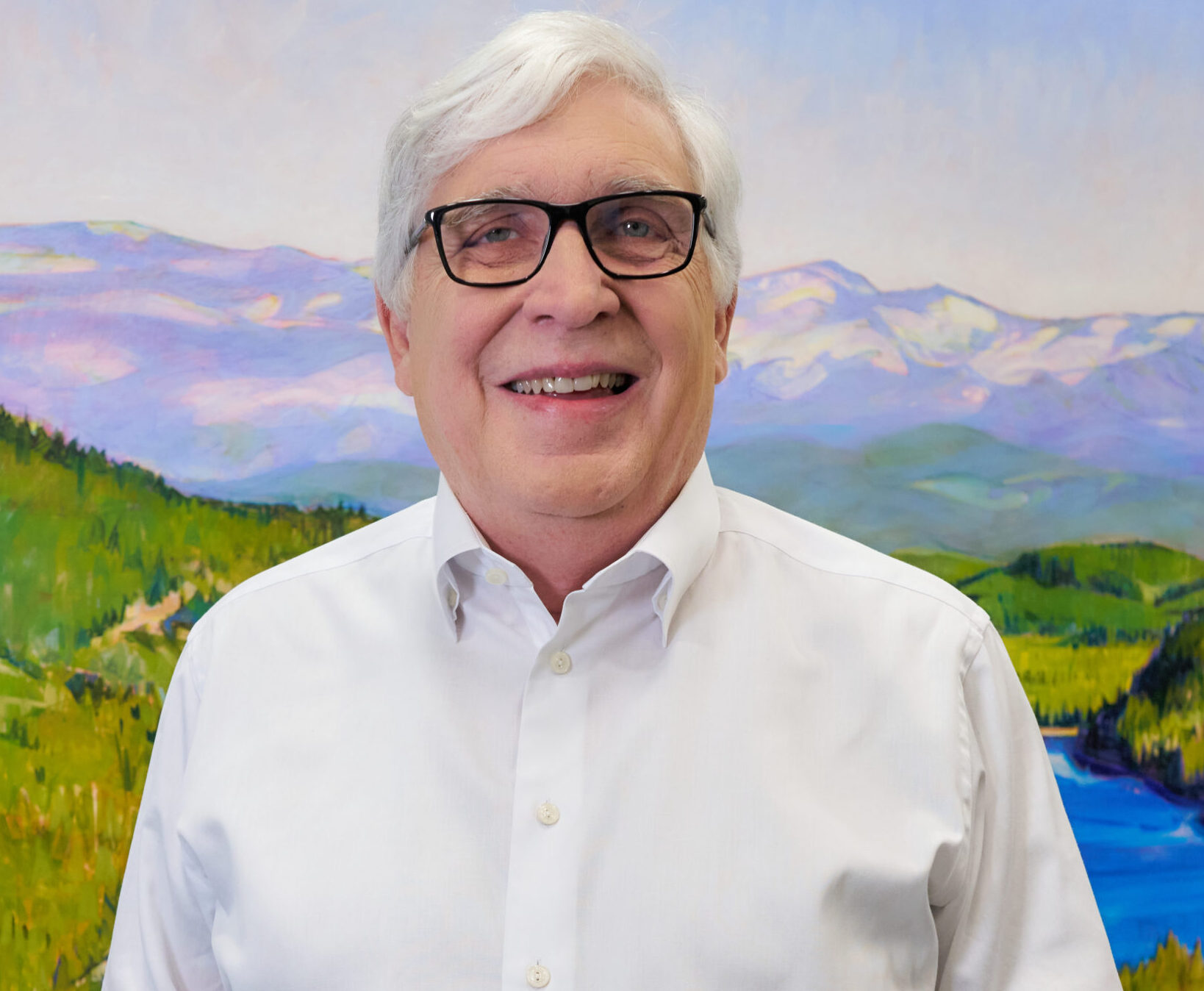
I’m Michael Hackard, founder of Hackard Law. Over five decades of practicing estate and elder law, I have stood with hundreds of California families at some of the most painful crossroads of their lives. I have written four books on inheritance protection and produced more than 1,000 educational videos, which have reached over 7 million viewers. What I have learned from all of it is this: most family conflicts over estates are preventable. They do not have to happen.
Hackard Law serves families throughout California – from Sacramento and the San Francisco Bay Area to Los Angeles and communities in between. Whether a family is in the early stages of estate planning or already sensing tension building, the right legal guidance at the right moment changes everything.
Hackard Law provides contingency fee representation for qualified cases – no upfront costs to you. If your family is facing an inheritance dispute or elder financial abuse situation, call us today at (916) 313-3030.
Quick Summary
Family conflict over estates is rarely just about money – it runs deeper, rooted in emotion, guilt, and miscommunication. An elder law attorney helps families create the legal structure and communication framework needed to prevent disputes before they become lawsuits.
Choosing the right trustee, executor, and power of attorney is as important as drafting the documents themselves.
Protections against elder financial exploitation must be built into the plan from the start.
Family meetings facilitated by an attorney can defuse tension before it ignites.
Documenting mental capacity at the time of signing protects the plan from future challenges.
The Real Root of Family Conflict
Families frequently believe that financial issues are the root of conflict. In my experience, it begins well in advance of any financial dispute. While others stayed away, one child gave years of direct care. Someone felt excluded from the decision-making process. Promises made by a parent were never documented. Legal disputes ultimately arise from emotional forces such as guilt, resentment, and a sense of injustice.
Without a clear plan and honest communication, those feelings harden into positions. Positions turn into accusations. And accusations turn into litigation that can cost families far more than the estate itself – financially and relationally. The fracture often runs too deep for any judgment to mend.
That is why the work of an elder law attorney is not simply document preparation. It is family protection.
Five Ways Elder Law Attorneys Keep the Peace
At Hackard Law, the approach to family conflict prevention is structured and forward-thinking. Here is how it works in practice.
First, wishes are clarified before it is too late. Unclear assurances – “you’ll be taken care of” – mean nothing in a courtroom. Legally binding wills, trusts, and advance directives give everyone a clear picture of what is intended and why. Ambiguity is the enemy of peace; precision is its foundation.
Second, the right people are placed in the right roles. Being the oldest sibling does not make someone the best executor. Hackard Law guides clients to select trustees, executors, and agents under power of attorney who are responsible, level-headed, and fair. When no family member fits that description, a neutral professional fiduciary may be the right answer.
Third, financial exploitation is blocked before it begins. Caregivers and relatives sometimes misuse authority or pressure elders into changing documents. Through carefully structured trusts, limited powers of attorney, and supervisory mechanisms, assets are protected and elder financial exploitation is prevented – not just addressed after the fact.
Fourth, difficult conversations are mediated before they become battles. Hackard Law facilitates family meetings on neutral ground, giving parents a structured setting to explain their choices and giving children the space to ask questions. When people feel genuinely heard, they are far less likely to fight later.
Fifth, mental capacity as well as intent are documented. When someone signs a will or trust late in life, questions about capacity almost always arise if the document is ever challenged. Working with medical professionals and witnesses to confirm understanding at the time of signing creates a clear evidentiary record that protects the plan.
Case Pattern: A family member with early-stage cognitive decline wanted a caregiving child to receive the family home. An elder law attorney helped create a trust, drafted a letter clarifying the reasoning in the parent’s own words, and held a family meeting where the parent spoke directly to all of her children. When she later passed, there were tears – but no litigation. That is what intentional planning accomplishes.
Elder Financial Abuse: The Threat Inside the Family
Not every threat to an elder’s estate comes from strangers. California families regularly face situations where a trusted caregiver, a romantically involved companion, or even a close relative begins exerting control over an elder’s finances and decision making. The pattern is often gradual – isolation first, then influence over documents, then outright transfers of assets.
California law provides meaningful remedies when abuse occurs, including double damages and attorney fee recovery in proven cases of elder financial abuse. But prevention is always preferable to litigation. The early intervention that an elder law attorney provides – before documents are changed, before assets are transferred – is the most effective tool available to families.
For families who discover exploitation has already occurred, Hackard Law pursues recovery aggressively. Our complete guide to identifying and recovering stolen assetsoutlines what California law allows and what steps families should take immediately.
Case Pattern: During a period of cognitive decline, an adult child observed that a new power of attorney had been signed and that a parent’s bank accounts had been redirected. Early legal action prevented additional transfers and enabled asset recovery. The difference between a partial recovery and a complete loss depended on quick response.
When Prevention Fails: Litigation as a Last Resort
Even with the best planning, some families find themselves in conflict. When that happens, Hackard Law is prepared to litigate. Trust contests, will challenges, claims of undue influence, and elder financial abuse cases all require a litigation team that understands both the law and the human stakes involved.
Discovery, forensic analysis, and the pursuit of justice – these are not just legal strategies, but safeguards for families threatened by undue influence and fraud. For decades, I have stood with heirs, beneficiaries, and elder abuse victims who had nowhere else to turn. A steadfast commitment to truth restores what dishonesty tried to steal.
Key Definitions
Advance directive: A legal document stating a person’s wishes for medical care if they become unable to communicate those wishes themselves.
Trustee: The person or institution responsible for managing trust assets according to the trust’s terms and in the beneficiaries’ interests.
Executor: The individual named in a will to carry out its instructions, settle debts, and distribute assets after death.
Power of attorney: A legal document granting one person the authority to act on another’s behalf in financial or legal matters.
Undue influence: Pressure or manipulation that overrides a person’s free will in making legal or financial decisions, often used to change estate documents.
Capacity: The legal and cognitive ability to understand and make informed decisions about one’s own affairs at the time a document is signed.
Contingency fee: A fee arrangement where the attorney is paid only if the case results in a recovery – no upfront cost to the client.
Elder financial abuse: The illegal or improper use of an elder’s funds, property, or assets, often by a person in a position of trust.
Fiduciary: A person legally obligated to act in another’s best interest, including trustees, executors, and agents under power of attorney.
Probate: The court-supervised process of validating a will and distributing a deceased person’s estate.
What to Do Next
Look for signs of isolation, sudden document changes, or unexplained financial transfers if you are concerned about an elder family member.
Get copies of existing estate planning documents – wills, trusts, powers of attorney – and review them for accuracy and clarity.
Try to avoid making major estate decisions without legal counsel, especially during periods of family tension.
Look for a qualified elder law attorney who handles both planning and litigation, not just one or the other.
Try to arrange a family meeting with legal guidance present before disputes become entrenched positions.
Get copies of medical records and capacity evaluations if a document signing is being questioned.
Walks through mediation approaches that help families resolve trust and estate conflicts.
Frequently Asked Questions
The right time is before conflict appears, not after. An elder law attorney helps families create legally sound documents, choose responsible fiduciaries, and have the difficult conversations that prevent disputes from forming. Waiting until a crisis has already begun limits your options significantly.
Act quickly. California law allows courts to freeze asset transfers and provides remedies including double damages in proven abuse cases. Contacting an elder law attorney as soon as abuse is suspected – rather than waiting for certainty – gives families the best chance of stopping further harm and recovering what was taken.
Yes, but a well-documented signing process makes a challenge much harder to win. When an attorney works with medical professionals and witnesses to confirm capacity at the time of signing, that documentation creates a strong evidentiary record that courts take seriously.
An executor carries out the instructions in a will after death, handling probate and asset distribution. A trustee manages assets held in a trust, which may operate both during a person’s lifetime and after death. Both roles carry fiduciary duties, and choosing the wrong person for either role is a common source of family conflict.
Yes. Hackard Law serves families throughout California, including the San Francisco Bay Area and Los Angeles. The firm handles trust litigation, elder financial abuse claims, will contests, and related matters statewide, with contingency fee arrangements available for qualified cases.
About the Author
Michael Hackard is the founder of Hackard Law, a California trust and estate litigation firm with more than five decades of experience protecting the inheritance rights of families across Sacramento, the San Francisco Bay Area, and Los Angeles. He is the author of six published books on inheritance protection and has produced more than 1,000 educational videos with over seven million views.


 (916) 313-3030