(916) 313-3030
Estate Planning Mistakes That Cause Family Conflict — And How to Avoid Them
Why Small Estate Planning Errors Have Big Consequences
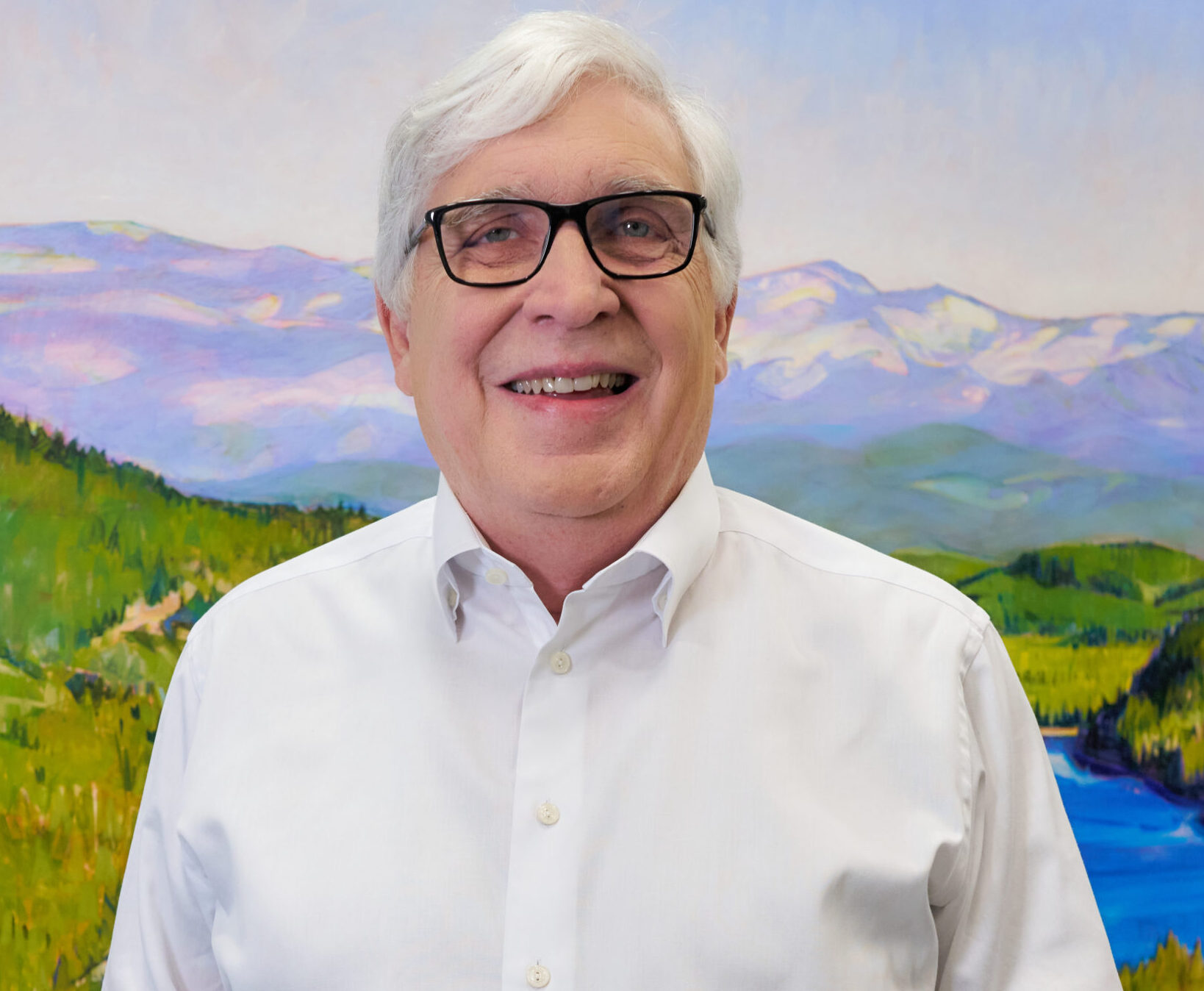
I’m Michael Hackard, founder of Hackard Law. Over five decades of practice, I have fought for heirs, beneficiaries, and elder abuse victims across Sacramento, the San Francisco Bay Area, and Los Angeles. I have written four books on inheritance protection and produced more than 1,000 educational videos that have reached over seven million viewers. In all of that time, one truth has stayed constant: the biggest threat to most estate plans is not a lawsuit or a tax bill. It is a small, avoidable mistake.
A missing signature. A vague instruction. A document that was never updated after a divorce or a death. These are not dramatic failures. They are quiet ones – and they carry devastating consequences. I have seen families who genuinely loved one another end up in court for years, spending money they never intended to spend and saying things they could never take back, all because a plan was not done the first time carefully.
Hackard Law provides contingency fee representation for qualified trust and estate litigation cases – no upfront costs required. To find out whether your situation qualifies, call us at (916) 313-3030.
Quick Summary
Estate planning errors are among the most common triggers for family conflict and probate litigation in California. A carefully drafted, regularly reviewed plan is the single best way to protect your family.
- A missing signature or improper execution can invalidate an entire document.
- Vague or ambiguous language in a trust or will invites competing interpretations
- Outdated documents may no longer reflect your actual wishes or family situation.
- Failing to communicate your intentions leaves loved ones to guess – and disagree.
- DIY templates rarely account for California-specific legal requirements
The Most Common Estate Planning Errors Attorneys Encounter
Poor drafting is one of the leading causes of courtroom battles in California trust and estate matters. When the language in a will or trust is ambiguous, each beneficiary tends to read it in the way that benefits them most. That is not greed – it is human nature. But it produces conflict. How poor drafting by an estate planning lawyer leads to courtroom battles is a pattern Hackard Law litigates regularly, and it is almost always preventable.
A missing signature is another frequent problem. California law requires that wills be signed by the testator and witnessed by at least two people who are present at the same time. When that formality is skipped – even by accident – the document may be void. The estate then passes through intestate succession, which may bear no resemblance to what the person actually wanted.
Execution errors are not the only risk. A trust or will that was perfectly valid in 2010 may be dangerously out of date in 2025. Marriages, divorces, births, deaths, and changes in asset ownership all affect how a plan should be structured. A document that names a deceased person as trustee or leaves a major asset to someone who is no longer in the family creates real legal problems.
Case Pattern: A trust was created decades ago for a surviving parent with adult children from two marriages. The trust was never updated following a second marriage. The first spouse was identified as a co-trustee in the document even after the parent’s death. There was then litigation. Before a settlement was reached, the disagreement accounted for a sizable portion of the estate.
Why Communication Is Part of the Plan
Estate planning communication is not a soft skill – it is a legal safeguard. When a person explains their intentions to their family while they are alive and capable, it removes the ambiguity that drives disputes. Beneficiaries who understand why assets are distributed a certain way are far less likely to challenge the plan. Those who are surprised by its contents often are.
Michael Hackard has long emphasized that estate planning communication is one of the most underused tools available to families. A conversation about intentions – even a difficult one – is almost always less painful than a probate court proceeding.
This is especially true in blended families, where competing loyalties and expectations create fertile ground for conflict. A parent who tells each set of children what to expect, and why, gives them a foundation of understanding. A parent who says nothing leaves behind a void that lawyers eventually fill.
The Risk of DIY Templates and Online Tools
California has specific statutory requirements for wills, trusts, powers of attorney, and healthcare directives. Generic online templates are not designed around those requirements. They may omit mandatory language, fail to address community property rules, or leave out provisions that California courts expect to see.
The top 10 most common probate, trust, and estate battles in California frequently trace back to documents that were never properly tailored to the client’s actual circumstances. A template that works in one state may be legally deficient in another. And even a California-compliant template may not account for a family business, a blended family, a special needs beneficiary, or a significant digital asset portfolio.
For those who want to understand the full scope of what can go wrong, the 8 stages of trust and estate litigation offer a clear picture of how quickly a dispute can escalate once a flawed document enters the picture.
Case Pattern: A family used an online template to create a revocable living trust. The document failed to include a proper pour-over will, and several assets were never transferred into the trust. When the grantor died, those assets had to go through probate – a process the family believed they had avoided entirely. The delay and expense damaged relationships among the siblings who had expected a clean distribution.
Digital Assets and Modern Planning Gaps
One area where even professionally drafted plans often fall short is digital inheritance. Cryptocurrency accounts, online banking, email archives, and social media profiles are increasingly valuable – financially and sentimentally – but most older estate plans say nothing about them. Without proper instructions and access credentials, these assets can be lost entirely.
A thorough review of your plan should include a digital inheritance strategy that identifies your online accounts, designates who should access them, and provides the legal authority to do so. California law has evolved in this area, but the plan itself must reflect that evolution.
What Happens When Plans Go Wrong
For decades, I have stood with families who came to us after the damage was already done. The financial toll grows quickly once litigation begins – attorney fees, court costs, appraisals, and delays can consume a meaningful share of even a substantial estate. And the fracture among family members often runs too deep for any judgment to mend.
I have seen this pattern too many times: a person who worked a lifetime to build something of value left behind a plan that was incomplete, outdated, or unclear. The people they loved most ended up as adversaries. Discovery, forensic review, and the pursuit of fairness – these are not just legal tools, but safeguards for families who deserved better from the planning process. A steadfast commitment to getting it right from the start restores what carelessness tried to take away.
California beneficiaries who find themselves in a dispute can learn more about their rights through five things every California trust beneficiary should know. Understanding those rights early is often the difference between a manageable dispute and a prolonged battle.
Key Definitions
- Testator: The person who creates and signs a will.
- Intestate succession: The process by which California law distributes assets when a person dies without a valid will.
- Pour-over will: A will that directs any assets outside a trust to be transferred into the trust at death.
- Revocable living trust: A trust created during the grantor’s lifetime that can be changed or revoked, and that avoids probate at death.
- Execution requirements: The legal formalities – signatures, witnesses, notarization – that must be met for a document to be valid.
- Ambiguous language: Wording in a trust or will that is unclear enough to support more than one reasonable interpretation.
- Community property: Assets acquired during a marriage in California that are generally owned equally by both spouses.
- Digital assets: Online accounts, cryptocurrency, and other electronically stored property with financial or personal value.
- No-contest clause: A provision that disinherits a beneficiary who unsuccessfully challenges the trust or will.
- Trustee: The person or institution responsible for managing and distributing trust assets according to the trust’s terms.
What to Do Next
- Look for an estate planning attorney who is licensed in California and familiar with current state law – not a national template service.
- Get copies of your existing will, trust, and any powers of attorney so you can review what you actually have.
- Check the dates on your documents – if your plan is more than five years old or predates a major life event, it likely needs updating.
- Try to avoid leaving digital accounts out of your plan – list them and designate access in a secure location your trustee can find.
- Look for a plan review every three to five years, or sooner after a marriage, divorce, birth, or significant change in assets.
- Talk to your family about your intentions while you are able – clarity now prevents conflict later.
- If you are already in a dispute over a trust or estate, learn how to choose the right probate lawyer for your situation before taking any legal steps.
- Try to avoid signing anything – deed transfers, new beneficiary designations, amendments – without independent legal advice.
- Call Hackard Law at (916) 313-3030 to discuss your situation and find out whether contingency fee representation is available for your case.
- Visit our contact page to schedule a consultation with our team.
CALL THE SAGE | When Experience Matters, Families Listen
🏛️ We practice California trust & estate & elder financial abuse litigation
⚖️ We represent heirs, beneficiaries, and elder abuse victims
🎥 1,000+ educational videos | 7 million+ views | 4 published books
🎯 “After thousands of cases, I see the pattern others miss.”
CONTINGENCY REPRESENTATION – No Win, No Fee
Throughout California: Sacramento | Los Angeles | Bay Area
📞 CALL THE SAGE: (916) 313-3030
Subscribe for weekly insights on:
- Elder financial abuse warning signs and prevention
- Trust and estate litigation strategies
- Inheritance protection for California families
- Family protection strategies
When your inheritance is under attack, Call The Sage.
Hackard Law | 10640 Mather Blvd, Mather CA 95655
Attorney Advertisement | Michael Hackard, State Bar #71067
RELATED VIDEOS
Estate Planning Pitfalls: Avoid Costly Mistakes
Common estate planning errors that cost families money and cause lasting disputes.
Avoid These 5 Costly Beneficiary Designation Mistakes
Five beneficiary designation mistakes that can derail even a well-intentioned estate plan.
Successor Trustee Disputes: When Siblings Battle for Control of the Family Trust
How sibling disagreements over trustee control escalate into costly family legal battles.
CA Estate & Trust Litigation Battles | A House Divided
California families torn apart by estate and trust disputes that end up in court.
Safeguarding the Family Legacy: Sandra’s Story | Hackard Law
A real story about protecting a family inheritance when estate planning goes wrong.
Trustee Duties and Accountability in Multi-Generational Trust Planning | Hackard Law
What trustees must do to fulfill their obligations across multiple generations of a family trust.