(916) 313-3030
Fairness, Undue Influence, and the Fight for Inheritance Rights in California

When Fairness Is Stolen: Undue Influence in California Trust Litigation
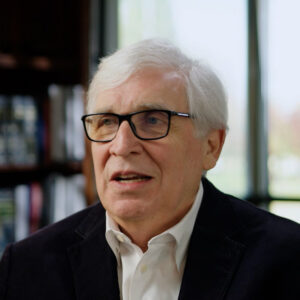
I am Michael Hackard, founder of Hackard Law. Over five decades of practice, I have fought for heirs, beneficiaries, and elder abuse victims whose inheritance rights were stripped away by manipulation, fraud, and dishonest estate planning. I have authored four books on inheritance protection and produced more than 1,000 educational videos, which have reached over 7 million viewers. Our firm serves clients across Sacramento, the San Francisco Bay Area – including Alameda and Contra Costa counties – and Los Angeles.
I start my work with the straightforward belief that fairness is important, as a legal right that California law is willing to uphold, not just as an ideal. It is not merely a family tragedy when a vulnerable elder is coerced, isolated, and forced to rewrite a lifetime of estate planning in favor of someone else. It can be contested because it is a legal wrong.
Hackard Law provides contingency fee representation for qualified trust litigation and elder financial abuse cases, meaning you pay no upfront legal fees. If your inheritance rights have been violated, call us at (916) 313-3030.
Quick Summary
Undue influence in trust litigation emerges when a manipulative individual takes benefit of a vulnerable elder. His purpose is to divert assets away from the lawful heirs and beneficiaries. Strong legal options are available in California to contest these modifications and reclaim what was taken.
- Deathbed or near-deathbed trust amendments are a common pattern in undue influence cases.
- California elder financial abuse law allows for double damages and attorney fee recovery in qualifying cases.
- Cognitive decline, isolation, and dependency make seniors prime targets for manipulation.
- Heirs, beneficiaries, and elder abuse victims have legal standing to contest fraudulent trust changes.
- Early legal intervention improves the chances of recovering misappropriated assets.
The Ancient Roots of a Modern Legal Fight
The desire for fairness is not novel. Ancient wisdom – from Ecclesiastes to Proverbs to Isaiah – recognized that dishonest scales corrupt communities and that honesty guides good people while treachery destroys them. These are not just philosophical ideas. They map directly onto what I see in trust litigation every day.
Proverbs teaches that the Lord detests dishonest scales but delights in accurate weights. When a caregiver, family member, or opportunistic acquaintance manipulates an elder into rewriting a trust at the end of life, they are actually tipping those scales. California’s elder financial abuse statutes, in particular, exist to restore the balance.
I have spent tens of years reading wills and trusts that were changed under suspicious circumstances: a new amendment signed days before death, assets redirected to a single person who had recently gained exclusive access to the elder, family members suddenly cut off without explanation. These patterns are easily recognizable and actionable. Learn more about undue influence in California estate law and what courts look for when evaluating these claims.
What Undue Influence Looks Like in Practice
Undue influence is not always dramatic. It rarely involves threats or physical coercion. More often, it is quiet and methodical – a slow erosion of an elder’s independence carried out by someone who has positioned themselves as indispensable.
Usually, the pattern starts with the isolation. The influencer restricts the elder’s interactions with advisors, family, and close friends. The elder then becomes dependent on this individual for daily care, transportation, prescription administration, and financial decisions. The senior might think that the influencer is the only one who genuinely cares about them by the time the trust amendment is signed.
California courts examine the totality of circumstances when evaluating undue influence claims. They look at the elder’s mental and physical condition, the nature of the relationship, whether independent legal counsel was involved, and whether the changes benefited the person with the most access and control. For a deeper look at how elder financial exploitation unfolds and what courts consider, Hackard Law has compiled extensive resources on this topic.
Case Pattern: Caregiver Isolation and Last-Minute Amendment
Three adult children were removed from their mother’s trust just weeks before she died, leaving everything to a live-in caregiver, the family discovered after her passing. Dementia was progressing, according to medical data. During the last year of the elder’s life, the caretaker was responsible for all communications and transportation. Capacity and undue influence were the main issues in the litigation, and the amendment was eventually contested on both grounds.
California Law: Protecting Elders from Financial Exploitation
California has some of the strongest elder financial abuse protections in the country. The Elder Abuse and Dependent Adult Civil Protection Act allows courts to award double damages and attorney fees when financial abuse of a senior is proven. These remedies exist precisely because the financial toll on families can be devastating – and because the law recognizes that seniors deserve heightened protection.
Civil remedies for elder financial abuse in California go beyond simply returning stolen assets. They are designed to deter future exploitation and to make whole the heirs, beneficiaries, and elder abuse victims who were harmed.
Hackard Law litigates these cases throughout the Bay Area, including Alameda County estate litigation and cases arising in Oakland, San Jose, and surrounding communities. We also handle matters across California’s major urban centers, representing both California residents and out-of-state clients with California estate interests.
Case Pattern: Fraudulent Transfer Through Power of Attorney
An Oakland family found that a brother who held power of attorney had closed their investment accounts. And he relocated their father’s real estate in the months leading up to his death. The trust had been altered to reflect these transactions as gifts. Based on a forensic analysis of financial records and the elder’s medical history, a fraudulent transfer claim was made, with restitution sought under California’s elder abuse laws.
For more on how fraudulent transfers in California probate are identified and challenged, Hackard Law’s resources walk through the legal framework in detail.
Why Early Intervention Matters
Over the course of fifty years, one of the most significant truths I have learnt is that timing affects results. Families that take prompt action upon detecting suspect trust modifications secure remaining assets, preserve evidence, and provide courts with a more accurate picture of what transpired.
Waiting is costly. Financial accounts can be drained. Real property can be transferred again. Documents can be lost or destroyed. The window to seek emergency relief – including asset freezes and temporary restraining orders – is narrow.
Early legal intervention in elder financial abuse cases is not just advisable. In many cases, it is the difference between recovery and permanent loss. If you are in the Bay Area and suspect that a loved one’s estate has been compromised, do not wait to get legal guidance.
For families navigating these situations, guarding against elder financial abuse in trust litigation requires understanding both things, i.e., the warning signs and the legal options available before the assets disappear.
Key Definitions
- Undue influence: Pressure or manipulation that overcomes a person’s free will and causes them to make decisions – including estate changes – they would not otherwise have made.
- Elder financial abuse: The wrongful taking, concealment, or appropriation of an elder’s money or property, including through manipulation of estate documents.
- Testamentary capacity: The mental ability required to execute a valid will or trust amendment, including understanding the nature of one’s assets and the identity of natural heirs.
- Fraudulent transfer: A transfer of assets made with intent to defraud creditors or rightful heirs, which courts can reverse under California law.
- Contingency fee representation: A fee arrangement where the attorney is paid only from a recovery, with no upfront cost to the client.
- Trust amendment: A formal change to the terms of an existing trust, which can be challenged if made under undue influence or without capacity.
- Double damages: A remedy available under California elder abuse law that awards twice the actual damages proven in qualifying cases.
- Power of attorney: A legal document granting another person authority to act on one’s behalf, which can be misused to redirect assets.
- Isolation: A common tactic in undue influence cases where the influencer limits the elder’s contact with family, friends, and advisors.
- Asset recovery: The legal process of reclaiming property or funds taken through fraud, undue influence, or elder financial abuse.
What to Do Next
- Look for recent changes to a loved one’s trust or will, especially those made during illness or cognitive decline.
- Get copies of trust documents, bank records, and any power of attorney executed in the last few years.
- Look for signs of isolation – did someone limit your access to your loved one near the end of their life?
- Try to avoid confronting the suspected influencer directly before speaking with an attorney, as this can compromise your legal position.
- Document your observations: dates, names, conversations, and any changes in the elder’s behavior or relationships.
- Try to avoid delaying – courts look more favorably on families who act promptly after discovering potential abuse.
- Reach out to an Oakland estate litigation attorney or contact Hackard Law if your case involves Bay Area assets or beneficiaries.
- Review what California trust beneficiaries need to know about their rights before your first legal consultation.
- Call Hackard Law at (916) 313-3030 to share your story and learn whether your case qualifies for contingency fee representation.
- Visit our contact page to schedule a confidential consultation with our team.
CALL THE SAGE | When Experience Matters, Families Listen
🏛️ We practice California trust & estate & elder financial abuse litigation
⚖️ We represent heirs, beneficiaries, and elder abuse victims
🎥 1,000+ educational videos | 7 million+ views | 4 published books
🎯 “After thousands of cases, I see the pattern others miss.”
CONTINGENCY REPRESENTATION – No Win, No Fee
Throughout California: Sacramento | Los Angeles | Bay Area
📞 CALL THE SAGE: (916) 313-3030
Subscribe for weekly insights on:
- Elder financial abuse warning signs and prevention
- Trust and estate litigation strategies
- Inheritance protection for California families
- Family protection strategies
When your inheritance is under attack, Call The Sage.
Hackard Law | 10640 Mather Blvd, Mather CA 95655
Attorney Advertisement | Michael Hackard, State Bar #71067
RELATED VIDEOS
Establishing Undue Influence & Elder Financial Abuse | CA Trust Litigation
Explains how California courts establish undue influence and elder financial abuse in trust disputes.
Dementia & Undue Influence | California Trust Attorney
Explores how dementia makes elders vulnerable to manipulation and wrongful trust changes.
Changes in California Estate Litigation: Elder Financial Abuse & Undue Influence
Reviews how California law has evolved to address elder financial abuse and undue influence claims.
Elder Financial Abuse | Warning Signs | CA Trust Litigation
Walks through the red flags that signal an elder may be a victim of financial abuse.
The Wolf at the Door: Ep. 10 | Alzheimer’s & Undue Influence
Discusses how Alzheimer’s disease creates opportunities for undue influence in estate planning.
How Does a Lawyer Enforce Elder Financial Abuse Law? | CA Trust Litigation
Describes the legal steps attorneys take to enforce California elder financial abuse statutes.