


 (916) 313-3030
Family Home Disputes in Bay Area Estates: Second Marriages, Stepchildren, and Substance Abuse

When the Family Home Becomes a Battleground
I am Michael Hackard, founder of Hackard Law, and over five decades of practice, I have fought for heirs, beneficiaries, and elder abuse victims across California – from Sacramento to the San Francisco Bay Area and Los Angeles. I have authored four published books on inheritance protection and produced more than 1,000 educational videos, which have reached over 7 million viewers. My goal with each of those videos, and with this post, is the same: to educate families before a dispute destroys what a lifetime of work built.
The family home is often the most emotionally charged asset in any estate. It carries memory, identity, and extraordinary financial value in the Bay Area. I have seen $1.9 million in San Francisco properties disappear from an intended beneficiary’s reach because a trust lacked a single protective clause. I have watched stepchildren lose everything to a surviving spouse’s amended trust. I have seen siblings weaponize a parent’s vulnerability to cut out brothers and sisters who did nothing wrong. These patterns are not rare. They are predictable. And that predictability is exactly why prevention matters.
Hackard Law provides contingency fee representation – no upfront costs for qualified cases. If you believe your family faces a trust or estate dispute, call us today at (916) 313-3030.
Quick Summary
Sibling rivalry, blended family trusts, and a vulnerable parent’s susceptibility to undue influence are the main causes of family home disputes in Bay Area estates. An inheritance may be saved or completely lost depending on early preparation and legal action.
- Second marriages create competing loyalties between biological children from different families.
- A surviving spouse who can amend a joint trust may disinherit a deceased spouse’s children.
- Substance abuse, dementia, and isolation increase a parent’s vulnerability to manipulation.
- Irrevocable trust provisions created at the first spouse’s death can protect children’s shares.
- Medical records, bank transfers, and family timelines are critical evidence in home dispute litigation.
The Second Marriage Trust Trap
Second marriages are now commonplace, and they carry well-known stressors. When two people each bring children from prior relationships into a new family, their estate plan must account for competing interests that affection alone cannot resolve. North American women live an average of five years longer than men, which means the surviving spouse in most second marriages is a stepmother – and the disputes that follow her husband’s death often center on whether his children will receive what he intended.
Consider a couple – call them Harry and Sally – each divorced, each with biological children, who marry and execute a revocable trust. Their trust provides for an equal split among all five children at the death of the survivor. The trust also gives the surviving spouse the power to amend, revoke, or terminate the trust in whole or in part. Harry dies after twenty years of marriage. Sally’s children cut off all contact between Harry’s children and their stepmother. Sally then amends the trust and removes Harry’s children entirely.
The family home – a San Francisco property worth $1.9 million – goes to Sally’s daughter. The residue passes to Sally’s two sons. Harry’s children learn of these changes only when they receive a California Probate Code Section 16061.7 notice after Sally’s death. By then, the financial toll is enormous, and the fracture often runs too deep for any judgment to mend.
Case Pattern: Stepchildren Disinherited After Surviving Spouse Amends Trust
The surviving spouse had complete amendment authority under a blended family trust. The survivor’s adult children separated her from her stepchildren following the death of the first spouse. The survivor changed the trust so that the stepchildren were completely eliminated. The stepchildren claimed undue influence and lack of capacity in a petition they filed in probate court. The litigation revolved around evidence of isolation and the timing of the amendments.
How Irrevocable Trust Provisions Prevent Disinheritance
Harry and Sally’s situation did not have to end that way. Had their original trust included an irrevocable provision – sometimes called a decedent’s trust or B trust – Harry’s children would have been protected. Upon Harry’s death, his share of the trust estate would have passed into an irrevocable sub-trust. Sally would have retained the right to income and principal invasion from that sub-trust during her lifetime, but she could not have changed who ultimately received it.
This structure is not unusual. It is a standard tool in blended family estate planning, and its absence is one of the most common gaps that leads to real estate battles in trust litigation. Families who understand the 8 stages of trust and estate litigation know that these cases are long, expensive, and emotionally exhausting. Prevention is always preferable.
If your family is already past the prevention stage, understanding what California beneficiaries can do when a trustee delays or denies distributions is the next critical step.
Substance Abuse, Delusion, and the Vulnerable Parent
Not all family home disputes arise from blended families. Sibling rivalry alone can be corrosive, and it becomes especially destructive when substance abuse enters the picture – whether the addiction belongs to a parent, a child, or both.
Acute intoxication can cause alcohol-induced psychotic disorder, a condition that includes hallucinations, persecutory delusions, and persistent false beliefs. I have litigated cases where a parent disinherited a child based on delusions planted by an addicted sibling. The addicted child whispers to the parent that the other children are stealing from them, that they want to make the parent homeless, that no one can be trusted. The parent – already vulnerable from age, grief, or cognitive decline – accepts these suggestions as truth.
The innocent children face an almost impossible situation. Logic does not penetrate a fixed delusion. The parent’s conviction feels unshakeable. And the addicted child, who may be the one actually misappropriating assets, has successfully redirected suspicion. It is, as I often say, the pot calling the kettle black.
Case Pattern: Addicted Sibling Plants Delusions, Parent Disinherits Innocent Children
An elderly homeowner with documented cognitive decline was isolated by one adult child who struggled with addiction. That child repeatedly told the parent that the other siblings were stealing from the household. The parent amended the estate plan to disinherit the other children and transfer the family home to the addicted child. After the parent’s death, the disinherited children challenged the transfer using medical records, bank statements, and witness testimony about the parent’s mental state.
For families facing similar patterns in the East Bay or South Bay, Alameda County estate litigation and Santa Clara estate litigation are practice areas where Hackard Law has deep experience.
Investigating a Family Home Dispute
Overturning a wrongful home transfer feels like detective work – because it is. Hackard Law approaches these cases methodically, gathering evidence that reconstructs what happened to a parent’s mind and will during the period when a trust was amended or a deed was changed.
Medical records are often the starting point. Physician notes, hospital admissions, and cognitive assessments establish a baseline for the parent’s mental capacity. Bank records reveal whether money moved in patterns inconsistent with the parent’s known intentions. Family testimony and timelines help establish when isolation began, who had access to the parent, and whether the timing of estate changes correlates with periods of heightened vulnerability.
Discovery, forensic analysis, and the pursuit of justice – these are not just legal strategies, but safeguards for families threatened by undue influence and fraud. For decades, I have stood with families who were told their case was too complicated, too emotional, or too late. A steadfast commitment to truth restores what dishonesty tried to steal.
Learn more about how to choose the right probate lawyer for your situation and review the top 10 most common probate, trust, and estate battles to understand where your case may fit.
Key Definitions
- Revocable trust: A trust the grantor can change, amend, or revoke during their lifetime, often used to avoid probate.
- Irrevocable trust: A trust that cannot be changed after it is created or after a triggering event such as a spouse’s death.
- Decedent’s trust (B trust): A sub-trust created at the death of the first spouse that locks in the decedent’s beneficiaries and prevents the survivor from altering those shares.
- Testamentary capacity: The legal standard for mental competence required to execute a valid will or trust amendment.
- Undue influence: Pressure or manipulation that overcomes a person’s free will in making estate planning decisions.
- Alcohol-induced psychotic disorder: A condition caused by acute intoxication that can produce delusions and hallucinations affecting a person’s judgment.
- Persecutory delusion: A false, fixed belief that others intend harm, often exploited by those seeking to isolate and manipulate a vulnerable person.
- Probate Code Section 16061.7 notice: A California statutory notice sent to trust beneficiaries and heirs after a trustee’s death, triggering a 120-day contest deadline.
- Elder financial abuse: The wrongful taking, concealment, or appropriation of an elder’s assets through fraud, undue influence, or breach of trust.
- Contingency fee representation: A fee arrangement where the attorney is paid only from a recovery, with no upfront cost to the client.
What to Do Next
- Look for trust documents that give a surviving spouse unlimited amendment power – this is a key vulnerability in blended family plans.
- Get copies of any trust amendment notices (Probate Code Section 16061.7) as soon as they arrive – deadlines are strict.
- Try to avoid delays in consulting an attorney; the 120-day contest window after a 16061.7 notice moves quickly.
- Look for patterns of isolation – when a parent is cut off from certain children, document dates, communications, and witnesses.
- Gather medical records from the period when any trust change was made to assess the parent’s mental state at that time.
- Look for bank records showing unusual transfers, large cash withdrawals, or new account signatories.
- Try to avoid confronting the suspected influencer directly before speaking with an attorney, as this can complicate the case.
- Review the 8 stages of trust and estate litigation to understand what lies ahead if your case proceeds to court.
- Consider whether the contingency fee representation guide applies to your situation – many families qualify with no upfront cost.
- Call Hackard Law at (916) 313-3030 to discuss your case, or visit our contact page to reach us online.
CALL THE SAGE | When Experience Matters, Families Listen
🏛️ We practice California trust & estate & elder financial abuse litigation
⚖️ We represent heirs, beneficiaries, and elder abuse victims
🎥 1,000+ educational videos | 7 million+ views | 4 published books
🎯 “After thousands of cases, I see the pattern others miss.”
CONTINGENCY REPRESENTATION – No Win, No Fee
Throughout California: Sacramento | Los Angeles | Bay Area
📞 CALL THE SAGE: (916) 313-3030
Subscribe for weekly insights on:
- Elder financial abuse warning signs and prevention
- Trust and estate litigation strategies
- Inheritance protection for California families
- Family protection strategies
When your inheritance is under attack, Call The Sage.
Hackard Law | 10640 Mather Blvd, Mather CA 95655
Attorney Advertisement | Michael Hackard, State Bar #71067
RELATED VIDEOS
Blended Family Challenges: Stepmothers, Stepchildren & Estate Litigation Battles | Hackard Law
Explores how blended family dynamics lead to bitter estate litigation battles.
Substance Abuse & Estate Fights
Examines how addiction can make a parent vulnerable and trigger inheritance disputes.
Blended Family Trust Disputes | A Formula For Conflict
Breaks down why blended family trusts so often become sources of serious conflict.
What You Focus on Grows | Bay Area Trust & Estate House Disputes
Addresses how Bay Area families navigate disputes centered on inherited real property.
Settling Bay Area Estate & Trust House Disputes | Contingency Fees
Covers how Bay Area home disputes get resolved and how contingency fees work.
Estate Drama | Intestacy & Stepchildren
Looks at what happens to stepchildren when estate planning is absent or inadequate.
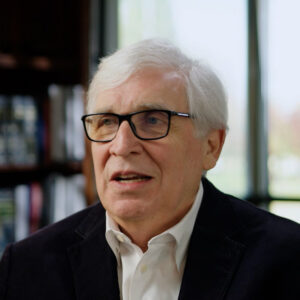 Michael Hackard is the founder of Hackard Law, a California trust and estate litigation firm with more than five decades of experience protecting the inheritance rights of families across Sacramento, the San Francisco Bay Area, and Los Angeles. He is the author of six published books on inheritance protection and has produced more than 1,000 educational videos with over seven million views.