


 (916) 313-3030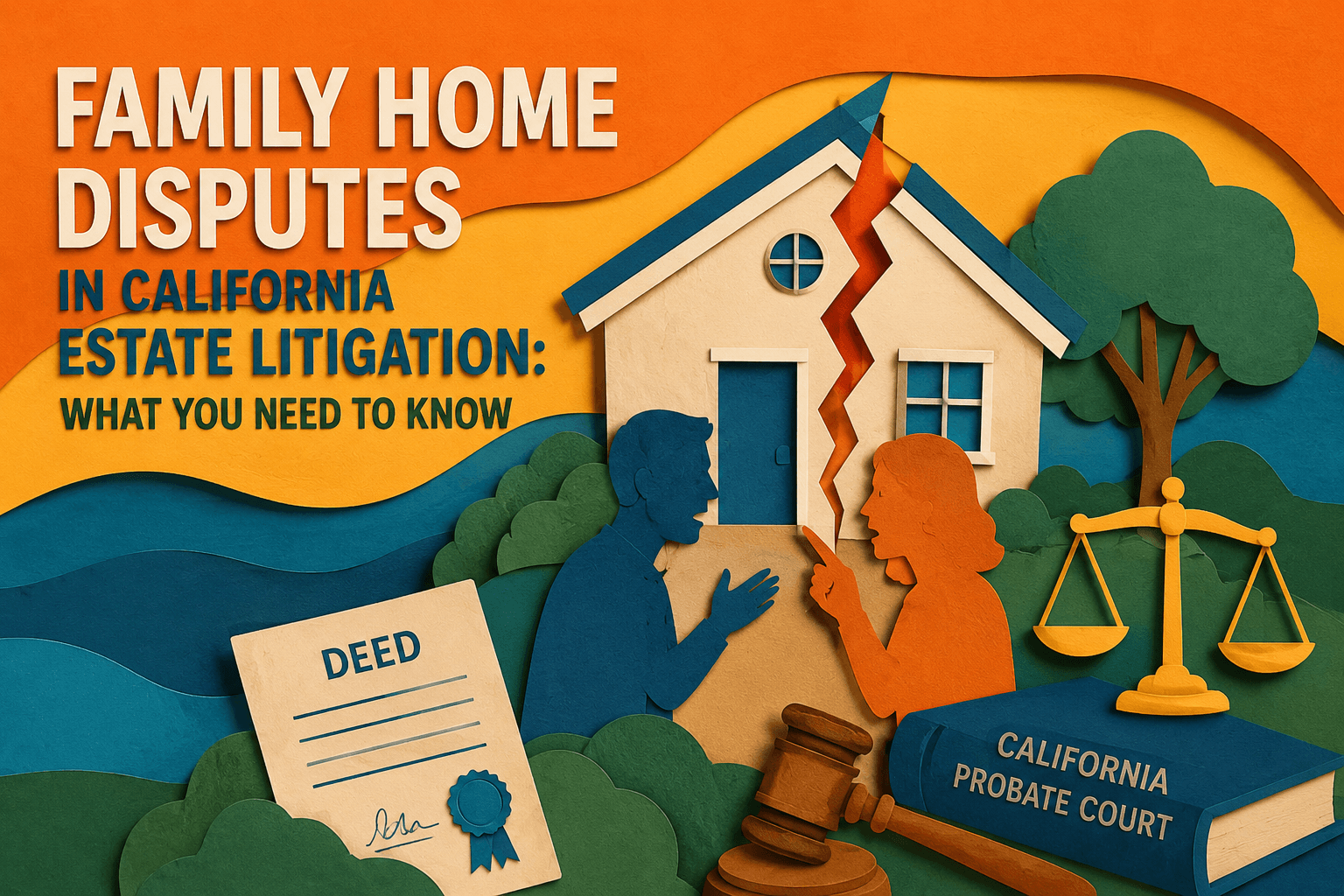
Family Home Disputes in California Estate Litigation: What You Need to Know

When the Family Home Becomes the Battleground
I’m Michael Hackard, founder of Hackard Law. Over nearly five decades of practice, I have fought for heirs, beneficiaries, and elder abuse victims across California – from Sacramento to the San Francisco Bay Area to Los Angeles. I have authored four books on inheritance protection and produced more than 1,000 educational videos that have reached over seven million viewers. In all of that time, few disputes cut as deeply as the fight over a family home.
A home is not simply real property. It carries memory. It holds the weight of generations. When someone takes that home through manipulation, fraud, or undue influence – whether by deed transfer, a changed will, or a trust provision written in the shadow of exploitation – the loss is not only financial. It is a wound that reaches into the marrow of a family’s story.
Hackard Law provides contingency fee representation for qualified estate and trust litigation cases – no upfront costs required. If you believe a family home has been wrongfully taken, call us at (916) 313-3030.
Quick Summary
Family home disputes in California estate litigation are some of the most complex and emotionally charged cases. Hackard Law deals with fraudulent transfers, undue influence, and financial abuse of the elderly.
- Home disputes arise from deed transfers made before death or from will and trust provisions that divert property.
- Elderly people who were manipulated, isolated, or impaired are often the victims.
- Probate court, civil court, or both may be used for litigation.
- In just the last three years, Hackard Law has resolved over sixty domestic disputes.
- Contingency fee representation means qualified clients pay no legal fees unless we recover.
The Emotional Weight Behind Every Home Dispute
The feeling for home runs deep. I have visited my great-grandmother’s home in Ireland – the house she left at fifteen to sail for America. My father walked me through his boyhood home in Wyoming, pointing to the window where lightning once struck, the room where his grandfather slept, and the barn where his pony died in a fire. He wept.
These memories are not abstract. They are the identity’s architectural design. When a family home is taken through fraud or manipulation, the damage is measured in more than just monetary terms. Frequently, the fracture is too deep to assess recovery.
That is the human reality behind every case Hackard Law takes. The law is the vehicle. Justice for families is the destination.
Case Pattern: Caregiver Transfer Before Death
A pattern Hackard Law encounters involves an elderly homeowner who, following the death of a spouse, becomes dependent on a live-in caregiver. Over months, the caregiver gains exclusive access, isolates the owner from adult children, and eventually facilitates a deed transfer. The adult children discover the transfer only after their parents’ death. Litigation focuses on the owner’s mental capacity at the time of transfer and the caregiver’s exercise of undue influence. Cases following this pattern have resulted in the return of property to rightful heirs.
How Family Homes Are Taken: The Legal Mechanics
The taking of a family home can happen in more than one way. In some cases, a deed is transferred while the owner is still alive – often when the owner is elderly, cognitively impaired, or dependent on someone who has gained their trust. In other cases, the home is diverted through a will or trust provision that appears to have been changed under suspicious circumstances.
California law recognizes several legal theories that apply in these situations: undue influence, lack of testamentary or contractual capacity, fraud, elder financial abuse under the Welfare and Institutions Code, and fraudulent transfer. Each theory carries its own evidentiary requirements, and the right combination depends on the facts of the specific case. You can learn more about real estate battles in trust litigation and how courts approach these claims.
The battleground is typically California’s probate or civil courts – sometimes both. Probate courts handle disputes tied to trusts and estates. Civil courts address claims like fraud and elder financial abuse that arise independently of the estate administration process.
The Complexity of Home Litigation
Litigating over a family home is not simply a matter of proving who holds title. The analysis runs deeper. Hackard Law’s approach to these cases draws on knowledge of home values, mortgages, liens, and the condition of the housing market at the time of any disputed transaction. Every relevant detail matters.
I have collaborated with appraisers, residential real estate brokers, title companies, escrow officers, lenders, loan officers, fiduciaries, and contractors for many years. Process servers, court reporters, deposition videographers, mediators, and settlement judges may be involved in the pre-trial stage alone. A home dispute is rarely only about the house. It is a multifaceted legal and factual undertaking that necessitates planning at every stage.
For families dealing with these disputes in Southern California, Los Angeles estate litigation and Alameda County estate litigation resources offer additional context on how these cases proceed in different jurisdictions.
Case Pattern: Trust Amendment Diverting the Family Home
Another pattern involves a surviving parent who amends a revocable trust late in life, removing adult children as beneficiaries of the family home and substituting a neighbor or distant acquaintance who had recently become a primary social companion. The amendment is executed when the parent’s physician records reflect significant cognitive decline. Litigation challenges the amendment on grounds of lack of capacity and undue influence. Successful outcomes in cases following this pattern have restored the home to the intended beneficiaries.
Elder Financial Abuse and the Family Home
California’s Elder Abuse and Dependent Adult Civil Protection Act provides some of the strongest protections in the country for victims of financial exploitation. When a home is taken from an elderly person through fraud, undue influence, or manipulation, the elder financial abuse statutes may provide remedies beyond what standard civil claims allow – including the recovery of attorney fees and enhanced damages.
Hackard Law has deep experience in this area. A guide to guarding against elder financial abuse in California trust litigation outlines how these claims are built and what families need to document. Early legal intervention matters. The longer a disputed transfer goes unchallenged, the more complicated recovery becomes.
For families concerned about how these cases are funded, Hackard Law’s contingency fee representation guide explains how qualified clients can pursue litigation without paying upfront legal fees. Additional detail on how contingency arrangements work in trust disputes is available through our discussion of bridging the representation gap.
Key Definitions
- Undue influence: Pressure or manipulation that overcomes a person’s free will, causing them to act against their own interests in a legal document such as a deed or trust amendment.
- Lack of capacity: The legal determination that a person did not have sufficient mental ability to understand the nature and consequences of a transaction at the time it was made.
- Fraudulent transfer: A transfer of property made with the intent to defraud creditors or rightful heirs, or made without fair consideration when the transferor was insolvent.
- Elder financial abuse: Under California Welfare and Institutions Code Section 15610.30, the taking or concealment of an elder’s property through undue influence, fraud, or other wrongful means.
- Deed transfer: A legal instrument that conveys ownership of real property from one party to another; contested deed transfers are a common focus of family home litigation.
- Probate court: The California court with jurisdiction over matters involving decedents’ estates, trusts, and guardianships.
- Revocable trust: A trust that the creator can modify or revoke during their lifetime; trust amendments made under suspicious circumstances are frequently challenged in litigation.
- Contingency fee: A fee arrangement in which the attorney is paid only if the client recovers money or property; Hackard Law offers this arrangement for qualified cases.
What to Do Next
- Look for any documents – deeds, trust amendments, or will changes – that were executed when your family member was elderly, ill, or isolated.
- Get copies of medical records from the period surrounding any disputed transfer, as they can establish capacity or impairment.
- Try to avoid confronting the person who received the property before speaking with an attorney, as early missteps can complicate litigation.
- Look for financial records showing unusual transactions, new account signatories, or property transfers you were not aware of.
- Try to gather the names of witnesses – neighbors, caregivers, or friends – who had contact with your family member during the relevant period.
- Get copies of any title or escrow records related to the property in question.
- Look for prior versions of wills or trusts that reflect the decedent’s original intentions.
- Reach out to Hackard Law to discuss your situation – our team has handled more than 60 home disputes and serves families across California through our service areas.
- Call Hackard Law at (916) 313-3030 to speak with our team about your case.
- You can also reach us through our contact page to schedule a consultation.
CALL THE SAGE | When Experience Matters, Families Listen
🏛️ We practice California trust & estate & elder financial abuse litigation
⚖️ We represent heirs, beneficiaries, and elder abuse victims
🎥 1,000+ educational videos | 7 million+ views | 4 published books
🎯 “After thousands of cases, I see the pattern others miss.”
CONTINGENCY REPRESENTATION – No Win, No Fee
Throughout California: Sacramento | Los Angeles | Bay Area
📞 CALL THE SAGE: (916) 313-3030
Subscribe for weekly insights on:
• Elder financial abuse warning signs and prevention
• Trust and estate litigation strategies
• Inheritance protection for California families
• Family protection strategies
When your inheritance is under attack, Call The Sage.
Hackard Law | 10640 Mather Blvd, Mather CA 95655
Attorney Advertisement | Michael Hackard, State Bar #71067
RELATED VIDEOS
Family Home Estate Disputes | Fortune and Misfortune
Explores how family home disputes unfold in California estate litigation cases.
What Happened to Mom & Dad’s House? | CA Estate & Trust Litigation
Examines how a parent’s home can be wrongfully transferred or lost during estate disputes.
Key Tips to Fight Wrongful House Transfers | CA Estate & Trust Litigation
Practical guidance on challenging fraudulent or improper property transfers in California.
My Brother Stole My Mom’s House | Tales of Estate Wrongdoing
Real-world stories of family members manipulating elders to take the family home.
Real Estate Battles in Trust Litigation: Partition, Eviction & Sale Disputes | Michael Hackard
Michael Hackard breaks down partition, eviction, and sale conflicts in trust litigation.
Breaking the Impasse | Trust Beneficiary Litigation House Disputes
Covers strategies for resolving deadlocked house disputes among trust beneficiaries.
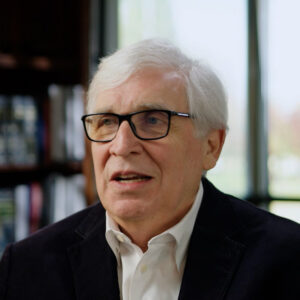 Michael Hackard is the founder of Hackard Law, a California trust and estate litigation firm with more than five decades of experience protecting the inheritance rights of families across Sacramento, the San Francisco Bay Area, and Los Angeles. He is the author of four published books on inheritance protection and has produced more than 1,000 educational videos with over seven million views.