


 (916) 775-8542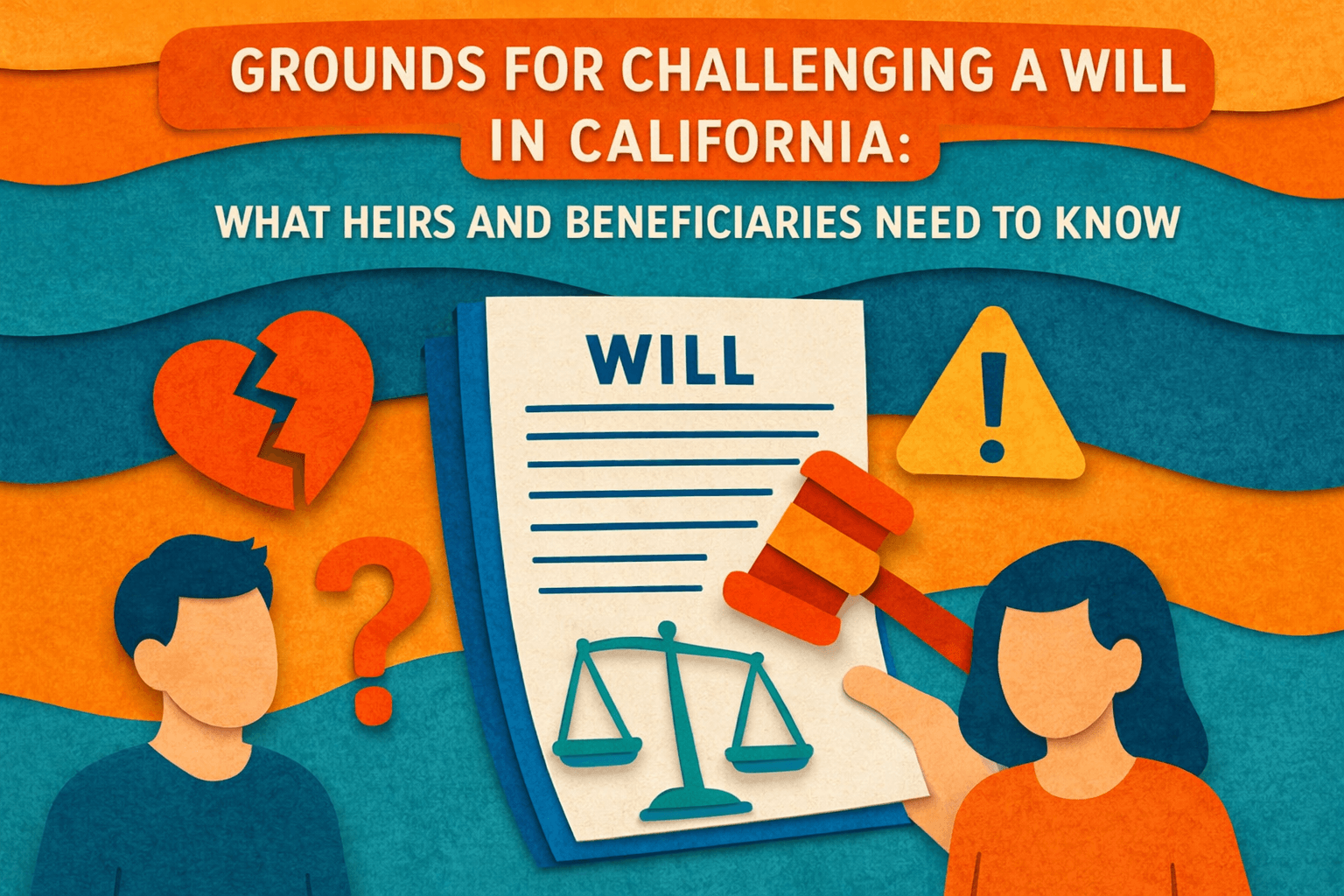
Grounds for Challenging a Will in California: What Heirs and Beneficiaries Need to Know
Why Will Challenges Still Matter in California
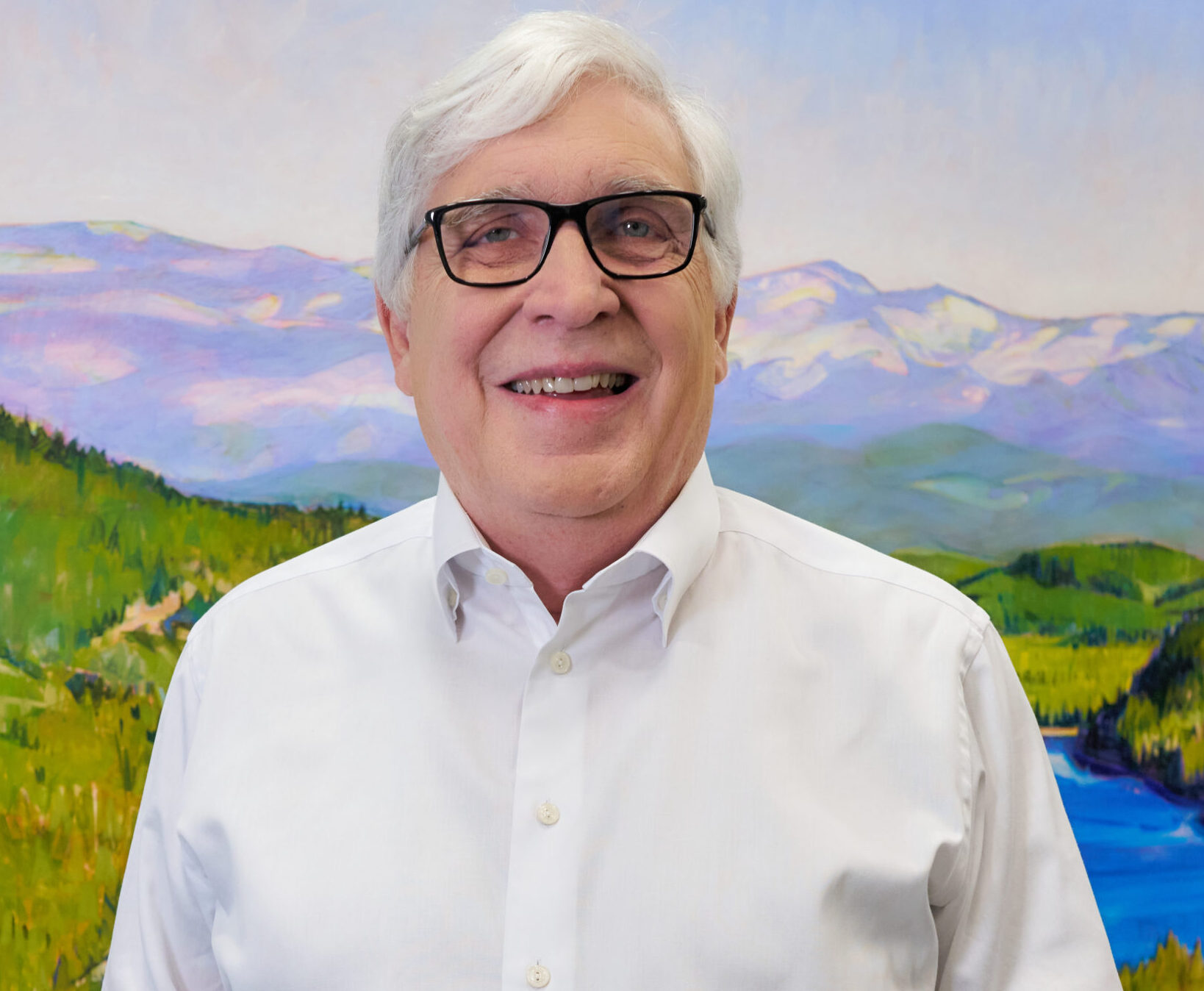
I’m Michael Hackard, founder of Hackard Law. Over more than five decades of practicing law, I have handled will and trust disputes that cut to the heart of family legacy. I have authored four published books on inheritance protection and produced more than 1,000 educational videos that have now been viewed over seven million times. One thing that has remained remarkably consistent across my career is the emotional weight of will challenges. Unlike many areas of trust litigation that have evolved substantially, the core grounds for contesting a will in California remain much the same as they were decades ago.
Wills can deliver unexpected windfalls or transfer treasured possessions. They can bring families together, or they can fracture them beyond repair. Getting disinherited can feel like abandonment or expulsion from the family. It hurts deeply, and heirs want to look behind it. Hackard Law represents heirs, beneficiaries, and elder abuse victims across Sacramento, the San Francisco Bay Area, and Los Angeles in contested will and trust cases where something about the will just does not add up.
Hackard Law provides contingency fee representation in qualified cases, meaning families pay no upfront legal costs to pursue the inheritance that was rightfully theirs.
If you believe a will does not reflect a loved one’s true wishes, contact Hackard Law to schedule a free estate dispute consultation.
Quick Summary: California Will Challenge Grounds
California law provides several specific grounds on which an heir or beneficiary can challenge the validity of a will. Understanding these grounds is the first step toward protecting your inheritance.
- Lack of formalities — The will does not meet California’s requirements for execution, witnesses, or signatures.
- Lack of mental capacity — The testator did not have sufficient mental ability to understand what they were signing.
- Lack of knowledge and approval — The testator signed a document without knowing it was a will.
- Undue influence or fraud — Someone coerced or deceived the testator into making a will that did not reflect their true wishes.
- Letter wills — Informal documents may qualify as wills if they meet specific legal requirements.
Lack of Formalities: Getting the Basics Right
California law imposes strict requirements on how a will must be created. Oral wills are invalid in California. A will must be in writing, whether typed or handwritten. The testator (maker of the will) should be at minimum 18 years of age at the time the will is executed.
A typed will does not need to be typed by the testator personally. However, it must be signed by the testator and witnessed by at least two disinterested witnesses. A witness is considered “disinterested” when they receive no financial benefit under the will. Notably, a notary is not required to make a valid California will.
California also recognizes holographic wills, which are handwritten wills. To be valid, a holographic will must be entirely written in the testator’s own handwriting and signed by the testator. Holographic wills do not require witnesses. Additionally, California provides a statutory will, a fill-in-the-blank form that must be completed exactly as written, dated, signed, and witnessed by two disinterested witnesses.
When any of these requirements are not met, a will challenge based on lack of formalities can succeed. Families sometimes discover that a lost or improperly executed will creates significant confusion about what was actually intended.
Case Pattern: The Unwitnessed Typed Will
A family discovered that their parent’s typed will had been signed only by the testator and one witness instead of the required two. Because the document failed to meet California’s formal witnessing requirements, the court invalidated the will and the estate passed under an earlier valid version that more closely reflected the decedent’s longstanding intentions.
Lack of Mental Capacity
The maker of a valid California will must have sufficient mental capacity at the time the will is signed. This means the testator must understand the nature of the act of making a will, the situation and extent of their property, and their relationship to their descendants and other natural objects of their bounty.
Mental capacity challenges arise frequently when a testator was elderly, suffered from dementia, or was under the influence of medications that impaired judgment. California courts look at the testator’s condition specifically at the time they signed the will, not at other points in time. This is a critical distinction that can determine the outcome of a case.
Families who suspect that a loved one lacked the mental ability to understand what they were signing should gather medical records, witness testimony, and any other evidence that speaks to the testator’s cognitive state on the date of execution. Elder financial abuse and diminished capacity often go hand in hand in these situations.
Lack of Knowledge and Approval
Sometimes people sign documents without understanding that what they are signing is actually a will. This ground for challenge addresses situations where the testator was misled about the nature of the document placed in front of them.
This challenge differs from undue influence or fraud in that it focuses on a basic failure of awareness. The testator may not have been coerced or deceived in the traditional sense. Instead, they may have simply been confused about what the document was. This ground is most commonly raised when an elderly or ailing testator signed a stack of documents and a will was slipped in among them.
Michael Hackard identifies this pattern as one that often accompanies other grounds for challenge. Where there is a lack of knowledge and approval, there is frequently undue influence lurking nearby.
Undue Influence and Fraud in Will Challenges
Undue influence is one of the most common and most difficult grounds for a will challenge in California. Undue influence occurs when someone exerts pressure, manipulation, or control over the testator so that the resulting will does not reflect the testator’s true wishes. Instead, the will reflects the desires of the influencer.
California courts examine several factors when evaluating undue influence claims. These include the vulnerability of the testator, the apparent authority of the influencer, the actions and tactics used by the influencer, and the equity of the result. A will that drastically departs from the testator’s longstanding estate plan, or one that disproportionately benefits a caretaker or recently introduced party, may raise red flags.
Proving undue influence is challenging because the conduct typically occurs behind closed doors. Successful challenges usually require careful assembly of circumstantial evidence, including medical records, testimony from friends and family, and analysis of the patterns of manipulation that courts recognize.
Fraud is a related but distinct ground for challenging a will. Fraud occurs when someone deliberately deceives the testator about the contents or consequences of the will. For example, telling a testator that the document is a power of attorney rather than a will would constitute fraud.
Case Pattern: The Late-Arriving Caretaker
An elderly parent changed their will after a new caretaker moved into the home and isolated the parent from longtime family members. The new will left nearly everything to the caretaker. The family challenged the will on undue influence grounds, presenting evidence of isolation, dependency, and the testator’s declining cognitive abilities. The court found the circumstances warranted heightened scrutiny, and the matter resolved favorably for the disinherited family members.
Letter Wills and Informal Documents
California courts will enforce what are sometimes called “letter wills” — wills that take the form of a letter or informal written document rather than a traditional legal form. These documents can be valid if they meet California’s requirements for formalities, mental capacity, and freedom from undue influence or fraud.
The question with a letter will is always whether the document demonstrates testamentary intent. Did the writer intend the letter to serve as their will? Courts analyze the language, context, and surrounding circumstances to make this determination. A letter that says “I want everything to go to my daughter” may or may not be enforceable depending on the specifics.
Families who discover a letter or informal document after a loved one’s passing should have it reviewed by a California probate litigation attorney before assuming it has no legal effect.
Key Definitions
- Testator — The person who creates and signs a will.
- Holographic will — A will written entirely in the testator’s own handwriting and signed by the testator; no witnesses required in California.
- Statutory will — A fill-in-the-blank will form provided under California law that must be completed, dated, signed, and witnessed.
- Disinterested witness — A witness who receives no financial benefit under the will.
- Mental capacity — The testator’s ability to understand the act of making a will, their property, and their family relationships at the time of signing.
- Undue influence — Excessive pressure or manipulation that causes a will to reflect someone else’s wishes rather than the testator’s own intent.
- Fraud — Deliberate deception that causes the testator to sign a will under false pretenses.
- A letter will — An informal document, often in letter form, that may be enforced as a will if it meets legal requirements.
- Testamentary intent — Evidence that the writer intended a document to serve as their testament.
What to Do Next If You Suspect a Will Is Invalid
- Gather and preserve all versions of the will and any related documents, including earlier wills.
- Collect medical records that speak to the testator’s mental condition around the time the will was signed.
- Document any relationships or circumstances that suggest undue influence, isolation, or fraud.
- Identify disinterested witnesses who interacted with the testator and can speak to their state of mind.
- Act promptly — California imposes strict deadlines for will contests, and delay can forfeit your rights.
- Consult a California probate litigation attorney who handles will challenges on a contingency fee basis.
- Do not sign any releases, waivers, or settlement agreements before receiving independent legal advice.
- Keep a detailed written timeline of events, including when the will was created, who was present, and any suspicious changes.
If a will does not reflect what your loved one truly wanted, reach out to Hackard Law at (916) 313-3030 for a free consultation.
CALL THE SAGE | When Experience Matters, Families Listen
THE EXPERTISE:
📚 50 years California trust, estate & elder financial abuse litigation
⚖️ We represent heirs, beneficiaries, and elder abuse victims
🎥 1,000+ educational videos | 7 million+ views | 4 published books
🎯 “After thousands of cases, I see the pattern others miss.”
CONTINGENCY REPRESENTATION — No Win, No Fee
Throughout California: Sacramento | Los Angeles | Bay Area
📞 CALL THE SAGE: (916) 313-3030
Subscribe for weekly insights on:
- Elder financial abuse warning signs and prevention
- Trust and estate litigation strategies
- Inheritance protection for California families
- Family protection strategies
When your inheritance is under attack, call The Sage.
Hackard Law | 10640 Mather Blvd, Mather, CA 95655
Attorney Advertisement | Michael Hackard, State Bar #71067
RELATED VIDEOS
Capacity & Undue Influence | CA Estate Litigation
Directly addresses the blog’s two most prominent will-challenge grounds (mental capacity and undue influence) in a single California estate litigation video, making it the strongest all-around companion piece.
Inheritance Heists Ch. 9: Caregiver Undue Influence Against Seniors
Mirrors the blog’s ‘late-arriving caretaker’ case pattern almost exactly — a caregiver moves in, isolates the elder, and the will changes. High specificity match to a key illustrative scenario in the post.
Trust Traps Part 4: How to Defeat Inheritance Heists & Undue Influence
Directly cited by URL in the blog’s own body text as a related resource on patterns of manipulation courts recognize, making it a natural and authoritative companion video.
Summing Up Undue Influence | Elements
The blog enumerates the same four-factor undue influence test (vulnerability, apparent authority, tactics, equity of result) that this video summarizes, reinforcing the blog’s analytical framework.
Should a Paid Caregiver Inherit $4 Million? | Undue Influence
Provides a compelling, concrete case study of caregiver-driven undue influence that reinforces both the blog’s case pattern and its discussion of wills that disproportionately benefit recently introduced parties.
Estate Plan Sabotage: How to Stop Undue Influence Before It’s Too Late
Aligns with the blog’s actionable ‘what to do next’ section and its emphasis on acting promptly to preserve inheritance rights, offering readers a forward-looking next step after learning the grounds for a challenge.
 Michael Hackard is the founder of Hackard Law, a California trust and estate litigation firm with more than five decades of experience protecting the inheritance rights of families across Sacramento, the San Francisco Bay Area, and Los Angeles. He is the author of four published books on inheritance protection and has produced more than 1,000 educational videos with over seven million views.