


 (916) 313-3030
How Assets Transfer After Death in California: Probate vs. Non-Probate Transfers Explained
What Every California Family Should Know About Asset Transfers at Death
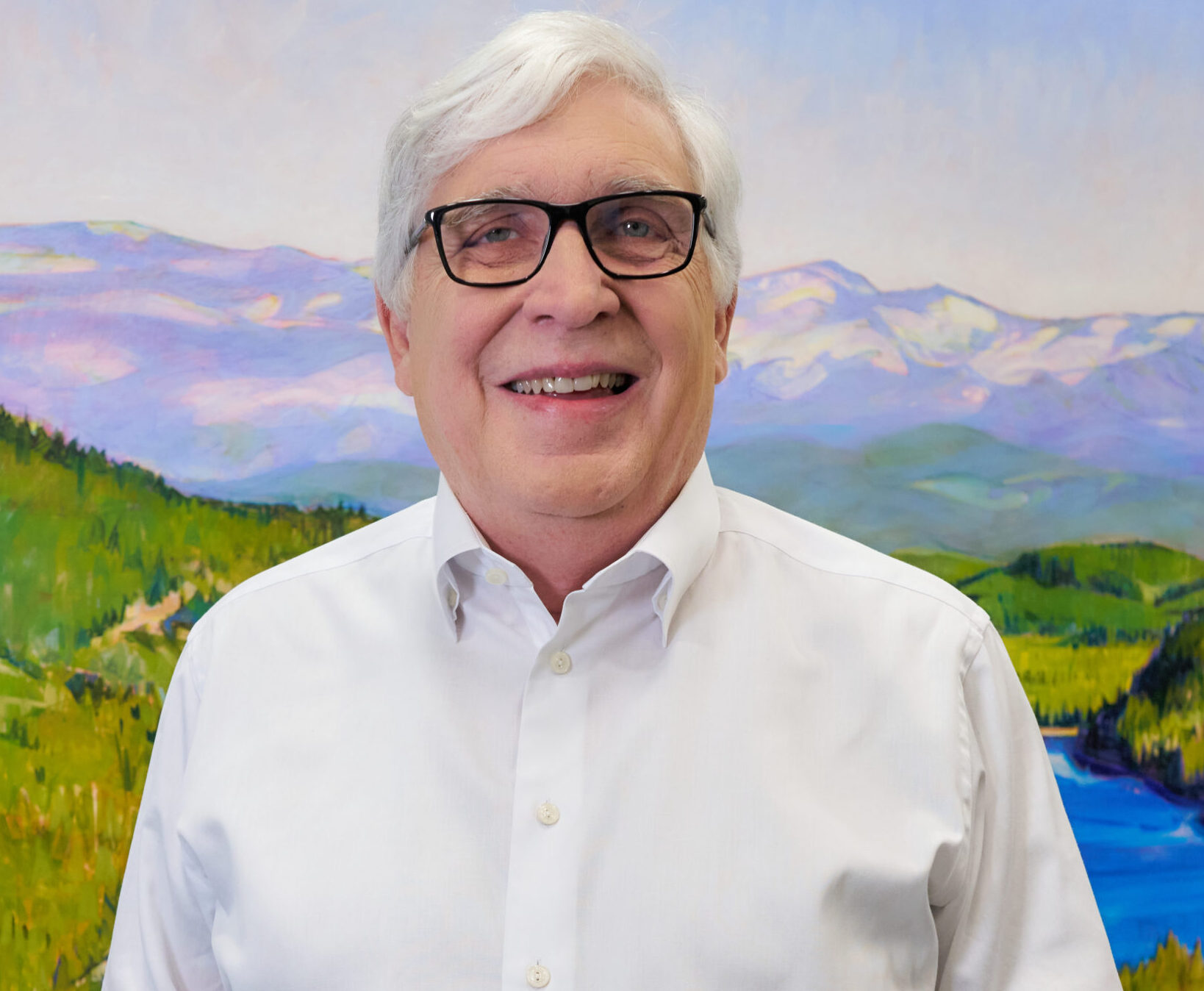
I am Michael Hackard, founder of Hackard Law, and over my nearly five decades of practicing California estate and trust litigation – beginning in 1976 – I have watched families navigate one of the most disorienting experiences life offers: figuring out what happens to a loved one’s assets after they are gone. I have written four published books on inheritance protection and produced more than 1,000 educational videos that have drawn over seven million views, all because I believe families deserve clear answers before a crisis forces them into court.
Hackard Law serves clients across Sacramento, the San Francisco Bay Area, and Los Angeles, including Alameda, Santa Clara, San Mateo, Contra Costa, Orange, and Los Angeles counties. Whether you are in Oakland, San Jose, or anywhere in the Bay Area, the rules governing how assets pass at death are the same – but how those rules play out in your family’s specific situation can vary enormously.
Understanding the difference between probate and non-probate transfers is one of the most practical things any beneficiary or family member can do before a dispute arises.
Hackard Law handles qualified cases on a contingency fee basis, meaning no upfront costs to you. To find out whether your situation qualifies, call us at (916) 313-3030.
Quick Summary
There are several ways to transfer assets after death under California law; some require court supervision, while others pass automatically to designated beneficiaries.
- Assets owned in a person’s name alone typically require probate court proceedings before they can be transferred.
- Non-probate transfers – including life insurance proceeds, trust assets, joint tenancy property, and accounts with beneficiary designations – pass outside of court.
- Disputes can arise in both probate and non-probate contexts, particularly when designations are changed under suspicious circumstances or when a trustee or executor fails to fulfill their duties.
- Hackard Law focuses on contested estate, trust, and probate matters throughout California’s largest counties.
- Early legal intervention often produces better outcomes than waiting until a dispute has fully escalated.
Probate Transfers: When the Court Steps In
When an individual passes away with assets only in their name, those assets can’t simply be transferred to their heirs. No living owner can approve a transfer or sign a deed. The probate court in California fills that void.
Let’s take a simple example. Barbara owns a house in Carmel. Charlie, her son, is named executor in her will. Charlie cannot transfer the house without a judge’s approval because it is in Barbara’s name only. As executor, Charlie can sign a deed to finalize a sale or transfer to a beneficiary after the probate court issues an order placing the house in Barbara’s estate.
Because Barbara left a will, it is believed that she passed away testate. If she died without a will, her estate would be intestate, and California’s intestate succession laws would determine who inherits. In either case, assets held solely in her name must go through the probate court procedure.
For families in the Bay Area, probate proceedings are handled in the county where the decedent lived. Alameda County, Santa Clara County, and San Mateo County each have their own probate divisions, and the Alameda County estate litigation process carries its own procedural nuances that can catch unprepared families off guard.
Non-Probate Transfers: Assets That Pass Automatically
Not all assets transfer at death without a court order. A wide range of non-probate transfers—assets that go straight to a designated recipient by operation of law or contract, completely avoiding the probate process—are recognized by California law.
Life insurance is one of the most common examples. If Barbara holds a $1 million policy with San Mateo Life Insurance Company and names Charlie as primary beneficiary and her granddaughter Pam as secondary beneficiary, the proceeds transfer directly to Charlie at Barbara’s death. If Charlie does not survive Barbara, Pam receives the benefit. No probate court is involved.
Assets held in trust, jointly owned real estate, accounts designated as payable-on-death or transfer-on-death, individual retirement accounts, pension plans, and revocable transfer-on-death deeds are examples of additional non-probate transfers. If Barbara and Pam had jointly titled their Carmel home, Pam would inherit the entire property upon Barbara’s passing without the need for legal action.
Trusts deserve particular attention. A properly funded trust allows the trustee to transfer assets to beneficiaries – or to a buyer in a sale – without probate court approval. This is one of the primary reasons families in the Bay Area use revocable living trusts as a core estate planning tool. For a closer look at how real property moves through these structures, real estate battles in trust litigation illustrates how quickly disputes can arise when property ownership is unclear.
Case Pattern: A family member who served as a caregiver changed the beneficiary designation on a parent’s life insurance policy in the months before the parent’s death. The original beneficiaries – adult children from a prior relationship – received nothing. Litigation focused on whether the change was made freely or under circumstances that undermined the parent’s true intent. Cases following this pattern often turn on medical records, witness accounts, and the timing of the designation change.
Trusts: Structure, Roles, and Why They Matter
A trust is created by a trustor – also called a settlor or grantor. The trust document identifies a trustee and successor trustees who administer the trust assets, along with the beneficiaries who are entitled to receive distributions. During the trustor’s lifetime, a revocable living trust can be amended or revoked at will. After death, it typically becomes irrevocable.
The trustee’s role carries real legal weight. Trustees owe fiduciary duties to beneficiaries – duties of loyalty, prudence, and impartiality. When a trustee fails to honor those duties, beneficiaries have legal remedies. Trustee accountability becomes a central issue in many of the cases Hackard Law handles, particularly when beneficiaries are denied accountings or distributions are unreasonably delayed.
For Bay Area families with significant assets – real estate, investment accounts, business interests – a properly structured and funded trust can streamline the transfer process considerably. But the trust is only as reliable as the people administering it.
Case Pattern: After a parent’s death, the successor trustee – a sibling – delayed providing any accounting to the other beneficiaries for over a year and made distributions to himself that were not authorized by the trust terms. When the other beneficiaries sought legal help, the trustee faced a petition for removal and a surcharge for unauthorized distributions. Patterns like this are among the most common triggers for trust litigation in the Bay Area.
When Transfers Go Wrong: The Litigation Landscape
Hackard Law focuses on contested estate, trust, and probate matters. The cases that come through our door reflect a wide range of disputes – from executors who mismanage estate assets to trustees who treat a trust as a personal account, to beneficiary designations changed under suspicious circumstances.
Sometimes the problem is not bad intent but ignorance. An executor or trustee who does not understand their duties can cause real harm without meaning to. Many of these cases resolve once the fiduciary understands the legal obligations they accepted. The top ten most common probate, trust, and estate battles cover the full range of what families face, from breach of fiduciary duty to outright fraud.
In other situations, the harm is deliberate. Resources are rerouted. People make last-minute changes to beneficiary designations. Under duress, deeds are transferred. These circumstances require vigorous litigation, forensic examination of financial documents, and the kind of courtroom expertise gained through nearly fifty years of practice.
Hackard Law regularly handles cases filed in Alameda, Contra Costa, Santa Clara, San Mateo, Sacramento, Los Angeles, and Orange counties. For Bay Area clients, Santa Clara estate litigation and Alameda County estate litigation are areas where we are particularly active.
For decades, I have stood with families who discovered – too late, or just in time – that the plan their loved one put in place had been undermined. Discovery, forensic analysis, and the pursuit of justice are not just legal strategies; they are safeguards for families threatened by manipulation and breach of trust. A steadfast commitment to truth restores what dishonesty tried to steal. The financial toll grows with every month of delay, and the fracture within families often runs too deep for any judgment to fully mend – which is why acting early matters.
Key Definitions
- Probate: The court-supervised process of validating a will, appointing an executor, and transferring assets owned in a decedent’s name alone.
- Testate: Dying with a valid will in place.
- Intestate: Dying without a will; assets subject to California’s intestate succession laws.
- Executor: The person named in a will to administer the estate and carry out the decedent’s wishes.
- Non-probate transfer: An asset that passes at death outside the probate process, such as life insurance proceeds, trust assets, or jointly held property.
- Trustor/Settlor/Grantor: The person who creates a trust.
- Trustee: The individual or institution responsible for administering a trust according to its terms.
- Beneficiary: A person or entity entitled to receive assets from a trust, estate, or insurance policy.
- Joint tenancy: A form of co-ownership in which the surviving owner automatically receives the deceased owner’s share without probate.
- Revocable transfer-on-death deed: A California deed that transfers real property to a named beneficiary at the owner’s death without probate.
- Fiduciary duty: The legal obligation of a trustee or executor to act in the best interests of the beneficiaries.
What to Do Next
- Look for a complete inventory of the decedent’s assets, including accounts, real property, insurance policies, and retirement accounts.
- Get copies of any trust documents, wills, and beneficiary designation forms as early as possible.
- Look for any recent changes to beneficiary designations, deeds, or trust amendments, particularly those made close to the decedent’s death or during a period of illness.
- Try to avoid making any financial decisions about estate or trust assets before consulting with an attorney.
- Look for an attorney who handles contested trust and estate matters on a contingency fee basis if the estate has substantial value at stake.
- Try to document your communications with any executor or trustee, especially if they are unresponsive or evasive about accountings and distributions.
- Get copies of financial account statements covering the period before and after the decedent’s death to identify unusual transfers.
- Look into whether the Mountain View contingency trust litigation model applies to your situation – many Bay Area families qualify for representation without upfront fees.
- Call Hackard Law at (916) 313-3030 to discuss your case with our team.
- Reach out through our contact page to schedule a consultation and tell us your story.
CALL THE SAGE | When Experience Matters, Families Listen
🏛️ We practice California trust & estate & elder financial abuse litigation
⚖️ We represent heirs, beneficiaries, and elder abuse victims
🎥 1,000+ educational videos | 7 million+ views | 6 published books
🎯 “After thousands of cases, I see the pattern others miss.”
CONTINGENCY REPRESENTATION – No Win, No Fee
Throughout California: Sacramento | Los Angeles | Bay Area
📞 CALL THE SAGE: (916) 313-3030
Subscribe for weekly insights on:
- Elder financial abuse warning signs and prevention
- Trust and estate litigation strategies
- Inheritance protection for California families
- Family protection strategies
When your inheritance is under attack, Call The Sage.
Hackard Law | 10640 Mather Blvd, Mather CA 95655
Attorney Advertisement | Michael Hackard, State Bar #71067
RELATED VIDEOS
The Real Cost of Probate What Families Need to Understand
Breaks down the financial and time costs families face going through probate.
CA Probate Laws | Will My 401(k) Funds Pass by Intestate Rules?
Explains whether retirement accounts like 401(k)s are subject to California intestate succession rules.
Who Gets Paid First After Death in California? Creditors vs. Beneficiaries Explained
Walks through the priority order for paying creditors and distributing assets after death.
Betrayal of Trust | Trustee Failure to Distribute Assets
Covers what happens when a trustee refuses or fails to distribute assets to beneficiaries.
ABCs of California Trust, Probate & Estate Disputes | 2018
Provides a foundational overview of how trust, probate, and estate disputes work in California.
Disputed Trust & Estate Bank Accounts | CA Probate Litigation
Examines legal conflicts that arise over bank accounts in California trust and estate cases.
 Michael Hackard is the founder of Hackard Law, a California trust and estate litigation firm with more than five decades of experience protecting the inheritance rights of families across Sacramento, the San Francisco Bay Area, and Los Angeles. He is the author of six published books on inheritance protection and has produced more than 1,000 educational videos with over seven million views.