


 (916) 313-3030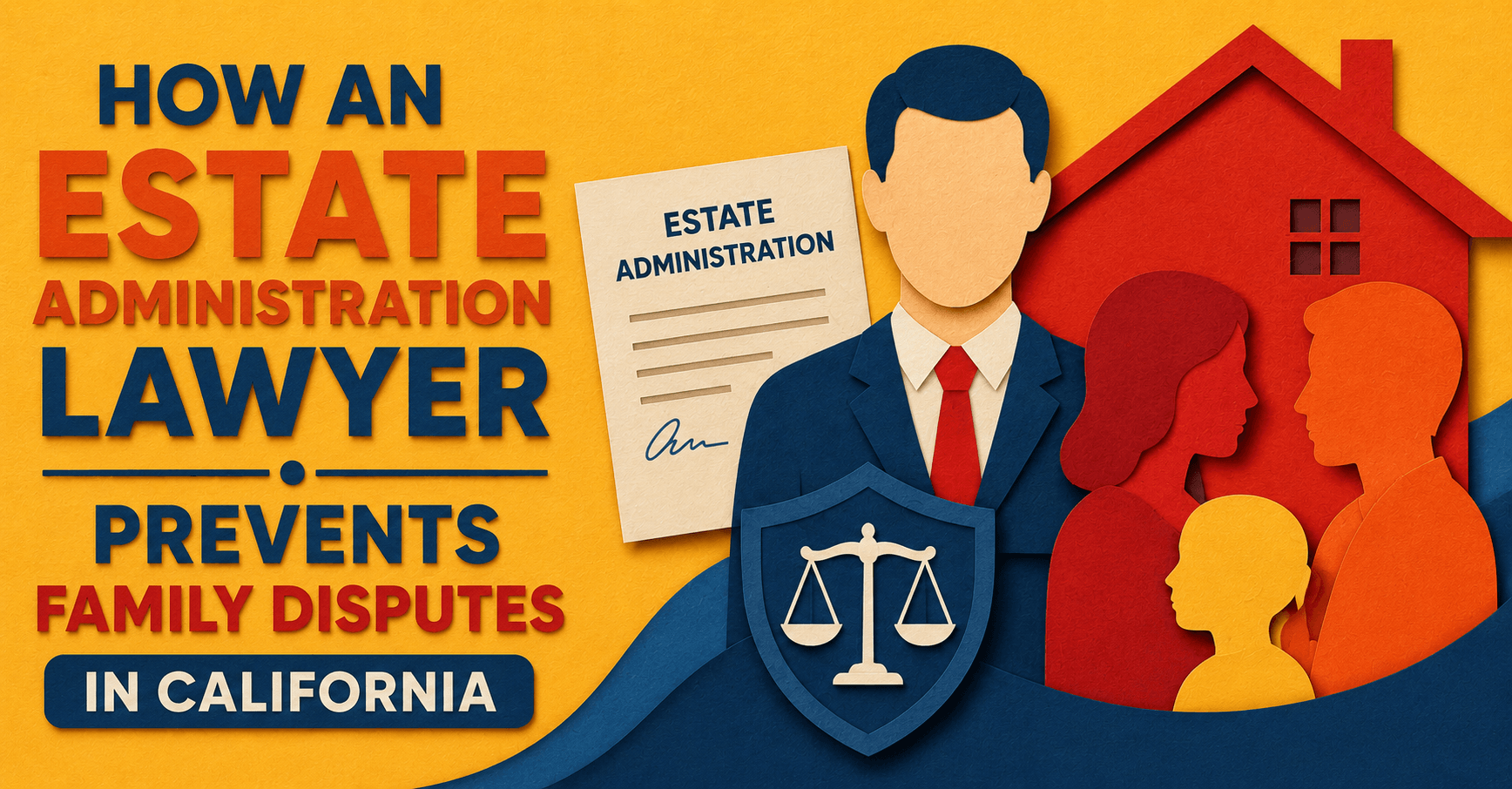
How an Estate Administration Lawyer Prevents Family Disputes in California

Why Estate Administration Needs Legal Guidance
I’m Michael Hackard, founder of Hackard Law. Over five decades of practice, I have stood with families at one of the hardest moments they will ever face – the loss of a loved one, followed immediately by the task of settling an estate. I have written four books on inheritance protection and produced more than 1,000 educational videos that have reached over seven million viewers. That experience has shown me one thing clearly: the estate process, even in close families, carries real risk of conflict.
Hackard Law represents families across California, including Sacramento, the San Francisco Bay Area, and Los Angeles. Estate disputes arise in cases involving everything from a single family home to substantial investment portfolios. The legal issues are often accompanied by strained family relationships. Over the years, I have seen apparently minor issues—such as delayed accountings, unexplained decisions about trust assets, or unclear trust language—develop into expensive litigation that reduces the value of the estate and creates lasting conflict among family members.
Hackard Law provides contingency fee representation for qualified cases, meaning no upfront costs to pursue your claim. To speak with our team, call (916) 313-3030.
Quick Summary
Estate administration is a legally complicated process that implies substantial risk of family conflict, especially without proper legal guidance. An estate administration lawyer brings structure, transparency, and neutrality at every stage.
- Before dispersing anything, executors must inventory assets, resolve debts, and comply with California law.
- Lack of information is the most common cause of beneficiary disputes.
- Neutral appraisals lessen disagreements over asset prices, particularly real estate.
- The majority of problems can be avoided by seeking legal advice early on.
- The purpose is to respect the decedent’s wishes while maintaining family bonds.
Why Disputes Arise During Estate Administration
The death of a family member often leaves beneficiaries with urgent duties in addition to their grief. They want to know who is administering the estate, what assets are involved, and why the process is taking as long as it is. When those questions remain unanswered, disagreements and mistrust often follow.
Even well-intentioned executors can unintentionally create tension by failing to communicate consistently. A delayed distribution can feel like favoritism. An undisclosed appraisal can feel like concealment. In a grieving family, perception matters as much as reality. That is why the most common probate, trust, and estate battles so often trace back not to bad actors, but to poor communication and process.
An estate administration lawyer provides the structure that prevents these misunderstandings from taking root. When beneficiaries understand what the executor is legally required to do – and see that process unfolding transparently – most early tension dissolves on its own.
Bringing Transparency to a Difficult Process
Good communication frequently avoids estate disputes before they begin. Regular updates, timely accountings, realistic timelines, and simple answers help beneficiaries understand what is going on and why. When people are kept informed, they are less likely to suspect that something is being hidden or mismanaged.
This is especially important when the estate includes real estate. Property values are often the single largest point of contention in an estate. Heirs may have emotional attachments to a family home, or conflicting beliefs about its market value. Hackard Law has seen how real estate battles in trust litigation can consume an estate’s resources if not handled carefully from the start.
Coordinating a neutral, professional appraisal – and sharing those results openly – removes the guesswork and gives every beneficiary the identical factual foundation.
Case Pattern: A family home dispute
I’ve seen estate disputes begin with a disagreement over the value of a family home. When an executor chooses an informal estimate instead of an independent appraisal, beneficiaries may question whether the valuation is accurate. Those concerns can escalate into litigation, delaying distributions and increasing costs for the estate. Obtaining an independent appraisal early in the process provides an objective valuation that can help prevent those disputes.
Managing Debts, Creditors, and the Order of Operations
One of the most misunderstood aspects of estate administration is timing. Beneficiaries often expect distributions to happen quickly after a loved one passes. But California law requires that debts and creditor claims be addressed before any assets are distributed. Executors who skip this step – or feel pressured by family members to move faster – expose themselves and the estate to serious liability.
An estate administration lawyer helps the executor navigate this sequence correctly. Understanding how to choose the right probate lawyer for your situation is an important first step for any executor facing this responsibility. When beneficiaries understand why distributions are delayed, and that the delay protects them as much as anyone, frustration tends to give way to patience.
Interpreting Unclear Documents and Resolving Early Tension
Not every will or trust is a model of clarity. Vague language, outdated provisions, and conflicting instructions are more common than most families expect. When a document is ambiguous, different beneficiaries often read it differently – and each reading is inclined to favor the reader’s own interests.
An attorney reviews these documents in compliance with California law and the express intent of the deceased. This is about respecting the deceased’s actual desires, even if they aren’t fully expressed in the words on the page. It’s not about trying to find a way around this.
When tension does arise despite best efforts, early mediation guided by counsel can resolve disagreements before they harden into litigation. Many disputes that could have become courtroom battles are resolved in a single conversation – because the right questions were asked at the right time, with appropriate guidance.
Case Pattern: Two estates, two outcomes
In the same year, two families dealt with comparable estates. In the first, the executor was in charge of everything. A large portion of the estate was spent on legal fees as disagreements over the family home’s worth turned into a full-fledged probate dispute. In the second, the executor hired a lawyer right away. Questions were immediately addressed, updates were consistent, and appraisals were shared. The family stayed close, and the estate closed without incident. Early, definite legal guidance made the difference, not the size of the estate.
What Happens Without Legal Guidance
When issues are not resolved, the financial toll rises. Legal bills, appraisal costs, court filings, and missed time add up quickly in contested estates. The rift that arises between brothers or cousins is frequently too deep for any judgment to heal. I’ve seen families that were truly close before a parent died become strangers, or worse, adversaries, because no one intervened early enough to offer structure.
For decades, I’ve stood alongside families at this crossroads. A steadfast commitment to truth and process replaces what misunderstanding and sadness might take away. Estate management involves more than simply paperwork. It is a test of everything a family has built together, so proceed with caution.
Hackard Law litigates contested estate and trust matters across California, from Sacramento to Alameda County to Los Angeles. Whether the issue is a disputed appraisal, a delayed distribution, or a document that raises more questions than it answers, our team is set to help.
Key Definitions
- Executor: The person named in a will to administer the estate, responsible for inventorying assets, paying debts, and distributing property according to the decedent’s wishes.
- Beneficiary: A person entitled to receive assets from an estate or trust.
- Probate: The court-supervised process of validating a will and overseeing the distribution of a decedent’s estate.
- Accounting: A formal record of all estate assets, income, expenses, and distributions prepared by the executor for the benefit of beneficiaries.
- Creditor claim: A legal demand by a person or entity owed money by the decedent, which must be addressed before distributions are made.
- Neutral appraisal: A property valuation conducted by an independent, licensed appraiser with no stake in the outcome.
- Contingency fee: A fee arrangement in which the attorney is paid only if the case results in a recovery, with no upfront cost to the client.
- Mediation: A structured, voluntary process in which a neutral third party helps disputing parties reach a resolution without going to court.
- Trust: A legal arrangement in which one party holds assets for the benefit of another, governed by the trust document and California law.
- Intestate: Dying without a valid will, which causes the estate to be distributed according to California’s default succession laws.
What to Do Next
- Look for signs that estate administration has stalled – missed accountings, unanswered questions, or unexplained delays in distributions.
- Get copies of the will or trust document as early as possible so you understand what the decedent intended.
- Try to avoid making financial decisions based on informal conversations or family assumptions about asset values.
- Look for a qualified, independent appraiser to value real estate and other significant assets before any distributions are made.
- Try to avoid letting early misunderstandings go unaddressed – early conversations guided by counsel prevent most disputes.
- Learn about your rights as a beneficiary, including the right to receive accountings and timely information from the executor.
- Consider whether contingency fee representation may be available for your situation by reviewing the California contingency fee guide.
- Get a clear understanding of how contingency fees can bridge the representation gap when families cannot afford hourly legal fees.
- Call Hackard Law at (916) 313-3030 to discuss your situation with our team.
- Get in touch through our contact page to schedule a free consultation.
CALL THE SAGE | When Experience Matters, Families Listen
🏛️ We practice California trust & estate & elder financial abuse litigation
⚖️ We represent heirs, beneficiaries, and elder abuse victims
🎥 1,000+ educational videos | 7 million+ views | 4 published books
🎯 “After thousands of cases, I see the pattern others miss.”
CONTINGENCY REPRESENTATION – No Win, No Fee
Throughout California: Sacramento | Los Angeles | Bay Area
📞 CALL THE SAGE: (916) 313-3030
Subscribe for weekly insights on:
- Elder financial abuse warning signs and prevention
- Trust and estate litigation strategies
- Inheritance protection for California families
- Family protection strategies
When your inheritance is under attack, Call The Sage.
Hackard Law | 10640 Mather Blvd, Mather CA 95655
Attorney Advertisement | Michael Hackard, State Bar #71067
RELATED VIDEOS
Love, Loss & Litigation: How Grief Fuels Estate Disputes | Michael Hackard
Michael Hackard explores how grief after a loved one’s death can trigger estate battles.
Estate Disputes and Fiduciary Breaches Protecting Your Legacy
Explains how fiduciary breaches by executors and trustees put family inheritances at risk.
The 3 Biggest Risks to Family Wealth | CA Estate & Trust Litigation
Identifies the three most common threats that erode family wealth during California estate administration.
Resolving Estate and Trust Disputes | The Tip of the Iceberg
Looks at how surface-level estate conflicts often hide deeper legal and family issues.
Mediation in Estate and Trust Disputes | Hackard Law at Work
Shows how mediation can resolve trust and estate conflicts without going to court.
Our Job is to Protect Your Family | Estate & Trust Litigation Attorneys
Hackard Law outlines their mission to safeguard families navigating estate and trust disputes.
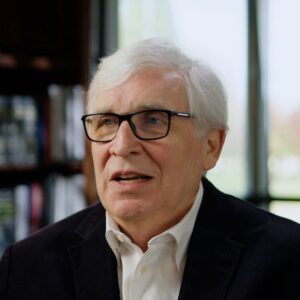 Michael Hackard is the founder of Hackard Law, a California trust and estate litigation firm with more than five decades of experience protecting the inheritance rights of families across Sacramento, the San Francisco Bay Area, and Los Angeles. He is the author of six published books on inheritance protection and has produced more than 1,000 educational videos with over seven million views.