


 (916) 313-3030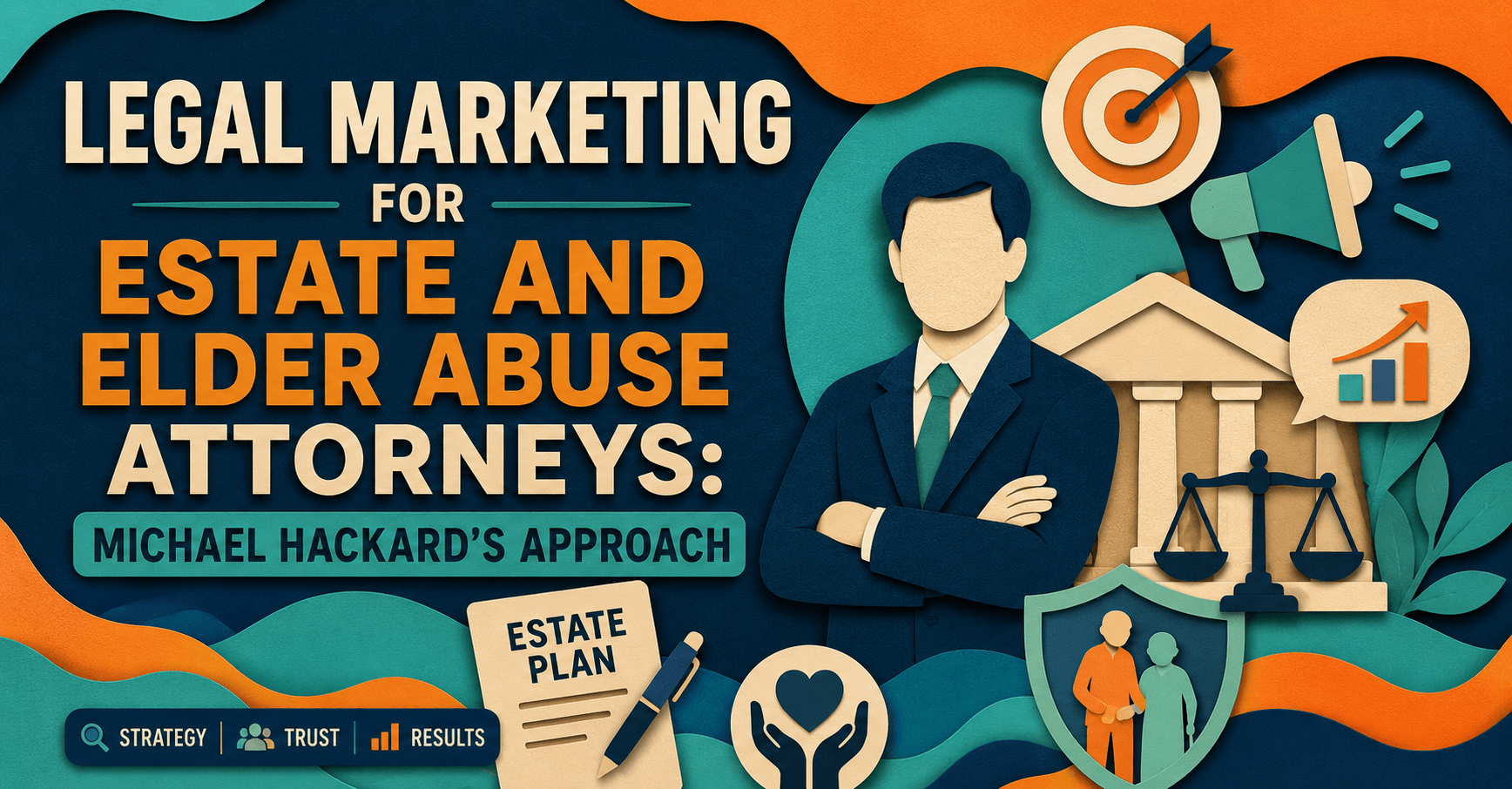
Legal Marketing for Estate and Elder Abuse Attorneys: Michael Hackard’s Approach

Why I Talk About Legal Marketing
I am Michael Hackard, founder of Hackard Law. Over nearly five decades of practice – I became a lawyer in December of 1976 – I have fought for heirs, beneficiaries, and elder abuse victims across California, from Sacramento to the San Francisco Bay Area and Los Angeles. Along the way, I have written four published books on inheritance protection, including The Wolf at the Door: Undue Influence and Elder Financial Abuse, and our firm has produced more than 1,000 educational videos that have now surpassed seven million views. People often ask me how we reach the families who need us most. The answer is legal marketing done with honesty, purpose, and a genuine commitment to public education. I find the subject genuinely interesting, and I think the principles behind it matter far beyond any single law firm.
Hackard Law provides contingency fee representation for qualified cases – no upfront costs to you. If you believe your family has been harmed by elder financial abuse, undue influence, or trust misconduct, call us at (916) 313-3030.
Quick Summary
Legal marketing for estate and elder abuse attorneys is most effective when it is grounded in truth, focused on education, and built around genuine service to potential clients.
- The U.S. Supreme Court’s 1977 decision in Bates v. State Bar of Arizona opened the door to attorney advertising.
- Sharing knowledge through blogs, videos, and books builds trust and helps families understand their options.
- Reputation, client reviews, and internet presence are all critical components of modern legal marketing.
- Listening to potential clients shapes the message and keeps it relevant.
- The goal is not to win every case – it is to serve clients with honesty and legal excellence.
A Brief History: From Prohibition to Bates
When I started practicing law in 1976, attorneys were generally prohibited from advertising in newspapers, magazines, radio, or television. The expectation was that a lawyer’s reputation grew through experience and community involvement – a system that naturally favored those who had been practicing for decades. That changed in June of 1977, when the U.S. Supreme Court issued its landmark ruling in Bates v. State Bar of Arizona, holding that attorney advertising was protected commercial speech.
I followed the effects of that decision from my very first year of practice. Over the decades since, the landscape has shifted dramatically. Today, legal marketing is not just permitted – it is essential for any firm that wants to reach the families who genuinely need help.
The Foundational Principle: It’s Not What You Say
The political consultant Frank Luntz put it plainly: it’s not what you say, it’s what people hear. That principle sits at the center of how I think about legal marketing. Getting a message across is harder than it sounds. What a lawyer intends to convey and what a potential client actually takes away can be two very different things.
I take several calls every week from potential clients who tell me, in their own words, what they understood from one of our blogs, videos, or from my book. That feedback is invaluable. It tells me whether the message is landing – and where it is falling short.
Any message must be truthful. Even a self-serving statement, if it is false or exaggerated, will be discarded quickly. The temptation in legal marketing is to imply that hiring a particular firm is a guaranteed path to success. It is not. Hackard Law does not win every case. What we do is work every day to maintain our commitment to legal excellence and ethics. Our actions, in the end, carry more weight than any marketing message.
Case Pattern: A family in Northern California contacted Hackard Law after reading a blog post about undue influence and last-minute estate changes. They had not known the legal term for what they suspected had happened to their elderly parent. The blog gave them a framework for understanding their situation and the confidence to call. Early intervention allowed the family to preserve key evidence before it was lost.
How Modern Legal Marketing Actually Works
Legal marketing today looks very different from even five years ago. Blogs remain important – they show the face and approach of the attorney while providing a platform for genuine knowledge sharing. But knowledge sharing also means listening. It is in listening that I learn what families are concerned about, what issues they face, and what kind of guidance they are looking for.
I think of potential clients as real people taking the same journey through life that I am – a life with joys and, at times, real trouble. I often tell people that I function more like an emergency room physician than a general practitioner. Families do not usually call because they want a routine checkup. They call because something has gone wrong and they need intervention, or at the very least, honest counsel delivered quickly.
For those dealing with elder financial exploitation, time is rarely on their side. Assets can be moved, documents can disappear, and the window for effective legal action can close faster than most families expect. Early legal intervention in estate transfers is often the difference between recovery and permanent loss.
Case Pattern: A beneficiary in Southern California reached out after watching one of our videos on trustee misconduct. She had been told by a sibling that nothing could be done about distributions that had been withheld for years. The video showed her that California law provides specific remedies for trustee delays. The family ultimately recovered a significant portion of what had been improperly held.
Video, Books, and the Internet
Studies consistently show that people looking for a lawyer turn to the internet first. That reality shapes everything we do. Our firm operates an in-house studio and produces video content regularly – we can have an idea in the morning and a finished video published by the afternoon. We do not limit ourselves strictly to legal topics. Community matters, issues we feel strongly about, and stories that affect real families all find their way into our content.
Reputation management matters just as much as content creation. Client reviews and professional recognition badges on our website are not the only factors a potential client should consider, but they do provide useful context about our background and approach.
In 2017, I published The Wolf at the Door: Undue Influence and Elder Financial Abuse. Writing the book was a learning experience, and it became a way to share both my background and our firm’s approach to undue influence in California estate law. The book ranks high on Amazon in its subject category. Over the past several years, we have given away more than 2,000 copies – because getting the information into the right hands matters more than selling books.
For families concerned about elder financial abuse in California, our videos and written resources are designed to explain complex legal concepts in plain language. The same is true for families navigating civil remedies including double damages and asset recovery – understanding what the law actually provides is the first step toward pursuing it.
Serving More People Than We Can Represent
For decades, I have stood with families at some of the hardest moments of their lives. The financial toll of elder financial abuse grows quickly, and the fracture it causes within families often runs too deep for any judgment to mend. That reality is why we take the cases we do – significant matters where we believe we can make a real difference and where there is a party who can be held financially accountable.
We receive far more inquiries than we can take as clients. When we cannot help directly, we do our best to direct callers to others who may be able to assist, including local bar associations. Discovery, forensic analysis, and the pursuit of justice – these are not just legal strategies, but safeguards for families threatened by undue influence and fraud.
Marketing, at its best, is an extension of that commitment. When it is grounded in truth and focused on education, it connects the families who need help with the attorneys who can provide it. A steadfast commitment to truth restores what dishonesty tried to steal – and that purpose is what makes legal marketing worth doing well.
Key Definitions
- Bates v. State Bar of Arizona: The 1977 U.S. Supreme Court decision that established attorney advertising as protected commercial speech, ending the general prohibition on lawyer marketing.
- Legal marketing: The strategies and communications a law firm uses to inform potential clients about its services, attorneys, and areas of practice.
- Undue influence: Improper pressure exerted on a person, often elderly, that overrides their free will in making estate planning decisions.
- Elder financial abuse: The illegal or improper use of an elder’s funds, property, or assets, often by a trusted person such as a caregiver or family member.
- Contingency fee representation: A fee arrangement in which the attorney is paid only if the case is successful, with no upfront costs to the client.
- Reputation management: The ongoing effort to monitor, maintain, and improve how a professional or firm is perceived online and in the community.
- Content marketing: The creation and distribution of educational material – blogs, videos, books – to inform potential clients and build credibility.
- Knowledge sharing: The practice of distributing useful legal information to the public, helping families understand their rights before they ever contact an attorney.
- Civil remedies: Legal tools available to victims of elder financial abuse, including the recovery of stolen assets, attorney fees, and in some cases double damages under California law.
What to Do Next
- Look for signs of undue influence or financial exploitation in your family’s estate planning documents, especially changes made late in life.
- Get copies of any trust, will, or power of attorney that you believe may have been improperly changed.
- Try to avoid delaying – California law has strict deadlines for contesting estate documents and pursuing elder abuse claims.
- Look for an attorney who offers contingency fee representation so that cost is not a barrier to getting help.
- Get familiar with the civil remedies available for elder financial abuse, including double damages and attorney fee recovery.
- Look into elder financial abuse protections available under California law and how they compare to other states.
- Try to document any suspicious financial transactions, property transfers, or changes in your loved one’s behavior or relationships.
- Look for a firm with a track record in both trust litigation and elder financial abuse, not just general estate planning.
- Call Hackard Law at (916) 313-3030 to discuss your situation with an attorney who handles these cases across California.
- You can also reach us through our contact page to schedule a free consultation.
CALL THE SAGE | When Experience Matters, Families Listen
🏛️ We practice California trust & estate & elder financial abuse litigation
⚖️ We represent heirs, beneficiaries, and elder abuse victims
🎥 1,000+ educational videos | 7 million+ views | 4 published books
🎯 “After thousands of cases, I see the pattern others miss.”
CONTINGENCY REPRESENTATION – No Win, No Fee
Throughout California: Sacramento | Los Angeles | Bay Area
📞 CALL THE SAGE: (916) 313-3030
Subscribe for weekly insights on:
- Elder financial abuse warning signs and prevention
- Trust and estate litigation strategies
- Inheritance protection for California families
- Family protection strategies
When your inheritance is under attack, Call The Sage.
Hackard Law | 10640 Mather Blvd, Mather CA 95655
Attorney Advertisement | Michael Hackard, State Bar #71067
RELATED VIDEOS
Estate, Trust & Elder Financial Abuse Litigators | The Fighting Spirit
Michael Hackard shares the drive and commitment behind fighting for abuse victims.
Elder Financial Abuse | A Revolution in Estate Litigation
How elder financial abuse cases have transformed California estate litigation over time.
Michael Hackard on MarketWatch | Elder Financial Abuse
Michael Hackard discusses elder financial abuse issues featured in MarketWatch coverage.
Spotting Elder Financial Abuse | Michael Hackard in Chicago Tribune
Hackard explains warning signs of elder financial abuse as featured in the Chicago Tribune.
Inheritance Heists Ch. 4: Helping Clients with Grief in Estate and Trust Disputes
How attorneys can support grieving clients navigating difficult estate and trust disputes.
When to Hire a Trust & Estate Litigator After Abuse or Disinheritance | ASAP
Guidance on the right time to bring in a litigator after suspected abuse or disinheritance.
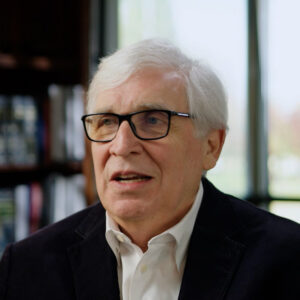 Michael Hackard is the founder of Hackard Law, a California trust and estate litigation firm with more than five decades of experience protecting the inheritance rights of families across Sacramento, the San Francisco Bay Area, and Los Angeles. He is the author of six published books on inheritance protection and has produced more than 1,000 educational videos with over seven million views.