Why Mediation Matters in Estate and Trust Disputes
I am Michael Hackard, founder of Hackard Law. Over five decades of practicing law, I have fought for heirs, beneficiaries, and elder abuse victims across California – from Los Angeles and the San Francisco Bay Area to Sacramento. I have authored four books on inheritance protection and produced more than 1,000 educational videos that have reached over seven million viewers. In that time, one truth has held constant: most civil cases never reach a courtroom. They resolve through Alternative Dispute Resolution, and understanding how that process works can mean the difference between a fair outcome and a missed opportunity.
Hackard Law provides contingency fee representation – no upfront costs for qualified estate, trust, and elder financial abuse cases. To speak with our team, call (916) 313-3030.
Quick Summary
Alternative Dispute Resolution (ADR) is a core feature of California civil litigation, and estate and trust cases are no exception. Knowing what to expect from mediation helps beneficiaries and heirs protect their interests.
Less than 3% of California civil lawsuits go to trial – the rest settle through ADR or negotiation.
ADR includes mediation, arbitration, court settlement conferences, and neutral case evaluation.
Leading mediation providers offer video conferencing options when in-person attendance is not possible.
Hackard Law regularly attends and participates in both voluntary and mandatory settlement conferences.
Families in Los Angeles, Santa Clara, Alameda, and Sacramento counties can rely on Hackard Law for representation through every stage of the process.
What Is Alternative Dispute Resolution?
Alternative Dispute Resolution – commonly called ADR – is an umbrella term for processes that resolve legal disputes outside of a courtroom trial. In California civil litigation, ADR is not optional in spirit; it is woven into the fabric of how cases move through the court system. Judges expect it. Attorneys plan for it. Clients benefit from it when handled well.
The most common ADR methods include mediation, arbitration, court-ordered settlement conferences, and neutral case evaluation. Of these, mediation is by far the most frequently used in estate and trust disputes. A neutral third party – the mediator – facilitates negotiation between the parties without imposing a decision. The goal is a voluntary resolution that both sides can accept.
For families navigating trust and estate battles in Los Angeles, mediation often provides a faster, more private path to resolution than a full trial. That privacy matters when family relationships and sensitive financial information are involved.
How Mediation Works in Estate Cases
The standard mediation format places each party in a separate room at the mediator’s office. The mediator moves between rooms, carrying offers and counteroffers, helping each side understand the other’s position. Some mediators begin with a joint session – gathering everyone in one room for opening statements before separating. Others skip the joint session entirely and go straight to shuttle diplomacy.
In estate and trust cases, the parties might include a trustee, one or more beneficiaries, an executor, or family members disputing the validity of a will or trust amendment. Tensions run high. A skilled mediator understands not just the legal issues but the emotional undercurrents that drive family conflict over inheritance.
Case Pattern: A family dispute over a trust amendment made in the final weeks of an elderly parent’s life reached mediation after months of litigation. The mediator’s ability to keep parties separated and focused on financial resolution – rather than decades of family grievance – allowed the case to settle without a trial. The outcome preserved a meaningful share of the estate for the children who had been quietly pushed aside.
Hackard Law litigates cases involving estate fraud in Los Angeles probate proceedings and regularly brings those cases to mediation fully prepared. Preparation is not just about knowing the law – it is about understanding the story the evidence tells and presenting it in a way that moves the other side toward a fair resolution.
Remote Mediation: A Practical Option for California Families
Leading ADR providers have invested heavily in video conferencing platforms that allow mediation to proceed when in-person attendance is not practical. Signature Resolution, a prominent Los Angeles-based dispute resolution provider, offers secure video conferencing through platforms like Zoom. JAMS, another major national provider, similarly makes remote technology available to participants.
For families spread across California – or for clients who cannot travel to a mediator’s office – remote mediation removes a significant barrier. The process works essentially the same way: parties join from separate virtual rooms, and the mediator facilitates the same back-and-forth negotiation. The result can be just as binding and just as meaningful.
For those with cases in the Bay Area, Alameda County estate litigationoften involves parties located in different cities. Remote mediation makes it easier for everyone to participate fully without the cost and disruption of travel.
Case Pattern: A beneficiary living out of state had been excluded from a trust distribution by a co-trustee acting without proper authority. Remote mediation allowed the out-of-state beneficiary to participate directly, present their position clearly, and reach a settlement that restored a fair share of the inheritance – without a single flight.
Mandatory vs. Voluntary Mediation in California
California courts have the authority to order parties in civil cases to participate in ADR before proceeding to trial. In many estate and trust cases, this takes the form of a mandatory settlement conference – a court-supervised session designed to narrow the issues and encourage resolution. Voluntary mediation, agreed to by the parties themselves, is also common and often happens earlier in the litigation timeline.
Both formats carry real strategic weight. Arriving at mediation unprepared – without a clear theory of the case, supporting documents, and a realistic view of the risks – is a mistake that can cost families dearly. Michael Hackard approaches every mediation the same way he approaches trial preparation: with full command of the facts, the law, and the human stakes involved.
Families dealing with trust disputes and beneficiary rightsdeserve representation that does not treat mediation as a formality. It is often the moment when the case is won or lost – not in a courtroom, but across a negotiating table.
Hackard Law’s Role in ADR Across California
I have stood with families across California for decades – in Los Angeles, in Santa Clara, in Alameda County, and throughout the state – as they fought to protect inheritances that should have been theirs. Mediation is not a detour from justice. Done right, it is a direct path to it.
Hackard Law litigates estate, trust, and elder financial abuse cases from filing through resolution – whether that resolution comes at a settlement conference, in mediation, or at trial. For clients in Southern California, our Los Angeles estate litigation practice is built for exactly these high-stakes disputes. For clients in Northern California, Santa Clara estate litigation and Bay Area cases are equally within our reach.
Discovery, forensic analysis, and the pursuit of a fair settlement – these are not just legal strategies, but safeguards for families threatened by undue influence, trustee misconduct, and inheritance theft. The financial toll of a disputed estate grows with every month of delay. The fracture in a family often runs too deep for any judgment to mend. A steadfast commitment to truth restores what dishonesty tried to steal – and mediation, handled with skill and preparation, is one of the most powerful tools available to make that happen.
Key Definitions
Alternative Dispute Resolution (ADR): A category of processes – including mediation, arbitration, and settlement conferences – used to resolve legal disputes without a full trial.
Mediation: A voluntary or court-ordered process in which a neutral third party helps disputing parties negotiate a resolution. The mediator does not impose a decision.
Arbitration: A more formal ADR process in which a neutral arbitrator hears evidence and issues a binding or non-binding decision.
Court Settlement Conference: A judge-supervised meeting designed to encourage settlement before trial. Often mandatory in California civil cases.
Neutral Case Evaluation: An ADR process in which a neutral evaluator assesses the strengths and weaknesses of each side’s case and offers a non-binding opinion.
Shuttle Mediation: A mediation format in which the mediator moves between separate rooms occupied by each party, carrying offers and information back and forth.
Mandatory ADR: Court-ordered participation in ADR before a case can proceed to trial.
Contingency Fee Representation: A fee arrangement in which the attorney is paid only if the case is resolved in the client’s favor – no upfront cost to the client.
Trust Beneficiary: A person named in a trust document who is entitled to receive distributions from the trust assets.
Elder Financial Abuse: The illegal or improper use of an elder’s funds, property, or assets, often by a person in a position of trust or authority.
What to Do Next
Look for signs that your estate or trust dispute may be heading toward mediation – early preparation matters.
Get copies of all trust documents, accountings, and correspondence before mediation begins.
Try to avoid entering mediation without an attorney who handles estate and trust litigation regularly.
Look for an ADR provider that offers remote options if travel is a barrier for any party.
Get a clear picture of the evidence supporting your position before any settlement conference.
Try to avoid settling for less than a fair share simply because mediation feels like the path of least resistance.
Look for patterns of trustee delay, unaccounted distributions, or suspicious amendments that may strengthen your position.
Call Hackard Law at (916) 313-3030 to discuss your case and whether contingency fee representation is available.
Visit our contact pageto schedule a free consultation with our team.
CALL THE SAGE | When Experience Matters, Families Listen
🏛️ We practice California trust & estate & elder financial abuse litigation
⚖️ We represent heirs, beneficiaries, and elder abuse victims
What steps to take when mediation breaks down and litigation becomes necessary.
Frequently Asked Questions
Most contested estate and trust cases – including disputes over trustee conduct, unequal distributions, will validity, and elder financial abuse – can go to mediation. California courts frequently order ADR before trial, and many parties choose voluntary mediation earlier in the process to reduce costs and reach faster resolutions.
No. Leading California ADR providers offer secure video conferencing options that allow full participation from any location. Remote mediation follows the same structure as in-person sessions and can produce equally binding results.
Hackard Law approaches mediation with the same preparation used for trial – reviewing all documents, analyzing the evidence, and developing a clear theory of the case. Arriving unprepared to mediation is a risk no beneficiary should take when significant assets are at stake.
If mediation does not produce a resolution, the case continues through litigation toward trial. Statements made during mediation are generally confidential and cannot be used as evidence in court, which protects both sides during the negotiation process.
Yes. Hackard Law represents heirs, beneficiaries, and elder abuse victims in Los Angeles and throughout California. The firm participates in both voluntary and mandatory settlement conferences and is experienced with the major ADR providers operating in Southern California.
About the Author
Michael Hackard is the founder of Hackard Law, a California trust and estate litigation firm with more than five decades of experience protecting the inheritance rights of families across Sacramento, the San Francisco Bay Area, and Los Angeles. He is the author of six published books and has produced more than 1,000 educational videos with over seven million views.


 (916) 313-3030
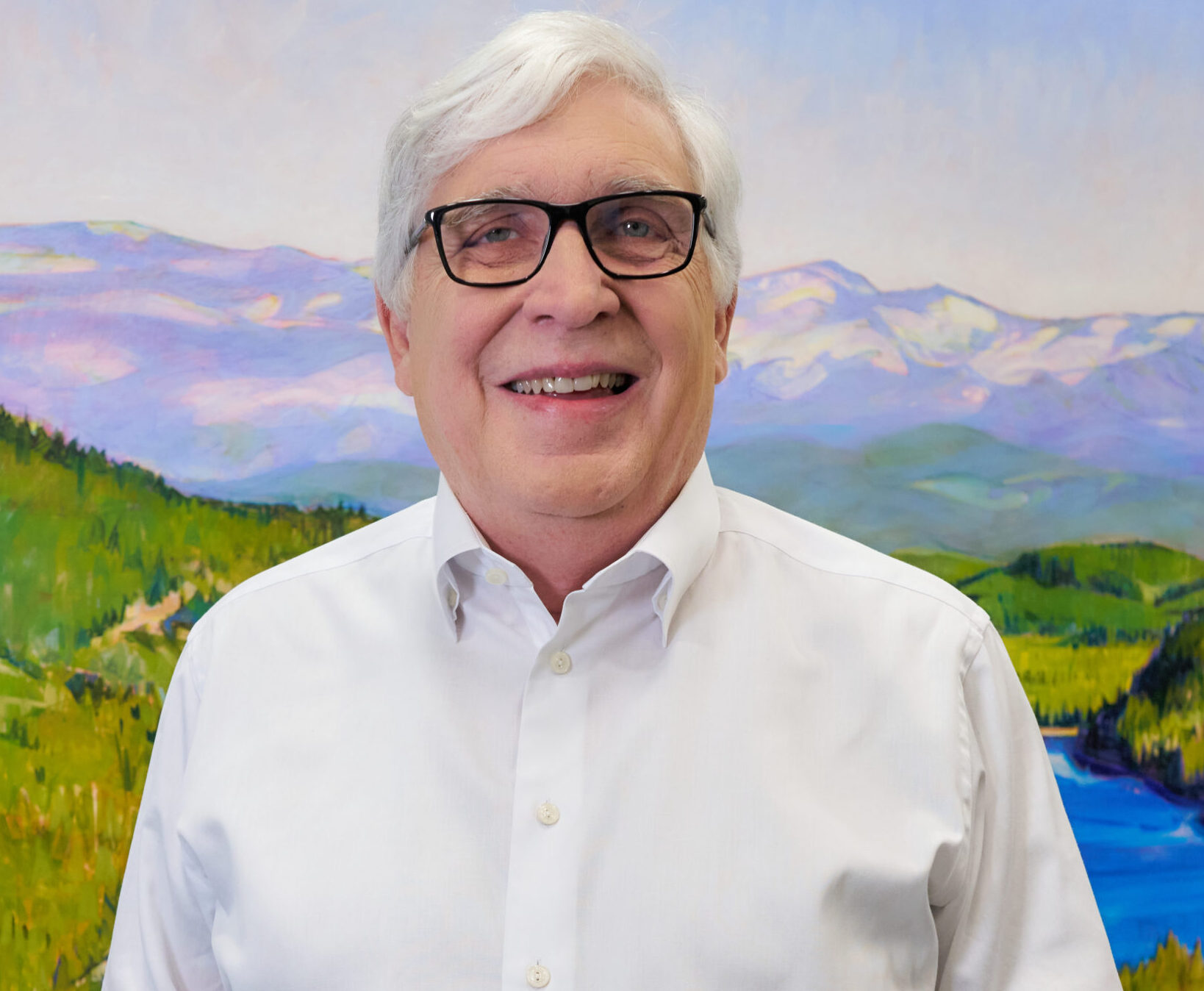
 Michael Hackard is the founder of Hackard Law, a California trust and estate litigation firm with more than five decades of experience protecting the inheritance rights of families across Sacramento, the San Francisco Bay Area, and Los Angeles. He is the author of six published books and has produced more than 1,000 educational videos with over seven million views.