


 (916) 313-3030
Northern California Abused Trust Beneficiary Litigation Lawyer | Hackard Law

When Trust Beneficiaries Are Harmed: What You Need to Know
I am Michael Hackard, founder of Hackard Law. Over five decades of practice, I have fought for estate heirs and trust beneficiaries whose rights have been violated by the very people entrusted to protect them. I have authored four published books on inheritance protection and produced more than 1,000 educational videos that have reached over seven million viewers. My firm serves families across Sacramento, the San Francisco Bay Area, and Los Angeles – communities where the stakes in estate and trust disputes are often extraordinarily high.
Too many heirs and beneficiaries suffer in silence, unsure whether what happened to them was wrong, unsure whether anyone will take their case seriously, and unsure whether they can even afford a lawyer. I started Hackard Law because I believe that access to strong legal representation should not depend solely on a beneficiary’s ability to pay upfront. The conduct of estate administrators, executors, and trustees can range from careless to deliberately harmful – and California law gives injured beneficiaries real tools to fight back.
Hackard Law provides contingency fee representation for qualified cases, meaning no upfront costs to you. If you believe your rights as a beneficiary have been violated, call us today at (916) 313-3030.
Quick Summary
Abused trust beneficiaries in Northern California have strong legal protections under California law, and Hackard Law litigates these cases on a contingency fee basis.
- Trustee misconduct can range from innocent neglect to deliberate financial exploitation
- California statutes provide meaningful remedies for harmed heirs and beneficiaries
- Hackard Law regularly litigates estate, trust, and elder financial abuse matters in Alameda County and across Northern California
- Contingency fee representation means qualified clients pay no attorney fees unless we recover for them
- Early legal intervention often makes the difference between recovery and permanent loss
The Spectrum of Trustee and Executor Misconduct
Not all trustees who injure others do so with the intention of doing so. Some administrators make expensive errors due to simple ignorance, such as improperly allocating property, failing to provide accountings, or mismanaging assets. Others act carelessly, shrugging off their fiduciary responsibilities without fully appreciating the harm they inflict. Others intentionally misuse their authority to misappropriate funds, delay payments, and enrich themselves at the expense of the beneficiaries they were designated to represent.
The law does not excuse any of these categories. Whether the harm was accidental or intentional, California’s Probate Code and the Elder Abuse and Dependent Adult Civil Protection Act impose duties on fiduciaries and provide remedies when those duties are breached. The financial toll grows with each passing month that misconduct goes unaddressed – and the fracture it causes within families often runs too deep for any judgment to fully mend.
Case Pattern: Delayed Distributions and Concealed Accountings
A beneficiary makes contact with Hackard Law, a sibling who took over after their parent passed away, after years of not receiving any trust distributions or accountings from the trustee. A pattern of unapproved transfers to the trustee’s personal accounts is discovered through forensic examination of trust records. The trustee is held financially liable for the breach of fiduciary duty after the matter goes to court.
California’s Protections for Estate Heirs and Trust Beneficiaries
California has one of the most robust systems in the country for safeguarding beneficiaries and heirs must provide regular accountings, act with complete loyalty to the beneficiaries, keep trust assets separate from their own, and make distributions in compliance with the terms of the trust. Executors managing estates through probate have similar responsibilities.
When fiduciaries fall short, beneficiaries have the right to petition the court for a trustee’s removal, demand a formal accounting, recover misappropriated assets, and in cases involving elder financial abuse, pursue double damages and attorney fee awards. Understanding these rights – and acting on them promptly – is critical. You can learn more about elder financial exploitation and the legal remedies available under California law.
Hackard Law focuses its efforts on cases where the legal violation is clear, the financial harm is meaningful, and the responsible party can be held accountable. That focus allows the firm to commit the depth of resources that serious trust and estate litigation demands.
Case Pattern: Elder Beneficiary Isolated from Family
After several changes during a period of cognitive decline, an adult child learns that a caregiver has been appointed successor trustee of their elderly parent’s trust. The amendments methodically divert the family’s assets. Hackard Law challenges the amendments and seeks to recover diverted assets under California’s elder financial abuse statutes and trust law.
Litigating in Alameda County and Across Northern California
Hackard Law regularly litigates estate, trust, and elder financial abuse matters in Alameda County. The firm’s Northern California practice extends across the region, including Sacramento County probate litigation and Alameda County estate litigation. Each county has its own probate court procedures, judicial culture, and local rules – and familiarity with those distinctions matters in complex, high-stakes disputes.
For beneficiaries dealing with contested trusts, a Sacramento contested will and trust lawyer can help evaluate whether the trust document itself was the product of undue influence or fraud, and whether the trustee’s administration has departed from its terms. These are not abstract legal questions – they determine whether a family recovers what a loved one intended to leave them.
Why Contingency Fee Representation Matters
Many beneficiaries who contact Hackard Law have already lost significant assets. The last thing they can afford is a large legal retainer. Contingency fee representation changes that dynamic entirely. When Hackard Law takes a case on contingency, the firm’s interests are fully aligned with the client’s – we are paid only when we recover.
This model is not available for every case. Hackard Law evaluates each matter carefully to determine whether the facts support a viable claim, whether the responsible party has assets to satisfy a judgment, and whether the expected recovery justifies the litigation investment. For cases that qualify, contingency representation opens the courthouse door to heirs and beneficiaries who would otherwise have no practical path to justice. You can read more about how this works in our contingency fee guide.
For decades, I have stood with families navigating the most painful intersection of grief and betrayal – losing a loved one and then discovering that someone exploited that loss. Discovery, forensic analysis, and the pursuit of justice are not just legal strategies; they are safeguards for families threatened by breach of trust and financial exploitation. A steadfast commitment to truth restores what dishonesty tried to steal.
Key Definitions
- Trustee: A person or institution appointed to manage trust assets and administer the trust according to its terms for the benefit of the beneficiaries.
- Executor: A person named in a will to administer a decedent’s estate through the probate process.
- Fiduciary duty: The legal obligation of a trustee or executor to act in the best interests of the beneficiaries, with loyalty, prudence, and impartiality.
- Breach of fiduciary duty: A violation of the duties owed by a fiduciary, which can give rise to civil liability for damages.
- Trust accounting: A formal financial report that a trustee must provide to beneficiaries, showing all trust income, expenses, and distributions.
- Elder financial abuse: The wrongful taking, concealment, or appropriation of an elder’s property or assets, which carries enhanced civil remedies under California law.
- Contingency fee: A fee arrangement where the attorney is paid a percentage of the recovery rather than an hourly rate, with no upfront cost to the client.
- Probate: The court-supervised process for administering a decedent’s estate, validating the will, and distributing assets to heirs.
- Undue influence: Excessive pressure exerted on a vulnerable person that overcomes their free will and causes them to make decisions they otherwise would not have made.
- Removal of trustee: A court order replacing a trustee who has breached their duties or is otherwise unfit to serve.
What to Do Next
- Look for signs of trustee misconduct early: missed distributions, no accountings, unexplained asset transfers, or refusal to communicate.
- Get copies of the trust document and any amendments as soon as possible – beneficiaries generally have a right to receive a copy.
- Try to avoid confronting the trustee directly before speaking with an attorney, as this can sometimes complicate the legal process.
- Look for financial records, bank statements, or correspondence that may document unauthorized transactions.
- Try to document the timeline of events, including when you first noticed problems and what responses (or non-responses) you received.
- Look into whether elder financial abuse statutes apply to your situation – they can significantly expand the remedies available to you.
- Get a legal evaluation before the statute of limitations runs – waiting too long can permanently bar a valid claim.
- Learn how to choose the right probate lawyer for your specific situation before making a decision.
- Call Hackard Law at (916) 313-3030 to discuss your rights and find out whether your case qualifies for contingency fee representation.
- Visit our contact page to reach us online and schedule a consultation.
CALL THE SAGE | When Experience Matters, Families Listen
🏛️ We practice California trust & estate & elder financial abuse litigation
⚖️ We represent heirs, beneficiaries, and elder abuse victims
🎥 1,000+ educational videos | 7 million+ views | 6 published books
🎯 “After thousands of cases, I see the pattern others miss.”
CONTINGENCY REPRESENTATION – No Win, No Fee
Throughout California: Sacramento | Los Angeles | Bay Area
📞 CALL THE SAGE: (916) 313-3030
Subscribe for weekly insights on:
- Elder financial abuse warning signs and prevention
- Trust and estate litigation strategies
- Inheritance protection for California families
- Family protection strategies
When your inheritance is under attack, Call The Sage.
Hackard Law | 10640 Mather Blvd, Mather CA 95655
Attorney Advertisement | Michael Hackard, State Bar #71067
RELATED VIDEOS
Who Litigates Northern California Trust Beneficiary Disputes?
Explains who handles trust beneficiary disputes across Northern California.
Are You a Trust Beneficiary? Know Your Rights
Walks beneficiaries through their legal rights when a trustee causes harm.
Million-Dollar Questions | Abused Trust and Estate Beneficiaries
Addresses the key questions abused trust and estate beneficiaries need answered.
Who Takes the Lead in Abused Trust Beneficiary Disputes?
Covers who steps up to represent beneficiaries when trustees act wrongfully.
What Are Common Acts of Fraud in Trust or Probate? | California Estate Litigation Attorney
Describes the most frequent fraudulent acts seen in California trust and probate cases.
Beneficiary Rights Law Firm | CA Trust Litigation
Outlines how a California law firm fights to protect trust beneficiary rights.
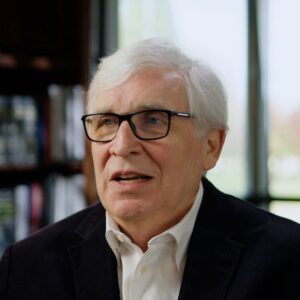 Michael Hackard is the founder of Hackard Law, a California trust and estate litigation firm with more than five decades of experience protecting the inheritance rights of families across Sacramento, the San Francisco Bay Area, and Los Angeles. He is the author of six published books on inheritance protection and has produced more than 1,000 educational videos with over seven million views.