


 (916) 313-3030
Phantom Wills, Dementia Transfers, and Inheritance Theft: How California Heirs Can Fight Back
When Inheritance Goes Wrong
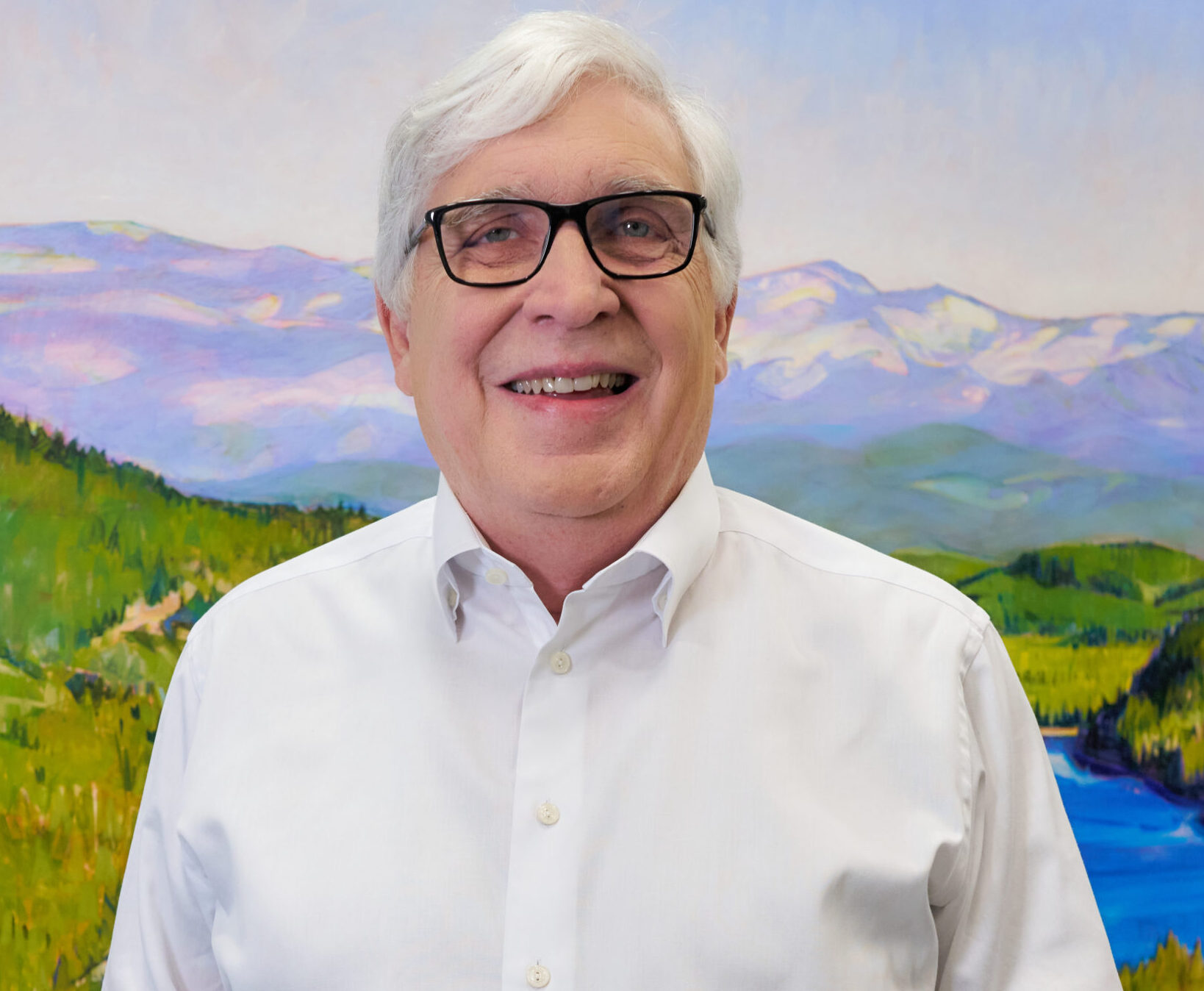
I’m Michael Hackard, founder of Hackard Law. Over five decades of practice, I have stood with heirs, beneficiaries, and elder abuse victims across California – from Sacramento to the San Francisco Bay Area and down to Los Angeles – fighting the kinds of estate and trust abuses that most families never see coming until it is too late. I have written four published books on inheritance protection and produced more than 1,000 educational videos that have reached over seven million viewers. That body of work reflects one consistent truth: the same harmful patterns appear again and again in California families, and knowing how to recognize and confront them makes all the difference.
Two of the most damaging patterns I encounter are phantom wills and dementia-induced property transfers. A phantom will is a document that surfaces under suspicious circumstances – often after a vulnerable elder’s death – bearing signatures or terms that don’t reflect the person’s true wishes. A dementia-induced transfer happens when someone exploits a loved one’s cognitive decline to redirect property, bank accounts, or trust assets before the elder can be protected. Both are forms of inheritance theft, and both demand an aggressive legal response.
Hackard Law provides contingency fee representation for qualified cases – no upfront costs, no hourly billing. If you believe your family has been harmed by estate fraud or an improper transfer, call us at (916) 313-3030.
Quick Summary
Phantom wills and dementia-driven transfers are among the most common – and most damaging – threats to California heirs. Hackard Law litigates these cases statewide on a contingency fee basis, meaning heirs pay nothing unless we recover.
- Phantom wills are suspicious documents that appear after an elder’s death, often contradicting prior estate plans.
- Dementia-induced transfers exploit cognitive decline to redirect property away from rightful heirs.
- California law provides civil remedies, including potential double damages, in elder financial abuse cases.
- Early legal intervention is critical – delay can allow assets to be dissipated or title to be transferred further.
- Heirs and beneficiaries across California have the right to challenge these transfers in court.
What Is a Phantom Will?
A phantom will is not simply a will someone dislikes. It is a document that appears under circumstances that raise serious questions about authenticity, capacity, or undue influence. The elder may have lacked the mental capacity to execute the document. A caregiver or family member may have guided the elder’s hand – or forged the signature entirely. The will may contradict years of prior estate planning with no credible explanation.
Will disputes are taken seriously by California courts, but the burden of proof is important. Usually, challengers must demonstrate fraud, forgery, undue influence, or lack of testamentary capacity. Financial records, witness statements, and medical records all become crucial pieces of evidence. Although the litigation is difficult, it is frequently the only way to achieve justice when a phantom will has taken an entire estate away from the legitimate heirs.
For heirs navigating these disputes across the state, resources on Sacramento County probate litigation and Santa Clara estate litigation illustrate how these battles play out in different California jurisdictions.
Case Pattern: Just weeks before their parent passes away, a surviving sibling finds a new will that leaves everything to a neighbor who recently moved in as a caregiver. Eight months ago, the parent was diagnosed with moderate dementia, according to medical records. The will was eventually set aside and the estate returned to the family as a result of litigation centered on capacity and undue influence.
Dementia-Induced Property Transfers: A Growing Threat
Property transfers made during cognitive decline are a serious and growing problem in California. An elder with early-stage dementia may still appear functional in brief social encounters while lacking the legal capacity to execute a deed, change a beneficiary designation, or amend a trust. Those who exploit this gap know exactly what they are doing.
Quitclaim deeds, trust amendments, joint tenancy additions, and adjustments to payable-on-death accounts are frequently used vehicles for these transfers. In each instance, assets meant for the elder’s family are taken over by the manipulator. Strong tools are available to contest these transfers under California’s elder financial abuse statutes, such as the potential to obtain double damages and legal fees in situations where a dependent adult has been financially abused.
Hackard Law litigates these cases throughout California, including in Los Angeles, Alameda County, and Oakland. The legal standards vary somewhat by asset type, but the core question is the same: did the elder have the capacity and the free will to make this transfer?
Case Pattern: An adult daughter learns that her mother’s home – the family’s primary asset – had been transferred by quitclaim deed to a distant relative who began visiting frequently after the mother’s Alzheimer’s diagnosis. Bank records showed the relative had also become a signatory on the mother’s accounts. Litigation combining a real estate challenge with elder financial abuse claims led to the deed being voided and the property returned to the estate.
Why History Repeats in Estate Litigation
After five decades of practice, I can say with confidence that the fact patterns in these cases are remarkably consistent. A vulnerable elder. An isolation period where outside family contact is reduced. A new document or transfer that benefits the person doing the isolating. And a family left scrambling after the elder’s death – or sometimes before – trying to understand what happened and what can be done.
This recurrence is not accidental. It displays a predictable exploitation of human weakness. Opportunities arise from cognitive decline. The checks that would otherwise detect the manipulation are eliminated by isolation. Additionally, when the proper supervision is lacking, it is simple to abuse legal documents like wills, trusts, deeds, and account designations.
Understanding what California beneficiaries can do when a trustee delays distributions without cause is one piece of a larger picture. Heirs need to understand their rights at every stage – not just after a death, but during the period when manipulation is most likely occurring.
The Role of Contingency Fee Representation
The expense of litigation is one of the biggest obstacles heirs must overcome. Conflicts involving trusts and estates can be costly. A family’s resources may be depleted by hourly legal fees before a case is ever resolved. Hackard Law’s contingency fee model is important for this exact reason.
On a contingency basis, heirs pay nothing upfront. Hackard Law absorbs the litigation costs and is only compensated when the case produces a recovery. This aligns the firm’s interests directly with the client’s outcome. It also means that families who have already suffered financial harm from estate fraud are not forced to spend more money just to pursue justice. You can learn more about how this works in our contingency fee guide for California estate and trust litigation and our overview of trust contingency fee representation.
I have spent many years helping families who felt overwhelmed by more formidable opponents, complex legal matters, and the psychological toll of fighting for a loved one’s legacy. Forensic analysis, discovery, and the pursuit of justice are more than just legal strategies. Families that are at risk from fraud and undue influence are protected by them. An unwavering commitment to the truth restores what dishonesty attempted to steal.
Key Definitions
- Phantom will: A will that surfaces under suspicious circumstances, often after an elder’s death, raising questions about authenticity, capacity, or undue influence.
- Testamentary capacity: The legal standard requiring that a person understand the nature of making a will, the extent of their property, and who their natural heirs are at the time of signing.
- Dementia-induced transfer: A property or account transfer made by an elder whose cognitive impairment prevented them from fully understanding or freely consenting to the transaction.
- Undue influence: Pressure or manipulation that overrides an elder’s free will, causing them to make estate decisions they would not otherwise have made.
- Quitclaim deed: A document that transfers whatever ownership interest a person has in real property, often used in elder exploitation because it requires no title search or guarantee.
- Elder financial abuse: Under California law, the financial exploitation of a person aged 65 or older, which can trigger enhanced civil remedies including double damages and attorney fees.
- Will contest: A legal proceeding challenging the validity of a will based on lack of capacity, undue influence, fraud, or forgery.
- Contingency fee: A fee arrangement in which the attorney is paid only if the case results in a recovery, with no upfront cost to the client.
- Trust amendment: A change to an existing trust document, which can be challenged if the settlor lacked capacity or was unduly influenced at the time of signing.
- Beneficiary designation: A named recipient on accounts or insurance policies who receives assets outside of probate, and who can be improperly changed through manipulation.
What to Do Next
- Keep an eye out for any abrupt changes to an elder’s estate documents, particularly if a new caregiver or companion joins the family.
- Obtain copies of any deeds, wills, trust documents, or account records that might show questionable transfers.
- Try to gather medical records that document the elder’s cognitive condition around the time of the disputed transfer or document signing.
- Look for patterns of isolation – was the elder cut off from family or longtime friends before the transfer occurred?
- To avoid complicating litigation, try to avoid confronting the suspected party directly before consulting with an attorney.
- Keep a record of everything, including dates, conversations, behavioral shifts, and any financial irregularities you notice.
- Understand that California law provides strong protections for heirs, beneficiaries, and elder abuse victims – but acting promptly matters because statutes of limitations apply.
- Learn more about how to choose the right probate lawyer for your specific situation before committing to representation.
- Review Michael Hackard’s background to understand the depth of experience behind Hackard Law’s approach to these cases.
- Call Hackard Law at (916) 313-3030 to discuss your case at no cost, or reach out through our contact page to get started.
CALL THE SAGE | When Experience Matters, Families Listen
🏛️ We practice California trust & estate & elder financial abuse litigation
⚖️ We represent heirs, beneficiaries, and elder abuse victims
🎥 1,000+ educational videos | 7 million+ views | 4 published books
🎯 “After thousands of cases, I see the pattern others miss.”
CONTINGENCY REPRESENTATION – No Win, No Fee
Throughout California: Sacramento | Los Angeles | Bay Area
📞 CALL THE SAGE: (916) 313-3030
Subscribe for weekly insights on:
- Elder financial abuse warning signs and prevention
- Trust and estate litigation strategies
- Inheritance protection for California families
- Family protection strategies
When your inheritance is under attack, Call The Sage.
Hackard Law | 10640 Mather Blvd, Mather CA 95655
Attorney Advertisement | Michael Hackard, State Bar #71067
RELATED VIDEOS
Dead Men’s Wills Tell No Tales—Unless There’s More to the Story
Explores suspicious circumstances surrounding wills and what heirs can do about them.
Do I Really Need a Lawyer to Challenge a Will? | Hackard Law Estate Litigation FAQ
Explains when and why hiring an attorney is essential in a will contest.
Cut Out of the Inheritance? | Hackard Law Estate Litigation FAQ
Addresses what heirs can do when unexpectedly left out of an estate.
How Do I Know If I Need an Estate Litigation Lawyer? | Hackard Law Estate Litigation FAQ
Helps families recognize the warning signs that call for professional legal intervention.
Securing Your Inheritance: High-Stakes Estate and Trust Litigators | Hackard Law
Outlines how experienced litigators fight to recover assets for wronged heirs and beneficiaries.
Safe Deposit Boxes in Estate Disputes | Trust Litigation Attorney
Covers how safe deposit box contents can become a flashpoint in estate conflicts.
 Michael Hackard is the founder of Hackard Law, a California trust and estate litigation firm with more than five decades of experience protecting the inheritance rights of families across Sacramento, the San Francisco Bay Area, and Los Angeles. He is the author of six published books on inheritance protection and has produced more than 1,000 educational videos with over seven million views.