(916) 313-3030
The Real Cost of Estate Planning in California: What Families Pay When They Skip It

Why the Wrong Question Costs Families Everything
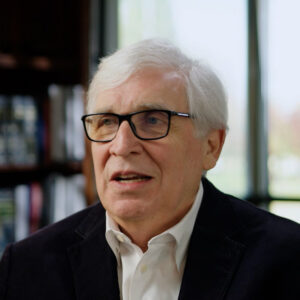
I’m Michael Hackard, founder of Hackard Law. Over nearly five decades of trust and estate litigation, I have watched families pay a steep price – not for hiring an estate planning attorney, but for not hiring one. I have written four books on inheritance protection and produced more than 1,000 educational videos that have reached over seven million viewers. What I share in those videos, and what I share here, comes from real courtroom experience across California – from Sacramento and the San Francisco Bay Area to Los Angeles.
The first question most people ask about estate planning is simple: how much will this cost? It is a fair question. But after everything I have seen in litigation, I believe the more important question is this: what does it cost your family if you do not plan – or if you plan poorly?
Hackard Law provides contingency fee representation for qualified trust and estate litigation cases, meaning there are no upfront costs to pursue your claim. To speak with our team, call (916) 313-3030.
Quick Summary
Estate planning in California is far less expensive than the probate and litigation costs that follow a failed or missing plan. Understanding the true numbers helps families make informed decisions before a crisis strikes.
- A basic will and powers of attorney typically cost a few hundred to a couple of thousand dollars.
- A comprehensive trust package generally ranges from $2,000 to $5,000.
- A $1 million California probate can generate statutory fees exceeding $40,000.
- Poorly drafted or unfunded plans routinely produce years of litigation and fractured families.
- Estate planning is an ongoing relationship. It’s not a one-time transaction.
What Estate Planning Actually Costs
Let me put the numbers on the table plainly. A basic will, combined with powers of attorney, may run from a few hundred dollars to around two thousand. A comprehensive trust package – the kind that actually keeps your estate out of probate – typically ranges from $2,000 to $5,000. More complex situations involving business interests, tax planning, or special needs beneficiaries can cost more. These are real numbers, but they need context.
Probate can be completely avoided with a well-crafted and funded trust. In California, probate is not a minor inconvenience. A $1 million estate moving through probate can generate statutory fees exceeding $40,000 – fees paid directly from the estate before your family sees a dollar. Add attorney fees for contested matters, and the financial toll grows far beyond what thoughtful planning would have cost.
When you hire an estate planning attorney, you are not paying for paper. You are paying for someone who understands a complex and evolving area of law, who tailors a plan to your specific family and assets, and who uses precise language that holds up when it is challenged. That last point matters more than most people realize. Ambiguous documents do not just create confusion – they create lawsuits. Our page on how poor drafting by an estate planning lawyer leads to courtroom battles walks through exactly how this happens.
The Hidden Costs of DIY and Discount Planning
Online legal kits and fill-in-the-blank forms make estate planning look simple. It is not. I have spent decades in courtrooms cleaning up the wreckage of do-it-yourself documents and cut-rate plans. The patterns are consistent and painful.
I have seen trusts that were never funded – the documents existed, but no assets were transferred into the trust, so the entire plan was hollow. I have seen multiple conflicting wills, some written on scratch paper, leaving courts to guess at what the person actually intended. I have seen siblings who had been close for sixty years stop speaking because a document was unclear about who was supposed to receive what.
These are not rare stories. They are common. And the cost is not only financial. The fracture often runs too deep for any judgment to mend.
Case Pattern: A family in Northern California relied on a trust document prepared through an online service. When the parent died, the successor trustee discovered that the family home – the estate’s primary asset – had never been transferred into the trust. The property went through probate, costing the family more than $30,000 in fees and over a year of delays. The siblings disagreed about how to handle the process, and the relationship did not recover.
What a Good Plan Actually Protects
Estate planning is not just about distributing all assets. It is about protecting the people you love from outcomes you would never choose for them.
A well-structured plan protects vulnerable beneficiaries – a child with special needs who could lose government benefits without a properly drafted special needs trust, an heir managing addiction challenges, a spouse with health issues who needs long-term financial security. It shields assets from creditors, integrates tax planning, and synchronizes beneficiary designations across life insurance, retirement accounts, and other assets. Misaligned beneficiary designations are one of the most common causes of unintended disinheritance, and they are entirely preventable. You can learn more about contesting a life insurance beneficiary designation when those errors go uncorrected.
During incapacity – a stroke, a dementia diagnosis, a sudden illness – the right documents prevent your family from being forced into a court-supervised conservatorship. That process is expensive, time-consuming, and emotionally exhausting. A durable power of attorney and an advance health care directive, properly prepared, can spare your family that ordeal entirely.
Case Pattern: A Southern California family faced a conservatorship proceeding after their elderly parent suffered a stroke without any advance planning documents in place. The court process took eight months and cost the family tens of thousands of dollars in legal fees – all of which could have been avoided with documents that would have cost a fraction of that amount to prepare.
Estate Planning as an Ongoing Relationship
One of the most important things I tell people is that estate planning is not a transaction you complete and forget. It is a relationship that should evolve as your life does. Marriage, divorce, birth of a baby or grandchild, the death of a named trustee or beneficiary, business growth, changes in tax law – each of these events can affect whether your plan still works the way you intended.
Good estate planning communication between attorney and client is what keeps a plan current and effective. A document drafted fifteen years ago may be technically valid but functionally outdated. Courts interpret documents as written, not as intended. An attorney who knows your situation can flag problems before they become disputes.
For families navigating the digital age, there is also the growing question of what happens to online accounts, digital assets, and cryptocurrency. A complete plan addresses these assets alongside traditional property. Our digital inheritance guide covers what California families need to know.
When Planning Fails: The Litigation Reality
For decades, I have stood with families on both sides of estate disputes – those who had solid plans and those who did not. The difference in outcome is striking. A family with a well-structured trust often settles an estate in weeks. They reach an agreement privately, without court filings, without the cost of litigation, and without the emotional damage that contested proceedings leave behind.
Families without a plan, or with a flawed one, face a different reality. Probate drags on. Disputes arise over ambiguous language. Heirs, beneficiaries, and elder abuse victims find themselves in courtrooms spending money that was supposed to go to them. Discovery, forensic analysis, and the pursuit of justice – these are not just legal strategies, but safeguards for families threatened by undue influence and fraud that a proper plan might have prevented entirely.
A steadfast commitment to thoughtful planning restores what carelessness tried to steal. If you are already in a dispute, our contingency fee guide explains how Hackard Law approaches representation for heirs and beneficiaries across California, including Santa Clara estate litigation and estate fraud matters in Los Angeles.
Key Definitions
- Probate: The court-supervised process of validating a will and then distributing a deceased person’s estate, often lasting a year or more in California.
- Statutory fees: Fees set by California law that executors and attorneys may collect from a probate estate, calculated as a percentage of the gross estate value.
- Revocable living trust: A legal arrangement that holds assets during the grantor’s lifetime and transfers them to beneficiaries at death without probate.
- Trust funding: The process of transferring assets into a trust so the trust actually controls those assets – an unfunded trust provides no protection.
- Power of attorney: A legal document authorizing another person to manage financial affairs if the principal becomes incapacitated.
- Advance health care directive: A document stating a person’s medical wishes and naming someone to make health care decisions during incapacity.
- Conservatorship: A court-supervised arrangement where a judge appoints someone to manage the affairs of an incapacitated person – avoided by proper advance planning.
- Special needs trust: A trust designed to benefit a person with disabilities without disqualifying them from government benefit programs.
- Beneficiary designation: A form attached to a financial account or insurance policy naming who receives the asset at death, which overrides a will or trust if not coordinated.
- Intestate succession: The California law that determines how assets are distributed when someone dies without a valid will or trust.
What to Do Next
- Look for an estate planning attorney with litigation experience – someone who has seen what happens when plans fail.
- Get copies of any existing wills, trusts, or powers of attorney to review whether they are current and properly executed.
- Verify that the beneficiary designations on all financial accounts, retirement accounts, and life insurance policies match your plan.
- Try to avoid relying on online forms or kits for anything more than basic research – they cannot account for your specific circumstances.
- If you have a trust, verify that your assets have actually been transferred into it – funding the trust is as important as creating it.
- Consult your attorney following major life events such as marriage, divorce, births, deaths, or significant asset changes.
- Look into whether your plan addresses digital assets, online accounts, and any cryptocurrency you hold.
- If a loved one has already died and you suspect the plan was flawed, exploited, or manipulated, get legal advice promptly – deadlines apply.
- Call Hackard Law at (916) 313-3030 to discuss your situation with our team.
- You can also reach us through our contact page to request a consultation.
CALL THE SAGE | When Experience Matters, Families Listen
🏛️ We practice California trust & estate & elder financial abuse litigation
⚖️ We represent heirs, beneficiaries, and elder abuse victims
🎥 1,000+ educational videos | 7 million+ views | 4 published books
🎯 “After thousands of cases, I see the pattern others miss.”
CONTINGENCY REPRESENTATION – No Win, No Fee
Throughout California: Sacramento | Los Angeles | Bay Area
📞 CALL THE SAGE: (916) 313-3030
Subscribe for weekly insights on:
- Elder financial abuse warning signs and prevention
- Trust and estate litigation strategies
- Inheritance protection for California families
- Family protection strategies
When your inheritance is under attack, Call The Sage.
Hackard Law | 10640 Mather Blvd, Mather CA 95655
Attorney Advertisement | Michael Hackard, State Bar #71067
RELATED VIDEOS
Why Every Family Business Needs a Succession Plan
Explains why businesses without succession plans risk serious financial and family consequences.
Five Wealth Transfer Ideas for Baby Boomers
Covers practical strategies Baby Boomers can use to pass wealth to the next generation.
Trustee Duties and Accountability in Multi-Generational Trust Planning | Hackard Law
Walks through what trustees owe beneficiaries across long-term, multi-generational trust arrangements.
How to Choose the Right Power of Attorney Lawyer
Guides viewers on selecting an attorney to handle power of attorney documents properly.
Community vs. Separate Property in California Trusts: What Families Need to Know
Breaks down how California property classification affects trust planning for married couples.
Safeguarding the Family Legacy: Sandra’s Story | Hackard Law
Tells one family’s real story of protecting an inheritance through trust and estate litigation.