


 (916) 313-3030
Real Estate Litigation Cases and the Lessons Every California Family Needs to Know
When Families Go to Court Over Estates
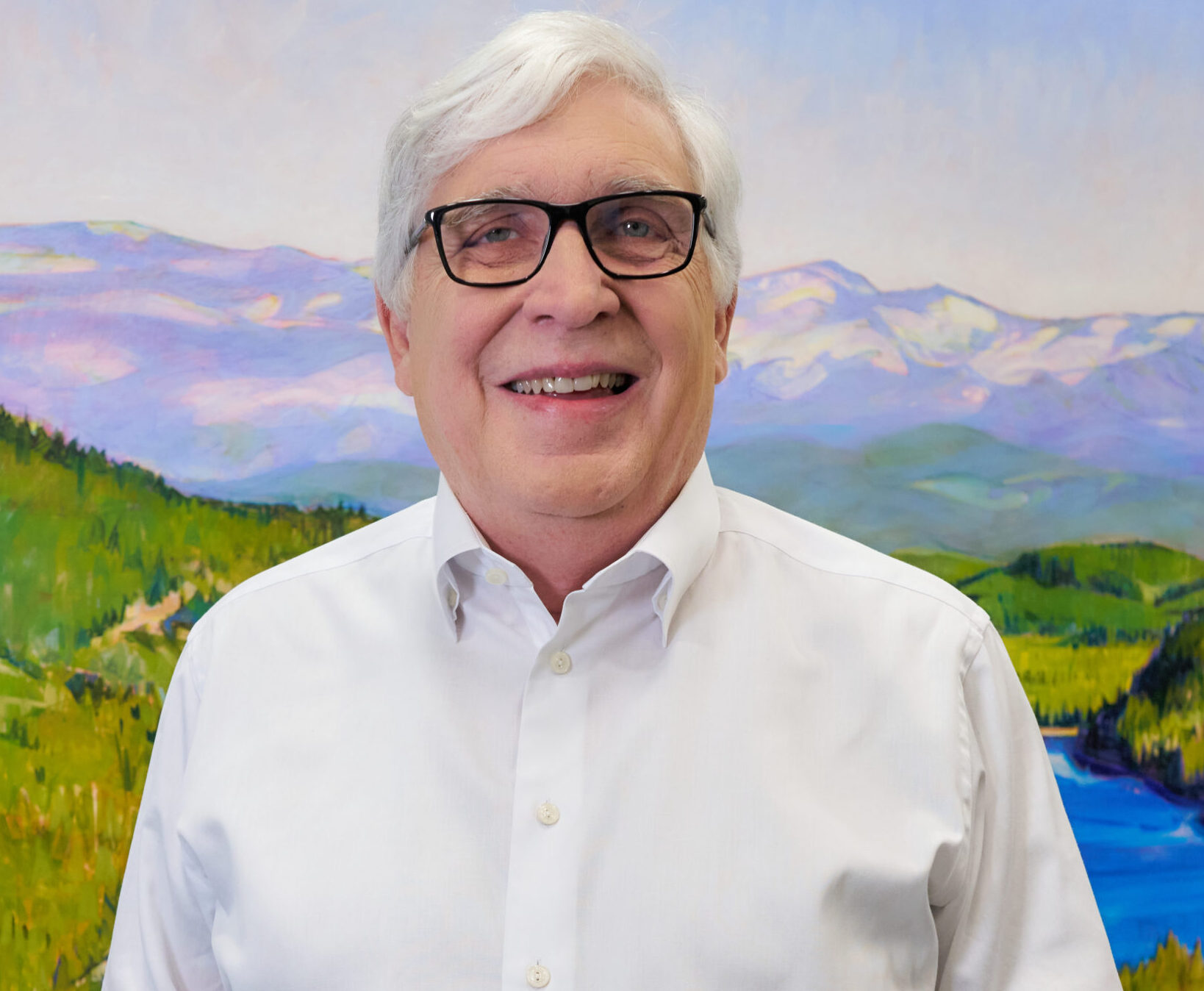
I am Michael Hackard, founder of Hackard Law. Over five decades of practice, I have stood in courtrooms across California – from Sacramento and the San Francisco Bay Area to Los Angeles – fighting for heirs, beneficiaries, and elder abuse victims whose inheritances were threatened by confusion, conflict, and planning failures. I have written four books on inheritance protection and produced more than 1,000 educational videos that have reached over seven million viewers. What I have learned is this: estate litigation does not just happen to celebrities or the ultra-wealthy. It happens to ordinary families who loved each other and simply did not see the gaps in their planning until it was far too late.
The cases I am sharing today are drawn from real, publicly reported disputes. Each has its own lesson. With clearer documents, better communication, and more prudent choices about whom to trust, each one could have ended differently.
Hackard Law provides contingency fee representation for qualified estate and trust litigation cases – meaning no upfront costs to you. To find out whether your situation qualifies, call us at (916) 313-3030.
Quick Summary
Real estate litigation cases – from Aretha Franklin’s handwritten wills to a California stepson inheritance battle – reveal the most common and costly planning failures families make.
- Informal or handwritten wills can cause legal turmoil that takes years to settle.
- Blended families and non-family caregivers need clear, documented planning.
- Without routine updates and clear communication, even intricate estate plans fall apart.
- One of the most avoidable sources of conflict is selecting the incorrect executor or trustee.
- No-contest clauses and mediation requirements are legal tools that can discourage needless lawsuits.
Aretha Franklin: When Three Wills Mean No Clear Answer
When Aretha Franklin passed in 2018, her family uncovered not one but three handwritten wills – including one found placed beneath the cushions of her couch. What followed was five years of legal wrangling and a full jury trial before the matter was resolved. The Queen of Soul deserved better. So did her family.
Handwritten wills, known in California as holographic wills, are legally recognized under certain conditions – but they invite ambiguity. Crossed-out language, undated provisions, and conflicting drafts give courts very little to work with. When the documents themselves are in dispute, the family pays the price in time, money, and fractured relationships.
The lesson here is simple: a clear, attorney-drafted estate plan, reviewed and updated after every major life change, is the foundation of any sound inheritance strategy. Poor drafting – or no drafting at all – is one of the most reliable predictors of courtroom conflict. You can read more about how poor drafting by an estate planning lawyer leads to courtroom battles and why it happens more often than families expect.
Richard Simmons and the Jewelry Dispute: Gifts Without Documentation
After Richard Simmons passed, a dispute arose between his brother – who served as trustee – and his longtime housekeeper over approximately $1 million in jewelry. The housekeeper claimed he had given her the pieces as gifts during his lifetime. The trustee disagreed and demanded their return as trust assets.
This pattern surfaces in estates of all sizes. When a person gives valuable property to a caregiver, friend, or companion during their lifetime but leaves no written record, conflict almost always follows. The trustee has a fiduciary duty to protect trust assets. The recipient has no documentation to prove a gift was ever made. Both sides may be acting in complete good faith – and still end up in litigation.
Case Pattern: California family learns their parent’s caregiver received tens of thousands of dollars in jewelry and personal property in the months before death. No letters of gift. The trustee wants the assets returned. Then comes litigation. The estate spends more on legal fees than the items in question are worth.
Put it in writing if you plan to give someone a priceless item while you are still living. Years of disagreement can be avoided with a straightforward gift letter that is signed and dated. Make it clear in the trust document itself if you wish to include a caregiver in your estate plan. The enemy of peace is ambiguity.
For California beneficiaries dealing with these situations, understanding your rights from the start matters. Five things California trust beneficiaries must know is a resource worth reading before any dispute escalates.
The Martino Case: Blended Families and the Gap Between Love and Law
Nick Martino passed away in California without a will. A court ultimately ruled that his stepson – a young man he had raised as his own but never formally adopted – could inherit his estate. The ruling turned on the depth and nature of their relationship, not on a legal document.
This outcome was unusual. In most cases, a stepchild who was never legally adopted has no automatic inheritance rights under California intestate succession law. The Martino case was decided on its specific facts, and families should not count on a court reaching the same result.
Blended families represent one of the most common sources of estate litigation in California. Emotional bonds do not always correspond to legal definitions. If you want someone included in your estate – a stepchild, a longtime partner, a close friend – say so clearly in your estate plan. If you want someone excluded, say that too. Leaving it to a judge’s interpretation is a gamble no family should take.
For families in Sacramento dealing with inheritance conflicts involving blended family dynamics, Sacramento County probate litigation resources can help clarify what courts actually consider.
Peter Seidler and the Business Succession Problem
When he passed away, San Diego Padres chairman Peter Seidler had a thorough estate plan in place. Conflict over team leadership persisted, though. His spouse pointed to a handwritten document naming her and their children as heirs. According to his siblings, the legal documents told a different story.
When important stakeholders are excluded from the discussion or estate plans aren’t updated to reflect current intentions, even carefully crafted plans can fall apart. Business succession planning is especially susceptible to this. Relationships are complex, documents must be airtight, and the stakes are high.
Case Pattern: A Californian business owner drafts a comprehensive succession plan and trust, but then informally promises family members things that are never included in the formal paperwork. Two factions within the family each feel they have a right to run the company after death. The company’s resources are depleted by litigation, which also causes years of operational instability.
Business succession plans require more than good intentions. They require legal consistency, clear documentation, and – critically – open dialogue with the people who will be affected. Reviewing the most common probate, trust, and estate battles can help families understand where these plans most often break down.
Five Steps That Can Prevent Estate Litigation
For decades, I have witnessed families suffer from conflicts that could have been prevented. With each filing, deposition, and contested hearing, the financial cost increases. Often, the fracture is too deep for any judgment to heal. In addition to being legal tactics, discovery, forensic analysis, and the pursuit of justice serve as protections for families endangered by misunderstandings, disputes, and a lack of preparation.
A firm dedication to clarity restores what ambiguity tried to steal. Here are five steps every California family should take.
First, use clear, up-to-date legal documents. Handwritten wills and informal notes cause confusion. Work with an estate attorney to build a solid plan and revise it after every major life change – marriage, divorce, the birth of a child, the death of a named beneficiary.
Second, communicate your intentions. Talk to your family. Let them know what to expect. Surprises after death lead to courtroom battles. A family meeting, facilitated by a neutral professional if needed, can surface conflicts while there is still time to address them.
Third, choose your fiduciaries wisely. Pick trustees and executors who are competent, fair, and free from the conflicts that intense family dynamics create. When family relationships make a neutral choice difficult, consider appointing a professional fiduciary. How to choose the right probate lawyer for your situation gives practical guidance on evaluating your options.
Fourth, document lifetime gifts and arrangements. If you give someone a useful asset, put it in writing. If you want to provide for a caregiver, spell it out clearly in your trust. Undocumented transfers are among the most litigated issues in California estate disputes.
Fifth, leverage legal safeguards. Ask your attorney about no-contest clauses and mediation requirements. These tools do not guarantee peace, but they establish expectations and deter unnecessary lawsuits. Mediation in particular has resolved many disputes that appeared to be headed for trial. Contingency fee representation makes it possible for more families to access skilled litigation counsel when prevention has already failed.
Key Definitions
- Holographic will: A will written entirely in the testator’s handwriting, which California recognizes under specific conditions but which often leads to ambiguity and dispute.
- Intestate succession: The legal process that determines how a deceased person’s assets are distributed when they die without a valid will.
- Trustee: The person or institution responsible for managing a trust’s assets in accordance with its terms and California fiduciary law.
- Fiduciary duty: The legal obligation of a trustee or executor to act in the best interests of the beneficiaries, not in their own interest.
- No-contest clause: A provision in a will or trust that penalizes a beneficiary who challenges the document in court, typically by disinheriting them.
- Lifetime gift: A transfer of property made during the giver’s lifetime, which must be correctly documented to avoid disputes after death.
- Blended family: A family unit that includes children from prior relationships, which creates complex inheritance dynamics that necessitate explicit estate planning.
- Succession plan: A formal legal strategy for transferring control of a business or significant asset to designated successors after death or incapacity.
- Mediation: A voluntary dispute resolution process in which a neutral third party helps the parties reach a negotiated settlement outside of court.
- Probate: The court-supervised process of validating a will and administering a deceased person’s estate.
What to Do Next
- Look for any handwritten notes, informal letters, or outdated documents that could conflict with your current estate plan and bring them to an attorney’s attention.
- Get copies of all existing trust and will documents so you know exactly what your plan currently says.
- Try to avoid naming co-trustees who have a history of conflict with each other or with beneficiaries.
- Talk to your family about your intentions before your estate plan is finalized – not after you are gone.
- Look for a qualified estate planning attorney who can review your documents after any major life change.
- Try to avoid relying on verbal promises or informal notes to communicate your wishes about valuable property or business succession.
- Get copies of any gift letters or transfer documents for assets you have given away during your lifetime.
- Look for mediation or no-contest provisions when building your estate plan – ask your attorney whether they make sense for your family.
- Try to avoid delay if you suspect a trust or will was procured through undue influence or fraud – California has strict deadlines for legal challenges.
- Call Hackard Law at (916) 313-3030 to discuss your situation. You can also reach us through our contact page to request a confidential consultation.
CALL THE SAGE | When Experience Matters, Families Listen
🏛️ We practice California trust & estate & elder financial abuse litigation
⚖️ We represent heirs, beneficiaries, and elder abuse victims
🎥 1,000+ educational videos | 7 million+ views | 4 published books
🎯 “After thousands of cases, I see the pattern others miss.”
CONTINGENCY REPRESENTATION – No Win, No Fee
Throughout California: Sacramento | Los Angeles | Bay Area
📞 CALL THE SAGE: (916) 313-3030
Subscribe for weekly insights on:
- Elder financial abuse warning signs and prevention
- Trust and estate litigation strategies
- Inheritance protection for California families
- Family protection strategies
When your inheritance is under attack, Call The Sage.
Hackard Law | 10640 Mather Blvd, Mather CA 95655
Attorney Advertisement | Michael Hackard, State Bar #71067
RELATED VIDEOS
Real Estate Battles in Trust Litigation: Partition Actions, Evictions, and Probate Sales Explained
Explains how real estate disputes play out inside trust and probate litigation.
Blended Family Challenges: Stepmothers, Stepchildren & Estate Litigation Battles | Hackard Law
Explores the inheritance conflicts that commonly arise in blended family situations.
Top 5 Probate Litigation Battles in California Estate Law
Walks through five of the most significant probate litigation battles in California.
Untold Stories of Family Estate Disputes | CA Probate Litigation
Shares real family estate dispute stories and the hard lessons they left behind.
Prince’s Estate Gridlock | The Dangers of Litigation
Examines how Prince’s estate became a cautionary tale about dying without a plan.
The 3 Biggest Risks to Family Wealth | CA Estate & Trust Litigation
Identifies the three most common threats that put California family wealth at risk.
 Michael Hackard is the founder of Hackard Law, a California trust and estate litigation firm with more than five decades of experience protecting the inheritance rights of families across Sacramento, the San Francisco Bay Area, and Los Angeles. He is the author of six published books on inheritance protection and has produced more than 1,000 educational videos with over seven million views.