


 (916) 313-3030
Sacramento County Probate Court: Local Rules That Can Make or Break Your Case

Why Sacramento Probate Is More Complicated Than Most People Expect
I’m Michael Hackard, founder of Hackard Law. Over five decades of practice, I have fought for heirs, beneficiaries, and elder abuse victims across Sacramento, the San Francisco Bay Area, and Los Angeles. I have written four books on inheritance protection and produced more than 1,000 educational videos, which have reached over 7 million viewers. In that time, I have watched families lose ground in probate court not because their legal position was weak, but because they did not know the local rules.
Most people associate probate with paperwork, deadlines, and the occasional family argument. They’re not incorrect. However, many families in Sacramento County are caught off guard by another layer: the local court procedures. Sacramento County builds on the foundation set by the California Probate Code. Rules that transcend state law influence how filings are evaluated, when hearings are held, who must appear, and how objections are handled.
Ignoring those rules, even in small ways, can mean denied petitions, delayed hearings, and opportunities that simply disappear.
Hackard Law provides contingency fee representation for qualified cases – no upfront costs to families who need to fight for what is rightfully theirs. To find out whether your situation qualifies, call us at (916) 313-3030.
Quick Summary
Sacramento County probate court follows local procedures that go beyond the California Probate Code, and failing to follow them can derail even a well-founded case.
- Probate notes are issued before hearings and must be addressed in advance, or the case may be delayed or denied.
- Ex parte emergency motions require a 24-hour notice, a sworn declaration, and a proposed court order – missing any one element can sink the request.
- Remote appearances are allowed in some cases but not all, and assuming you can appear by Zoom without confirming can mean missing a hearing entirely.
- Written objections must be filed and served before the hearing – you cannot raise concerns for the first time in the courtroom.
- Fiduciary accountings must meet strict formatting and disclosure standards or face rejection, surcharge, or removal of the fiduciary.
Probate Notes: Your Early Warning System
A few days before any scheduled hearing, a Sacramento probate examiner reviews the petition on file. The result is a set of probate notes – a written list of missing documents, errors, or questions that the court needs resolved before the judge will act.
Probate notes should be viewed as a warning rather than a verdict. What needs to be fixed is what the court is telling you. However, there isn’t much time to fix it. Usually, corrections must be submitted as an amended pleading or supplement at least five court days prior to the hearing. If that window is missed, the judge may decide to proceed with the case, take it off the calendar, or simply reject the petition.
At Hackard Law, we check probate notes early and address them directly. A proactive response keeps hearings on schedule and prevents avoidable setbacks for the families we represent. For a broader look at what Sacramento County probate litigation involves, visit our Sacramento County probate litigation page.
Case Pattern: Unaware that the probate examiner had identified a missing creditor notice, a family member serving as executor submitted a petition to divide estate assets. The hearing had already been postponed twice, and months had passed when the family found out about the notes. The case would have remained on course if the probate notes had been addressed sooner.
Ex Parte Relief: When the Situation Cannot Wait
Some probate situations are urgent. Estate property is about to be sold without authorization. Trust assets are being drained. A fiduciary is taking actions that cannot be undone. In those moments, families need relief faster than the regular hearing schedule allows.
Ex parte motions are designed for exactly that – emergency court intervention outside the normal calendar. But Sacramento’s local rules for these filings are strict. You must schedule the motion in advance, give 24 hours’ notice to all other parties, file a sworn declaration that establishes immediate and irreparable harm, and submit a clear proposed court order. Every element matters. A missing declaration or an incomplete proposed order can derail the request, no matter how serious the underlying problem.
Hackard Law handles these high-pressure filings with speed and precision. In a crisis, the details are not secondary – they are everything. Families facing urgent estate disputes can also review common probate and trust battles to understand the range of situations that may require immediate action.
Remote Appearances, Objections, and the Rules That Catch Families Off Guard
Sacramento Probate Court allows remote appearances using platforms like Zoom or CourtCall, but this is not valid for every type of case. Contested hearings, evidentiary proceedings, and emergency motions often require in-person attendance. A family member or attorney who assumes they can appear remotely without confirming risks missing the hearing entirely.
Objections carry their own procedural requirements. If you want to challenge a petition – whether it involves a will, a trustee appointment, or a proposed distribution – you must file and serve a written objection before the hearing. It is insufficient to simply show up on the day of the hearing and voice your concerns. Advance notice and documented legal grounds are required by Sacramento’s local regulations and courtroom expectations. Judges want to see that objections are properly filed, timely, and supported by the law.
For families navigating a contested matter, working with a Sacramento contested will and trust lawyer who knows these procedures can mean the difference between a voice that is heard and one that is dismissed on procedural grounds.
Case Pattern: A beneficiary who arrived at the hearing prepared to speak thought she had grounds to object to a proposed trustee appointment. The court refused to consider her concerns because no written objection had been submitted beforehand. The appointment was accepted. She lost the chance to be heard at a crucial time due to the procedural error.
Fiduciary Accountings: More Than Numbers on a Page
Sacramento has specific accounting requirements that conservators, trustees, and executors must submit to the court. A list of all assets received, all disbursements with supporting documentation, beginning and ending balances, and a complete disclosure of any fees or distributions paid to the fiduciary or their associates are all necessary components of an accurate accounting.
Incomplete or inconsistent filings are typically rejected. In more serious cases, a fiduciary who submits a deficient accounting may face a surcharge – a financial penalty imposed by the court – or even removal from their role. Hackard Law prepares accounts designed to withstand court scrutiny. When we are on the other side, challenging an accounting that falls short, we know exactly where to look and what the court expects to find.
Beneficiaries who suspect a trustee or executor is not accounting properly can learn more about their rights at our page on what California beneficiaries can do when a trustee delays distributions without cause.
The Local Advantage: Knowing the Court, Not Just the Code
For decades, I have stood with families who came to probate court not knowing what they did not know. The California Probate Code is one thing. How it is applied in Sacramento’s courtrooms – under real deadlines, by real examiners, before judges who expect precise procedure – is another.
The financial toll of procedural mistakes grows quickly. A continued hearing becomes two, then three. An unaddressed probate note becomes a denied petition. A denied petition results from an unanswered probate note. When an objection is voiced too late, it ceases to exist. These delays frequently cause family rifts that are too deep for any judgment to heal. Discovery, preparation, and procedural discipline – these are not just legal strategies, but safeguards for families who have already been through enough.
A steadfast commitment to getting the details right restores what confusion and delay tried to steal. That is what Hackard Law brings to Sacramento probate court, and it is why the families we represent do not have to learn these lessons the hard way. You can find out more about working with a Sacramento estate lawyer who knows this court.
Key Definitions
- Probate examiner: A court officer who reviews probate petitions before a scheduled hearing and issues notes identifying deficiencies that must be corrected.
- Probate notes: A written list of errors, missing documents, or questions issued by the probate examiner that must be addressed before the hearing proceeds.
- Ex parte motion: An emergency court filing that seeks relief outside the normal hearing schedule, subject to strict notice and documentation requirements.
- Fiduciary accounting: A formal financial report filed with the court by an executor, trustee, or conservator showing all assets received, disbursed, and held.
- Surcharge: A financial penalty imposed by the court on a fiduciary who has mismanaged estate assets or failed to meet accounting standards.
- Supplement or amended pleading: A corrective filing submitted in response to probate notes, typically due at least five court days before the scheduled hearing.
- Contested matter: A probate proceeding in which one or more parties have filed formal objections, often requiring in-person appearances and evidentiary hearings.
- CourtCall / Zoom appearance: Remote appearance options permitted by Sacramento Probate Court for certain non-contested matters, subject to court approval.
- Written objection: A formal legal document filed and served in advance of a hearing to challenge a petition, appointment, or proposed distribution.
- Fiduciary: A person – such as an executor, trustee, or conservator – who is legally obligated to act in the best interest of the estate or its beneficiaries.
What to Do Next
- Look for any probate notes issued on your pending petition as early as possible – do not wait until the week of the hearing.
- Get copies of all filings in your case so you understand what has been submitted and what may still be missing.
- Try to avoid assuming remote appearance is available for your matter – confirm with the court or your attorney before the hearing date.
- Look into the specific local rules for Sacramento Probate Court if you are self-representing, particularly around objection deadlines and accounting formats.
- Try to avoid raising objections for the first time at a hearing – file and serve written objections in advance to preserve your right to be heard.
- Get copies of any fiduciary accounting filed in your case and review them carefully for completeness and accuracy.
- Look for a probate attorney who knows Sacramento’s local procedures, not just state law – local knowledge makes a measurable difference.
- Review how to choose the right probate lawyer for your situation before making a decision.
- Call Hackard Law at (916) 313-3030 to discuss your probate matter and find out whether contingency fee representation is available for your case.
- You can also reach us through our contact page to schedule a consultation.
CALL THE SAGE | When Experience Matters, Families Listen
🏛️ We practice California trust & estate & elder financial abuse litigation
⚖️ We represent heirs, beneficiaries, and elder abuse victims
🎥 1,000+ educational videos | 7 million+ views | 4 published books
🎯 “After thousands of cases, I see the pattern others miss.”
CONTINGENCY REPRESENTATION – No Win, No Fee
Throughout California: Sacramento | Los Angeles | Bay Area
📞 CALL THE SAGE: (916) 313-3030
Subscribe for weekly insights on:
- Elder financial abuse warning signs and prevention
- Trust and estate litigation strategies
- Inheritance protection for California families
- Family protection strategies
When your inheritance is under attack, Call The Sage.
Hackard Law | 10640 Mather Blvd, Mather CA 95655
Attorney Advertisement | Michael Hackard, State Bar #71071067
RELATED VIDEOS
Ex-Parte Motions in Sacramento Probate: What You Need to Know
Explains how emergency ex parte motions work in Sacramento probate court.
Hackard Law: Estate, Trust & Probate Litigation for Sacramento and Northern CA
Overview of Hackard Law’s probate and estate litigation services in Northern California.
Don’t Be Late in Probate | J. Ronald Getty
Warns about the serious consequences of missing deadlines in probate proceedings.
Probate Petitions | Guarding CA Beneficiary Rights
Covers how probate petitions are used to protect the rights of California beneficiaries.
How to Win an Estate Litigation Fight | Sacramento
Outlines strategies for successfully navigating estate litigation disputes in Sacramento.
The Fiduciary’s Duty of Loyalty: How Trustees Get Sued in Sacramento
Examines how trustees breach their fiduciary duties and face lawsuits in Sacramento court.
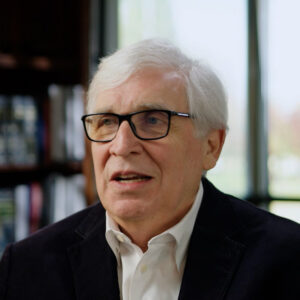 Michael Hackard is the founder of Hackard Law, a California trust and estate litigation firm with more than five decades of experience protecting the inheritance rights of families across Sacramento, the San Francisco Bay Area, and Los Angeles. He is the author of four published books on inheritance protection and has produced more than 1,000 educational videos with over seven million views.