(916) 313-3030
Sacramento Homelessness, Law, and Civic Leadership: A Local Attorney’s Perspective
A Sacramento Attorney Speaks Out
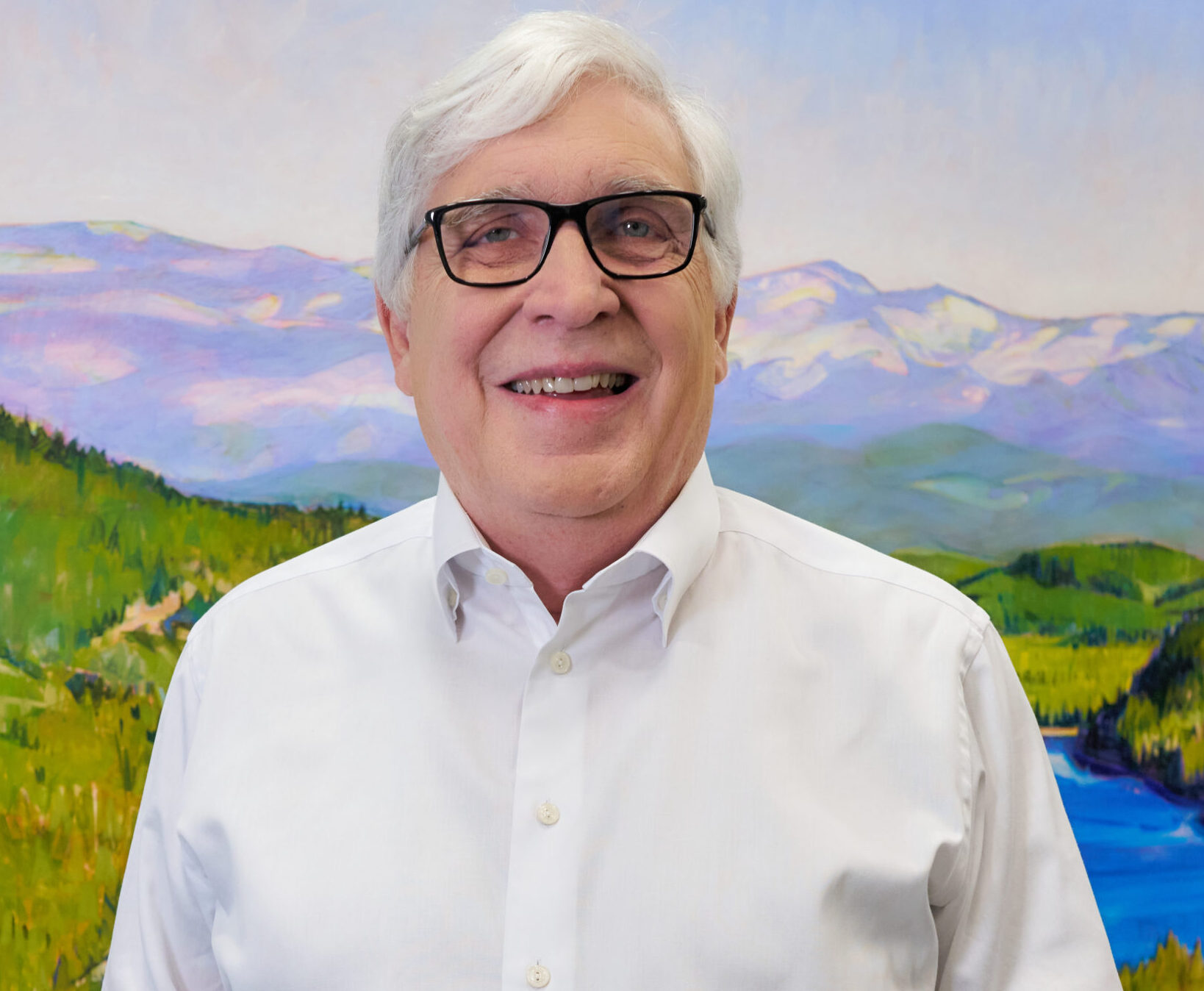
I’m Michael Hackard, founder of Hackard Law. Over my five decades of practice, I have fought for heirs, beneficiaries, and elder abuse victims across Sacramento, the San Francisco Bay Area, and Los Angeles. I have published four books on inheritance protection and produced more than 1,000 educational videos, which have reached over 7 million viewers. My work has always been rooted in a simple conviction: the law exists to protect people, and when it is misread or misapplied, real harm follows. That conviction extends beyond the courtroom. As a Sacramento resident and attorney, I feel compelled to speak on a crisis that touches every neighborhood in our city – the dramatic and ongoing rise in homelessness. This is not a political screed. It is an observation grounded in what happens when law is misapplied, and civic leadership fails the people it is meant to serve. Journalist Ari Graczyk has done important work holding Sacramento’s political leadership accountable, and his reporting deserves a wider audience.
Hackard Law provides contingency fee representation for qualified trust, estate, and elder abuse cases – no upfront costs required. To speak with our team, call (916) 313-3030.
Quick Summary
Sacramento’s homelessness crisis has grown from roughly 2,700 individuals to more than 10,000 over the past eight years, driven in part by a misreading of federal case law that has paralyzed local enforcement. Compassion for vulnerable people and tolerance of public lawlessness are not the same thing, and conflating them has produced a public health emergency.
- Sacramento’s homeless population has grown nearly fourfold in under a decade.
- A 2018 Ninth Circuit ruling was misread, leading cities to believe they could not act.
- The ruling’s own footnote permits cities to restrict camping and remove those who refuse services.
- Open encampments have been linked to rising crime, health hazards, and neighborhood deterioration.
- True civic leadership requires enforcing the law while offering genuine pathways to services.
The Legal Misreading at the Heart of the Crisis
In 2018, the Ninth U.S. Circuit Court of Appeals decided Martin v. City of Boise. The ruling held that cities could not arrest people for sleeping on public property when no adequate alternative shelter was available. Sacramento’s political leadership read this as a broad prohibition on any enforcement action involving homeless individuals – and largely stopped acting.
They failed to notice an important footnote that was part of the same ruling. Cities are still able to prohibit camping in public spaces. Cities have the authority to evict people who have the resources to find housing or who decline services. Sacramento’s leadership refused to acknowledge the court’s cautious line.
This is not a small disagreement over interpretation. Ten years of inaction resulted from a misinterpretation of one footnote applied to the entire city’s enforcement policy. Along roads and rivers, tent cities grew. Public fires, open drug sales, and health risks increased. People who lived in or close to the encampments themselves were frequently the most affected.
What Civic Neglect Actually Looks Like
Doorway sleeping, sidewalk encroachment, property crimes, open fires, drug sales, public intoxication, prostitution, inoperable vehicles, and indecent behavior are just a few of the specific behaviors that went unpunished, according to Graczyk’s reporting. These are not failures of abstract policy. For Sacramento locals, business owners, and homeless people trapped in a system that provides neither accountability nor real assistance, these are everyday realities.
There are other factors that contribute to homelessness. It is closely linked to substance abuse, untreated mental illness, and the general decline in community safety. The core issues are not addressed by letting encampments continue unchecked. It merely concentrates them in public areas where the damage is exacerbated.
Case Pattern: Following numerous property crimes and a fire that spread to a nearby building, a family in a Sacramento neighborhood near a long-standing encampment contacts an attorney. Even though the legal issue has less to do with criminal enforcement and more to do with property damage and insurance disputes, the pattern shows how civic inaction results in actual harm for common citizens.
Compassion Is Not the Same as Acceptance
I want to be direct about something. Concern for homeless individuals – many of whom are struggling with illness, addiction, or trauma – is not incompatible with enforcing the law. In fact, genuine compassion often requires enforcement. Allowing someone to remain in a dangerous encampment without access to treatment or shelter is not a kindness. It is an abdication.
Sacramento’s policy has been shaped for years by the narrative that any enforcement action is cruel and that permitting encampments to continue is compassionate. Graczyk is correct to directly contest that framing. A society that claims to care about the safety and security of its people cannot allow circumstances that put those people in danger at the same time.
For those handling the legal consequences of civic neglect – property damage, personal injury, or disputes that arise from deteriorating neighborhood conditions – understanding your rights matters. Our service areas page outlines where Hackard Law operates across California.
Case Pattern: A Sacramento property owner wants advice on whether the city is liable for damage to a commercial building that occurred during an encampment clearance. Documentation, the timeliness of complaints, and whether the city was aware of the hazard are signs that civic inaction has both legal and human costs. All these play a significant role in the outcome.
The Numbers Tell the Story
Eight years ago, there were about 2,708 homeless people in Sacramento. That figure now surpasses 10,000. It wasn’t an isolated incident that led to that nearly fourfold increase. It occurred at a time when local leadership adopted a non-enforcement policy, which was supported by a misinterpretation of federal law that the ruling did not support.
Graczyk asks a pointed question: What kind of civic leadership sanctions tolerance of homelessness until a city becomes a national disgrace? It is a fair question. The answer, I suspect, entails a combination of ideological rigidity, political risk aversion, and an authentic failure to read the law carefully.
For Sacramento residents dealing with the downstream legal effects of this crisis – from personal injury to property disputes – resources are available. Our team handles a wide range of matters, and you can learn more about Sacramento County probate litigation and related practice areas on our site.
What the Law Actually Permits
The Martin v. Boise decision is narrower than Sacramento’s leadership has treated it. Courts have consistently recognized that cities retain broad authority to manage public spaces, enforce health and safety codes, and require compliance with reasonable time, place, and manner restrictions. The prohibition is on criminalizing the mere status of being homeless when no shelter alternative exists – not on all enforcement in all circumstances.
Cities that have read the ruling carefully have implemented policies that offer services first, enforce restrictions on those who decline, and maintain public spaces in a condition safe for all residents. Those cities have not seen the same trajectory as Sacramento. The law is not the obstacle. The will to apply it correctly has been.
For individuals and families dealing with legal disputes that have arisen from the conditions described here, Hackard Law is available to help assess your situation. You can reach us through our contact page.
Key Definitions
- Martin v. City of Boise: A 2018 Ninth Circuit decision holding that cities may not criminalize sleeping on public property when no adequate shelter alternative is available, but which also permits restrictions on camping and removal of those who refuse services.
- Ninth Circuit: The federal appellate court covering California and several other western states, whose rulings set binding precedent for federal courts in the region.
- Time, place, and manner restrictions: Legally recognized limits on where and when certain activities may occur in public spaces, upheld by courts as long as they are content-neutral and leave open alternative channels.
- Civic leadership: Elected and appointed officials responsible for setting and enforcing local policy in a manner consistent with both law and the public interest.
- Public health crisis: A condition in which widespread illness, injury, or hazard threatens the health of a community and requires coordinated governmental response.
- Encampment: A temporary or semi-permanent settlement of homeless individuals in a public space, often associated with accumulation of debris, open fires, and health hazards.
- Non-enforcement policy: A deliberate decision by law enforcement or city leadership to decline prosecution or removal actions in a defined category of circumstances.
- Misreading of law: An interpretation of a legal ruling or statute that is inconsistent with its actual text, footnotes, or the reasoning of the court that issued it.
What to Do Next
- Look for legal counsel if you have suffered property damage, personal injury, or other harm connected to encampment conditions near your home or business.
- Get copies of any documentation you have of city notices, complaints you filed, or communications with local officials about the conditions.
- Try to avoid delay in consulting an attorney – statutes of limitations apply to claims against government entities and are often shorter than those for private parties.
- Look into whether your city has a formal process for reporting health and safety violations related to encampments.
- Get copies of relevant incident reports, photographs, and correspondence before they become difficult to retrieve.
- Try to avoid confronting encampment residents directly – safety concerns and liability risks make that approach inadvisable.
- Look for community organizations that provide outreach services, as documentation of refused services can be legally relevant.
- Learn more about the range of matters Hackard Law handles by reviewing our practice areas.
- Call Hackard Law at (916) 313-3030 for a consultation about your situation.
- You can also reach us through our contact page to schedule a time to speak with our team.
CALL THE SAGE | When Experience Matters, Families Listen
🏛️ We practice California trust & estate & elder financial abuse litigation
⚖️ We represent heirs, beneficiaries, and elder abuse victims
🎥 1,000+ educational videos | 7 million+ views | 4 published books
🎯 “After thousands of cases, I see the pattern others miss.”
CONTINGENCY REPRESENTATION – No Win, No Fee
Throughout California: Sacramento | Los Angeles | Bay Area
📞 CALL THE SAGE: (916) 313-3030
Subscribe for weekly insights on:
- Elder financial abuse warning signs and prevention
- Trust and estate litigation strategies
- Inheritance protection for California families
- Family protection strategies
When your inheritance is under attack, Call The Sage.
Hackard Law | 10640 Mather Blvd, Mather CA 95655
Attorney Advertisement | Michael Hackard, State Bar #71067
RELATED VIDEOS
The Power of Presence | Sacramento, CA Estate & Trust Attorney
A Sacramento attorney explains what it means to show up for clients.
Sacramento Trust Litigation Attorney | Results Matter
Michael Hackard outlines what drives successful trust litigation outcomes in Sacramento.
Probate in Sacramento County: Why Local Rules Matter
Local Sacramento probate rules can significantly affect how estate cases unfold.
Thought Leadership & Content | CA Trust Litigation
How sharing legal knowledge publicly helps educate and protect California families.
Hackard Law: Estate, Trust & Probate Litigation for Sacramento and Northern CA
An overview of Hackard Law’s practice serving Sacramento and Northern California clients.
Placer County Senior Exploitation | Homes and Estates & Trusts
Elder financial exploitation targeting homes and estates is a growing regional concern.