Rooted in Sacramento: A Lawyer’s Perspective on Home
I am Michael Hackard, founder of Hackard Law, and I was born in Sacramento in 1950. Over my five decades of practice, I have fought for heirs, beneficiaries, and elder abuse victims across California – and I have done it proudly from the city where I was planted. I’ve written 4 published books on inheritance protection and created over 1,000 educational videos viewed by more than 7 million people. Sacramento is home, and the center of this firm.
Hackard Law offers legal services to clients in Sacramento, the San Francisco Bay Area and Los Angeles. Whether a family is facing a contested trust in the Central Valley or a contested estate in Southern California, we bring the same dedication to each matter.
Hackard Law offers contingency fee representation for qualified trust and estate litigation matters – no upfront costs to get started. To find out whether your case qualifies, call us at (916) 313-3030.
Quick Summary
This post reflects on Sacramento’s identity as a city of quiet strength and how that same character shapes the way Hackard Law approaches estate and trust litigation for California families.
Sacramento is California’s capital and a city with deep civic pride and architectural character.
Hackard Law has been rooted in Sacramento for five decades, serving families across Northern and Southern California.
Trust and estate disputes – including will contests, trustee misconduct, and elder financial abuse – require experienced, committed counsel.
Contingency fee representation means qualified clients pay nothing upfront.
Early legal consultation can make a decisive difference in the outcome of an inheritance dispute.
Bloom Where You’re Planted: Sacramento’s Quiet Strength
The New York Times once described Sacramento as a city that gets no respect – and then spent an entire travel essay explaining why it deserves it. Sprawling shade trees, a thriving cultural scene, 40 acres of Victorian-style capitol park, beloved sports teams, and a welcome lack of pretension. That description resonates with me deeply.
I mean, sometimes when I was younger I’d get that pull to apologize for not being from SF or LA. Fixed experience. Sacramento’s earnest, level-headed nature is a strength, not a liability. And it represents the values that I bring to every single case: straightforward, dedicated and not afraid to be out-yelled by louder voices.
Greta Gerwig’s film Lady Bird captured something true about this city – that Sacramento is a place people underestimate until they understand it. The same can be said of the families who come to us. They are not glamorous litigants. They are sons, daughters, and surviving spouses who trusted the wrong person with a loved one’s estate.
Why Sacramento Families Face Unique Estate Challenges
Sacramento sits at the center of California’s inheritance landscape. Multigenerational families here hold real property, agricultural assets, and business interests that can become flashpoints when a trust or estate is poorly drafted, mismanaged, or manipulated. The top probate, trust, and estate battleswe litigate reflect patterns that repeat across Sacramento County courtrooms: trustees who delay distributions, beneficiaries cut out of amended documents, and caregivers who exploit a senior’s vulnerability.
Sacramento County Probate Court handles a significant volume of contested matters each year. Families who wait too long to consult an attorney often find that assets have been transferred, accounts drained, or documents destroyed. The eight stages of trust and estate litigation move quickly once a dispute is filed, and preparation before that filing is what separates recoverable situations from lost ones.
Case Pattern: Trustee Delay and Stonewalling
A beneficiary contacts Hackard Law after a trustee – her brother – has held the family trust open for three years following their mother’s death. No accounting has been provided, and the family home has not been transferred. After litigation is initiated and a formal demand is made, the trustee produces an accounting that reveals improper loans to himself from trust assets. The matter resolves with recovery of the misappropriated funds and removal of the trustee.
Trustee Misconduct and the Rights of Beneficiaries
Trustees have a fiduciary duty to act in the interest of beneficiaries, not in their own interest. When that duty is breached – through self-dealing, concealment, or outright theft – litigation is often the only path to accountability. Hackard Law litigates these cases in Sacramento County and throughout California, and we do so on a contingency fee basis for qualified clients.
Two adult children find out after their father’s death that his trust was changed in the last weeks of his life to exclude them altogether and name a neighbor as the sole beneficiary. Medical records indicated the father had advanced dementia when the amendment was made. Hackard Law contest filed for lack of capacity and undue influence. The amendment is disregarded, and the original terms of the trust restored.
Sacramento’s Estate Landscape: Real Property and Family Conflict
In Sacramento, the family home is often the most valuable and most contested asset in an estate. Property values have risen sharply over the past two decades, turning modest homes into significant inheritances – and significant targets. When a sibling moves in, claims a right to the property, or convinces a parent to deed the home before death, litigation follows.
Hackard Law handles Sacramento County probate litigation involving real property disputes, contested deeds, and fraudulent transfers. These cases require forensic analysis of title records, medical history, and financial transactions. A steadfast commitment to truth restores what dishonesty tried to steal.
The fracture that runs through a family after an inheritance dispute often runs too deep for any judgment to mend the relationship. But recovering assets – and holding accountable those who manipulated a vulnerable parent – gives families something real: justice, and the ability to move forward.
Key Definitions
Trustee: A person or institution appointed to manage trust assets as specified in the trust document and in California law.
Beneficiary: A person who is entitled to receive distributions from a trust or estate.
Fiduciary duty: A trustee or executor’s legal obligation to act in the best interest of beneficiaries, and not for themselves.
Will contest: A legal suit to attack the validity of a will, usually on the grounds of lack of capacity, undue influence, or fraud.
Trust contest: A legal challenge to the validity of a trust or a trust amendment, governed by California Probate Code.
Undue influence: Pressure or manipulation that overrides the free will of a person making estate planning decisions.
Contingency fee: A fee arrangement in which the attorney is paid only if the case results in a recovery.
Probate: The court-supervised process of validating a will and administering a decedent’s estate.
Elder financial abuse: The illegal or improper use of a senior’s funds, property, or assets by another person.
Accounting: A formal report a trustee is required to provide showing all trust income, expenses, and distributions.
What to Do Next
Watch for red flags such as unexplained changes to a trust, a trustee who goes dark or a caregiver who suddenly has financial access.
Request copies of the trust document, amendments, and recent financial statements as soon as possible.
Try to avoid confronting a suspected trustee or abuser directly before speaking with an attorney – it can complicate the case.
Write down a timeline of events, including dates, names, and anything unusual you observed.
Look into whether California’s elder financial abuse statutes apply – they can provide double damages and attorney fee recovery in qualifying cases.
Try to avoid waiting too long to consult an attorney, as statutes of limitations apply to trust contests and elder abuse claims.
A breakdown of the trust disputes Sacramento families most frequently bring to court.
Frequently Asked Questions
Hackard Law handles trust contests, will contests, trustee misconduct, elder financial abuse, beneficiary disputes, and probate litigation throughout Sacramento County and the surrounding region. Cases involving real property, amended trusts, and caregiver exploitation are among the most common matters the firm litigates.
Under a contingency fee arrangement, Hackard Law is paid a percentage of the recovery only if the case succeeds – there are no upfront legal fees for qualified clients. This structure allows heirs, beneficiaries, and elder abuse victims to pursue legitimate claims without the barrier of hourly attorney costs.
California imposes strict time limits on trust and will contests, and the clock can begin running from the date of death or the date a notice is served on beneficiaries. Missing these deadlines can permanently bar a claim, which is why consulting an attorney as early as possible is critical.
Yes. A trustee who fails to provide a required accounting, conceals assets, or otherwise breaches fiduciary duties can be removed by a California probate court. Hackard Law litigates trustee removal cases and pursues recovery of assets that were mismanaged or misappropriated.
Elder financial abuse claims connected to a trust or estate are typically heard in Sacramento County Probate Court. California’s elder abuse statutes provide enhanced remedies – including double damages and attorney fee recovery – making these cases particularly important to pursue with experienced litigation counsel.
About the Author
Michael Hackard is the founder of Hackard Law, a California trust and estate litigation firm with more than five decades of experience protecting the inheritance rights of families across Sacramento, the San Francisco Bay Area, and Los Angeles. He is the author of six published books and has produced more than 1,000 educational videos with over seven million views.


 (916) 313-3030
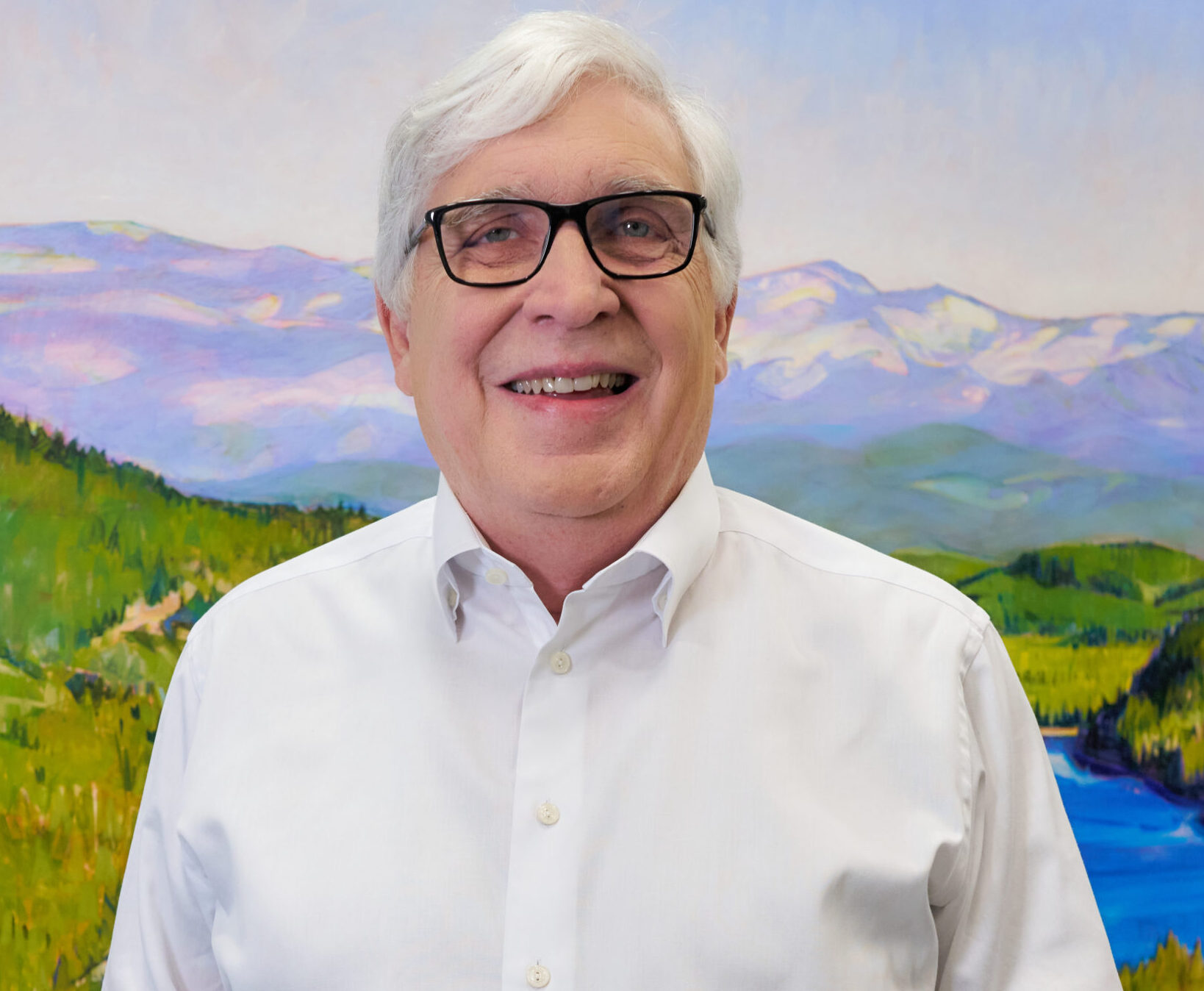
 Michael Hackard is the founder of Hackard Law, a California trust and estate litigation firm with more than five decades of experience protecting the inheritance rights of families across Sacramento, the San Francisco Bay Area, and Los Angeles. He is the author of six published books and has produced more than 1,000 educational videos with over seven million views.