I am Michael Hackard, founder of Hackard Law. For more than five decades, I have litigated trust and estate disputes on behalf of heirs, beneficiaries, and elder abuse victims across California. I have written four published books on inheritance protection and produced more than 1,000 educational videos with over seven million views. My firm serves families in Sacramento, the San Francisco Bay Area, and Los Angeles.
This post is different from my usual legal commentary. It is personal. It is about memory, about the summers that shaped a generation, and about why the families and legacies we build deserve fierce protection. The summer of 1966 holds a place in my heart that no other season quite matches. I was a Sacramento teenager, caught between my sophomore and junior year of high school, with the whole world crackling through the speakers of a transistor radio. That summer and its music planted something deep — a love of family, a sense of place, and an understanding that time moves fast. These are the reasons I do what I do today.
Hackard Law provides contingency fee representation for qualified cases — meaning no upfront costs for families seeking to protect what is rightfully theirs.
If your family faces a trust or estate dispute, call Hackard Law at (916) 313-3030 for a consultation.
Quick Summary
Michael Hackard discusses his memories of the summer of 1966 in Sacramento and links them to the broader goal of preserving family traditions. A generation that must now make important decisions regarding inheritance and estate planning was shaped by the music, automobiles, and cultural upheaval of that time.
The summer of 1966 defined baby boomer adolescence with iconic music and unforgettable experiences
Sacramento’s hot summers served as the backdrop for formative family memories.
The Beatles played their final concert on August 29, 1966, at Candlestick Park — and no one in the audience knew it was the last.
Generational memories remind us why protecting family wealth and legacy matters.
Hackard Law fights for families whose inheritance rights are at risk.
Transistor Radios and the Soundtrack of a Generation
In the summer of 1966, Sacramento was hot. It was always hot. But the heat did not stop us from living fully. We carried transistor radios everywhere — small, tinny devices that connected us to a world of new music. There were only a few rock stations in Sacramento: KROY and KXOA. We had our loyalties, but those loyalties never stopped us from scanning the dial to hear the latest song.
The music told us who we were and where we were headed. The Ballad of the Green Berets stirred a young, unquestioning patriotism — the kind that had not yet been tested by the long divisions of the Vietnam War. The Rolling Stones’ “Paint It Black” brought something darker, a sense of desolation and mourning that most baby boomers had not yet fully experienced. And the Lovin’ Spoonful’s “Summer in the City” captured the gritty heat of daytime and the cooler promise of summer nights.
These songs were more than entertainment. They were emotional landmarks. Decades later, I can recall the melodies of 1966 with startling clarity, while the music of 1994 or 2003 blurs together. The adolescent mind absorbs experience differently. It holds on tighter. That is something worth remembering when families gather to talk about what they want to preserve — and what they want to pass on.
Mustangs, GTOs, and the Dreams of Adolescent Sacramento
Cars mattered in 1966. They mattered intensely. Mustangs, Chevelle 396s, Oldsmobile 442s, and Pontiac GTOs dominated the dreams of every adolescent male in Sacramento — even if those cars sat in someone else’s garage rather than our own.
In the 1960s, cars were more than just machines. It was about aspiration, independence, and identity. For a generation of baby boomers, these cars symbolized an exciting future. A car meant freedom in Sacramento, where the grid of streets stretched out flat beneath a vast sky.
Today, the assets families fight to protect are different — homes, trust accounts, retirement savings, family businesses — but the emotional weight is the same. A family’s wealth represents decades of work, sacrifice, and hope. When that wealth is threatened by trust disputes or mismanagement, the sense of loss cuts deep.
Case Pattern: The Family Home and a Lifetime of Memories
A Sacramento family discovered that their parents’ home — the house where they grew up, where summer barbecues happened and holiday traditions were born — had been quietly transferred out of the family trust by a sibling who held power of attorney. The remaining heirs challenged the transfer, and the matter was resolved through litigation that restored the property to the trust estate.
The Last Concert Nobody Knew About
The summer of 1966 ended for me on an August night at Candlestick Park in San Francisco. The Beatles played what turned out to be their final concert. None of the 25,000 fans in attendance knew it was the last time the band would perform live together. The Beatles did not share that information with us.
There is something about endings that arrive without warning — not dramatic, not declared, just quietly present one day where they weren’t before. Families experience this in estate and trust matters more often than most people realize. A parent’s cognitive decline begins with small things. A forgotten name. A repeated question. Easy to explain away at first.
A trust amendment gets signed — sometimes in a back office, sometimes at a kitchen table — and the people it affects most are the last to hear about it. Abeneficiary’s rights don’t vanish overnight. They thin. One decision leads quietly to the next, each one justifiable on its own, until the inheritance that was promised simply isn’t there anymore.
Michael Hackard has spent five decades identifying these patterns and fighting to reverse them. The families who come to Hackard Law often describe the same feeling: they did not know the ending was happening until it was already done. The law provides remedies for that. California trust and estate litigation exists precisely to address situations where heirs and beneficiaries are left in the dark.
From the Summer of Love to the Summer of Unraveling
The summer of 1966 gave way to 1967’s Summer of Love — a cultural explosion of music, drugs, and social upheaval centered in San Francisco. Then came 1968, a year of unraveling. The assassinations of Martin Luther King Jr. and Robert F. Kennedy. The Tet Offensive. The anti-war riots in Chicago. In three short years, the optimism of 1966 had fractured.
Families experience similar arcs. The unity of one generation gives way to conflict in the next. Siblings who grew up in the same house, shaped by the same summers and the same music, find themselves on opposite sides of a trust contest after a parent dies. The unraveling is heartbreaking, but it does not have to be permanent.
Hackard Law represents heirs, beneficiaries, and elder abuse victims through every stage of trust and estate litigation. The goal is always the same: protect the legacy that the prior generation worked a lifetime to build.
Case Pattern: The Quiet Trust Amendment
An elderly man in Sacramento had, over time, stopped answering his own phone. His caregiver managed his schedule, his medications, and all his visitors. His three adult children noticed the distance but struggled to name what was happening; their father seemed fine when they did speak, or fine enough.
After he died, they learned about the trust amendment, which was signed months earlier, redirecting most of his estate away from them. When they looked closer, they found that the paperwork told a story: their father had been in documented cognitive decline when he signed it.
The court eventually set it aside, but by then the family had spent years inside a legal process that began with grief and stayed there.
Why Memories and Legacies Deserve Protection
The summer of 1966 lives in my memory because it was formative. The music, the cars, and the family dynamics of that era shaped who I became. My younger sister was heading into her first year of high school. And my older sister was leaving for her first year of college. We were a family in transition, held together by shared experience and a common sweet home.
That is what legacy means. It is not only about money or property. It is about the continuity of a family’s story. When a trust is mismanaged, when an inheritance is stolen, when a vulnerable parent is manipulated by someone they trusted, the damage extends far beyond finances. It disrupts the family narrative itself, the shared story that connects one generation to the next and gives a family’s sacrifices their lasting meaning.
Protecting legacies requires full vigilance. Families should understand their rights under California law, communicate openly about estate planning, and act quickly when something feels wrong. For over fifty years, Hackard Law has based its practice on this notion.
Key Definitions
Trustee: The person or entity responsible for managing trust assets according to the trust’s terms and California law
Trust: A legal arrangement in which a trustor transfers assets to a trustee to manage for the benefit of named beneficiaries
Beneficiary: A person entitled to receive assets or income from a trust or estate
Trust Amendment: A formal change to the terms of a revocable trust, which can alter distributions, trustees, or beneficiaries
Undue Influence: Excessive pressure or manipulation that overrides a person’s free will in making estate planning decisions
Contingency Fee Representation: A fee arrangement where the attorney’s payment depends on a successful outcome, eliminating upfront costs for the client — learn more in this guide to contingency fee representation.
Probate Litigation: Court proceedings to resolve disputes about wills, trusts, or estate administration
Cognitive Decline: A reduction in mental capacity that can make an elder vulnerable to manipulation and financial abuse
What to Do Next
Reflect on your own family’s estate plan — does it still reflect your parents’ wishes?
Ask whether all family members know the basic terms of the family trust.
Request a copy of any trust or estate document you are named in as a beneficiary.
Document any concerns about a family member’s cognitive decline or isolation.
If you suspect a trust has been changed under suspicious circumstances, consult an attorney immediately.
Highest keyword relevance (4 hits) and directly mirrors the blog’s central theme — that protecting family legacies is the core mission of Michael Hackard’s practice.
Directly echoes the blog’s narrative of family unity unraveling across generations and the need for legal protection of the legacies families build together.
Aligns with the blog’s warnings about inheritance being quietly eroded through trustee misconduct, undue influence, and cognitive decline — the key risks discussed in the case patterns.
Matches the blog’s recurring metaphor of endings arriving without announcement — inheritances and family wealth slipping away before beneficiaries realize what is happening.
Sacramento-specific and trust-litigation focused, reinforcing the blog’s Sacramento identity and its emphasis on Hackard Law’s decades of results protecting Sacramento families.
Provides practical context for the trust dispute case patterns described in the blog, helping readers understand the legal landscape for Sacramento trust litigation.
Frequently Asked Questions
Family legacy is not an abstract legal concept. It is rooted in shared experiences — the summers, the music, the homes, and the traditions that bind generations together. Michael Hackard writes about these subjects because protecting family legacies requires understanding what those legacies truly mean to the people who hold them.
Act quickly. Gather any documents you have access to, note the timeline of events, and consult a California trust litigation attorney. Under California law, trust amendments executed through undue influence or during periods of cognitive decline can be challenged and potentially set aside.
Yes. Hackard Law has represented Sacramento families in trust and estate litigation for more than five decades. The firm handles cases involving contested trusts, elder financial abuse, trustee misconduct, and inheritance disputes across Sacramento County and throughout California.
In a contingency fee arrangement, the client pays no upfront attorney fees. The attorney’s compensation comes from the recovery if the case is successful. This arrangement allows families who could not otherwise afford litigation to pursue their rightful inheritance. Hackard Law offers contingency fee representation for qualified trust and estate cases.
Michael Hackard is the founder of Hackard Law, a California trust and estate litigation firm with more than five decades of experience protecting the inheritance rights of families across Sacramento, the San Francisco Bay Area, and Los Angeles. He is the author of four published books on inheritance protection and has produced more than 1,000 educational videos with over seven million views.


 (916) 313-3030
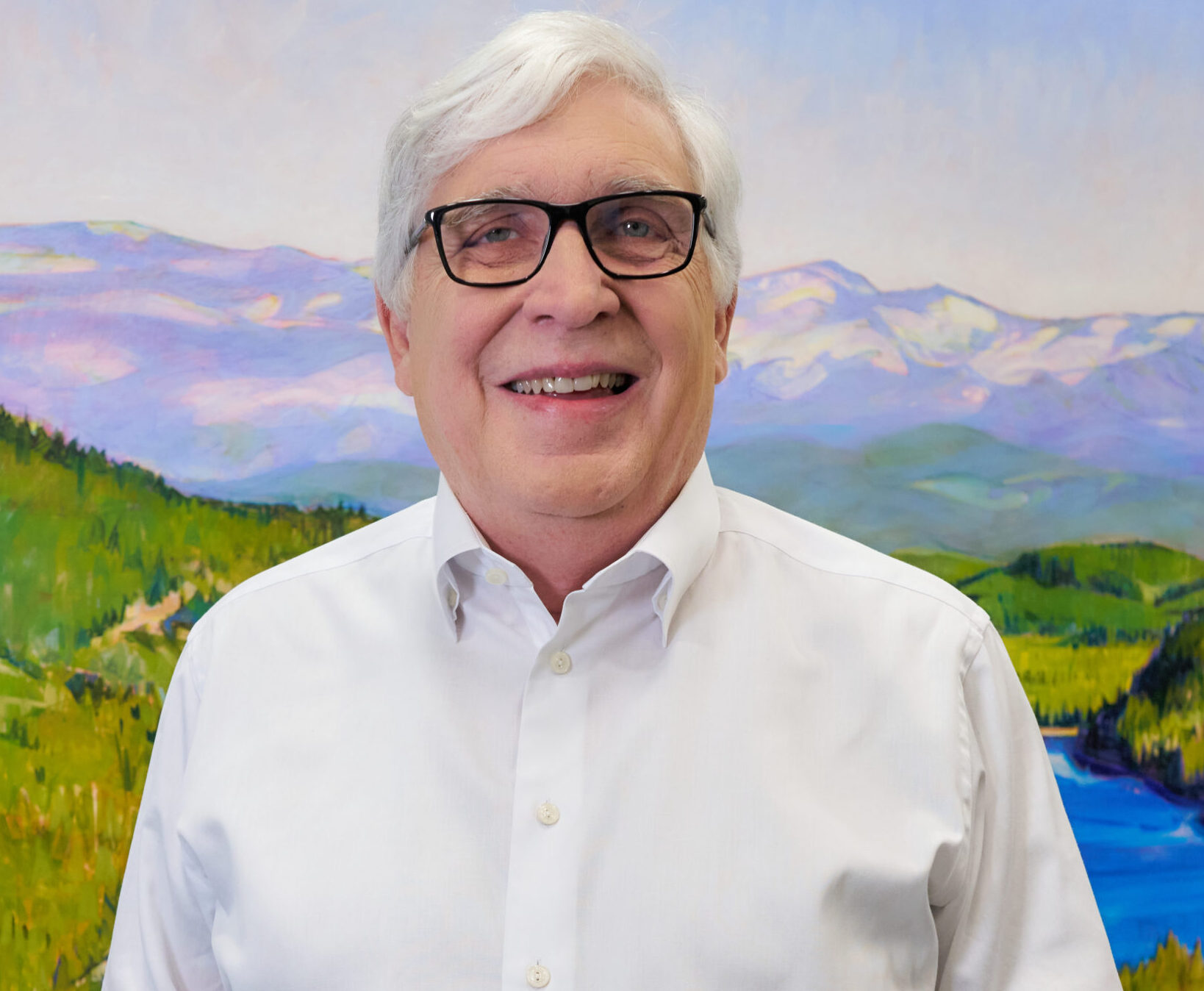
 Michael Hackard is the founder of Hackard Law, a California trust and estate litigation firm with more than five decades of experience protecting the inheritance rights of families across Sacramento, the San Francisco Bay Area, and Los Angeles. He is the author of four published books on inheritance protection and has produced more than 1,000 educational videos with over seven million views.