


 (916) 313-3030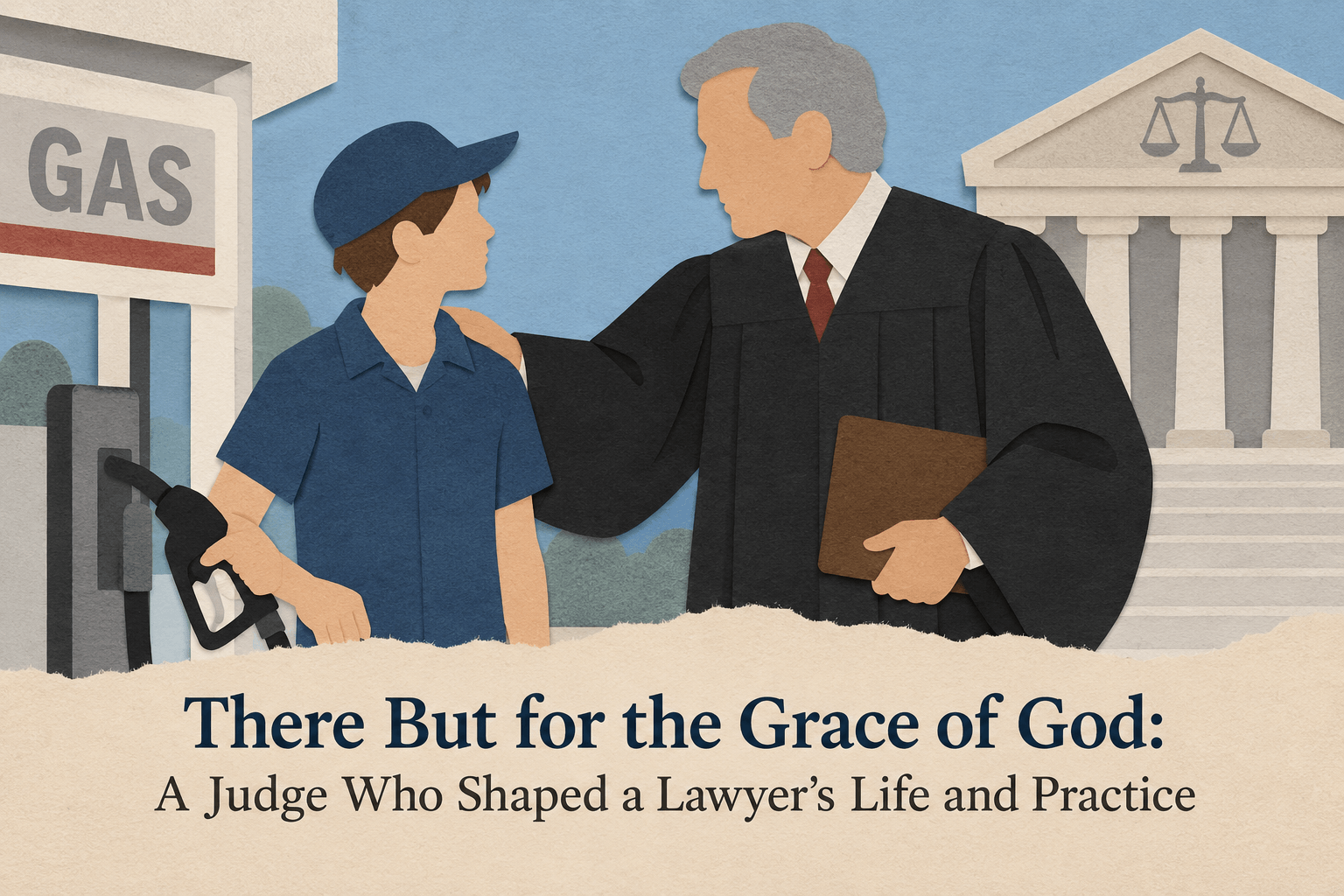
There But for the Grace of God: A Judge Who Shaped a Lawyer’s Life and Practice
A Story Worth Telling
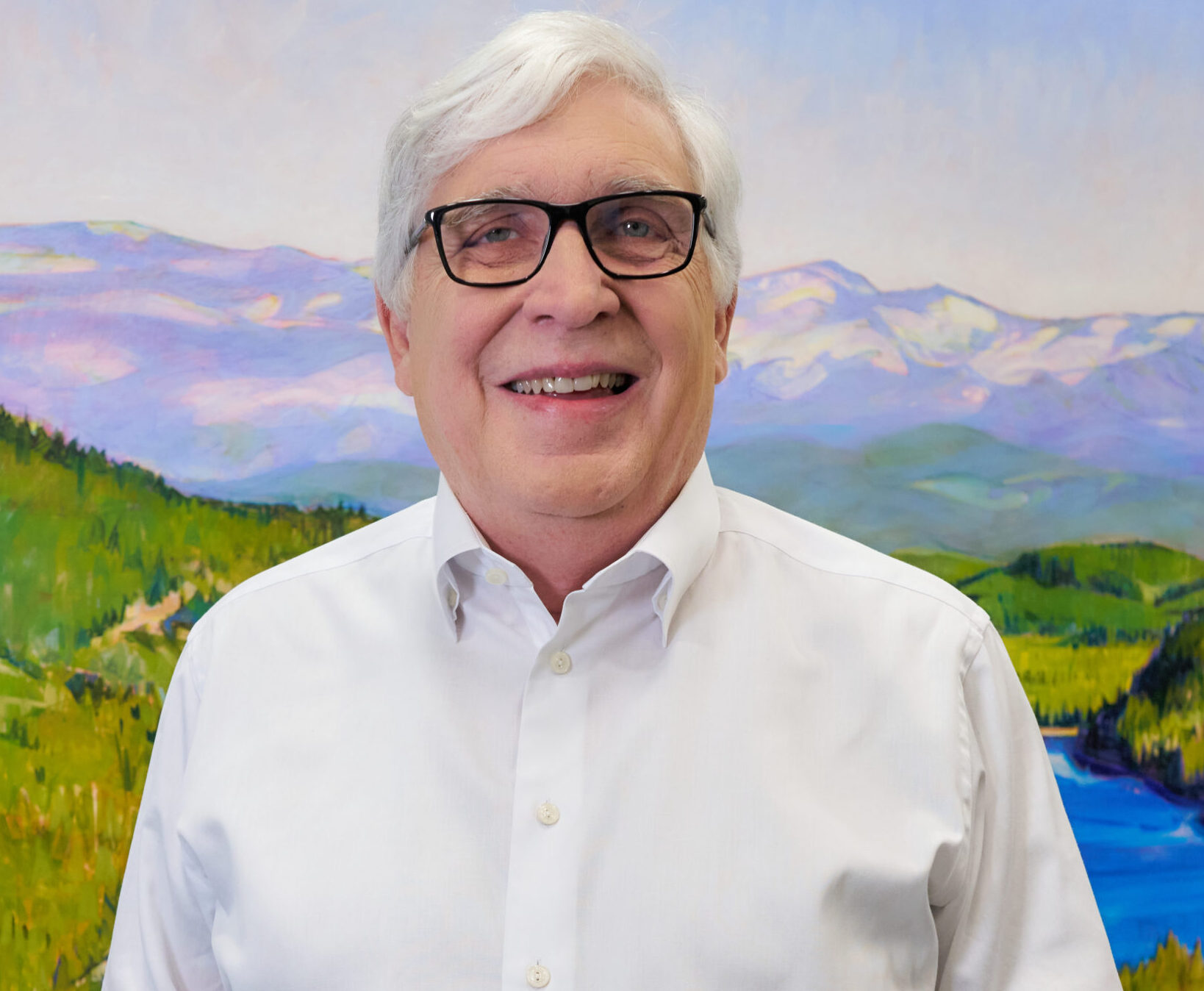
I am Michael Hackard, founder of Hackard Law, and I have spent nearly five decades standing with families across California – in Sacramento, the San Francisco Bay Area, and Los Angeles – when inheritance disputes, elder financial abuse, and trust litigation threaten everything they have worked to build. Over those decades, I have written four books on inheritance protection and produced more than 1,000 educational videos that have reached over seven million viewers. But before any of that, a judge at a gas station told a seventeen-year-old kid he should be a lawyer.
I want to share that story. Not because it is about legal strategy or courtroom tactics, but because it explains something essential about why I practice the way I do – and why the values behind the law matter as much as the law itself.
Hackard Law offers contingency fee representation for qualified trust, estate, and elder financial abuse cases, meaning there are no upfront costs to get started. To speak with our team, call (916) 313-3030.
Quick Summary
This post reflects on the mentor who set Michael Hackard on the path to law, and the enduring lesson that shapes how Hackard Law approaches every client and every case.
- A judge at a local gas station told a teenager he should become a lawyer – and meant it.
- That judge later used his influence to open a door at the courthouse, giving Hackard his first real legal experience.
- The judge’s most lasting lesson was not about law – it was about humility and the common human condition.
- That lesson informs how Hackard Law treats every client: with respect, without judgment.
- Families across California facing trust and estate disputes deserve representation grounded in those same values.
The Judge at the Gas Station
He was a war hero, an assistant district attorney, and a public defender, and then eventually a judge. He was also, by any modern measure, politically incorrect long before anyone had a name for it. I met him when I was seventeen, pumping gas at a local station. In those days, motorists were not allowed to pump their own gas. The law created unskilled jobs for high school kids at a dollar and five cents an hour – a time when a first-class stamp cost a nickel.
The judge stood out among customers. He had a story for every visit, asked us questions, and actually listened to our answers. He had a nickname for all of us. And he told me, without explanation, “Kid, you should be a lawyer.” I did not know why he said it. I am not sure he fully explained it even to himself. But he kept saying it every time our paths crossed at the grocery store, at the courthouse steps, wherever life put us in the same room.
When I told him I was planning to get an MBA, he looked at me and said, “That and ten cents will get you a cup of coffee. You go to law school – I’ll hire you.” He was not joking.
The Open Door
In the middle of my second year of law school, I ran into the judge again. I reminded him of what he had said. He told me to come to his court the next morning. I waited for his criminal calendar to finish, and he walked me upstairs to the court administrator and told him to hire me. The administrator said he was out of budget. The judge said, “I guess you didn’t hear what I said. Hire him.” The administrator found a way.
As we walked out, the judge told me not to make a monkey out of him. I did not. Within about a year, I had been promoted to head the court’s legal research office. That experience – working inside a functioning courthouse, watching how a judge actually ran a courtroom – gave me something no classroom could.
For families navigating California’s probate courts today, experience inside those institutions is not a credential on a wall. It is the difference between a lawyer who understands how courts think and one who is still learning. You can read more about the most common probate, trust, and estate battles in California to understand what that experience means in practice.
Case Pattern: A family involved in a multi-party trust dispute hired an attorney who had never litigated in probate court. This led to years of procedural errors. When Hackard Law got involved, the family got what had been delayed for far too long, thanks to a methodical review of the record and an unbiased understanding of how probate judges assess credibility.
There But for the Grace of God
The most important thing the judge ever said to me had nothing to do with law. I was young and self-righteous, making comments about the criminal defendants cycling through his courtroom. He pulled me aside and said, quietly, “There but for the grace of God go you or I.”
He did not explain. He did not need to. I had grown up with advantages – family, faith, education, health. I did not earn those advantages. Nearly every defendant in that courtroom had not had them. The judge had spent a career as a prosecutor, a defender, and then a neutral arbiter, and he had come to understand something that the law sometimes forgets: the people in front of you are human beings shaped by circumstances they often did not choose.
That message has stayed with me through five decades of practice. When I am tempted toward easy judgment – about a client, an opposing party, a witness – I hear it again. There but for the grace of God.
Case Pattern: After years of being written off as difficult and unreasonable by family members, a beneficiary came to Hackard Law. When the full picture emerged—an elderly person living alone, a trust hurriedly redrawn, and a caregiver who had unexpectedly gained new power—it looked completely different. It turned out that only the family member identified as the issue was making the appropriate inquiries. It was representation based on listening, not presumption.
What This Means for the Families We Represent
I have spent nearly fifty years fighting for heirs, beneficiaries, and elder abuse victims across California – in Sacramento County probate courts, in Alameda County estate litigation, in Santa Clara trust and will contests, and in Los Angeles estate disputes. The legal tools vary by case. The approach does not.
Every client who calls us is carrying something heavy. A parent’s estate has been drained. A sibling is stonewalling. A caregiver rewrote a trust at the last moment. A trustee has gone silent. These are not abstract legal problems. They are family wounds, and they deserve to be treated with the seriousness and the humanity they require.
The judge understood that the people in his courtroom – whatever brought them there – were part of a common human condition. That understanding did not make him soft. It made him fair. And fairness, pursued with discipline and preparation, is what wins cases. If you want to understand what contingency fee representation looks like in practice, our guide to contingency fee estate litigation in California walks through the process in plain terms.
For families in Oakland or across the Bay Area, or those dealing with trust and estate fraud in Los Angeles, the same principle applies: you deserve counsel who listens before they argue, and who understands that the outcome of your case will shape your family for generations.
Key Definitions
- Contingency fee representation: A fee arrangement in which the attorney is paid only if the case is resolved successfully, with no upfront costs to the client.
- Trust litigation: Legal proceedings to contest, enforce, or reform the terms of a trust, often involving allegations of undue influence, fraud, or breach of fiduciary duty.
- Probate court: The court with jurisdiction over the administration of estates, guardianships, and conservatorships in California.
- Beneficiary: A person named to receive assets from a trust or estate.
- Trustee: The individual or institution responsible for administering a trust according to its terms and California law.
- Undue influence: Pressure or manipulation that overrides the free will of a person making estate planning decisions, often affecting elderly or vulnerable individuals.
- Elder financial abuse: The illegal or improper use of an elder’s funds, property, or assets, which may include manipulation of estate documents.
- Fiduciary duty: The legal obligation of a trustee or executor to act in the best interest of the beneficiaries they serve.
- Will contest: A legal challenge to the validity of a will, typically based on lack of capacity, undue influence, or fraud.
- Probate petition: A formal filing that initiates court oversight of an estate, required when assets must pass through probate rather than by trust or other transfer.
What to Do Next
- Look for signs that a trust or will changed suddenly near the end of a loved one’s life, especially after a new caregiver or advisor entered the picture.
- Get copies of all trust documents, amendments, and any powers of attorney as early as possible.
- Try to avoid confronting suspected bad actors directly before speaking with an attorney – early missteps can complicate litigation.
- Document what you know: dates, names, changes in behavior, and any financial transactions that seem out of place.
- Look into whether California’s elder financial abuse statutes may apply – they can provide for double damages and attorney fee recovery in qualifying cases.
- Try to avoid letting statutes of limitations run without consulting counsel; California imposes strict deadlines on trust contests and elder abuse claims.
- Reach out to Hackard Law to discuss whether your case qualifies for contingency fee representation – no upfront costs for qualified matters.
- Learn more about what California beneficiaries can do when a trustee delays distributions without cause.
- Call Hackard Law at (916) 313-3030 to speak with our team about your situation.
- Visit our contact page to request a consultation online.
CALL THE SAGE | When Experience Matters, Families Listen
🏛️ We practice California trust & estate & elder financial abuse litigation
⚖️ We represent heirs, beneficiaries, and elder abuse victims
🎥 1,000+ educational videos | 7 million+ views | 4 published books
🎯 “After thousands of cases, I see the pattern others miss.”
CONTINGENCY REPRESENTATION – No Win, No Fee
Throughout California: Sacramento | Los Angeles | Bay Area
📞 CALL THE SAGE: (916) 313-3030
Subscribe for weekly insights on:
- Elder financial abuse warning signs and prevention
- Trust and estate litigation strategies
- Inheritance protection for California families
- Family protection strategies
When your inheritance is under attack, Call The Sage.
Hackard Law | 10640 Mather Blvd, Mather CA 95655
Attorney Advertisement | Michael Hackard, State Bar #71067
RELATED VIDEOS
How an Estate Lawyer Prepares You for Life’s Unexpected Turns
An estate lawyer explains how planning ahead protects families from life’s surprises.
Trust & Estate Litigation | The Art of Listening
Why truly listening to clients is central to effective trust and estate litigation.
What Makes Hackard Law’s Bay Area Practice Successful | Contingency Trust Litigation Attorney
Michael Hackard shares what drives Hackard Law’s approach to contingency trust litigation.
America’s Elders | Who Will Tell Their Story?
A look at who speaks up for elderly Americans facing financial abuse and neglect.
Estate Litigation: Overcoming Indifference
How estate litigation attorneys push past indifference to fight for rightful heirs.
 Michael Hackard is the founder of Hackard Law, a California trust and estate litigation firm with more than five decades of experience protecting the inheritance rights of families across Sacramento, the San Francisco Bay Area, and Los Angeles. He is the author of six published books on inheritance protection and has produced more than 1,000 educational videos with over seven million views.