(916) 313-3030
Top 5 Mistakes to Avoid When Hiring a Trust Administration Lawyer in Sacramento

Why Choosing the Right Trust Administration Lawyer Changes Everything
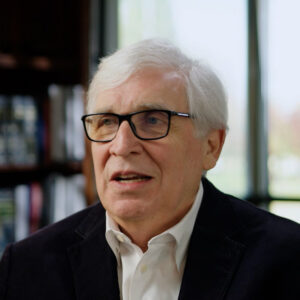
I’m Michael Hackard, founder of Hackard Law. Over five decades of practice, I have stood beside trustees who carried enormous responsibility – managing assets, navigating family tensions, and honoring the legacy of someone they loved. I have also published four books on inheritance protection and produced more than 1,000 educational videos that have reached over seven million viewers. That experience shapes everything I bring to trustees who need guidance in Sacramento, the San Francisco Bay Area, and Los Angeles.
Being a trustee is not a secretarial job. It’s a legal position with serious repercussions, and the attorney you hire to help you navigate it will decide whether things go smoothly or end up in court. I have witnessed both results. The quality of the trustee’s initial legal advice is nearly always what makes a difference.
Hackard Law provides contingency fee representation for qualified trust and estate litigation matters – no upfront costs required. To find out whether your situation qualifies, call us at (916) 313-3030.
Quick Summary
Trustees who hire the wrong lawyer often face beneficiary disputes, missed deadlines, and personal liability that could have been avoided. Knowing what mistakes to look for before you hire can protect you, the estate, and the beneficiaries who depend on you.
- Prioritizing price over experience leads to costly errors down the road
- Ignoring California and Sacramento-specific rules creates legal exposure
- Poor firm infrastructure causes delays, lost documents, and frustrated beneficiaries
- Minimal communication from a lawyer leaves trustees vulnerable to mistakes
- Failing to use modern tools for transparency breeds suspicion among beneficiaries
Mistake One: Prioritizing Price Over Experience
The lowest quote is rarely the best value in trust administration. An attorney who charges less may lack the depth of knowledge needed to handle complex assets, coordinate tax filings, or manage the emotional dynamics that arise among beneficiaries. What looks like savings at the outset can become expensive litigation later.
California probate law is detailed and unforgiving. A Sacramento estate lawyer who has handled hundreds of trust administrations will know how to anticipate problems before they surface. Ask any prospective attorney how many trust administrations they have completed, how recently, and whether they have experience with the specific asset types involved in your trust.
The right investment is in someone who knows the law, knows the local courts, and has the track record to prove it.
Mistake Two: Ignoring California and Sacramento-Specific Rules
Trust law varies significantly by state, and California’s probate code carries its own detailed requirements for notices, filings, and timelines. Sacramento courts also maintain local procedures that attorneys from other regions may not know. When those details are missed, trustees can face penalties – or worse, lawsuits from beneficiaries.
Case Pattern: Trustee Caught Off Guard by Local Filing Rules
A trustee retained an out-of-area attorney who failed to comply with a court-specific notice requirement. Beneficiaries filed a petition challenging the administration, and the trustee faced months of additional proceedings and personal legal costs that proper local counsel would have prevented.
Working with a lawyer who understands how Sacramento judges, banks, and financial institutions expect trust matters to be handled is not a luxury – it is a necessity. Beneficiaries who feel overlooked or misinformed often pursue their rights aggressively, as described in resources on what California beneficiaries can do when a trustee delays distributions without cause.
Mistake Three: Overlooking Firm Infrastructure and Accessibility
Trust administration can span months or even years. During that time, communication is everything. A solo practitioner or understaffed firm can easily lose track of documents, delay responses, or leave trustees without answers at critical moments.
Before hiring, ask whether the firm uses secure client portals, has backup staff to cover absences, and provides regular status updates. These are not small conveniences – they are the systems that keep administration on track and prevent administrative chaos from becoming legal exposure.
A well-organized firm gives trustees peace of mind. It also signals to beneficiaries that the estate is being handled with care and professionalism, which reduces the likelihood of disputes.
Mistake Four: Accepting Minimal Communication or Guidance
Most trustees are not attorneys. They do not know every step they are required to take under California law, and that is entirely understandable. A good trust administration lawyer will not just file paperwork – they will educate the trustee, provide clear checklists, and explain each obligation in plain language.
If your lawyer does not return calls promptly, does not explain your duties clearly, or leaves you guessing about what comes next, that is a serious warning sign. Uninformed trustees make mistakes, and those mistakes can lead to personal liability.
Case Pattern: Communication Breakdown Leads to Beneficiary Challenge
A trustee who didn’t get much advice from legal counsel neglected to notify beneficiaries in a timely manner. The trustee was forced to account for all estate activity under court supervision as a result of the oversight, which led to a formal challenge. Proactive legal advice could have prevented this process.
Reviewing the top 10 most common probate, trust, and estate battles shows how often disputes trace back to trustee missteps that better communication would have prevented.
Mistake Five: Disregarding Modern Tools for Transparency
Transparency is one of the most powerful tools a trustee has. When beneficiaries can see that assets are being managed properly – through secure document sharing, online accounting, and clear reporting – suspicion fades and families stay out of court.
Attorneys who rely on outdated systems or resist technology put trustees at a disadvantage. Modern tools do not replace legal judgment, but they support it by creating a clear, accessible record of how the trust is being administered. That record matters if a beneficiary ever raises a question – or a claim.
For trustees wondering how to keep beneficiaries informed and avoid trustee accountability disputes, the answer often starts with the systems the attorney puts in place from day one.
Key Definitions
- Trust administration: The procedure of distributing and managing trust assets based on the trust document and California law after the settlor’s death or incapacity.
- Trustee: The person or institution legally responsible for managing trust assets and carrying out the trust’s terms on behalf of beneficiaries.
- Probate Code: California’s statutory framework governing trusts, estates, and the duties of fiduciaries.
- Notice to beneficiaries: A required legal notification informing beneficiaries of the trust’s existence and their right to receive a copy of the trust instrument.
- Fiduciary duty: The legal obligation of a trustee to act in the best interests of the beneficiaries, with loyalty, prudence, and impartiality.
- Accounting: A formal report the trustee provides to beneficiaries detailing all assets, income, expenses, and distributions during the administration period.
- Local court rules: Procedures specific to a county court – such as Sacramento Superior Court – that govern how filings, hearings, and petitions must be handled.
- Contingency fee representation: A fee arrangement in which the attorney is paid from a recovery rather than charging the client upfront – common in trust and estate litigation.
- Beneficiary: A person or entity entitled to receive assets or income from a trust under the terms of the trust document.
What to Do Next
- Seek a trust administration lawyer with proven expertise in Sacramento court procedures and California probate law.
- Before your initial meeting with an attorney, obtain copies of the trust document and any amendments so you can make well-informed inquiries.
- Ask prospective attorneys how they communicate with trustees and beneficiaries throughout the administration process.
- Try to avoid selecting an attorney based on price alone – ask about outcomes and the complexity of matters they have handled.
- Seek out a company with infrastructure, such as well-organized document management systems, backup personnel, and secure portals.
- Ask whether the attorney will provide a checklist of trustee duties and walk you through each stage of administration.
- Try to avoid waiting until a beneficiary complaint arises – early legal guidance prevents most disputes before they start.
- Review information on contingency fee representation if you are also facing a trust dispute alongside administration responsibilities.
- Call Hackard Law at (916) 313-3030 to discuss your situation with an experienced Sacramento trust administration attorney.
- You can also reach us through our contact page to schedule a consultation.
CALL THE SAGE | When Experience Matters, Families Listen
🏛️ We practice California trust & estate & elder financial abuse litigation
⚖️ We represent heirs, beneficiaries, and elder abuse victims
🎥 1,000+ educational videos | 7 million+ views | 4 published books
🎯 “After thousands of cases, I see the pattern others miss.”
CONTINGENCY REPRESENTATION – No Win, No Fee
Throughout California: Sacramento | Los Angeles | Bay Area
📞 CALL THE SAGE: (916) 313-3030
Subscribe for weekly insights on:
- Elder financial abuse warning signs and prevention
- Trust and estate litigation strategies
- Inheritance protection for California families
- Family protection strategies
When your inheritance is under attack, Call The Sage.
Hackard Law | 10640 Mather Blvd, Mather CA 95655
Attorney Advertisement | Michael Hackard, State Bar #71067
RELATED VIDEOS
The Fiduciary’s Duty of Loyalty: How Trustees Get Sued in Sacramento
Explains the legal obligations trustees carry and the missteps that lead to lawsuits.
Probate in Sacramento County: Why Local Rules Matter
Breaks down how Sacramento-specific probate rules affect estate and trust proceedings.
Common Mistakes in Multi-Generational Trust Planning and How to Avoid Them | Hackard Law
Walks through frequent errors families make when planning trusts across generations.
Anatomy of Trust Litigation | Protecting Beneficiaries
Examines how trust disputes unfold and what beneficiaries can do to protect themselves.
Introducing the Sage | Veteran California Estate & Trust Litigation Attorney Michael Hackard
Michael Hackard shares his decades of experience handling California estate and trust cases.
How to Win an Estate Litigation Fight | Sacramento
Outlines strategies and key considerations for prevailing in Sacramento estate litigation.