Why Hackard Law Handles Traumatic Brain Injury Cases
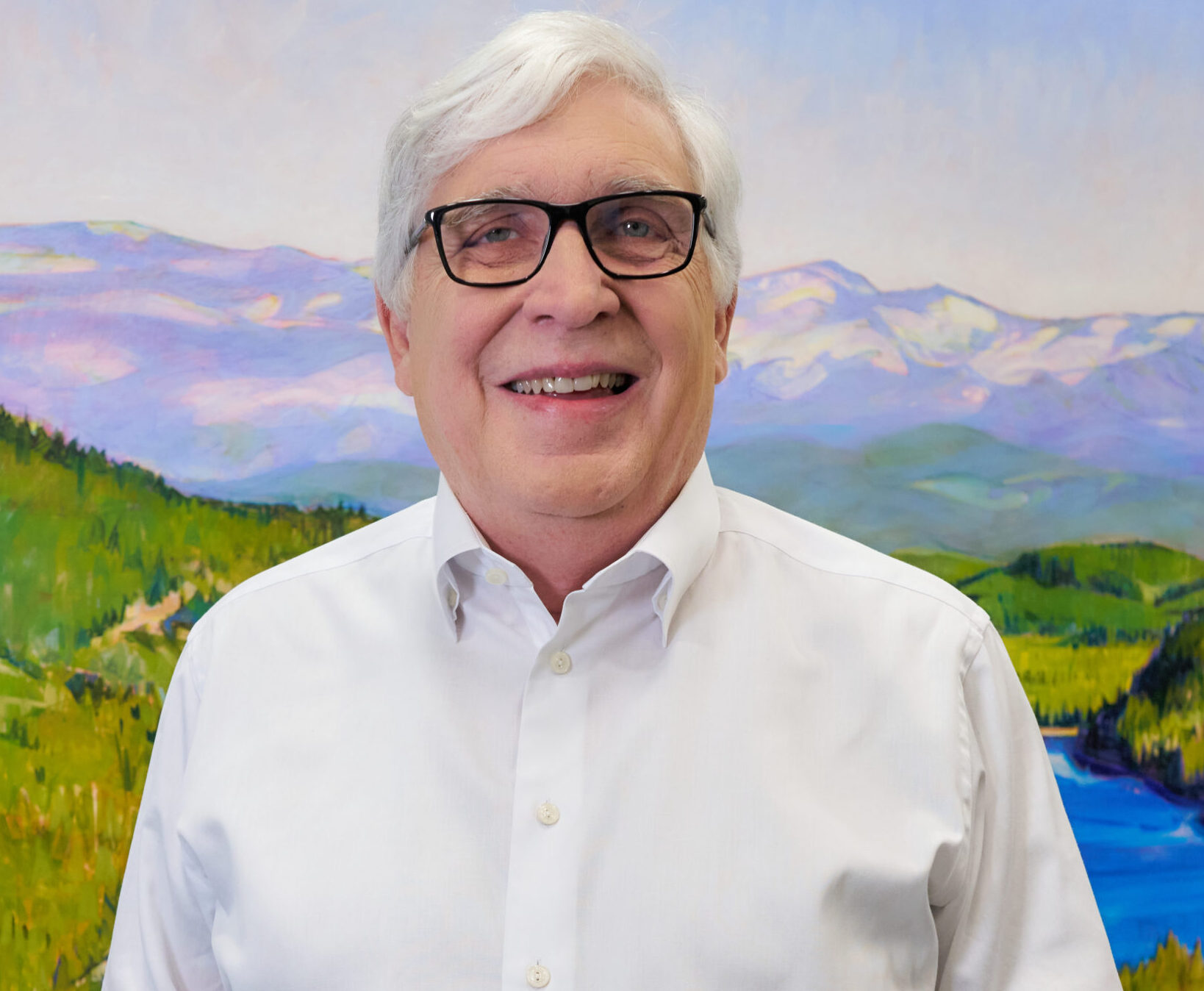
I’m Michael Hackard, founder of Hackard Law. Over five decades of practice, I have fought passionately for people harmed by others – whether through pharmaceutical negligence, elder financial abuse, trust fraud, or serious personal injury. I have written four published books on inheritance protection and produced more than 1,000 educational videos that have reached over seven million viewers. My firm serves clients across Sacramento, the San Francisco Bay Area, and Los Angeles.
Traumatic brain injury litigation is not a detour for us – it is a natural extension of the work we have always done. Estate and trust cases regularly involve clients whose cognitive decline was caused or worsened by brain-related conditions. My own experience with a brain tumor in the early 1990s, followed by serious surgery, a period of impairment, and lifelong medication, gives me a perspective that most attorneys simply do not have. I understand, from the inside, what it means to struggle with brain-related injury and recovery.
Hackard Law provides contingency fee representation for qualified traumatic brain injury cases – no upfront costs, no fees unless we recover for you. To discuss your case, call us at (916) 313-3030.
Quick Summary
Traumatic brain injury is often called a silent injury because victims may not recognize the changes happening within themselves. Hackard Law litigates TBI cases across California, drawing on decades of experience with cognitive injury in both personal injury and estate contexts.
TBI can result from car accidents, falls, and other traumatic events.
Symptoms may include memory loss, balance problems, behavioral changes, and sensory deficits.
Many TBI victims do not realize the full extent of their injury without professional evaluation.
Hackard Law handles TBI cases on a contingency fee basis – no recovery, no fee.
Early legal consultation protects your rights and preserves critical evidence.
The Personal Roots of This Practice
In the 1990s, I represented hundreds of individuals harmed by pharmaceutical products that were ultimately pulled from the market. I helped lead a class action involving an anti-seizure medication that put my own life at risk. That experience – fighting for people whose injuries were invisible to others – shaped everything that followed.
When my mother’s family was frozen out of contact with her aunt by a manipulative caregiver, I understood firsthand how cognitive vulnerability opens the door to exploitation. Those cases, involving elder financial abuse, estate fraud, and undue influence, drew me into the trust and estate litigation arena. Brain-related conditions were always part of the picture – dementia, cognitive decline, and the aftermath of injury.
Adding traumatic brain injury litigation to our practice areas was not a stretch. It was a recognition of work we were already doing.
What Are the Key Screening Questions for a TBI Case?
When someone contacts Hackard Law about a potential traumatic brain injury claim, we walk through a structured set of questions designed to help the injured person reflect on their own experience. Many TBI victims have never connected their symptoms to the original injury. These questions open that door.
Did you hit your head? If so, where? Did you lose consciousness or experience an alteration of consciousness – even briefly? Did you have nausea or vomiting after the incident? These early questions establish the basic mechanics of injury.
The questions get more complex after that. Have you observed any changes in your memory or way of thinking? Touch, hearing, or vision? Gait, balance, or coordination? Reflexes, sensation, or strength? Have you had an MRI or CT scan performed on your brain? Have you been diagnosed with a TBI or traumatic brain injury by a medical professional?
The questions also apply to day-to-day living. Have you ever had neurological deficiencies like weakness or trouble speaking? Since the injury, have your feelings or behavior changed? Have you relied on assistive technology or required accommodations at home? Have you gotten household or personal assistance? Building a compelling case requires an understanding of how the injury has affected a person’s day-to-day life.
Case Pattern: A driver involved in a rear-end collision reported feeling fine at the scene but began struggling with memory lapses, irritability, and difficulty concentrating weeks later. When he finally sought evaluation, imaging revealed a brain contusion. Cases like this illustrate why early screening matters – the delay between injury and diagnosis often works against the injured party if legal action is not promptly considered.
Why TBI Is Called a Silent Injury
One of the most challenging aspects of traumatic brain injury litigation is that the injured person is often the last to recognize what has happened. This phenomenon – sometimes called anosognosia – means that the brain’s own damage can prevent the person from perceiving that damage. Family members notice the changes first: the short temper, the memory gaps, the withdrawal from activities once enjoyed.
Physicians, vocational consultants, and biomechanical analysts are often the professionals who can illuminate what the injured person cannot see in themselves. Their evaluations translate subjective complaints into documented, measurable deficits that courts and insurers can evaluate. Our blog on why some brain injury survivors don’t realize they’re injured explains this dynamic in plain terms.
This silence makes prompt legal action critical. Evidence degrades. Witnesses forget. Medical records become harder to obtain. The financial toll grows with every month that passes without a clear legal strategy in place.
Case Pattern: Following a fall, a family observed their elderly mother becoming disoriented and reclusive. Her behavioral changes had not been linked to the head impact by her primary care physician. Imaging revealed a subdural hematoma when a neurologist was eventually consulted. Cases that fit this pattern demonstrate how a serious injury can still exist even in the absence of a clear diagnosis.
The Connection Between TBI and Estate Litigation
Hackard Law’s work in trust and estate litigation has always intersected with brain-related conditions. A person with a traumatic brain injury – or with dementia, a tumor, or other cognitive impairment – may lack the testamentary capacity to execute a valid will or trust amendment. They may be susceptible to undue influence from caregivers, family members, or others who recognize their vulnerability.
For questions about whether a cognitive injury affected a loved one’s estate plan, our page on contesting a will or trust in Santa Clara outlines the legal framework for challenging documents executed under compromised capacity.
The overlap runs deep. A car accident victim who suffers a TBI may also be an estate beneficiary whose rights are affected by the injury. A trust grantor whose cognitive decline followed a head injury may have executed documents that do not reflect their true wishes. Hackard Law litigates at this intersection – where personal injury and estate law meet – with the full weight of decades of combined experience.
Contingency Fees: How Hackard Law Gets Paid
Many TBI victims and their families assume they cannot afford experienced legal representation. Hackard Law’s contingency fee model eliminates that barrier. We do not charge hourly fees. We do not require retainers. We only get paid when we recover on your behalf.
This model is not unique to TBI cases. Our contingency fee representation guideexplains how this approach works across our practice areas, from trust disputes to personal injury claims. The principle is simple: we are invested in your outcome because our compensation depends on it.
For decades, I have stood with families who were told their cases were too complicated, too costly, or too uncertain to pursue. A steadfast commitment to truth restores what dishonesty and negligence tried to steal. That is not just a legal philosophy – it is the reason I practice law.
Key Definitions
Traumatic brain injury (TBI): A disruption in normal brain function caused by a blow, jolt, or penetrating injury to the head.
Anosognosia: A neurological condition in which a person is unaware of their own disability or cognitive impairment, common in TBI survivors.
Loss of consciousness: A temporary state in which a person is unresponsive, often used as a marker of TBI severity.
Alteration of consciousness: A state of confusion, disorientation, or altered awareness that does not necessarily involve full unconsciousness.
CT scan: Computed tomography imaging used to detect brain bleeding, swelling, or structural damage after a head injury.
MRI: Magnetic resonance imaging that provides detailed pictures of brain tissue and can reveal injuries not visible on CT.
Neurological deficit: A measurable impairment in brain or nerve function, such as weakness, speech difficulty, or sensory loss.
Subdural hematoma: A collection of blood between the brain and its outer covering, often caused by head trauma, which can compress brain tissue.
Contingency fee: A legal fee arrangement in which the attorney is paid only if a recovery is obtained, typically as a percentage of the award.
Biomechanical analyst: A professional who studies the physical forces involved in an accident to determine how injuries occurred.
What to Do Next
Look for any medical records, imaging reports, or emergency room documentation from the time of your injury.
Get copies of the police report or incident report if your injury occurred in a vehicle accident or on someone else’s property.
Write down all symptoms you have noticed since the injury, including changes in memory, mood, balance, or daily function.
Ask family members or close friends whether they have noticed changes in your behavior or abilities – their observations matter.
Try to avoid discussing your case in detail with insurance adjusters before speaking with an attorney.
Look for any documentation of accommodations you have needed at home or at work since the injury.
Try to avoid signing any releases or settlement agreements without first consulting legal counsel.
If you suspect a loved one’s TBI affected their capacity to execute estate documents, look into whether those documents can be challenged.
Learn more about your options with a Sacramento-area TBI claim by visiting our Sacramento TBI lawyer page.
Call Hackard Law at (916) 313-3030 to discuss your situation with our team, or visit our contact pageto reach us online.
CALL THE SAGE | When Experience Matters, Families Listen
🏛️ We practice California trust & estate & elder financial abuse litigation
⚖️ We represent heirs, beneficiaries, and elder abuse victims
Outlines what must be established to hold a negligent party liable for a TBI.
Frequently Asked Questions
Motor vehicle accidents – including rear-end collisions, T-bone crashes, and pedestrian strikes – are among the most frequent causes of TBI claims in California. Falls, workplace accidents, and assaults can also produce serious brain injuries that support legal claims.
California’s statute of limitations for personal injury cases is generally two years from the date of injury. However, if the injury was not immediately discovered, the clock may start later. Consulting an attorney promptly protects your ability to file.
Yes. If a person executed a will or trust amendment while suffering from cognitive impairment caused by a TBI, that document may be vulnerable to a legal challenge on grounds of lack of capacity or undue influence. Evidence of the injury and its effects on cognition is central to such a case.
Delayed medical treatment is common in TBI cases and does not automatically bar a claim. Many TBI symptoms appear days or weeks after the initial injury. What matters is connecting your symptoms to the accident through medical evaluation and documentation as soon as possible.
Yes. Hackard Law represents clients across California, including in the San Francisco Bay Area and Los Angeles. Our contingency fee model means geography is not a barrier to getting experienced legal representation for your TBI claim.
About the Author
Michael Hackard is the founder of Hackard Law, a California trust and estate litigation firm with more than five decades of experience protecting the inheritance rights of families across Sacramento, the San Francisco Bay Area, and Los Angeles. He is the author of six published books on inheritance protection and has produced more than 1,000 educational videos with over seven million views.


 (916) 313-3030