


 (916) 313-3030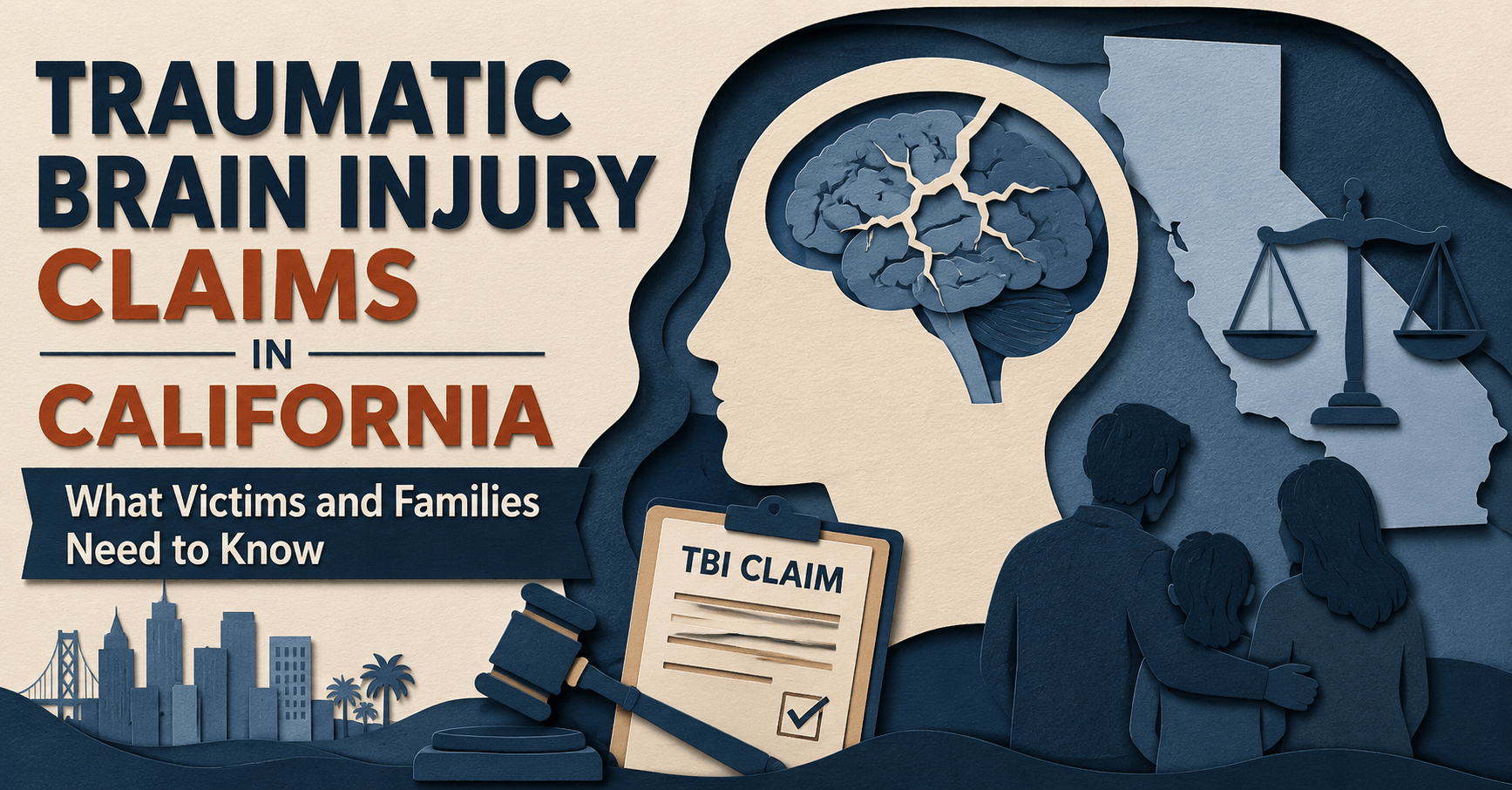
Traumatic Brain Injury Claims in California: What Victims and Families Need to Know
Understanding TBI and Why It Demands Immediate Legal Attention
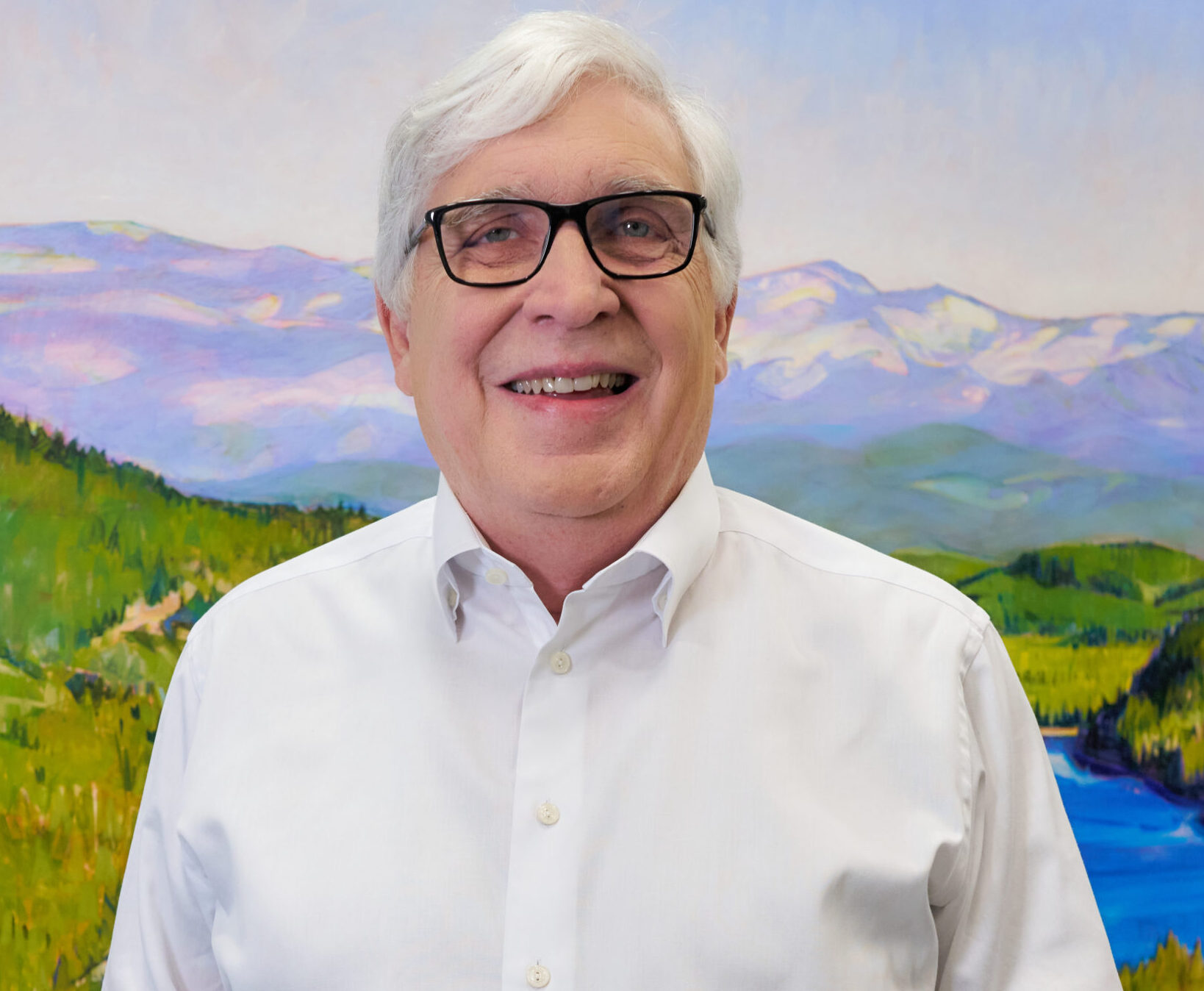
I am Michael Hackard, founder of Hackard Law. Over my five decades of practice, I have fought for injured clients and vulnerable families across Sacramento, the San Francisco Bay Area, and Los Angeles. I have written four published books on inheritance protection and elder abuse, and I have produced more than 1,000 educational videos that have reached over seven million viewers. TBI is a subject I understand not only as an attorney but personally – I underwent brain surgery for a tumor more than twenty years ago. I know what it feels like to deal with the fog of brain trauma, the uncertainty, and the fear. That experience deepened my devotion to standing with clients who face these same challenges after an accident that was not their fault.
Hackard Law provides contingency fee representation for qualified TBI cases – no upfront costs, no fees unless we recover for you. If you or someone you love has suffered a brain injury, call us today at (916) 313-3030 for a free consultation.
Quick Summary
Traumatic brain injury is a serious, often life-altering condition caused by external force to the head. California victims injured through someone else’s negligence have the right to pursue compensation, but time and documentation matter enormously.
- Falls are the primary cause of death for people over 65 and the most frequent cause of traumatic brain injury (TBI).
- Overall, TBI-related deaths are mostly caused by motor vehicle accidents.
- TBI is thought to claim the lives of 50,000 Americans annually.
- In addition to causing depression, anxiety, and behavioral changes, traumatic brain injury (TBI) can hasten pre-existing dementia in older adults.
- According to California law, injured victims may be compensated for pain, suffering, lost wages, and medical expenses.
What Causes Traumatic Brain Injury
A TBI occurs when a bump, a blow, or a jolt to the head or a penetrating head injury affects the normal brain function. The causes range from slipping on a wet floor to a high-speed vehicle accident. Falls account for the largest share of TBI cases, particularly among older adults. For people 65 and older, a fall is far more than a painful event – it can be fatal. The brain becomes more vulnerable with age, and even a moderate impact can produce serious, lasting damage.
For all age groups, motor vehicle accidents are the primary cause of TBI-related fatalities. When a collision forces the head forward and back, or when impact strikes the skull directly, the brain can sustain bruising, bleeding, or tearing of neural tissue. These injuries are not always visible on the surface, which is part of what makes TBI so dangerous and so frequently underestimated.
Case Pattern: A Pattern of Delayed Diagnosis After a Fall
A retired California resident slipped on a poorly maintained walkway and struck her head. She felt confused but believed she had simply been shaken up. Days later, her family noticed she was confused, irritable, and struggling to recall recent conversations. A medical evaluation revealed a subdural hematoma. The pattern here – delayed recognition, family alarm, and a negligent property condition – is one Hackard Law has encountered in cases involving premises liability and elder injury.
TBI and Its Effects on Older Adults
For elderly victims, the consequences of a brain injury extend well beyond the initial trauma. Trauma to an older person’s brain can accelerate preexisting dementia, turning a manageable condition into a rapid decline. Hackard Law has seen this pattern play out in families who were managing a loved one’s early-stage cognitive issues, only to watch those issues worsen dramatically after an accident.
Traumatic Brain Injury associated with dementia has been linked to depression, panic attacks, anxiety, and aggressive behavior. Physical, emotional, behavioral, and cognitive changes are all common. A person who was independent and sharp may become dependent, withdrawn, or unrecognizable to their family. These changes are not just medical – they reshape relationships, caregiving responsibilities, and financial stability for the entire family.
Understanding why some brain injury survivors don’t realize they’re injured is critical. A condition called anosognosia – the inability to perceive one’s own impairment – means that TBI victims sometimes resist help or deny that anything is wrong. Family members are often the first to notice the warning signs.
Your Legal Rights After a TBI in California
California law offers a route to recovery if you or a loved one sustained a head injury in an accident that was not your fault. You may be entitled to compensation regardless of whether the injury happened as a result of a fall on someone else’s property, an automobile accident, an incident at work, or another event brought on by negligence.
TBI victims are entitled to compensation under California personal injury law for past and future medical costs, lost wages, diminished earning capacity, and pain and suffering. For older adults, the damages calculation must also account for the accelerated effects of TBI on an aging brain – a factor that necessitates careful medical and legal documentation. You can learn more about what TBI settlements look like in California and what factors courts and insurers weigh when evaluating a claim.
Many families also ask whether they can pursue a claim on behalf of a loved one who is no longer able to advocate for themselves. The answer is often yes. California law recognizes the right to bring claims for incapacitated individuals, and Hackard Law has experience navigating those proceedings.
Case Pattern: A Vehicle Accident and a Family Left Without Answers
A driver who ran a red light struck a middle-aged man from California. Despite having a moderate TBI, he lived. His wife reported a personality shift that she was unable to adequately explain, and his employer observed changes in his performance. It wasn’t until a neurologist made the connection months later that the family realized the accident was the reason. This typical delay in establishing a cause-and-effect link highlights the importance of receiving timely legal and medical care.
How Hackard Law Approaches TBI Cases
Michael Hackard brings something rare to TBI representation: personal experience with brain surgery and its aftermath, combined with decades of litigation on behalf of injured clients throughout California. Our Sacramento TBI attorney practice is built on the understanding that these cases require more than standard personal injury work. They require a deep grasp of how brain injuries present, how they progress, and how to translate that medical reality into a compelling legal case.
Hackard Law works with medical professionals, neuropsychologists, and life care planners to build cases that reflect the full scope of a client’s injury. For elderly clients, we pay particular attention to how the TBI has interacted with any preexisting conditions and how that interaction has changed the trajectory of their health and independence. If you are wondering whether you have a case, learn more about suing for brain damage in California and what the legal process includes.
For decades, I have stood with families at some of the most difficult moments of their lives. A TBI does not just injure one person – it sends reverberations through every relationship, every plan, every expectation that family had built. The financial toll grows as medical bills accumulate and income disappears. The fracture in family life often runs too deep for any judgment to fully mend. But a firm dedication to truth and accountability can restore what negligence tried to steal.
Key Definitions
- Traumatic brain injury (TBI): A disruption in normal brain function caused by a bump, blow, jolt, or penetrating injury to the head is referred to as TBI.
- Subdural hematoma: A collection of blood between the brain and its outer covering, frequently resulting from a head impact and requiring urgent medical attention.
- Anosognosia: A neurological condition in which a brain injury survivor is unaware of their own impairment, making diagnosis and treatment more difficult.
- Premises liability: Legal responsibility of a property owner for injuries that occur on their property due to unsafe conditions.
- Negligence: A failure to exercise reasonable care that results in harm to another person, forming the basis of most personal injury claims.
- Damages: Compensation awarded in a lawsuit, including medical costs, lost wages, and pain and suffering.
- Life care plan: A detailed document prepared by medical and rehabilitation professionals estimating the long-term costs of caring for a seriously injured person.
- Contingency fee: A legal fee arrangement in which the attorney is paid only if the client recovers compensation, with no upfront cost to the client.
- Cognitive impairment: A decline in memory, reasoning, or other mental functions that can result from TBI and may worsen over time.
What to Do Next
- Get immediate medical attention after any head injury, even if symptoms seem mild at first.
- Look for changes in behavior, memory, mood, or personality in a loved one who has suffered a head impact – these may be signs of TBI.
- Get copies of all medical records, accident reports, and any documentation related to the incident as soon as possible.
- Try to avoid giving recorded statements to insurance adjusters before speaking with an attorney.
- Look for witnesses to the accident and preserve any photos, videos, or physical evidence from the scene.
- Try to avoid delays because California’s statute of limitations for personal injury claims is typically two years from the date of injury.
- Reach out to a TBI attorney who understands both the legal and medical dimensions of brain injury cases.
- Visit our contact page to book a free consultation with Hackard Law.
- Call Hackard Law at (916) 313-3030 to speak directly with our team about your situation.
CALL THE SAGE | When Experience Matters, Families Listen
🏛️ We practice California trust & estate & elder financial abuse litigation
⚖️ We represent heirs, beneficiaries, and elder abuse victims
🎥 1,000+ educational videos | 7 million+ views | 4 published books
🎯 “After thousands of cases, I see the pattern others miss.”
CONTINGENCY REPRESENTATION – No Win, No Fee
Throughout California: Sacramento | Los Angeles | Bay Area
📞 CALL THE SAGE: (916) 313-3030
Subscribe for weekly insights on:
- Elder financial abuse warning signs and prevention
- Trust and estate litigation strategies
- Inheritance protection for California families
- Family protection strategies
When your inheritance is under attack, Call The Sage.
Hackard Law | 10640 Mather Blvd, Mather CA 95655
Attorney Advertisement | Michael Hackard, State Bar #71067
RELATED VIDEOS
What are the Leading Causes of Traumatic Brain Injury (TBI)? | Hackard Law TBI FAQ
Explores the most common causes of TBI, from falls to vehicle accidents.
Traumatic Brain Injury (TBI): Recovering Damages
Explains what financial compensation TBI victims may be entitled to pursue.
What Elements are Needed to Prove Negligence in Traumatic Brain Injury (TBI) | Hackard Law TBI FAQ
Breaks down the legal elements required to establish negligence in a TBI case.
Why Some Brain Injury Survivors Don’t Realize They’re Injured | Hackard Law
Discusses why TBI symptoms are often missed or dismissed after an accident.
How Do I Determine Responsibility for a Traumatic Brain Injury (TBI)? | Hackard Law TBI FAQ
Walks through how liability is identified and assigned in TBI injury claims.
Contingency Advantages for Hackard Law Estate, Trust, and Traumatic Brain Injury Clients
Explains how contingency fee arrangements work for TBI and estate clients.
 Michael Hackard is the founder of Hackard Law, a California trust and estate litigation firm with more than five decades of experience protecting the inheritance rights of families across Sacramento, the San Francisco Bay Area, and Los Angeles. He is the author of six published books on inheritance protection and has produced more than 1,000 educational videos with over seven million views.